


 English
 русский
 Español
 Deutsch
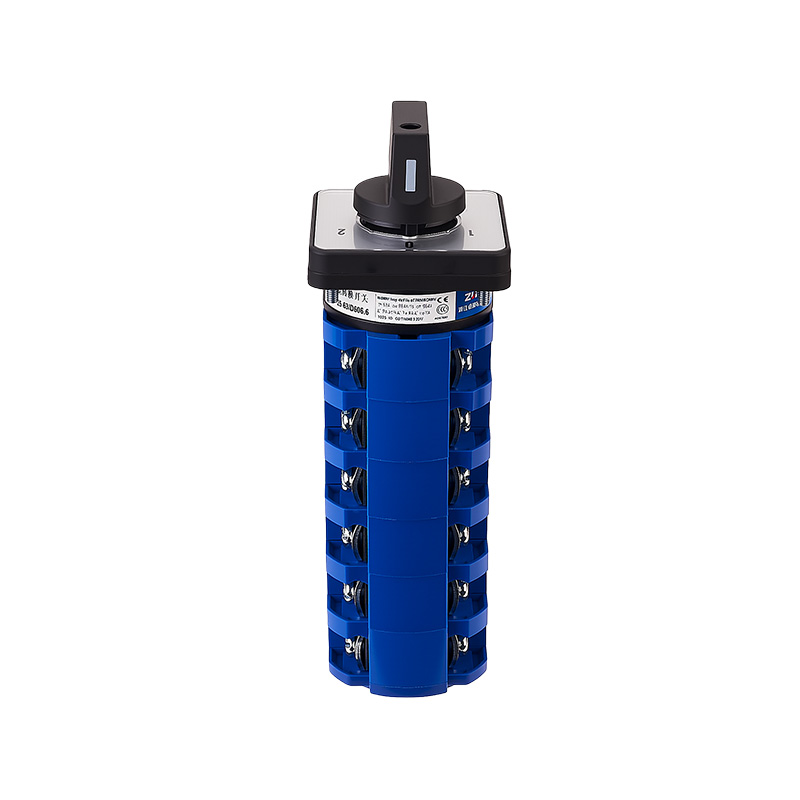
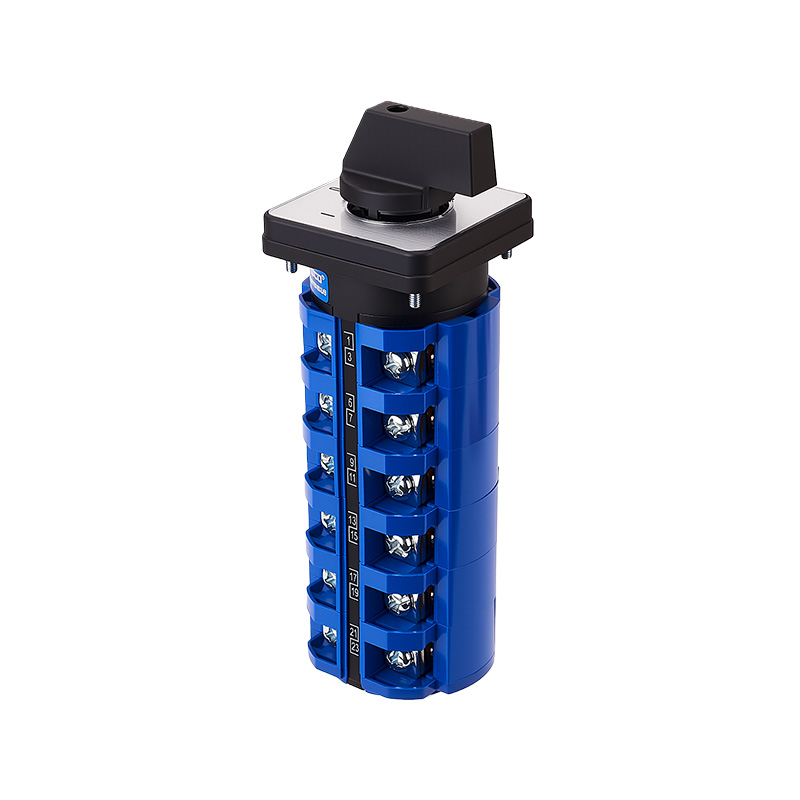
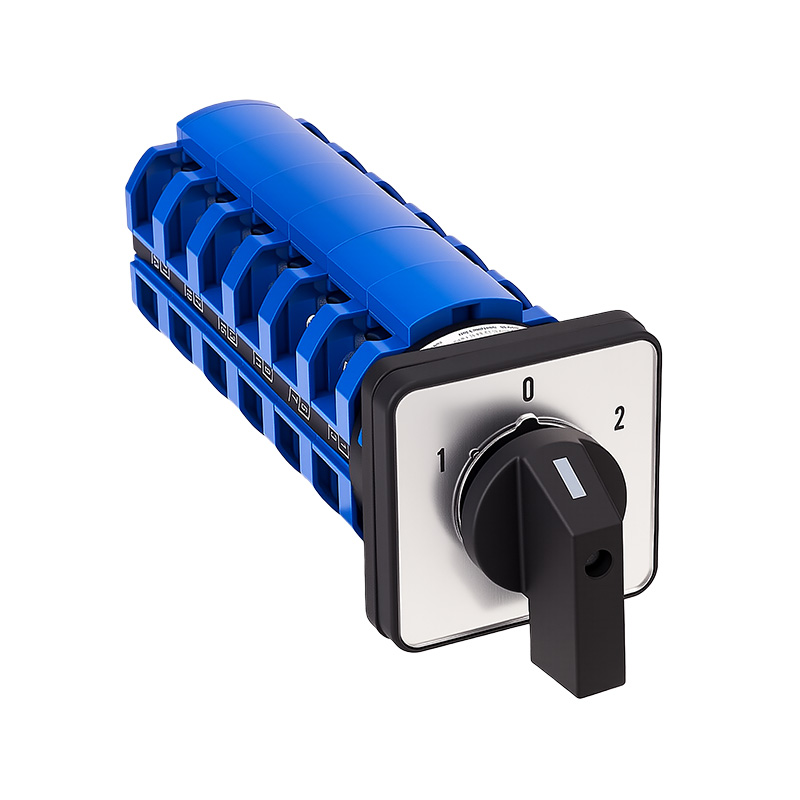
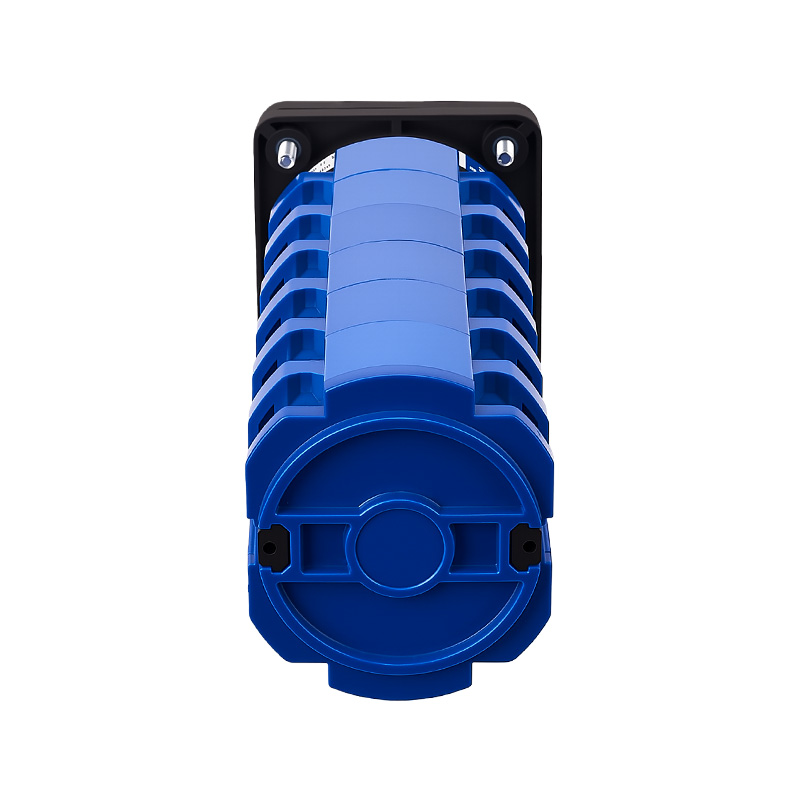
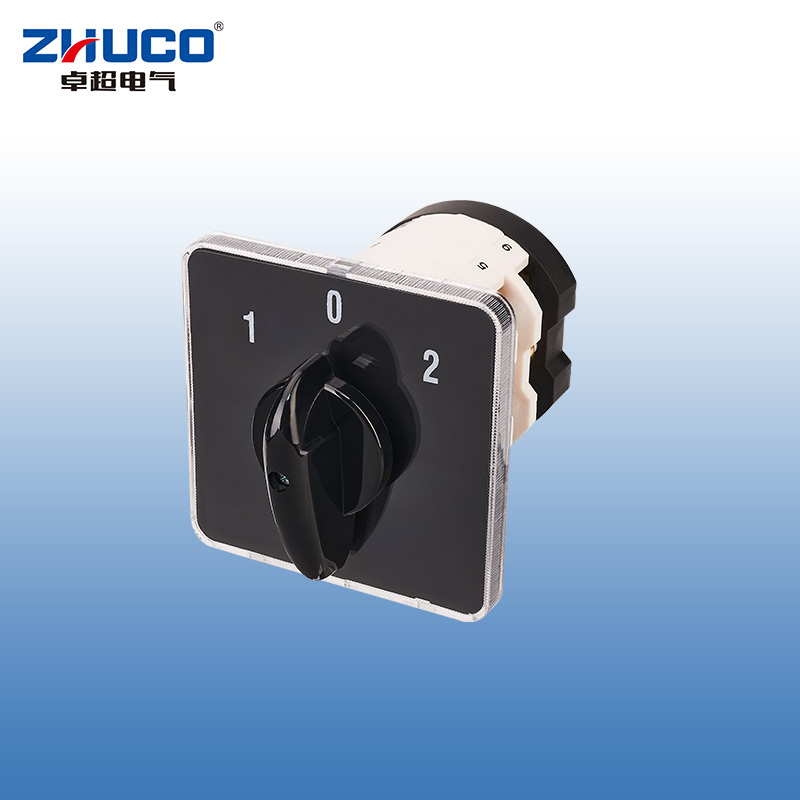
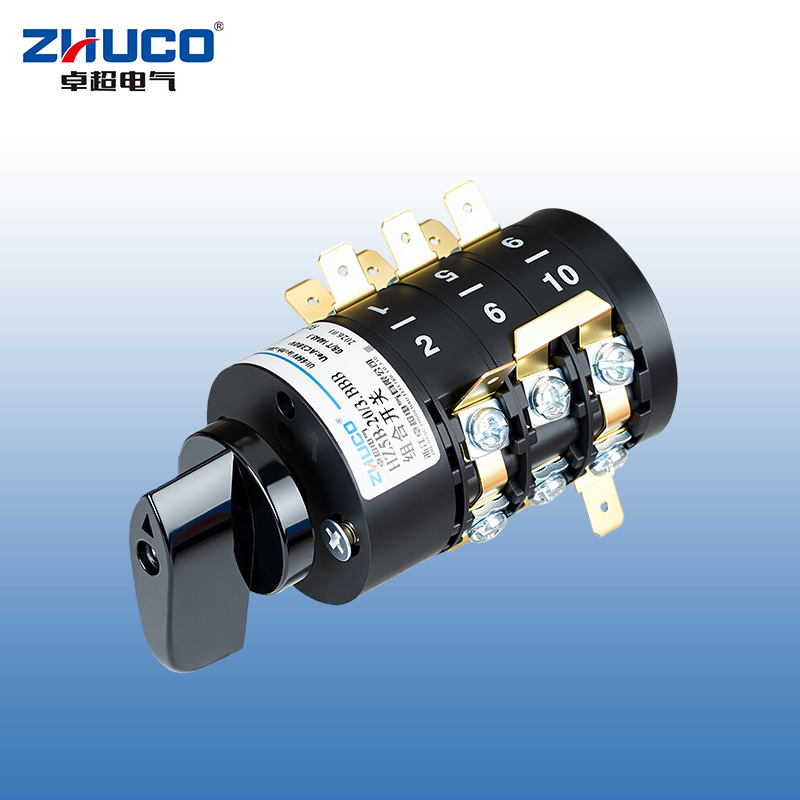
The SZW26-63/D606.6 is a high-capacity, high-density control type three-position (1-0-2) changeover switch. It features a six-section (six-layer) structure, and its core function is to synchronously control six independent circuits to switch between two preset states with a single operation, providing complete safety isolation in the intermediate "0" position. The switch has a rated current of 63A and a rated insulation voltage of 690V, suitable for AC 440V/50-60Hz lines.
Position I: Connects the first set of six outputs (contacts 1-2, 5-6, 9-10, 13-14, 17-18, 21-22).
Position 0: Intermediate open position, all contacts are open.
Position II: Connects the second set of six outputs (contacts 3-4, 7-8, 11-12, 15-16, 19-20, 23-24).
The product uses silver alloy contacts and thickened copper components, with a robust structure, designed for complex and demanding synchronous switching logic. Mechanical life ≥ 300,000 cycles, electrical life ≥ 60,000 cycles (under rated load, operating frequency ≤ 120 times/hour). Application Scenarios:
This switch is designed to address highly complex switching needs requiring synchronous control of a large number of circuits, suitable for critical electrical systems with extremely high integration requirements.
Complex dual-system overall switching: Used for overall manual switching between two complete equipment systems (such as those containing main drive motors, auxiliary motors, cooling fans, control power supplies, and signal circuits) in a "one-use, one-standby" or "work/test" mode.
Large multi-motor/multi-load group control: Can simultaneously switch up to two independent three-phase loads (occupying three circuits), and synchronously switch their related control, indication, and interlocking circuits (occupying the remaining three circuits), achieving highly integrated operation. Key Industrial Process Mode Selection: In large production lines, test benches, or specialized equipment, this device acts as a master switch, simultaneously changing the status of multiple power circuits, control circuits, and signal circuits to achieve centralized selection of complex operating modes such as "automatic/manual," "process A/process B," and "operation/maintenance." It is widely used in the core control cabinets of power systems, shipbuilding, heavy machinery, and automated integrated systems.

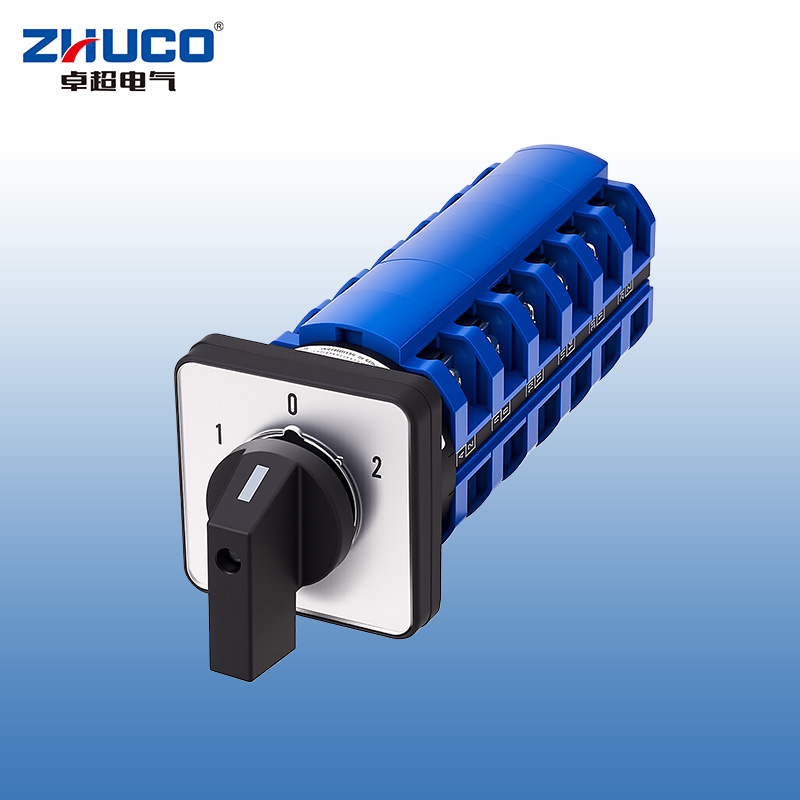
ZHUCO SZW26-63/D606.6 1-0-2 Three-position six-section changeover switch
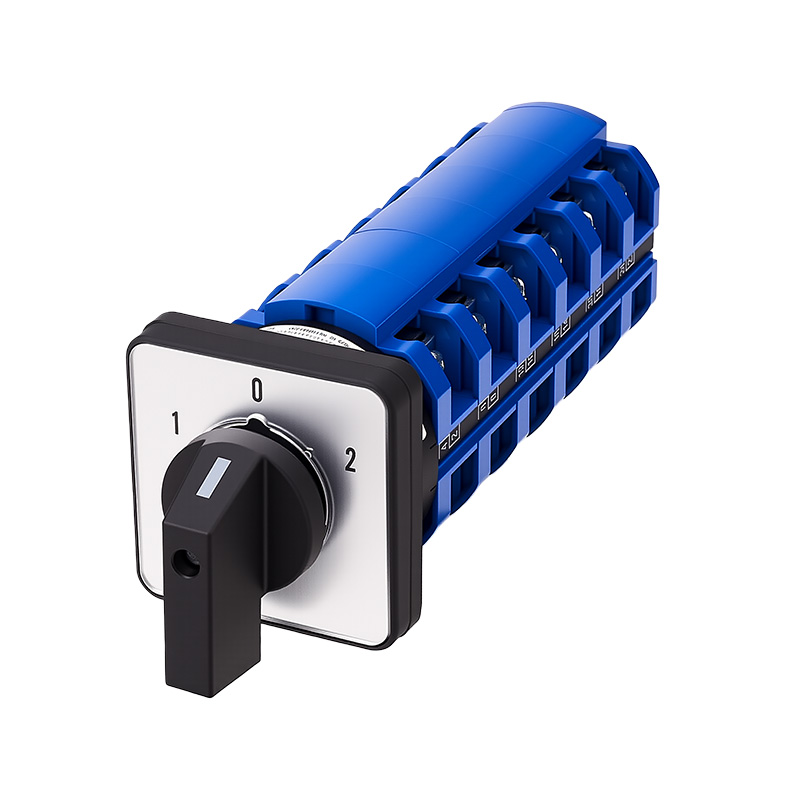
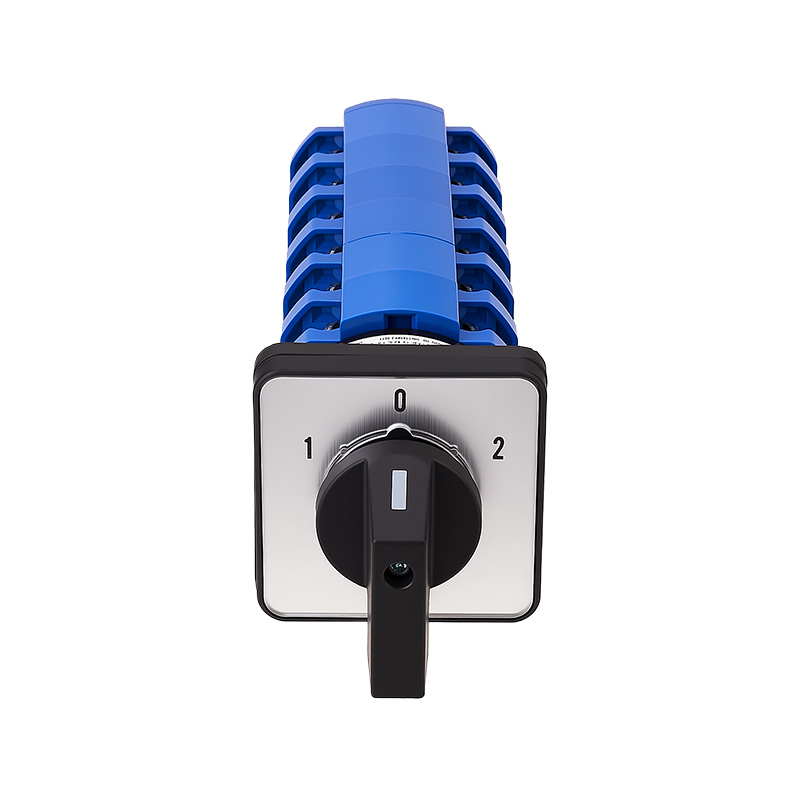
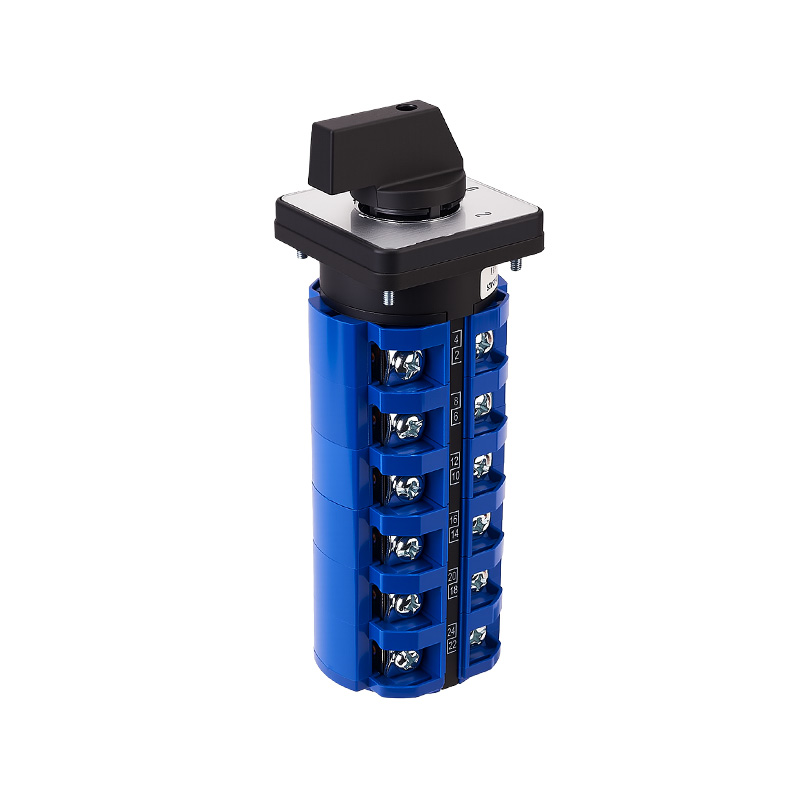
-
PRODUCT SIZE
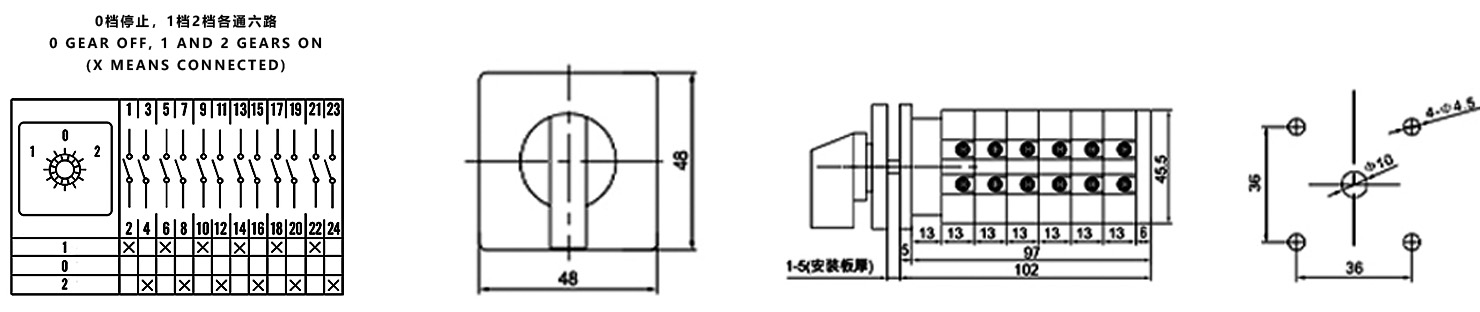
Internal wiring diagram
Panel size(mm)
Shape size(mm)
lnstallation size(mm)
-
TECHNICAL PARAMETERS
Name Change Over Switch Brand ZHUCO Model SZW26-63/D606.6 Rated working voltage AC440V Rated insulation voltage 660/690V Rated impulse withstand voltage 6kV Conventional heateing current 63A Rated working current le: AC-23A: 57A; AC-3: 36A; AC-4: 15A Rated short-time withstand current 684A/1s Rated short-circuit making capacity 694A Use category AC-23A、AC-3、AC-4 Polar number 6 Meet the standards GB/T 14048.3-2017 3C Certificate Number 2024010302651148 CE testing standard EN 60947-5-1:2017 CE Certificate number TLZJ21072132378
About Us
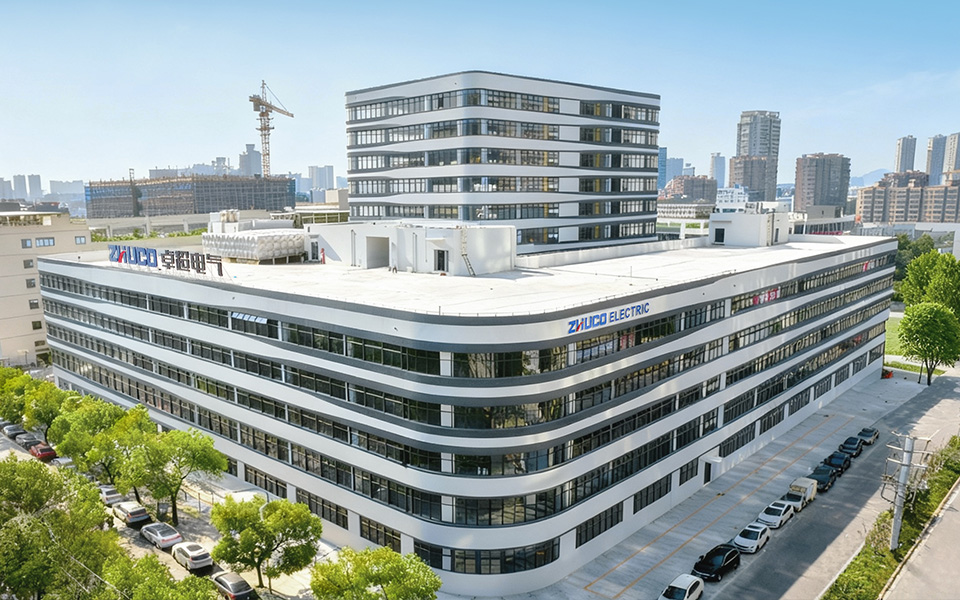
Zhejiang Zhuochao Electric Co., Ltd.
Founded in 2012, Zhejiang Zhuochao Electric Co., Ltd. has been specializing in the wholesale of ZHUCO SZW26-63/D606.6 1-0-2 Three-position six-section changeover switch supplier. In particular, the company's ZHUCO SZW26-63/D606.6 1-0-2 Three-position six-section changeover switchtches feature advanced technology in the industry in the industry. Our products have obtained ISO 9001 Quality Management System Certification, National 3C Certification, TUV Certification, CE Certification and RoHS Certification, and are manufactured in strict compliance with national standards. They enjoy a strong market presence across China and are exported to numerous countries and regions in Europe, the Americas and Southeast Asia. We have also established cooperative partnerships with a number of internationally renowned brands.
Equipped with advanced production equipment and precision testing instruments, the company has introduced high-tech production processes and experienced engineers, providing support for product R&D, quality upgrading and management innovation. Thanks to the joint efforts of all employees and the strong support of domestic and overseas customers, we have accumulated rich experience in design, production and manufacturing. Currently, the company is committed to further expanding its overseas market share, and developing domestic market channels and customers. It also try to innovate marketing strategies, and build a sound market order to fully safeguard the interests of agents and customers. We unswervingly adhere to a clear market positioning, focus on two core points—technology innovation & reliable quality and marketing channel enhancement, and regard quality product, standardized market pricing and comprehensive after-sales service as three three fundamental commitments, so as to create a win-win development situation for both manufacturers and distributors.
Facing a promising future, the company will uphold the tenet of providing better products and services to satisfy customers. Relying on advanced modern enterprise management, we will deepen internal reforms, fully implement the quality assurance system, and carry forward the spirit of "Pragmatism, Integrity, Innovation and Progress". Looking ahead, we will continuously adjust the industrial structure, expand capital strength, implement the brand strategy, and march towards the global market!
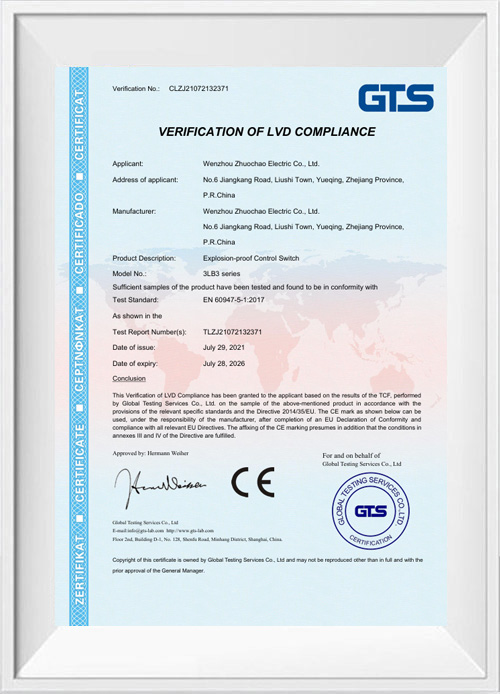
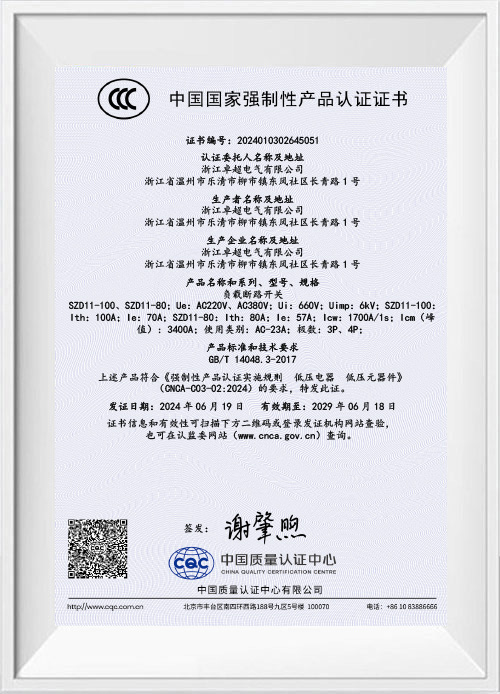
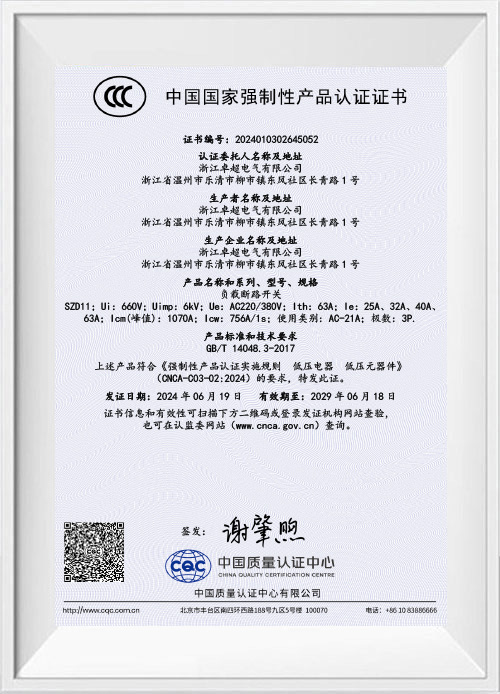
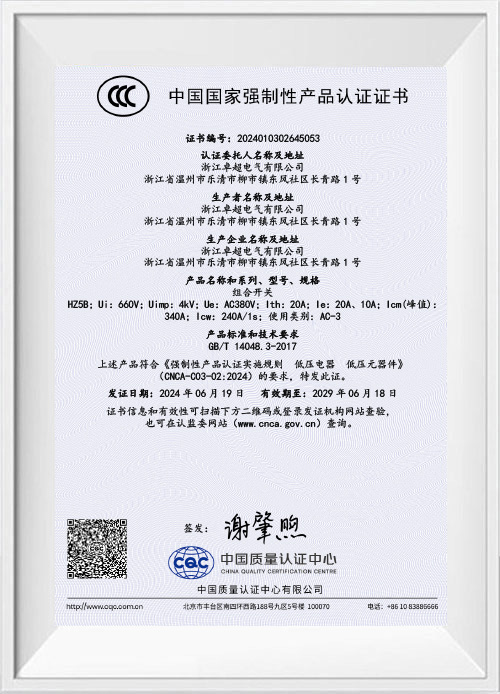
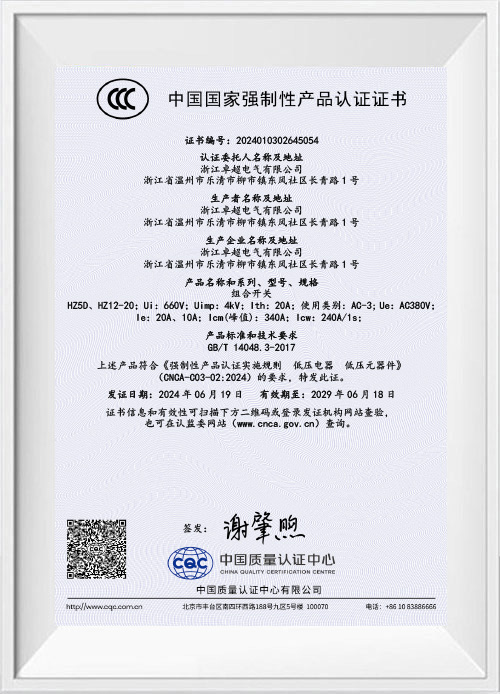
Certificate Of Honor
Message Feedback
News
-
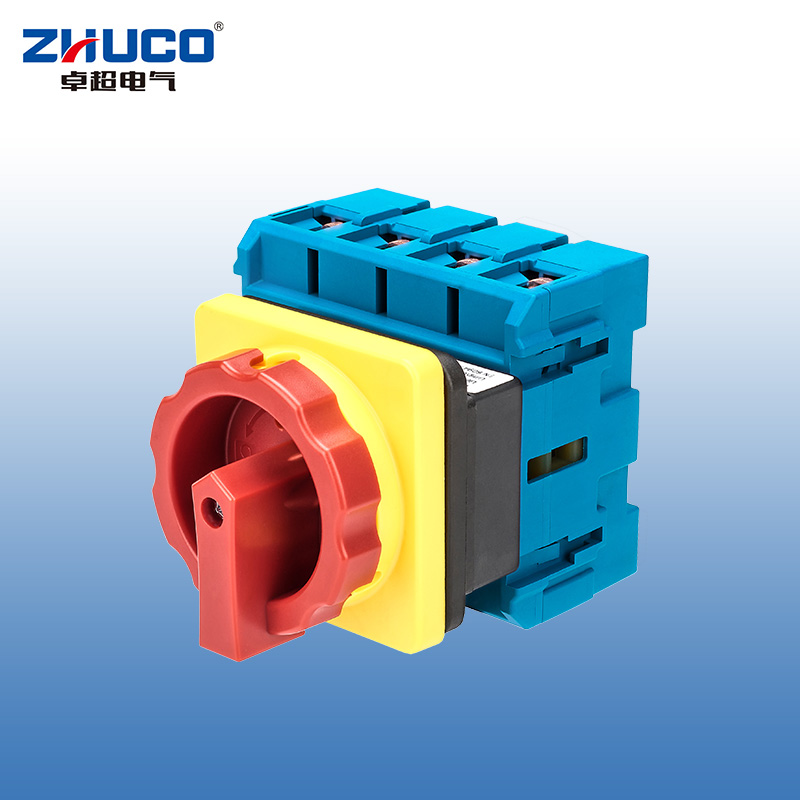
Basic Design and Function The core of a 4-pole load switch consists of four independent switching po...
READ MORE -
How The Switching Mechanism Works A Circuit Changeover Switch generally contains a movable contact m...
READ MORE -
Electrical fitting suppliers have noticed a steady shift toward fixtures that do more within a singl...
READ MORE
-

-
+86-13968756792

Phone:
-
+85253190140
WhatsApp:
-
[email protected]

E-mail:
-
No. 88 Fenjin Road, Liushi Town, Yueqing City, Wenzhou, Zhejiang Province

Address:
-
-
Quick Links
Home Product About Us Resources News Contact Us -
About Us
Company Profile Certificates Factory FAQ -
NEWS CENTER
Company News Industry News Exhibition Information
Copyright © Zhejiang Zhuochao Electric Co., Ltd. All Rights Reserved.
Changeover Switch Factory
