


 English
 русский
 Español
 Deutsch
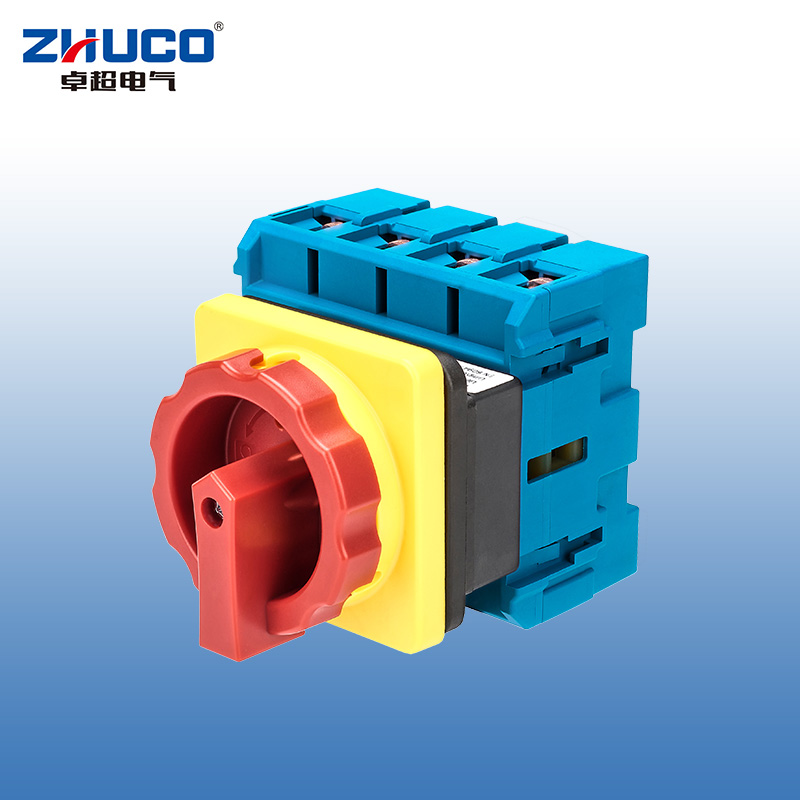
Basic Design and Function The core of a 4-pole load switch consists of four independent switching poles linked so they open or close togethe...
READ MORE

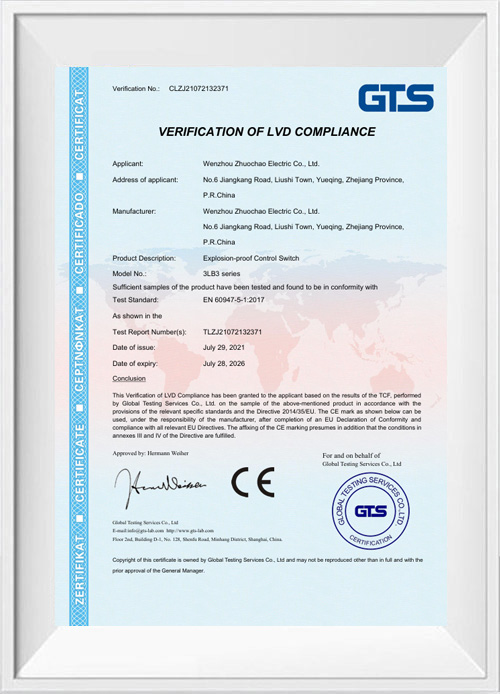
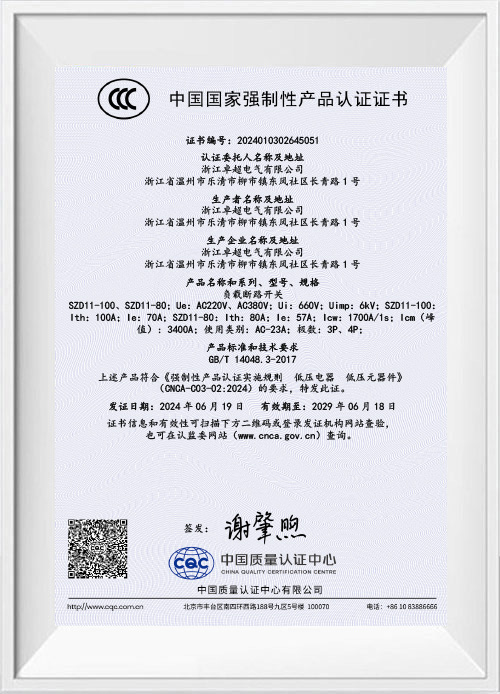
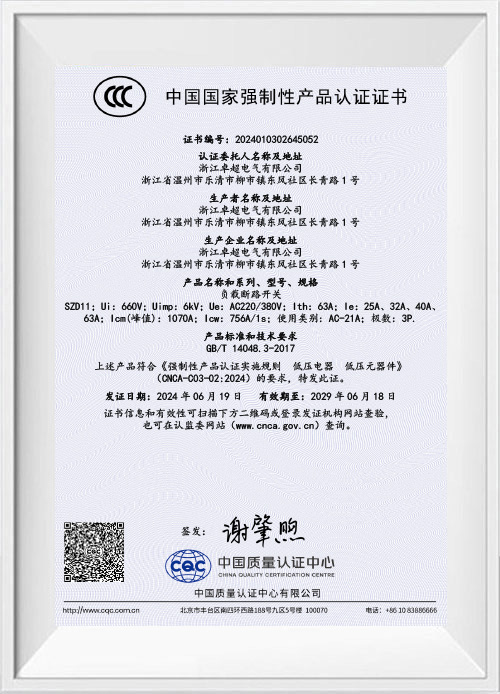
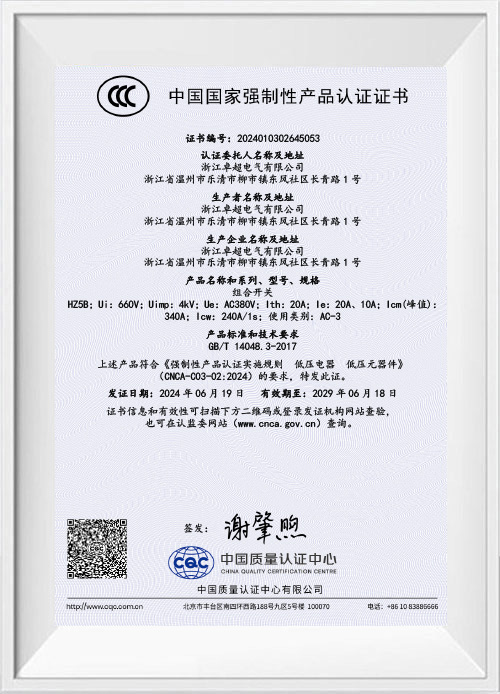
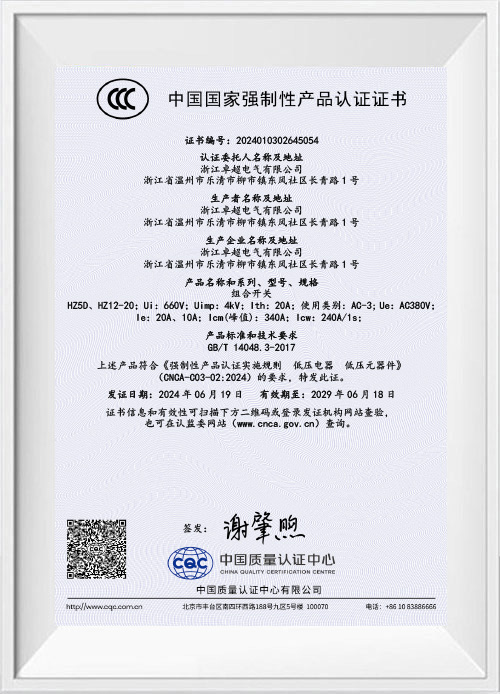
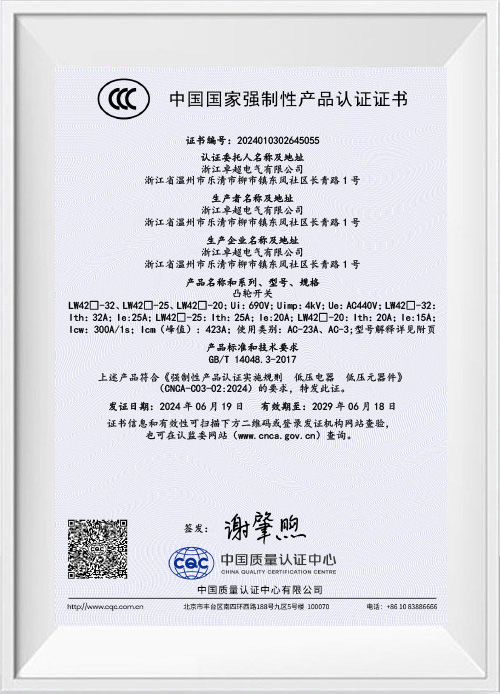
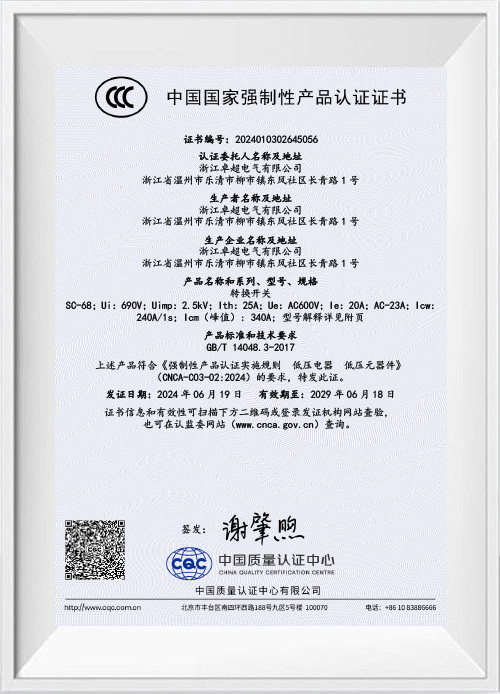
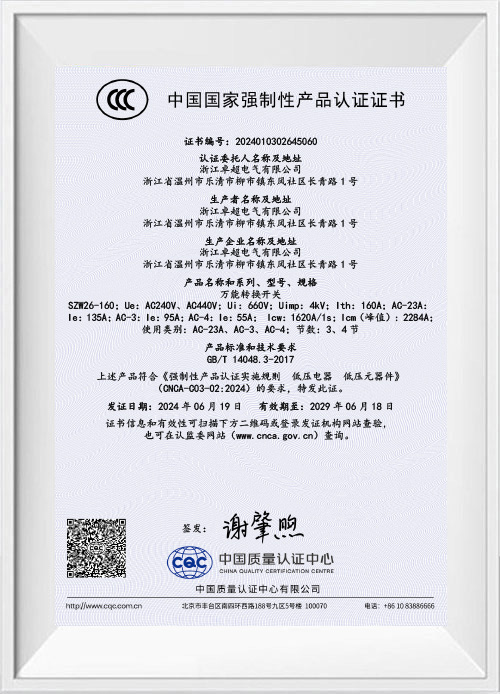
Basic Design and Function The core of a 4-pole load switch consists of four independent switching poles linked so they open or close togethe...
READ MORE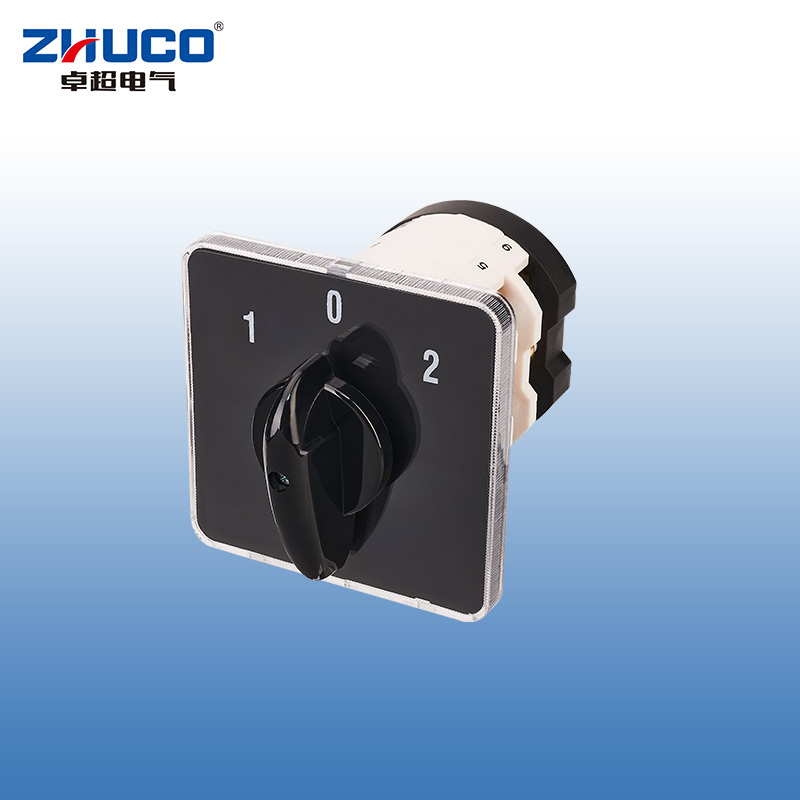
How The Switching Mechanism Works A Circuit Changeover Switch generally contains a movable contact mechanism that changes the connection bet...
READ MORE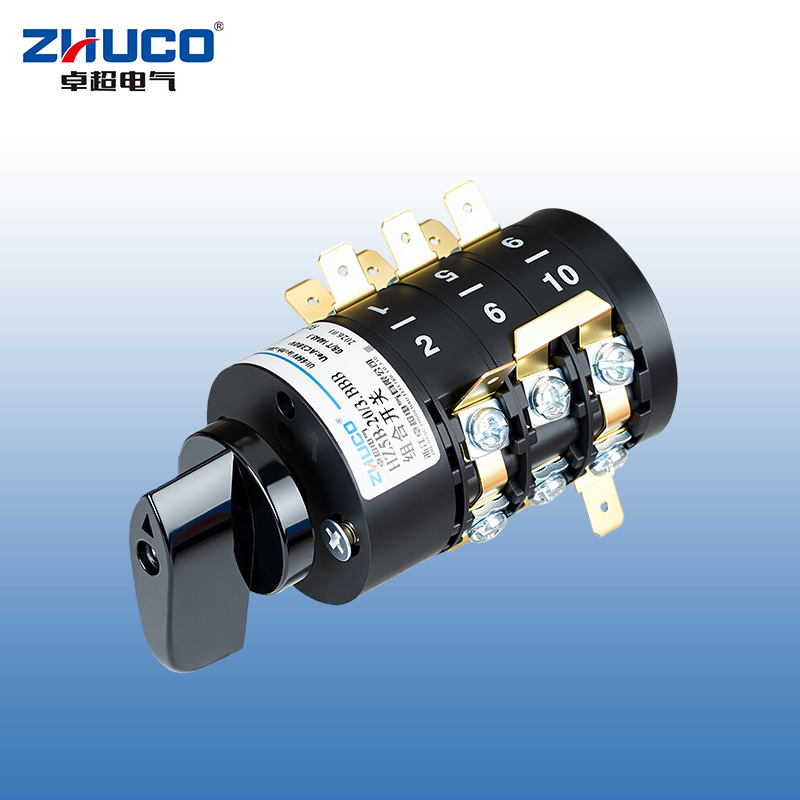
Electrical fitting suppliers have noticed a steady shift toward fixtures that do more within a single wall plate, and the combination switch...
READ MORE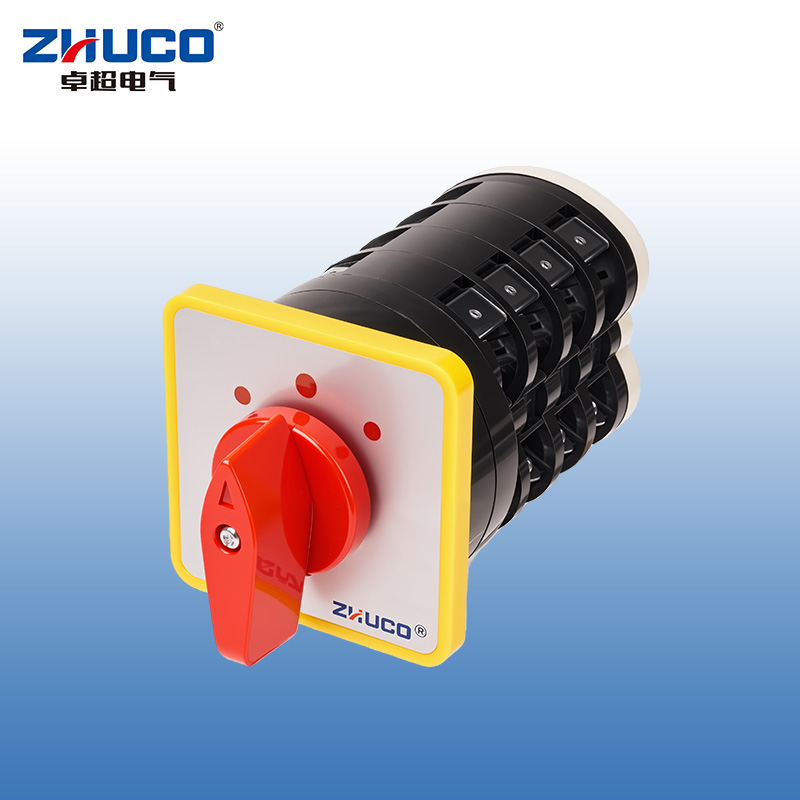
Electrical systems rely on countless small components to stay stable, and a voltage switch is one of the parts working quietly in the backgr...
READ MOREA Welding Machine Switch is a core component within welding equipment, utilized to control circuit connectivity and regulate process parameters. Based on their functional roles, these switches can be broadly categorized into two main types: power control switches and process adjustment switches. They are widely deployed across various types of welding machines, including MIG, TIG, and Manual Metal Arc (MMA) welders. Their primary functions include: starting and stopping the equipment's main circuit, switching between welding modes, adjusting current levels, and triggering safety protection logic.
Requirements for welding switches vary significantly across different industries. The following is an overview of the classifications within major application sectors:
| Switch Type | Applicable Welder Types | Rated Voltage Range | Protection Rating | Key Features |
| Rotary Selector Switch | MIG/MAG Welders | 220V–440V | IP54 | Clear positioning; suitable for multi-parameter switching |
| Push-button Start/Stop | TIG Welders | 110V–380V | IP65 | Intuitive operation; rapid response time |
| Foot Control Switch | Precision Spot Welders | 24V–220V | IP67 | Hands-free operation; suitable for intricate tasks |
| Toggle Power Switch | Inverter Welders | 380V | IP55 | Simple structure; high reliability |
| Touch Sensor Switch | Smart Welding Stations | 24V DC | IP50 | No mechanical wear; long service life |
During the actual procurement and engineering integration phases, professionals typically evaluate switches based on the following dimensions:
Given the harsh nature of welding environments, switch systems face multiple risks of degradation. Common failure modes observed within the industry include:
It is recommended that maintenance intervals be determined based on equipment usage frequency. For high-frequency usage scenarios, contact cleaning and insulation testing should be performed quarterly. Additionally, the number of switch actuation cycles should be monitored; when the switch approaches 80% of its rated mechanical life, spare parts should be replaced proactively to small the risk of unplanned downtime.