


 English
 русский
 Español
 Deutsch
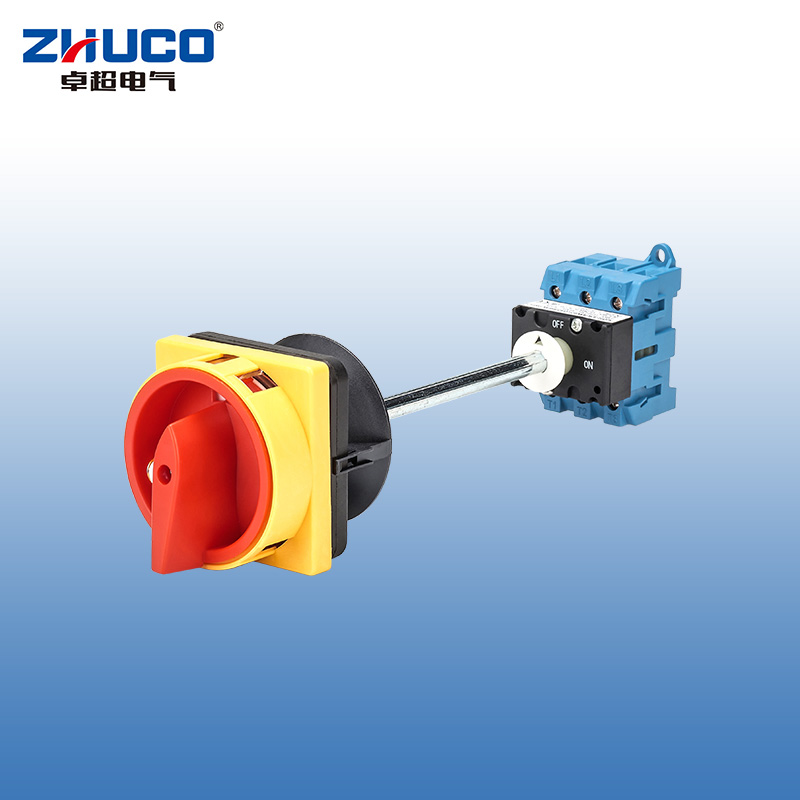
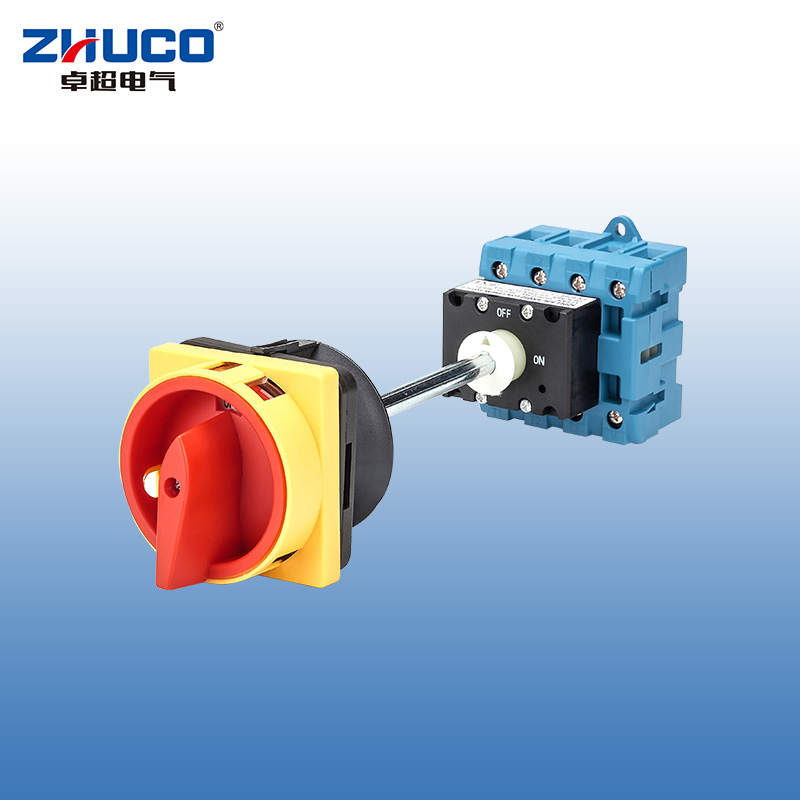
Basic Design and Function The core of a 4-pole load switch consists of four independent switching poles linked so they open or close togethe...
READ MORE
A long-handle load break switch is a device that uses a long handle to connect or disconnect a load circuit, suitable for electrical equipment located at high positions or in difficult-to-access areas. It features a reliable structure and safe operation, and is widely used in power distribution systems and outdoor power equipment.
It is suitable for AC electrical circuits with a frequency of 50Hz to 60Hz, a rated operating voltage not exceeding 440V, and a rated current of 25A. It is used as the main switch for ventilation equipment, air conditioners, and water pump systems, and can also directly control small-capacity AC motors. Furthermore, this switch is widely used in fiber optic chillers, dispensing machines, air conditioning and water pump systems, and can serve as the main switch for various industrial automation equipment, providing stable operation for circuit connection and load control. The switch features a long-handle design, facilitating rail mounting inside cabinets, and also supports panel mounting outside the cabinet, improving the flexibility and maintainability of the equipment.

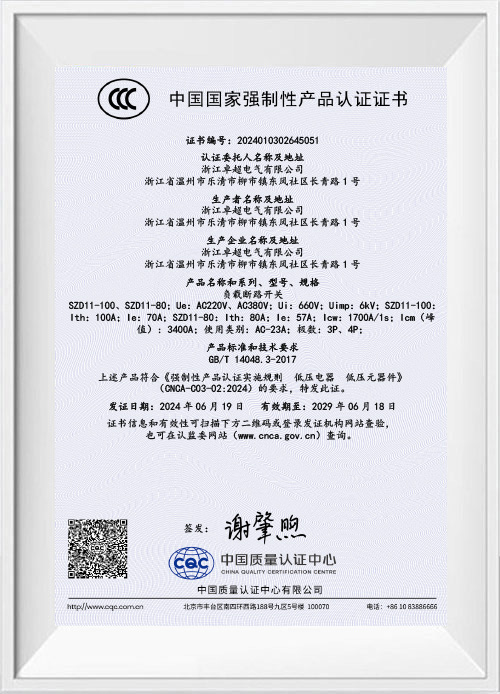
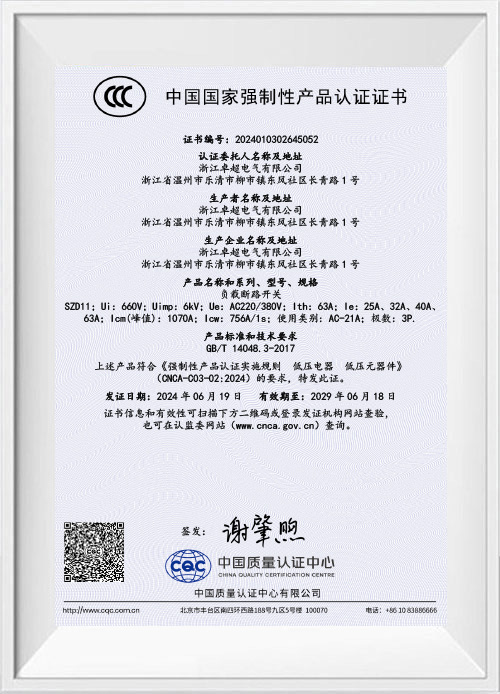
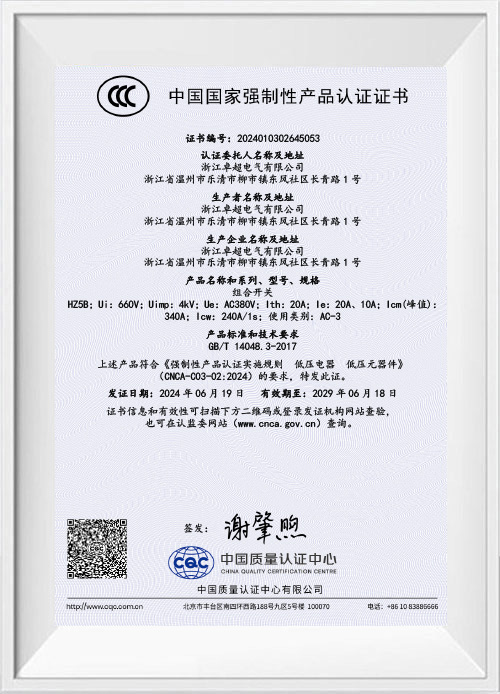
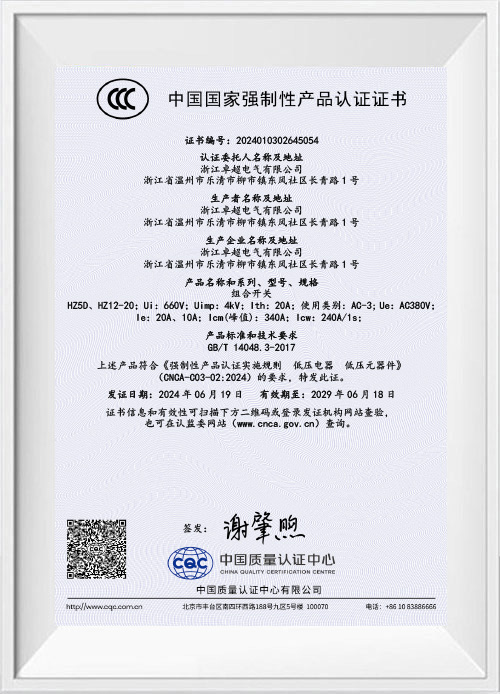
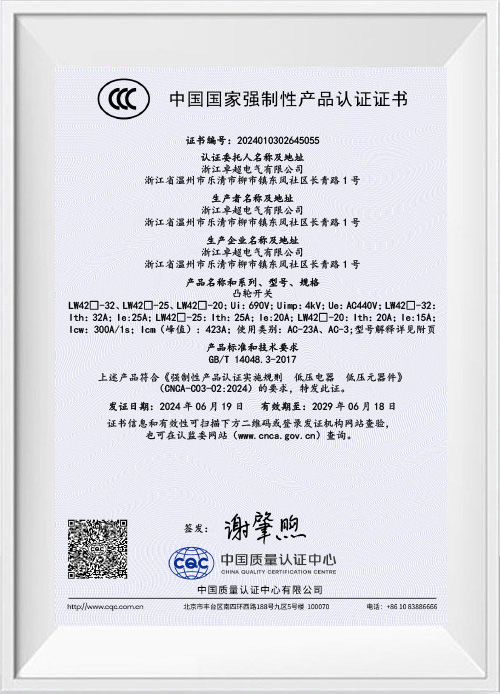
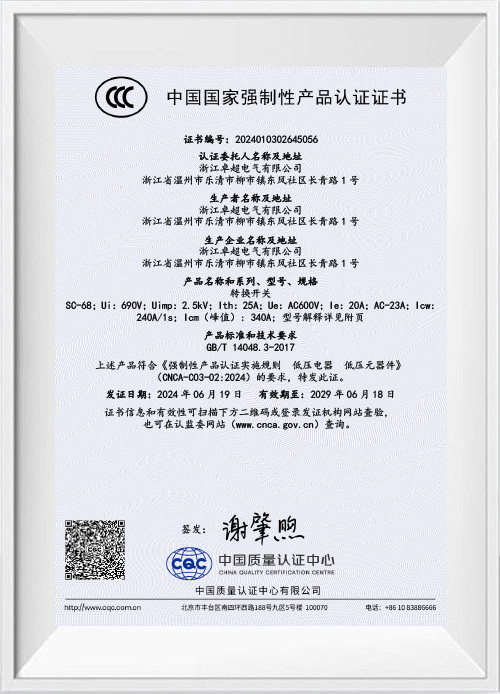
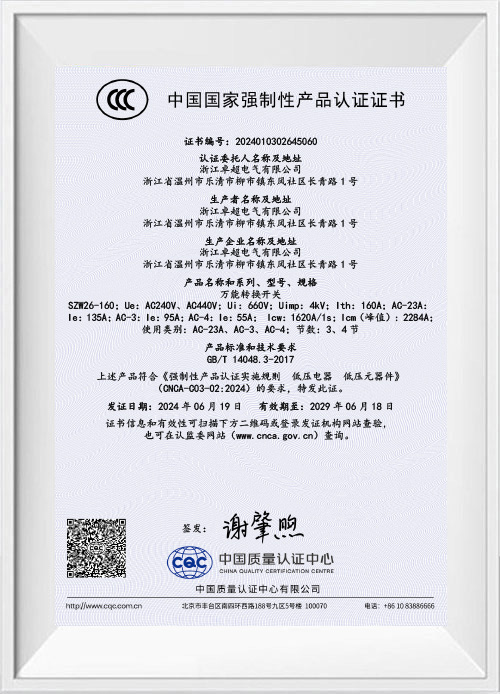
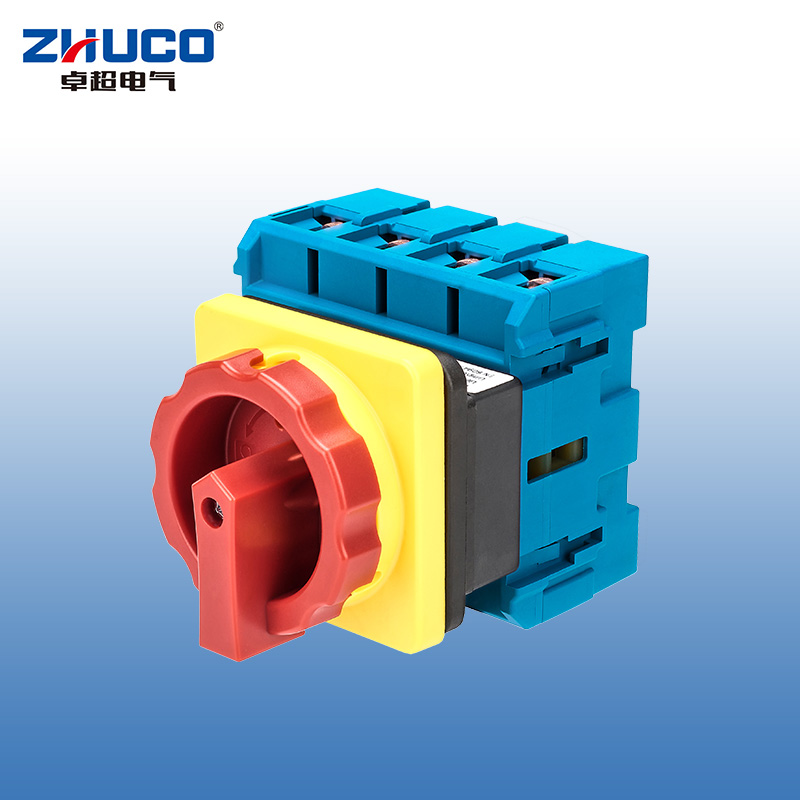
Basic Design and Function The core of a 4-pole load switch consists of four independent switching poles linked so they open or close togethe...
READ MORE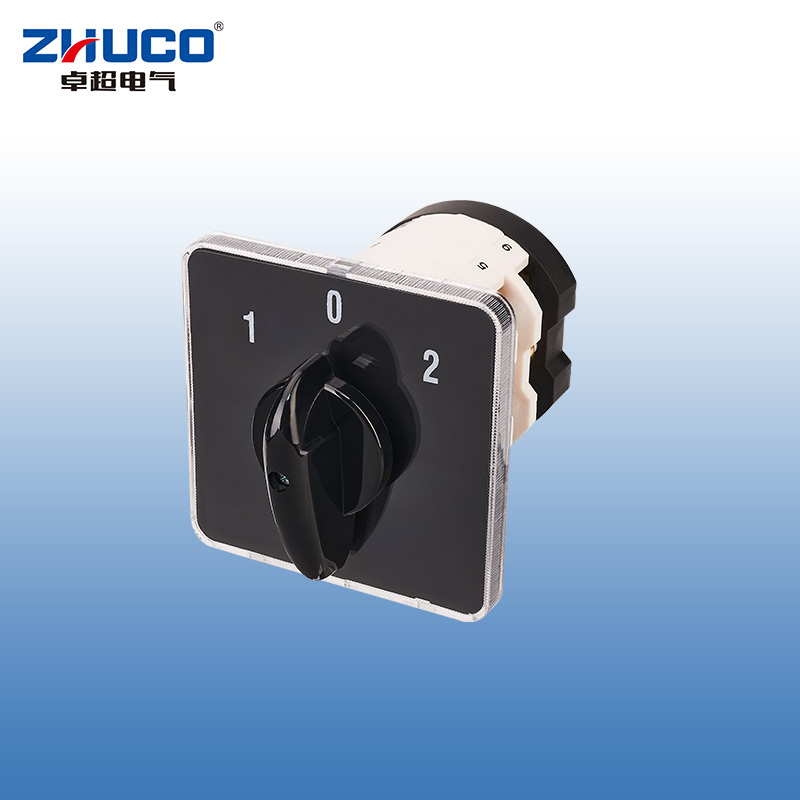
How The Switching Mechanism Works A Circuit Changeover Switch generally contains a movable contact mechanism that changes the connection bet...
READ MORE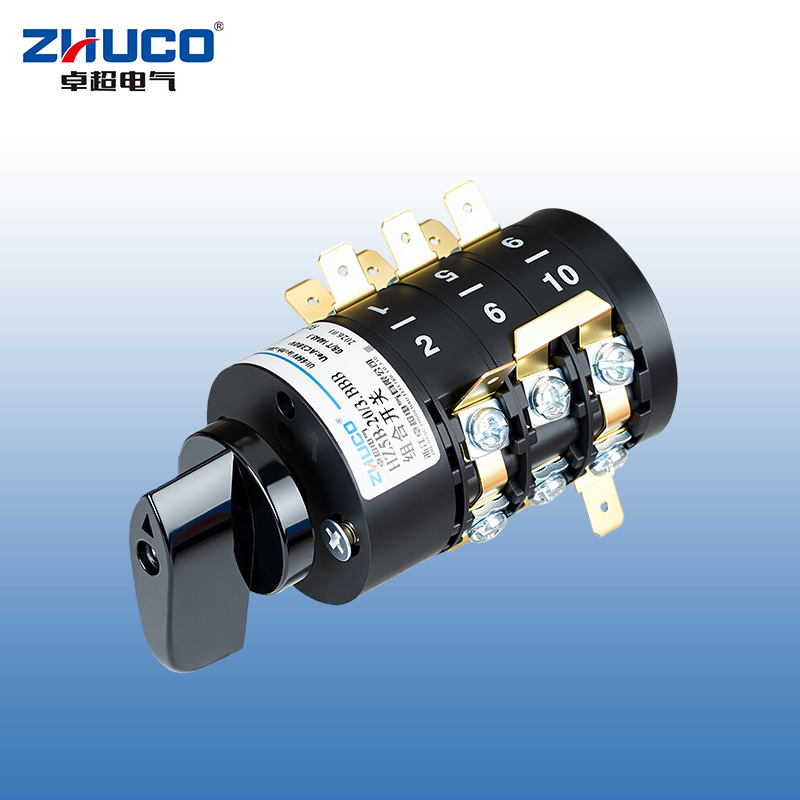
Electrical fitting suppliers have noticed a steady shift toward fixtures that do more within a single wall plate, and the combination switch...
READ MORE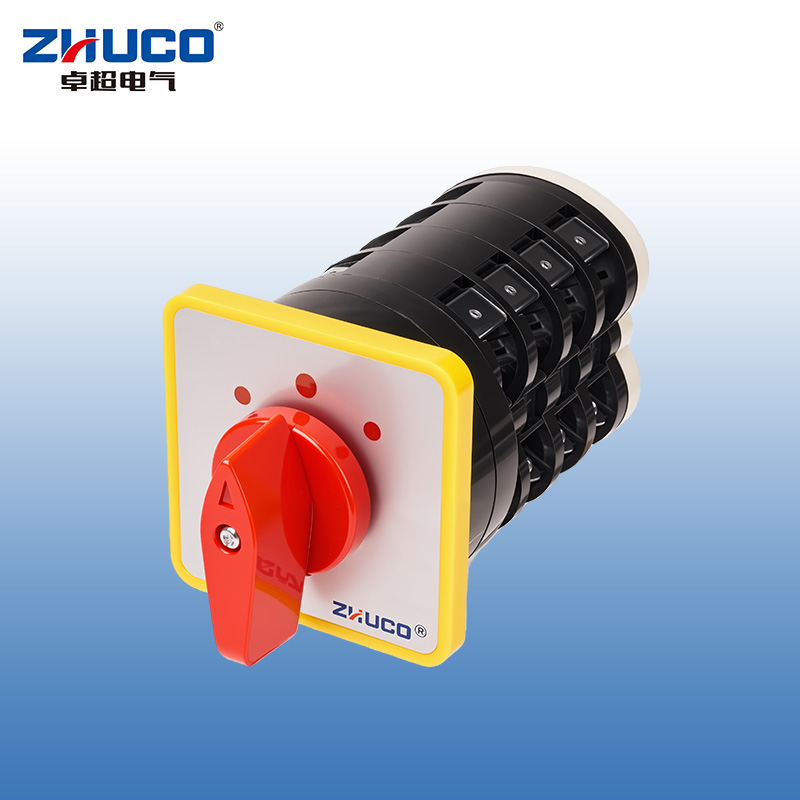
Electrical systems rely on countless small components to stay stable, and a voltage switch is one of the parts working quietly in the backgr...
READ MOREThe Long-Handle Load Break Switch product series serves as a systematic correction to this cognitive bias. By extending the point of operation away from the switch body to a safe distance, the Long-Handle Load Break Switch transforms personal safety protection from a mere regulatory requirement into a physical safeguard at the equipment level, ensuring that operators remain outside the arc-protection zone throughout the entire process of opening and closing the switch.
The Long-Shaft Load Break Switch centers its core structural design on an extended transmission shaft. This shaft system transmits the operating torque from the control end to the switch contact mechanism, thereby enabling remote operational control. The design of the transmission shaft requires a careful balance between operating torque transmission efficiency and shaft system rigidity; an excessively thin shaft diameter pilots to torsional deformation that compromises operational precision, while an excessively large diameter increases the product's weight and installation difficulty. Key engineering parameters for the shaft system design include:
Anti-Corrosion Surface Treatment: Since the transmission shaft is continuously exposed to outdoor environments, it must undergo surface treatments—such as galvanization, stainless steel cladding, or epoxy coating—to prevent corrosion from causing the transmission mechanism to seize.
A typical advantage of the Long-Shaft Load Break Switch in substation gantry installations is that the switch body can be mounted high on the gantry structure or adjacent to the busbar, while the operating end extends downward to a height safely accessible by personnel. This configuration allows for opening and closing operations to be performed without the need to construct a separate operating platform, thereby significantly enhancing both operational efficiency and safety.
The Extended-Handle Load Break Switch employs a technical approach distinct from that of the Long-Shaft Load Break Switch. By directly extending the physical length of the operating handle, this design shifts the point where the operating force is applied further away from the switch body, thereby ensuring that the operator maintains a sufficient safety distance from the switch contacts while gripping the far end of the handle. Correspondence between Different Extension Lengths and Application Scenarios:
| Handle Extension Length | Typical Application Scenario | Primary Safety Value | Installation Constraints |
| 300–500 mm | Internal operation within low-voltage distribution cabinets | Prevents hands from approaching live terminals during operation | Cabinet interior space must accommodate the handle's rotation radius |
| 500–800 mm | Low-voltage side operation in compact substations (kiosk substations) | Maintains a safe distance between the operator and medium-voltage equipment | The cabinet door opening direction must be coordinated with the handle's operating direction |
| 800–1200 mm | Ground-level operation of outdoor pole-mounted switches | Avoids the need for operators to climb utility poles | The handle's fixed support structure must be capable of withstanding operational reaction forces |
| > 1200 mm | Isolation operations in high-voltage rooms; special operating conditions | Satisfies high-voltage safety clearance requirements | Requires the installation of intermediate guide brackets to prevent handle wobbling |
When selecting the handle material for an Extended Handle Load Break Switch, both insulation performance and mechanical strength must be taken into account. Epoxy fiberglass rods offer good insulation properties and are suitable for applications where electrical isolation is a critical requirement. High-strength aluminum alloy rods offer advantages in terms of mechanical strength and weight control; they are suitable for applications focused solely on extending the operating distance, though an insulating barrier must be installed between the handle and the transmission mechanism in such cases.
For the long-handle series of load break switches—where a significant distance separates the operating end from the main switch body—daily operation and maintenance procedures must be established that differ from those used for standard switches:
After every operation, verify that the contact position at the main switch body corresponds correctly with the status indication at the operating end; if any inconsistency is detected, immediately cease operations and identify the root cause.