


 English
 русский
 Español
 Deutsch
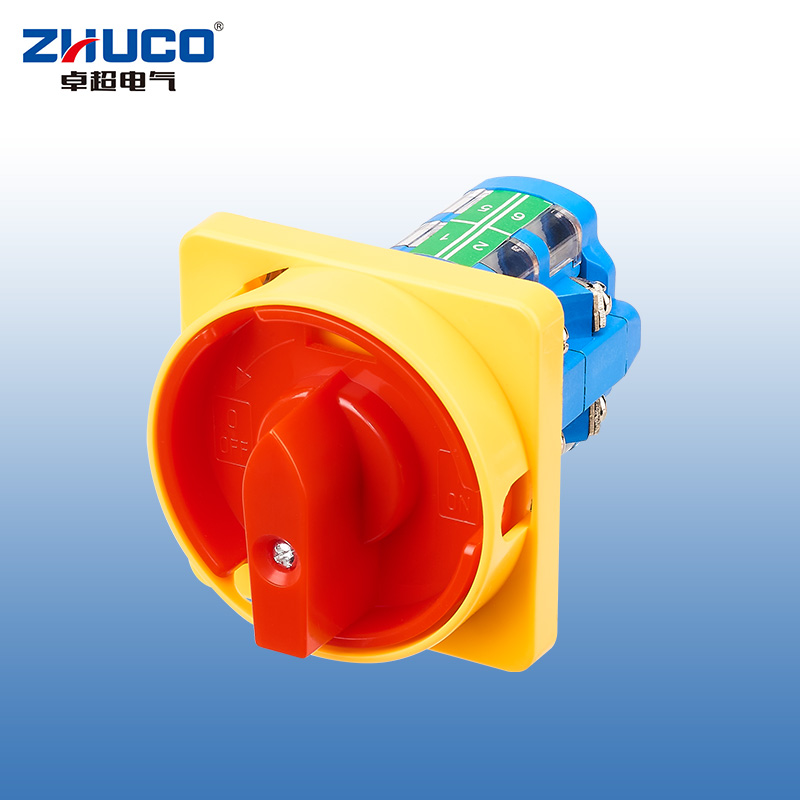
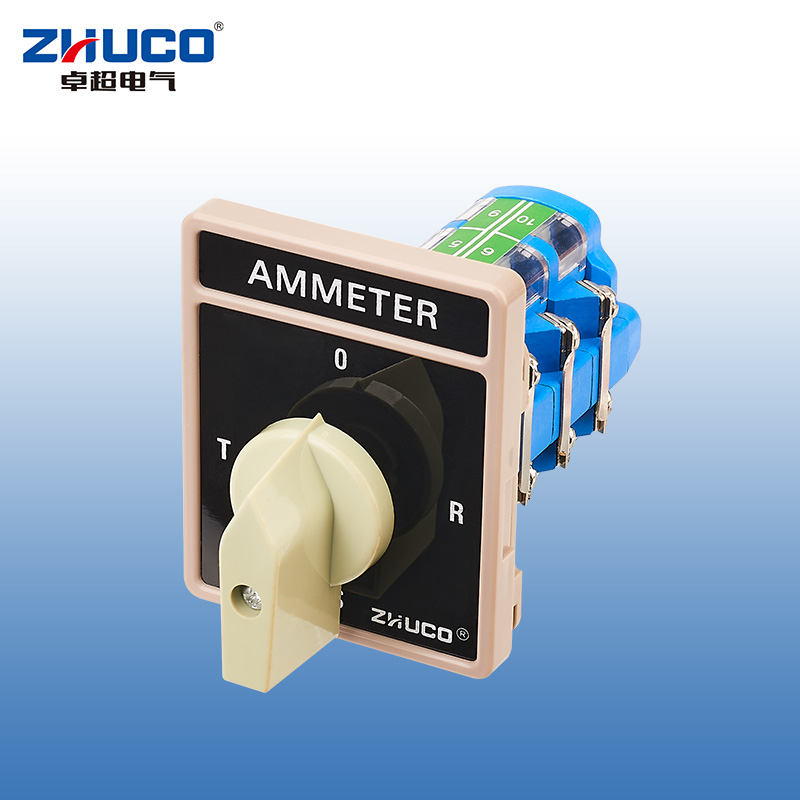
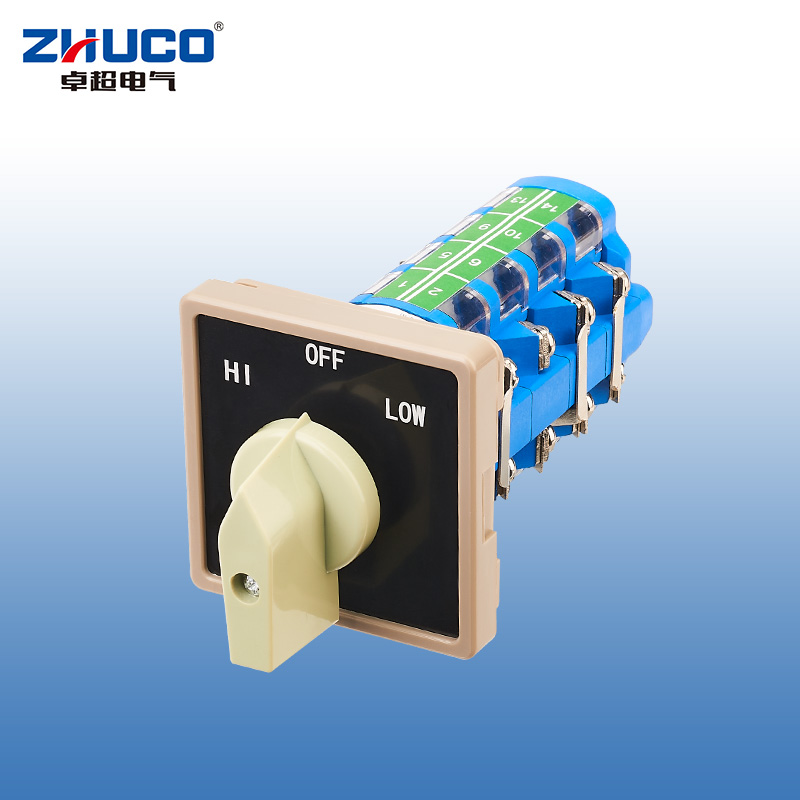
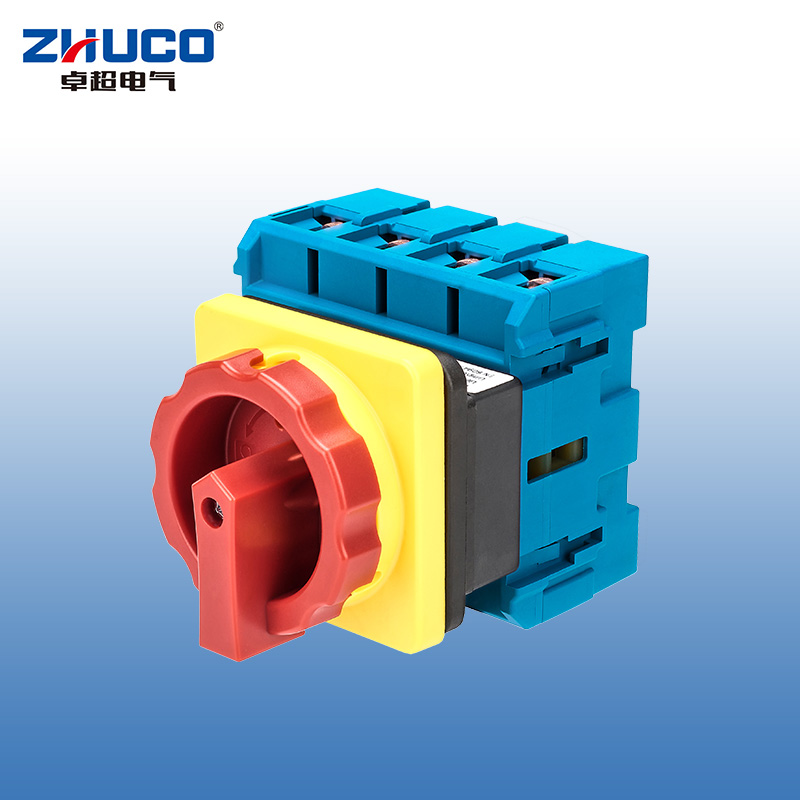
Basic Design and Function The core of a 4-pole load switch consists of four independent switching poles linked so they open or close togethe...
READ MORE
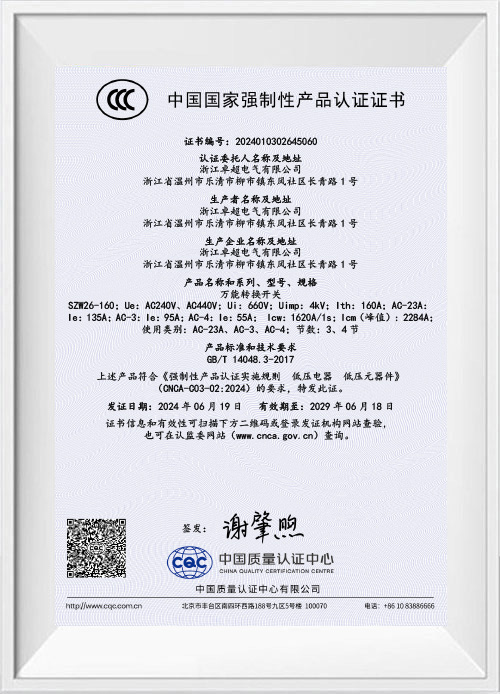
A power transfer switch is a control device used to switch between different power sources, commonly used for switching between the main power supply and a backup power supply. It typically features a multi-position design, clearly displaying the current power status and maintaining reliable contact during the switching process.
It is suitable for electrical circuits with AC 50Hz~60Hz, a rated operating current of 20A, a rated insulation voltage of 690V, and a rated operating voltage of ≤600V.
Product applications: Suitable for machine tools, industrial equipment, automation control systems, and power facilities, it can achieve power disconnection, voltage and current switching, and multi-stage power switching, meeting various circuit control needs.

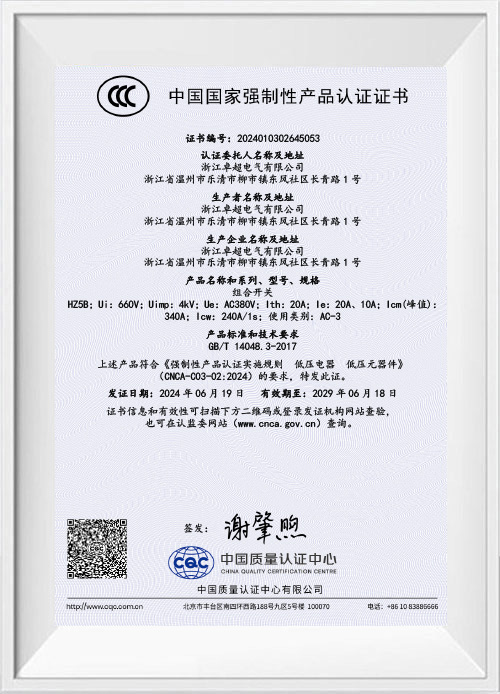
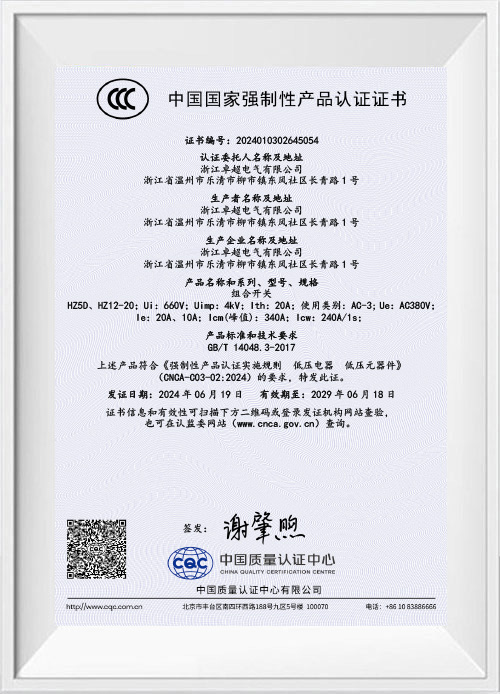
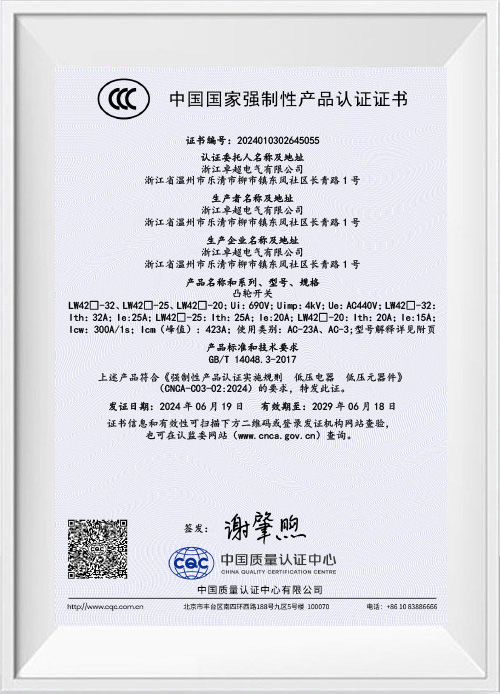
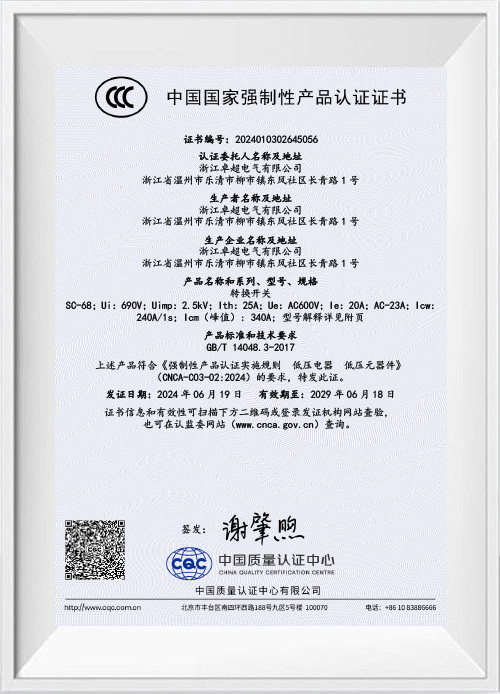
Basic Design and Function The core of a 4-pole load switch consists of four independent switching poles linked so they open or close togethe...
READ MORE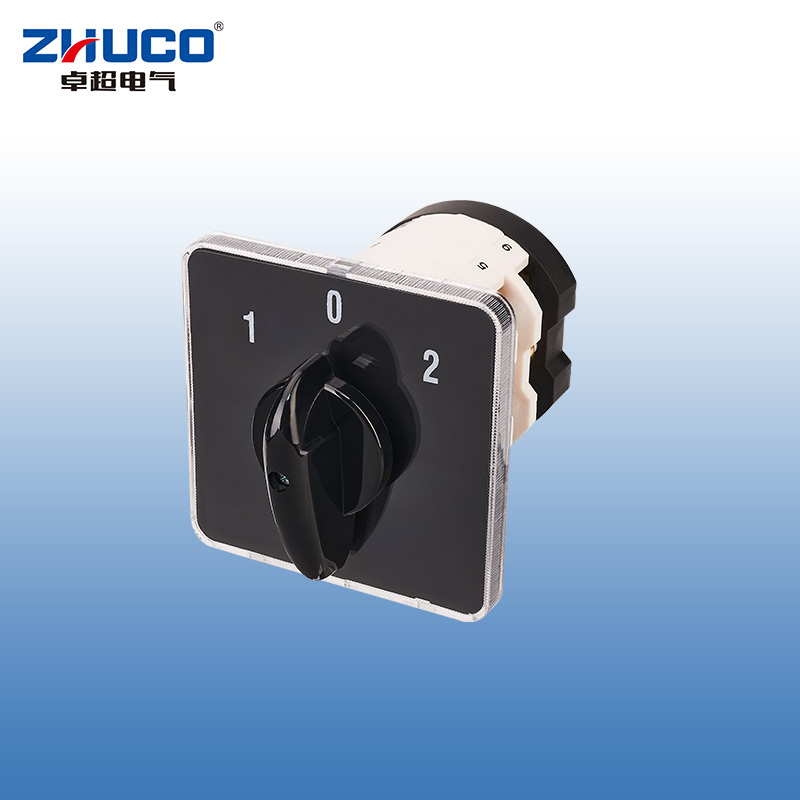
How The Switching Mechanism Works A Circuit Changeover Switch generally contains a movable contact mechanism that changes the connection bet...
READ MORE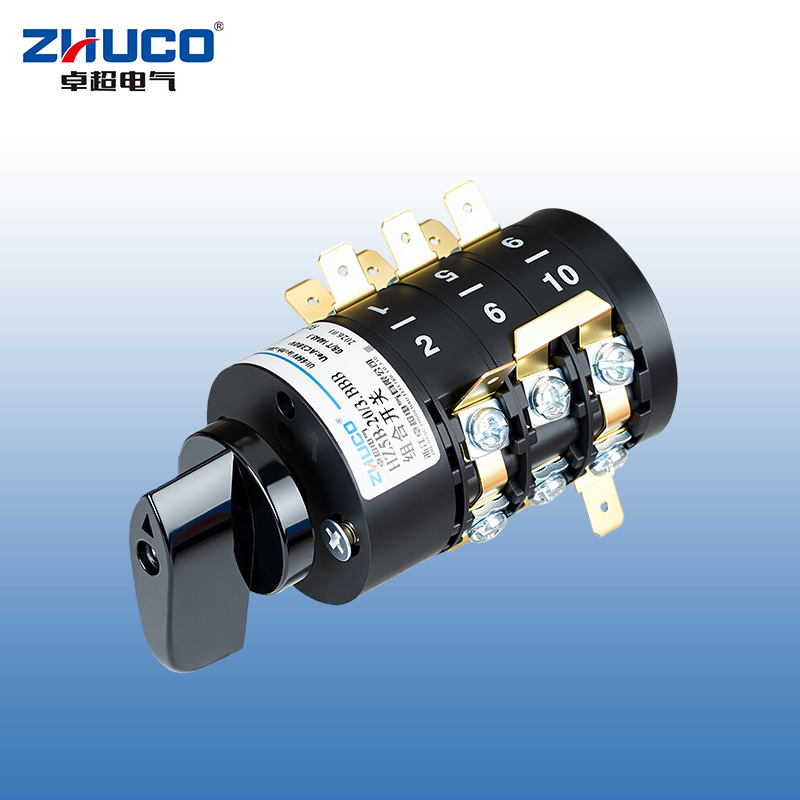
Electrical fitting suppliers have noticed a steady shift toward fixtures that do more within a single wall plate, and the combination switch...
READ MORE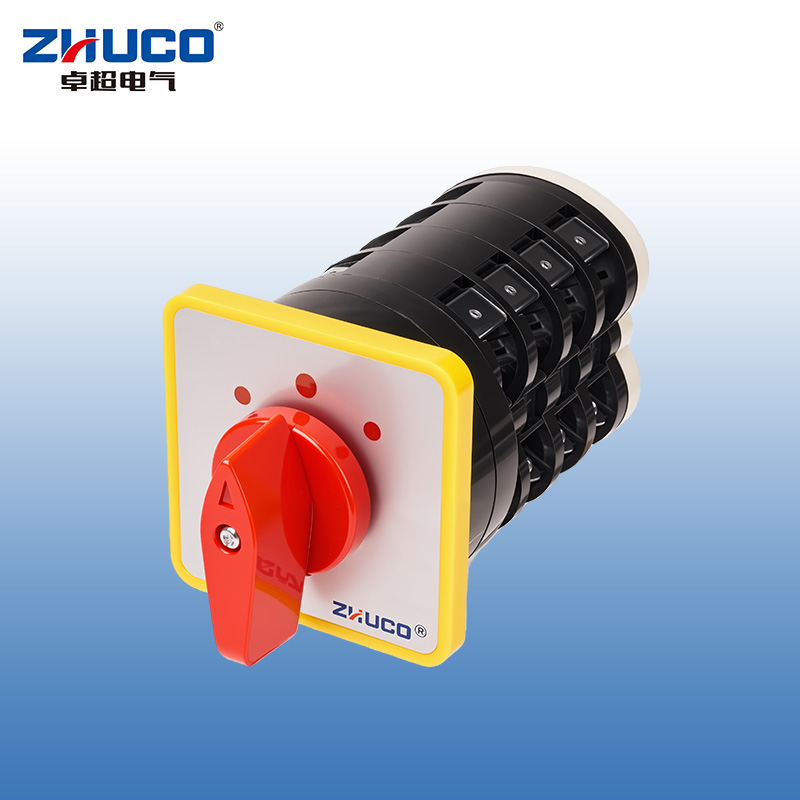
Electrical systems rely on countless small components to stay stable, and a voltage switch is one of the parts working quietly in the backgr...
READ MOREThe Power Transfer Switch plays an indispensable role in modern industrial systems. Whether in data centers, healthcare facilities, or heavy industrial production lines, the ability to perform stable and reliable power switching directly determines the continuity and safety of system operations.
Before proceeding to the selection phase, engineers typically need to evaluate on-site operating conditions across the following dimensions:
Among these factors, the setting of voltage detection thresholds for a Voltage Changeover Switch is particularly critical. If the undervoltage protection threshold is set too loosely, power grid quality may deteriorate without triggering a timely switchover; conversely, if set too tightly, normal voltage fluctuations may trigger unnecessary and frequent switching, subjecting the connected load equipment to undue stress.
Data Centers and Communication Rooms
These environments represent some of the more power-sensitive application scenarios. During the transfer process between main and backup power sources, even a millisecond-level power interruption can result in server restarts or data loss. Engineering configurations in these settings typically employ Static Transfer Switches (STS), integrated with UPS systems to establish a multi-layered redundancy protection scheme. Key considerations include:
In settings involving large motors, compressors, hoisting equipment, and similar machinery, the application of Current Changeover Switches is particularly prevalent. Since the instantaneous starting current of a motor can reach 5 to 7 times its rated value, protection settings must distinguish between normal starting currents and actual fault currents to prevent nuisance tripping. Common configuration strategies include:
Areas such as operating rooms and Intensive Care Units (ICUs) adhere to strict hierarchical standards for power supply classification. In such applications, Voltage Changeover Switches must comply with specialized standards such as IEC 60364-7-710. Switching times are typically categorized into two tiers: the 0.5-second class (safety-critical) and the 15-second class (general-purpose), designed to synchronize precisely with the startup sequence of the generator set.
Problems identified during the on-site commissioning phase typically center on the following points:
The Direction of Intelligent Evolution
The new generation of products currently available on the market has deeply integrated traditional electrical functions with digital management capabilities:
While Circuit Changeover Switches, Voltage Changeover Switches, and Current Changeover Switches each have distinct priorities in their path toward intelligent upgrades, they share a common trend: transforming isolated electrical switching nodes into observable, manageable, and traceable system components. This evolution drives the transition of power distribution operations and maintenance from a reactive response model to a proactive prevention model.
A sound life cycle management strategy serves as the ultimate line of defense for ensuring the long-term, stable operation of power conversion systems.