


 English
 русский
 Español
 Deutsch
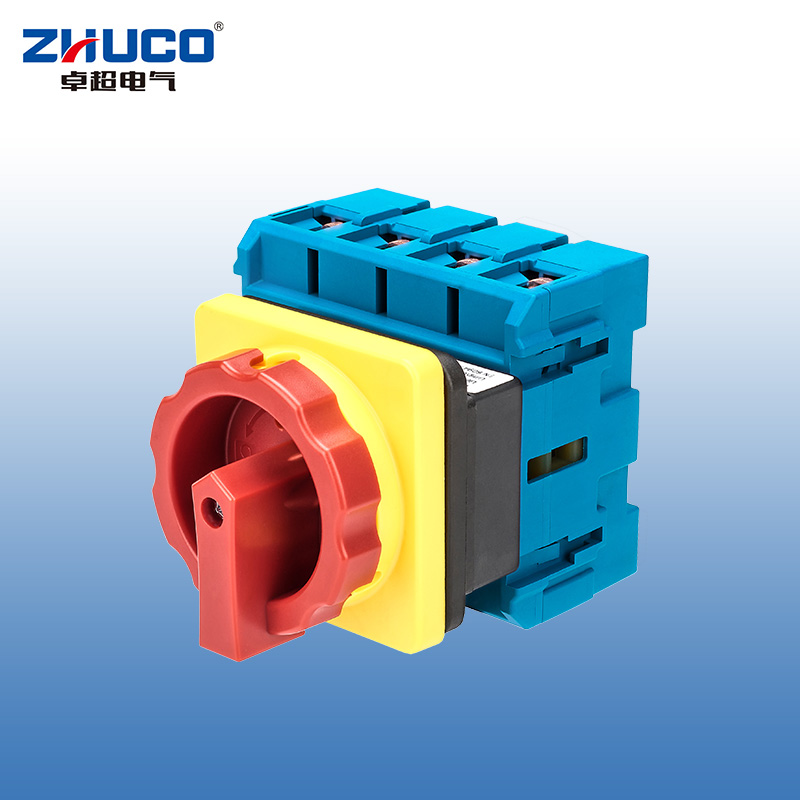
Basic Design and Function The core of a 4-pole load switch consists of four independent switching poles linked so they open or close togethe...
READ MORE
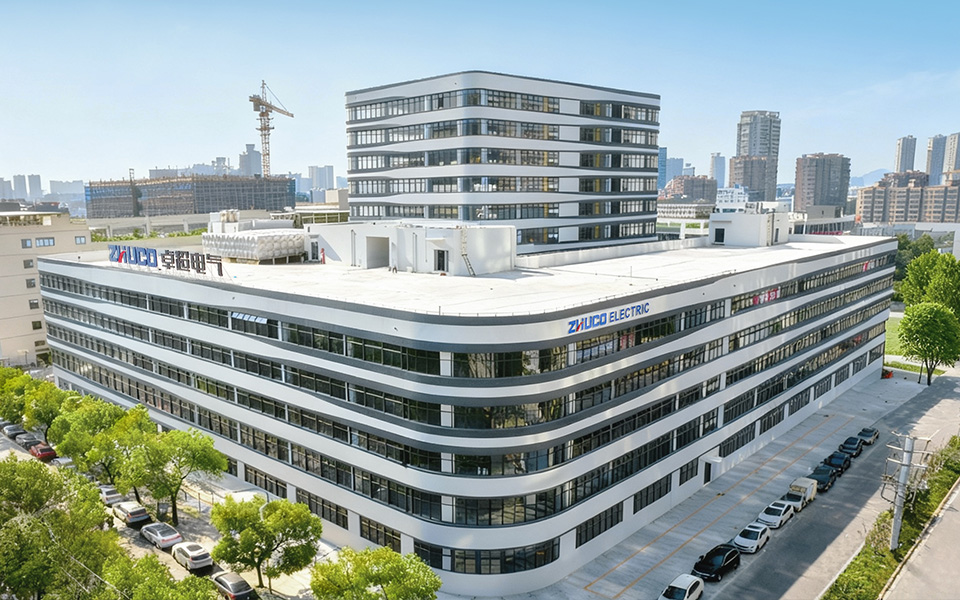

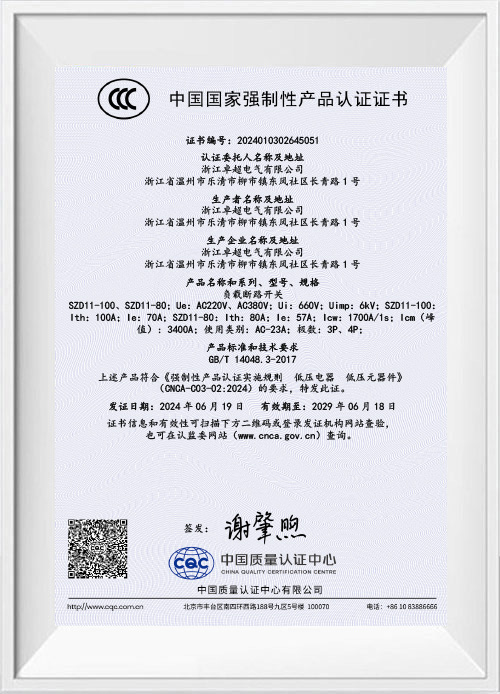
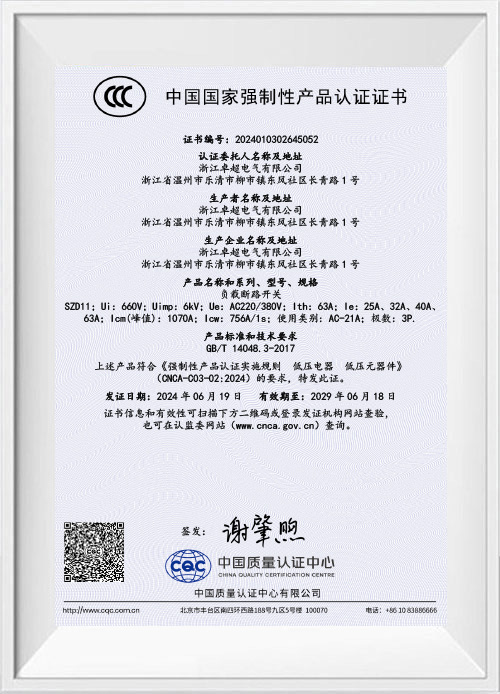
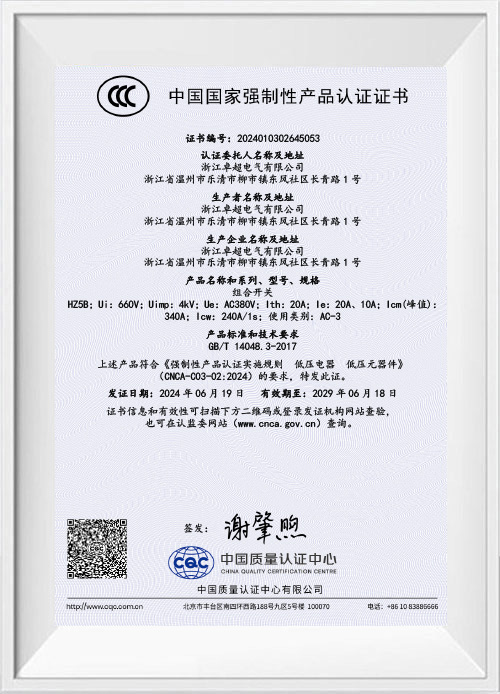
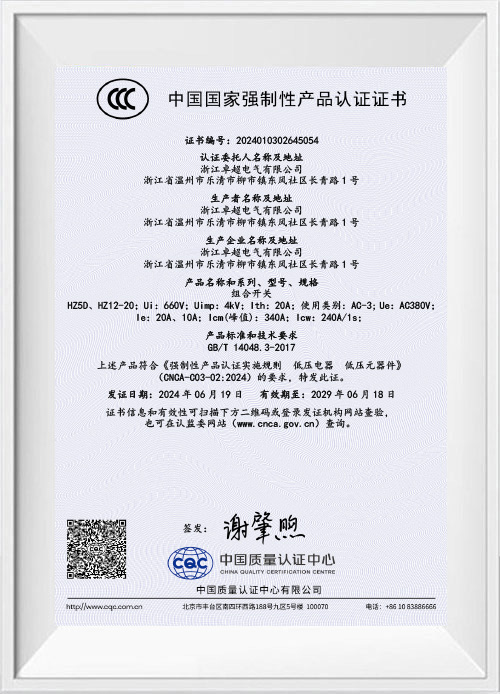
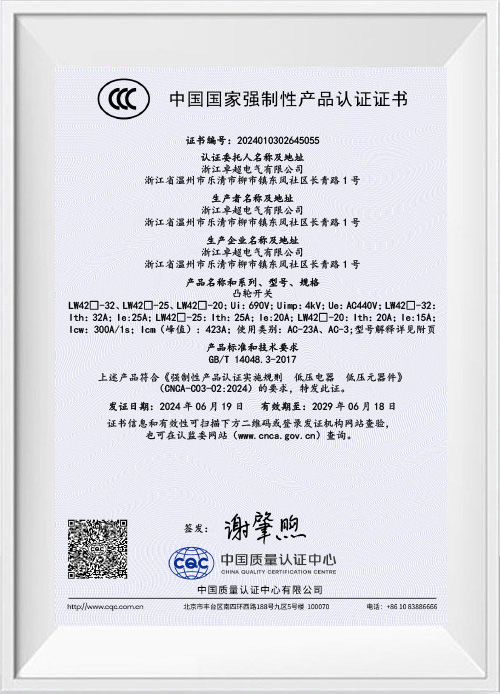
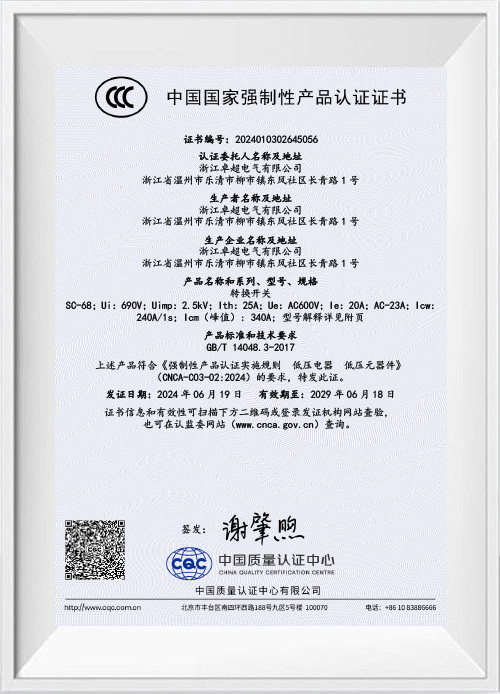
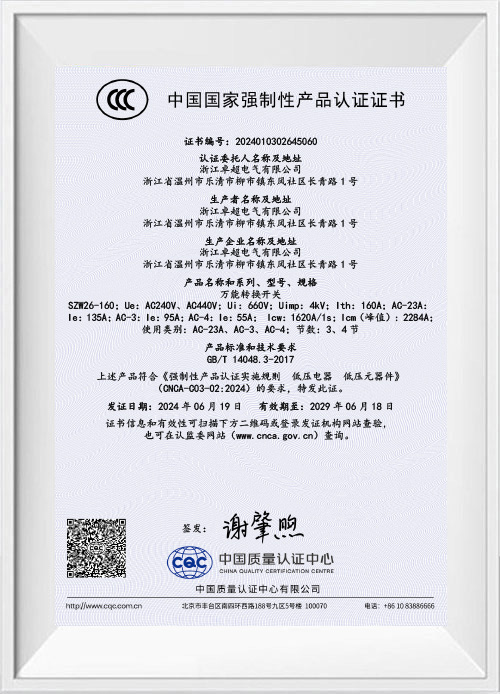
Basic Design and Function The core of a 4-pole load switch consists of four independent switching poles linked so they open or close togethe...
READ MORE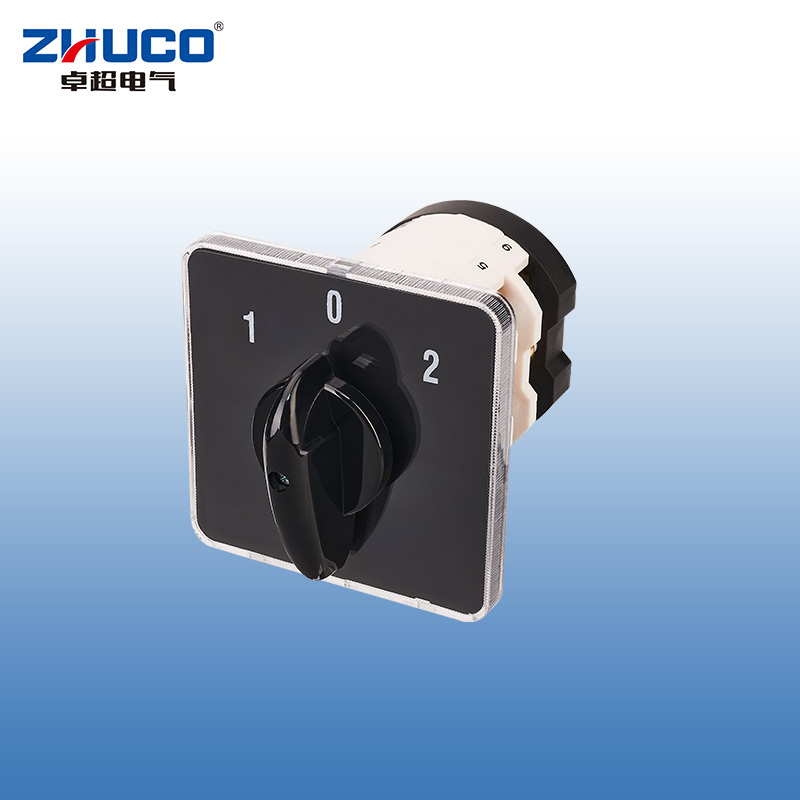
How The Switching Mechanism Works A Circuit Changeover Switch generally contains a movable contact mechanism that changes the connection bet...
READ MORE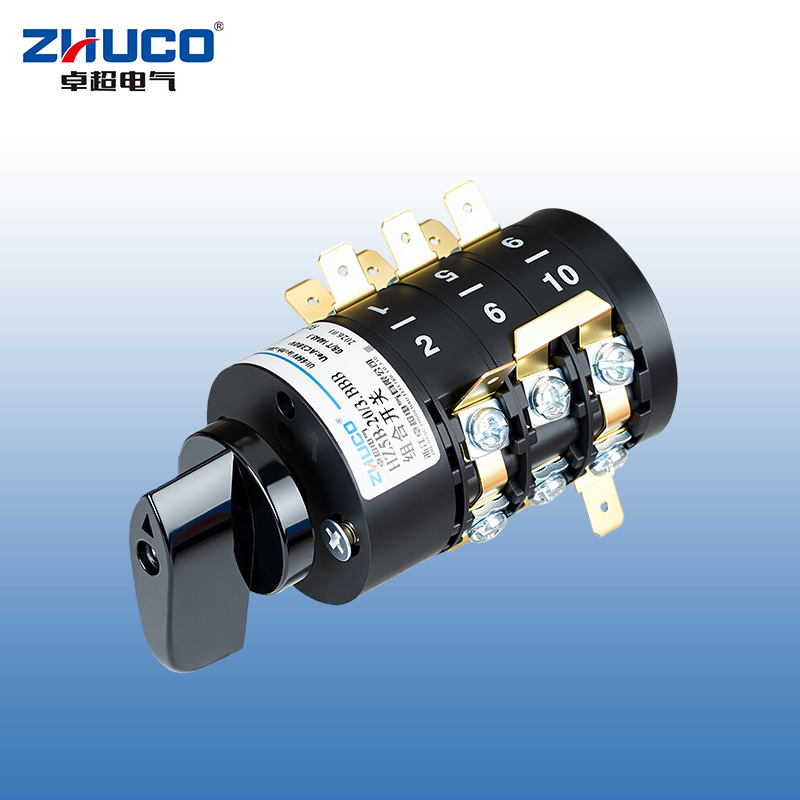
Electrical fitting suppliers have noticed a steady shift toward fixtures that do more within a single wall plate, and the combination switch...
READ MORE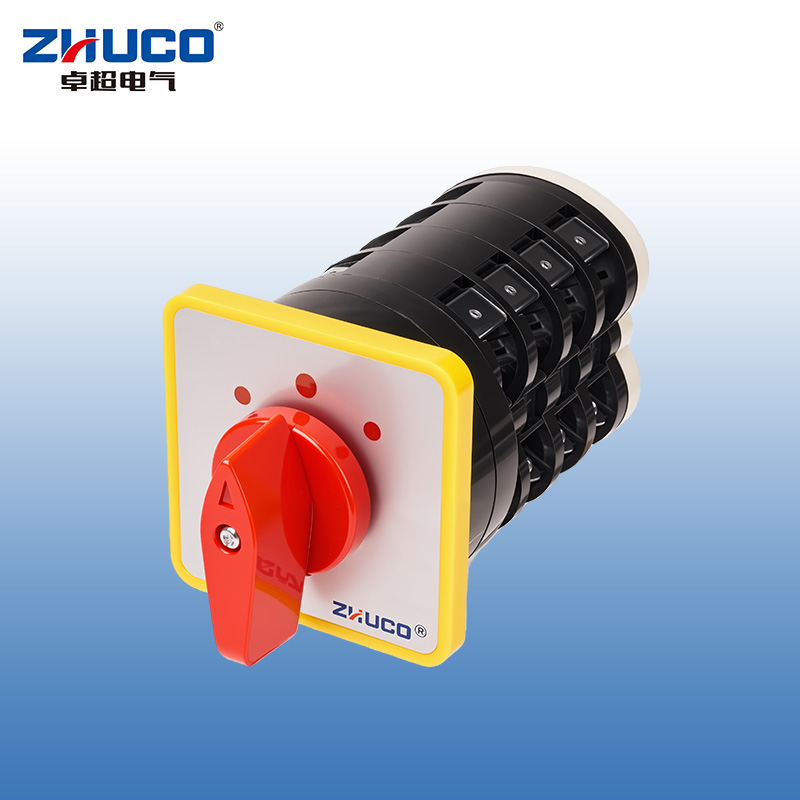
Electrical systems rely on countless small components to stay stable, and a voltage switch is one of the parts working quietly in the backgr...
READ MOREA Terminal Block Lighting Connector is a modular connecting device designed for electrical connections within lighting systems. Its core function is to facilitate safe, stable, and rapid connections between power supply lines, luminaire wiring, and control circuits. These products are widely utilized in industrial, commercial, and smart lighting systems, serving as one of the indispensable foundational components in modern electrical installations.
From a structural perspective, the product typically consists of three main components: an insulating housing, conductive metal elements, and a wire-clamping mechanism. The insulating housing provides safety protection and mechanical support; the conductive metal elements are responsible for current transmission; and the wire-clamping mechanism serves to secure the conductors and ensure contact stability. The entire connection process requires no soldering, thereby significantly reducing installation complexity while simultaneously enhancing the reliability of electrical connections and the ease of maintenance.
Lighting terminal block connectors can be categorized into a systematic classification system based on their structural form, application scenarios, and electrical specifications.
1. Classification by Structural Form
Structural form is a pivotal factor influencing the method of terminal connection and installation efficiency; different structures are suited to different installation environments.
(1) Screw Terminal Block
Screw terminals secure conductors by mechanically tightening a screw, thereby establishing stable contact between the conductor and the conductive metal strip.
Extended Description of Features:
The primary advantage of this structure lies in its high connection strength, making it suitable for electrical environments requiring long-term, stable operation. Furthermore, it accommodates a wide range of wire sizes, offering compatibility with cables of varying diameters. However, because it requires the use of tools—such as a screwdriver—for tightening, its installation efficiency is relatively lower compared to other types.
Application Scenarios:
(2) Spring Clamp Terminal
Spring clamp terminals utilize a built-in spring mechanism to provide continuous clamping force, automatically maintaining contact between the conductor and the terminal.
Extended Description of Features:
This structure offers distinct advantages in terms of installation; installers can complete wiring operations without the need for tools, thereby significantly boosting installation efficiency. Additionally, the spring mechanism effectively resists loosening caused by vibration, resulting in more stable performance in dynamic environments.
Application Scenarios:
(3) Plug-in Terminals
Plug-in terminals establish electrical connections through a plug-and-socket structure, representing a highly modular design solution.
Expanded Features:
This type of terminal supports rapid assembly/disassembly and module replacement, making it particularly suitable for lighting systems that require frequent maintenance or upgrades. In system design, they are typically paired with standardized interfaces to enable the flexible expansion of the overall lighting network.
Application Scenarios:
2. Classification by Application
Lighting wiring terminals and connectors can be categorized into various application classes based on their operating environment.
(1) Industrial Lighting Terminals
Industrial environments impose extremely stringent requirements on the stability of electrical equipment; consequently, industrial lighting terminals typically feature higher current-carrying capacities and good vibration resistance. They are commonly utilized in factories, production workshops, and large-scale manufacturing facilities.
(2) Commercial Lighting Terminals
Commercial lighting systems prioritize aesthetics and ease of maintenance; therefore, terminals in this category are typically designed with a compact profile to facilitate concealed installation. They are widely deployed in shopping malls, office buildings, and public structures.
(3) Outdoor Lighting Terminals
Outdoor environments are characterized by high humidity, significant temperature fluctuations, and exposure to ultraviolet (UV) radiation. As a result, outdoor terminals typically possess an ingress protection (IP) rating of IP65—or even IP67—to ensure long-term, stable operation.
3. Classification by Electrical Specifications
Electrical specifications determine the applicable power range of a terminal and serve as a critical basis for product selection.
1. Analysis of Conductive Materials
The choice of conductive material directly impacts the electrical performance and service life of a connector.
In industrial lighting applications, tin-plated copper is typically the preferred choice to enhance corrosion resistance.
2. Analysis of Insulating Materials
Insulating materials determine a product's safety rating and its ability to adapt to various environmental conditions.
These materials typically must meet the UL94 V0 flame-retardancy standard to ensure that they do not pose a fire risk in the event of high temperatures or short circuits.
3. Analysis of Protection Design
In industrial lighting environments, protective performance is particularly critical.
Lighting terminal connectors typically need to meet the following protection requirements:
Together, these design features ensure the long-term, reliable operation of the product in complex environments.
1. Industrial Manufacturing Workshops
In industrial production environments, lighting systems are typically installed at high elevations or within large-scale factory buildings. In such scenarios, Industrial Lighting Terminal Connectors are primarily used to connect high-bay lights, linear fixtures, and equipment lighting systems.
Their key advantages include:
2. Warehousing and Logistics Centers
Warehouse lighting systems typically cover vast areas and involve complex wiring layouts; consequently, terminal connectors play a vital role in these settings.
In this scenario, key characteristics include:
3. Commercial Building Lighting
Commercial lighting emphasizes flexibility and aesthetics; common fixtures include downlights, panel lights, and LED strip lighting systems. The advantages of terminal connectors in this field include:
4. Outdoor and Municipal Lighting
Outdoor lighting systems—including streetlights, tunnel lights, and public square lighting—require a high degree of environmental adaptability.
Applications in this category demand connectors that possess:
1. Installation Guidelines
During actual construction, proper installation techniques directly impact the safety and lifespan of the system:
Installation precautions:
2. Analysis of Common Faults
During long-term operation, the following issues may arise:
3. Maintenance and Care Recommendations
To ensure the long-term stability and reliable operation of the system, regular maintenance is essential: