


 English
 русский
 Español
 Deutsch
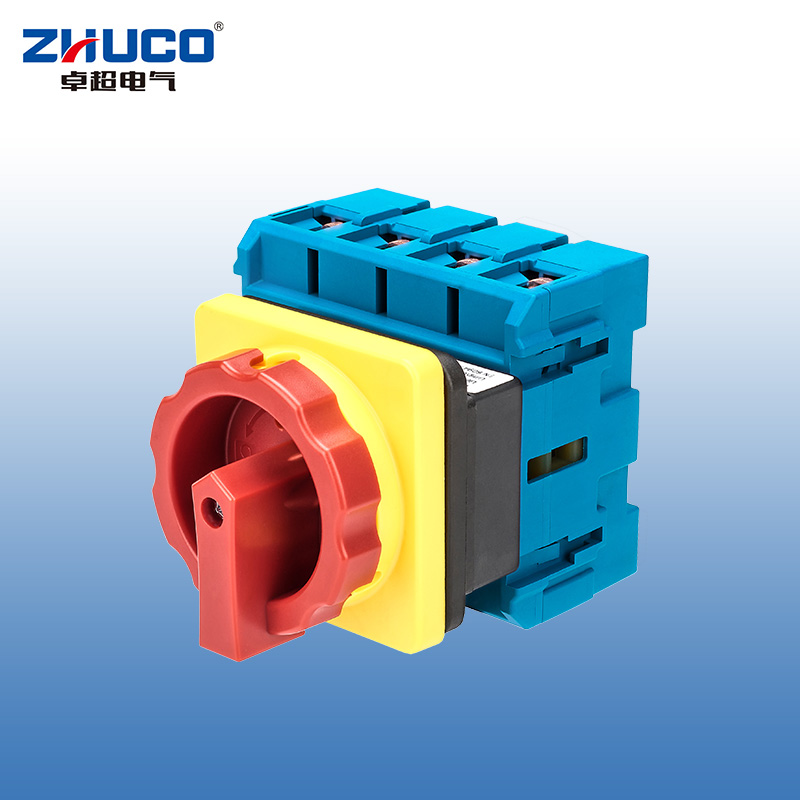
Basic Design and Function The core of a 4-pole load switch consists of four independent switching poles linked so they open or close togethe...
READ MORE

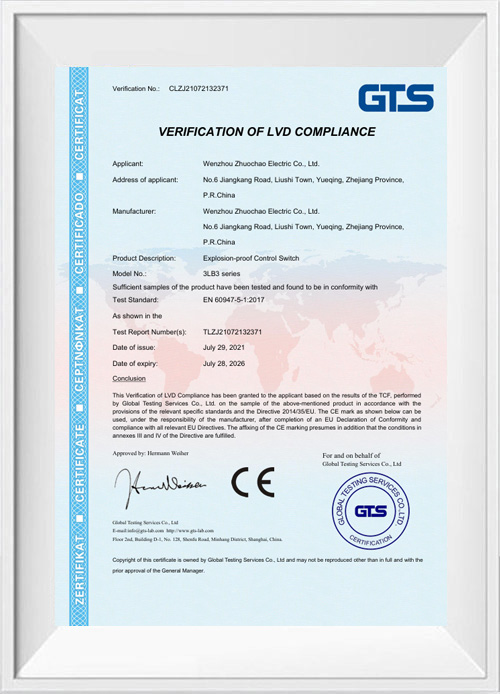
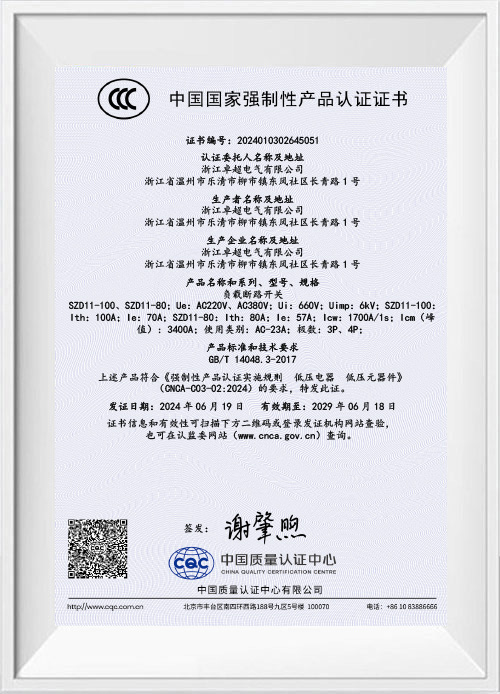
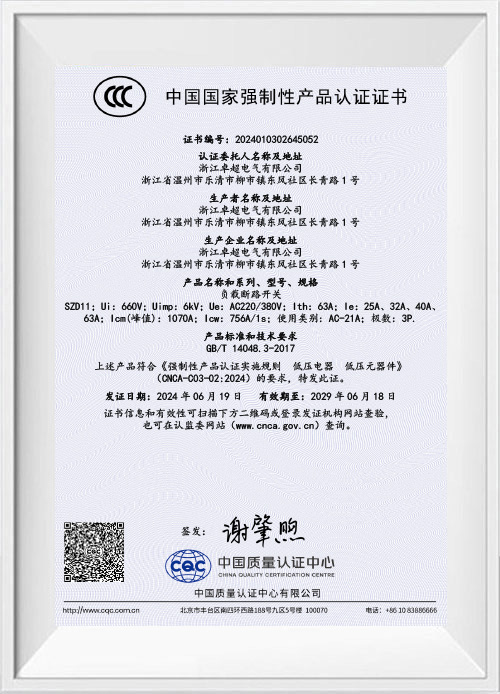
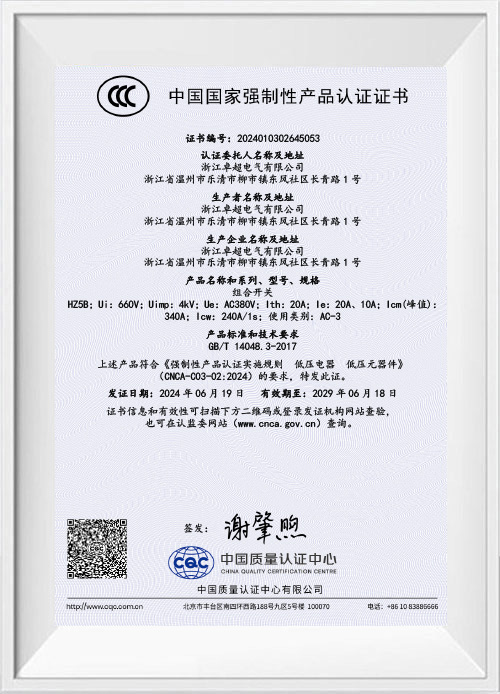
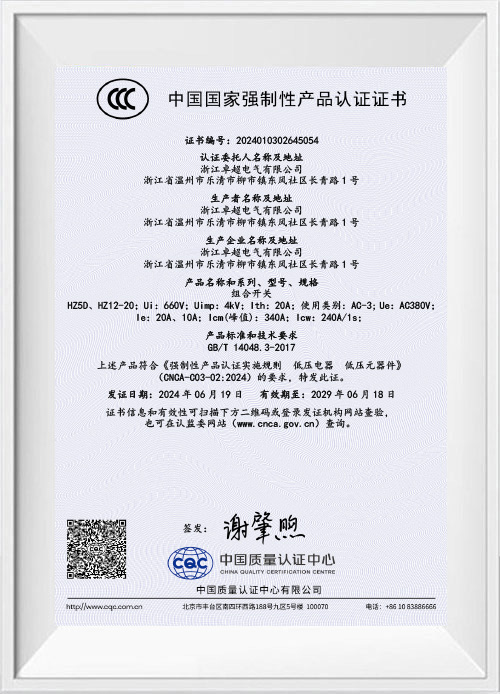
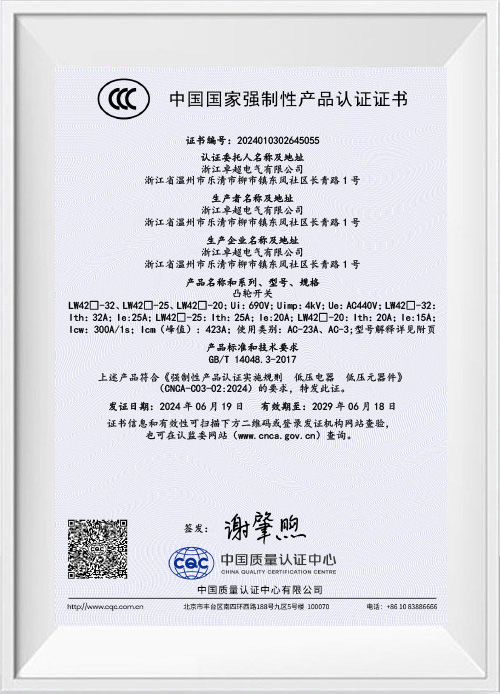
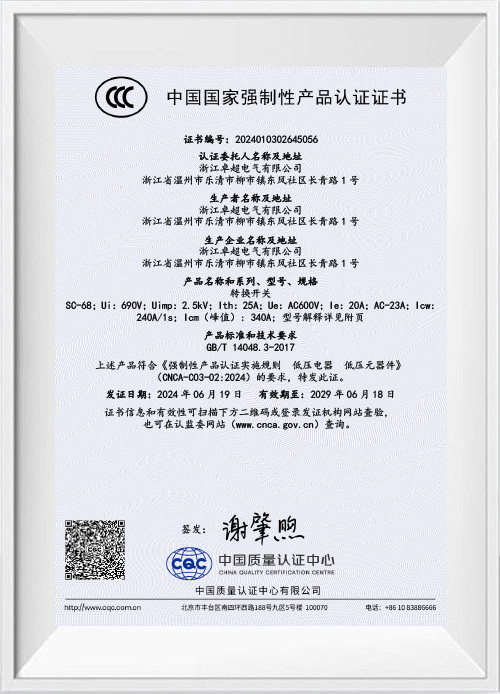
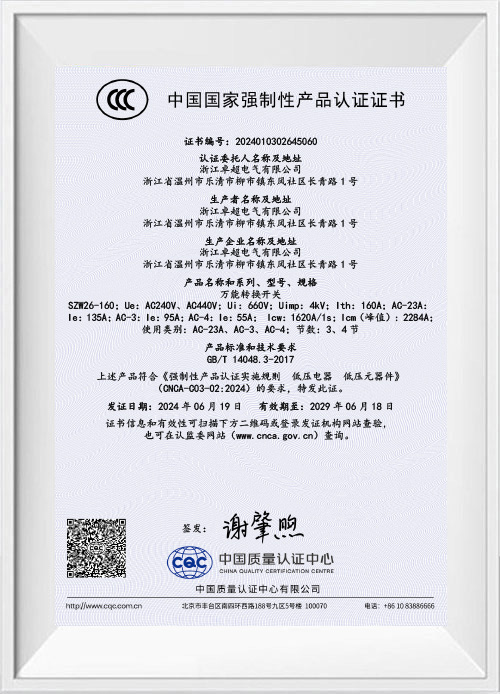
Basic Design and Function The core of a 4-pole load switch consists of four independent switching poles linked so they open or close togethe...
READ MORE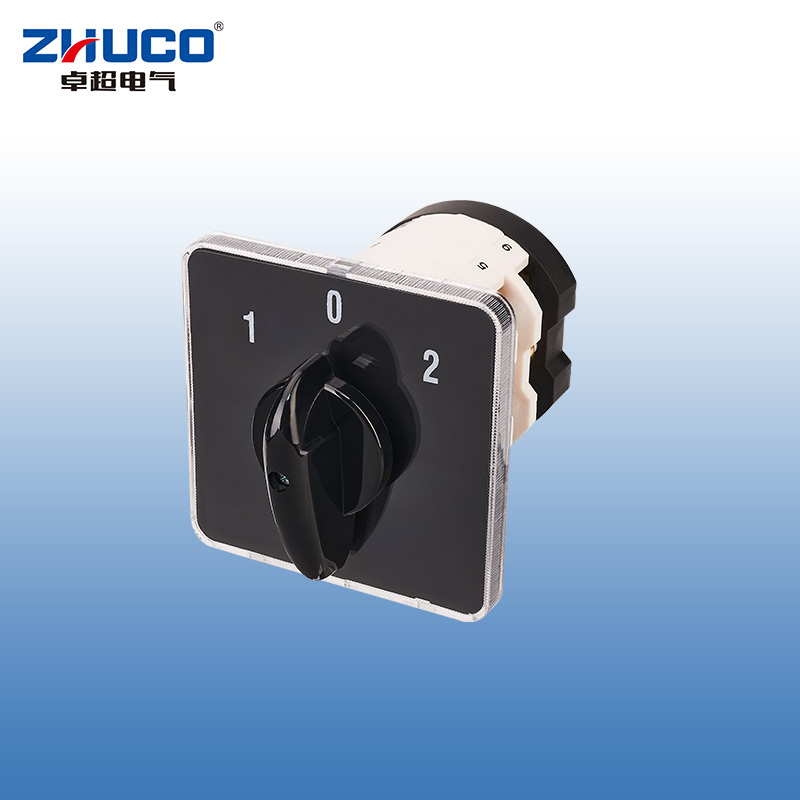
How The Switching Mechanism Works A Circuit Changeover Switch generally contains a movable contact mechanism that changes the connection bet...
READ MORE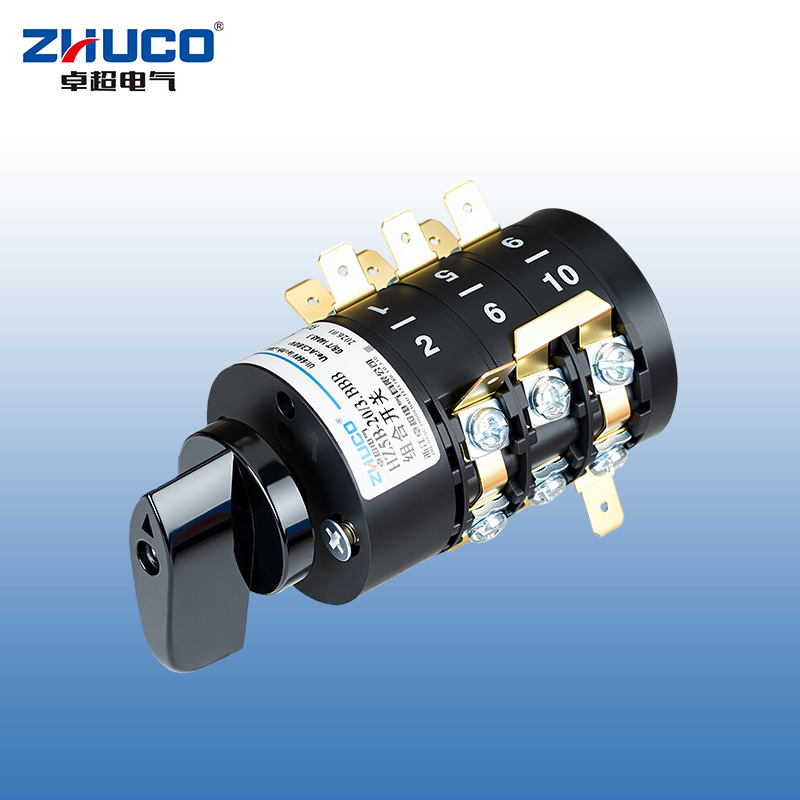
Electrical fitting suppliers have noticed a steady shift toward fixtures that do more within a single wall plate, and the combination switch...
READ MORE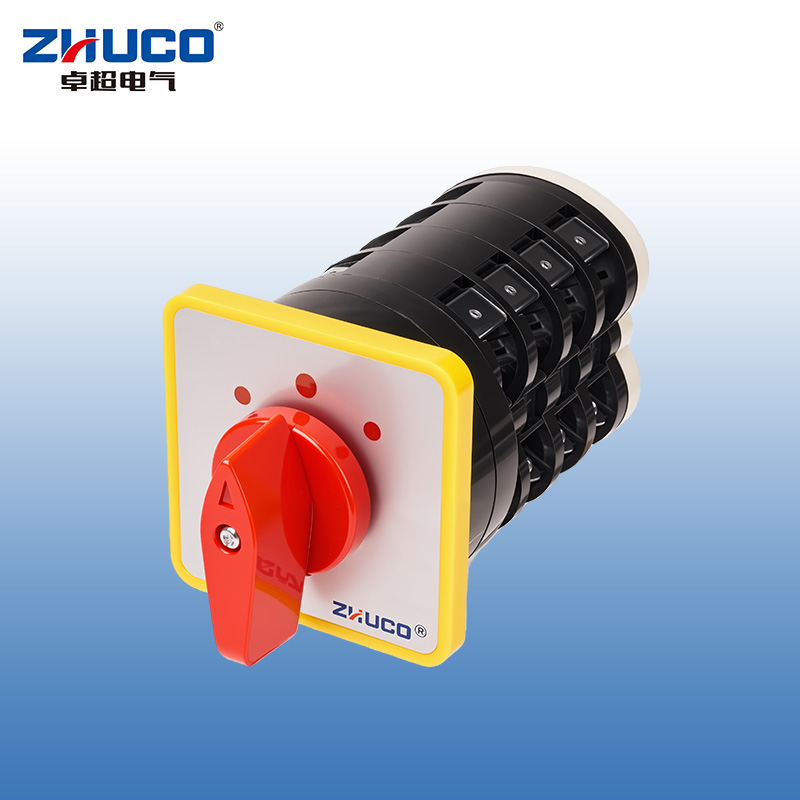
Electrical systems rely on countless small components to stay stable, and a voltage switch is one of the parts working quietly in the backgr...
READ MOREA Push-Button Switch is a fundamental electrical component that controls the opening and closing of a circuit through a pressing action. It is widely utilized in industrial control systems, household appliances, automated equipment, and human-machine interfaces. Its core value lies in providing a simple, intuitive, and reliable method of operation, enabling users to quickly execute control commands such as starting, stopping, and resetting.
A Push-Button Switch typically consists of the following core components:
Button Head (Actuator)
Contact System (Contacts)
Spring Mechanism
Housing and Mounting Structure
Its working principle is relatively simple: when the button is pressed, the state of the internal contacts changes, thereby altering the state of the circuit; upon release, the spring mechanism returns the button to its original position.
From an industry perspective, Push-Button Switches can be categorized based on various dimensions:
1. Classification by Operation Mode
Momentary Type (Self-Resetting)
Latching Type (Self-Locking)
2. Classification by Function
3. Classification by Appearance and Feedback
4. Classification by Electrical Application Characteristics
During the selection process, the performance parameters of an Electrical Push-Button Switch directly impact its reliability and service life:
Rated Voltage and Current
Determines the range of applicable circuits.
Mechanical Life
Typically ranges from hundreds of thousands to millions of operations.
Electrical Life
Closely correlated with the type of electrical load.
Contact Resistance
Affects signal stability.
Protection Rating (IP Rating)
Determines its adaptability to environmental conditions.
Furthermore, in industrial automation environments, attention must also be paid to resistance against vibration, shock, and electromagnetic interference.
Push-button switches find widespread application across numerous industries, with their functionality and design evolving to suit specific contexts:
Industrial Automation
Home Appliances
Transportation
Medical Equipment
| Type | Operation Characteristics | Typical Applications | Advantages | Limitations |
| Momentary (Self-Resetting) | Resets immediately upon release | Start/Stop Controls | Fast response, simple structure | Cannot maintain a latched state |
| Latching (Self-Locking) | Maintains state after being pressed | Power Switches | Intuitive operation | Slightly more complex structure |
| Illuminated | Integrated indicator light | Control Panels | Visual status indication | Higher cost |
| Emergency Stop | Single-press lock and power cut-off | Industrial Safety Systems | High safety level | Requires regular inspection and maintenance |
As equipment becomes increasingly intelligent, the design of push-button switches places growing emphasis on user experience and interaction logic:
1. Ergonomic Optimization
2. Visual and Tactile Feedback
3. Modular Design
As one of the more fundamental yet indispensable control components, the push-button switch plays a vital role in various electrical systems. From simple mechanical controls to intelligent interactive interfaces, its evolutionary path reflects the broader trends of technological advancement within the electrical industry.