


 English
 русский
 Español
 Deutsch
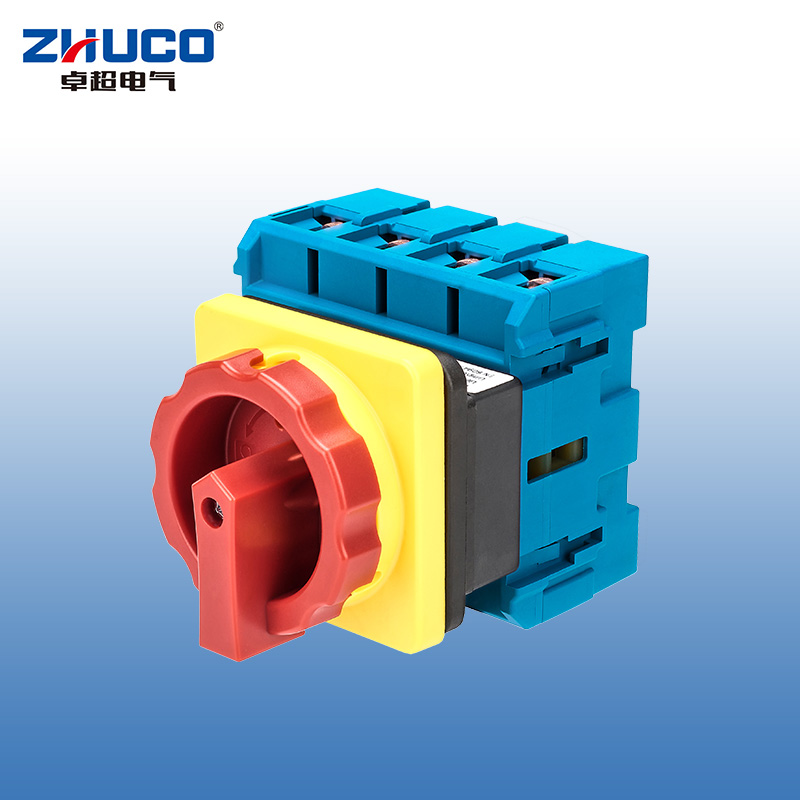
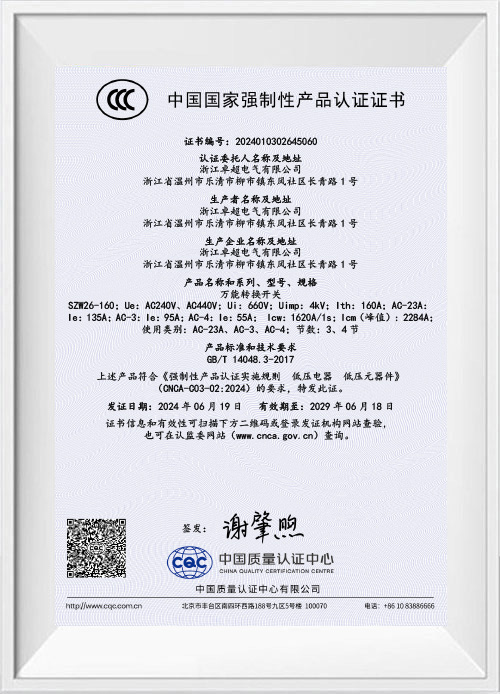
Basic Design and Function The core of a 4-pole load switch consists of four independent switching poles linked so they open or close togethe...
READ MORE

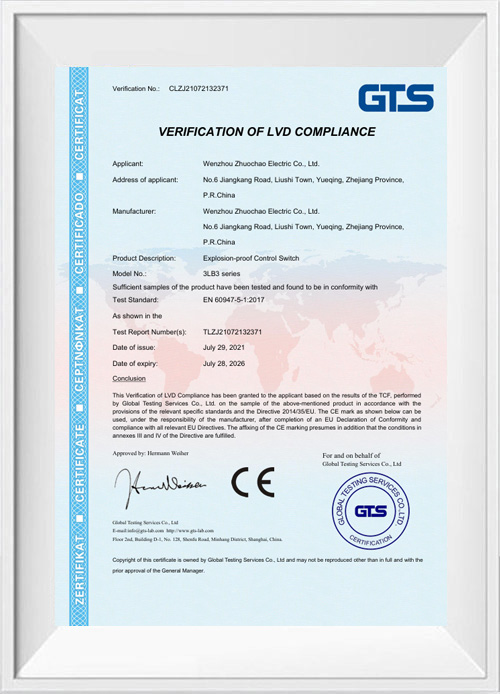
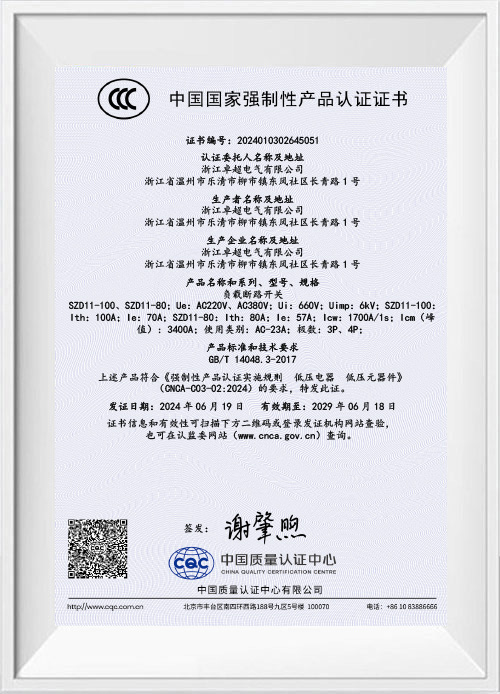
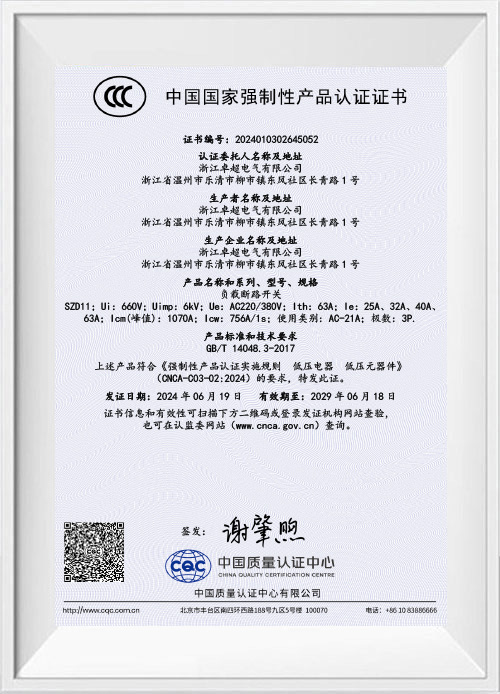
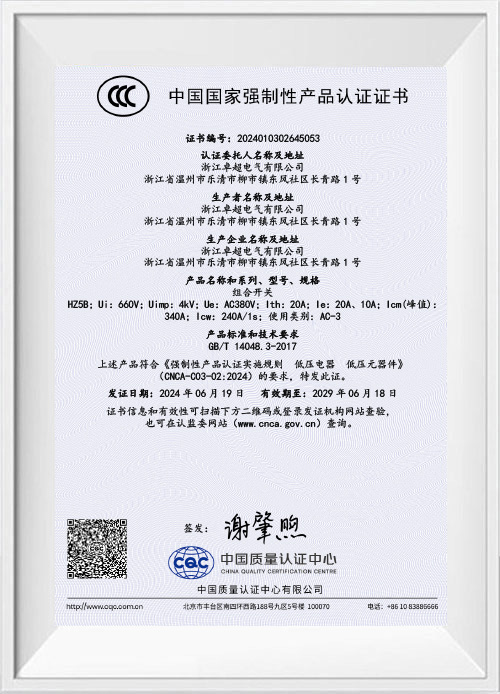
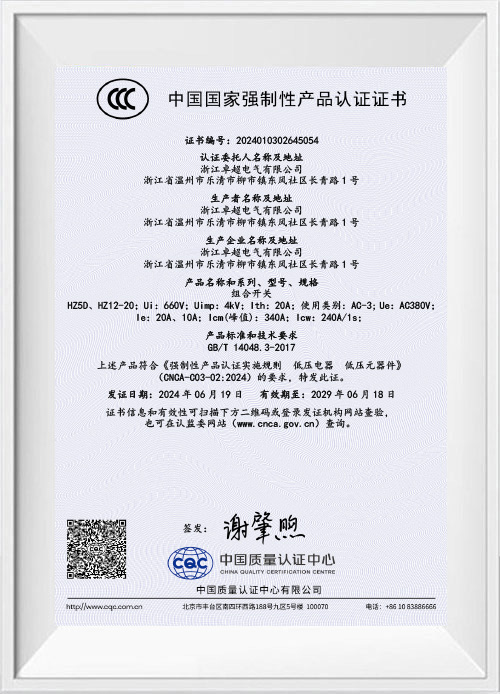
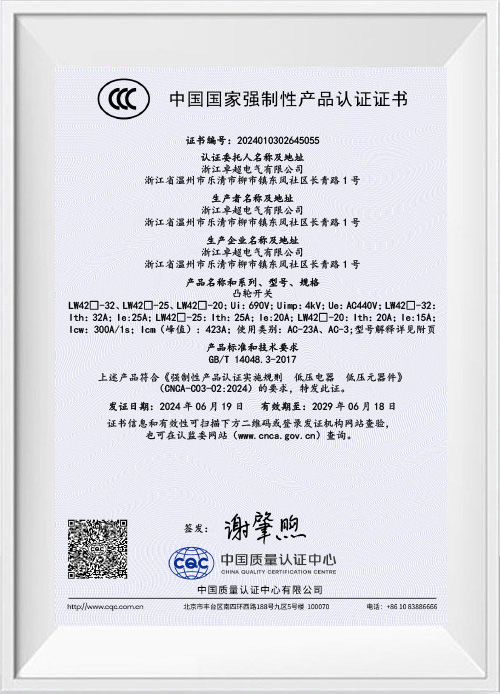
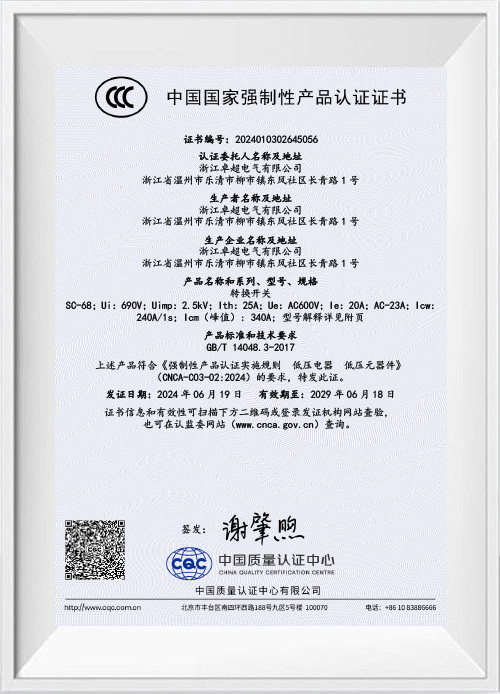
Basic Design and Function The core of a 4-pole load switch consists of four independent switching poles linked so they open or close togethe...
READ MORE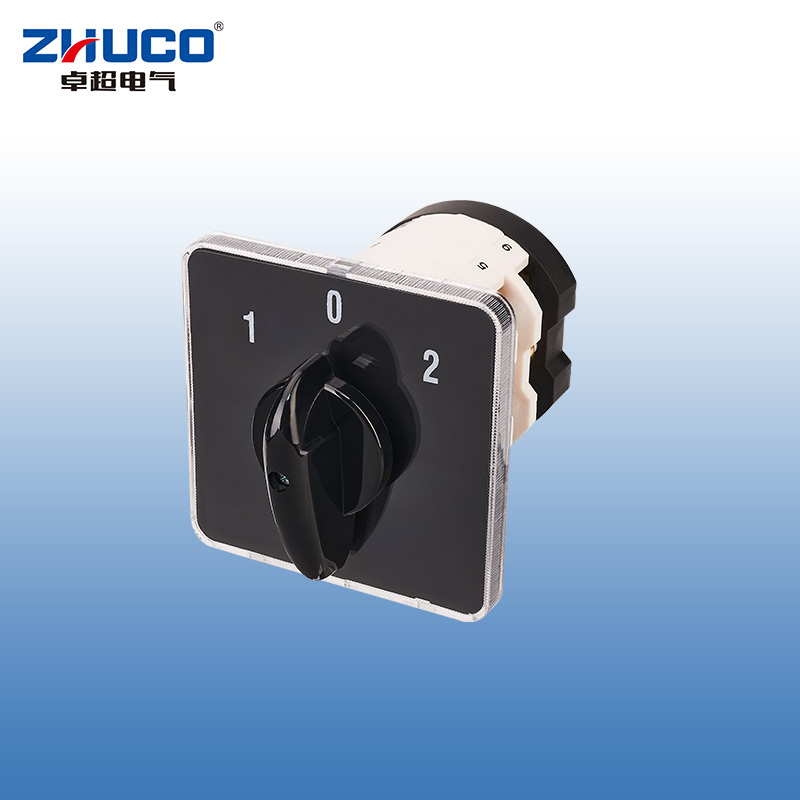
How The Switching Mechanism Works A Circuit Changeover Switch generally contains a movable contact mechanism that changes the connection bet...
READ MORE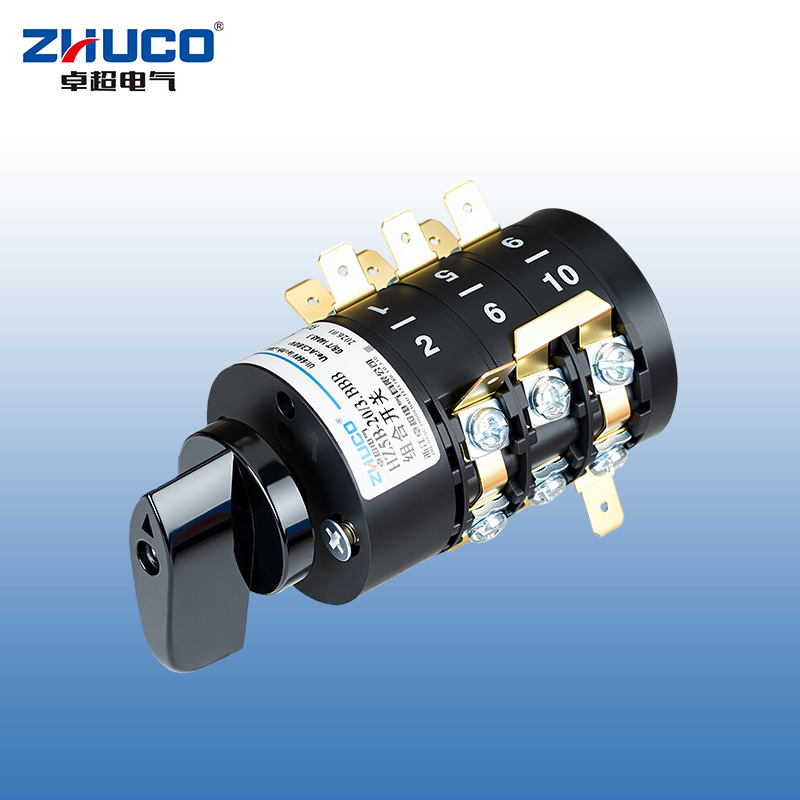
Electrical fitting suppliers have noticed a steady shift toward fixtures that do more within a single wall plate, and the combination switch...
READ MORE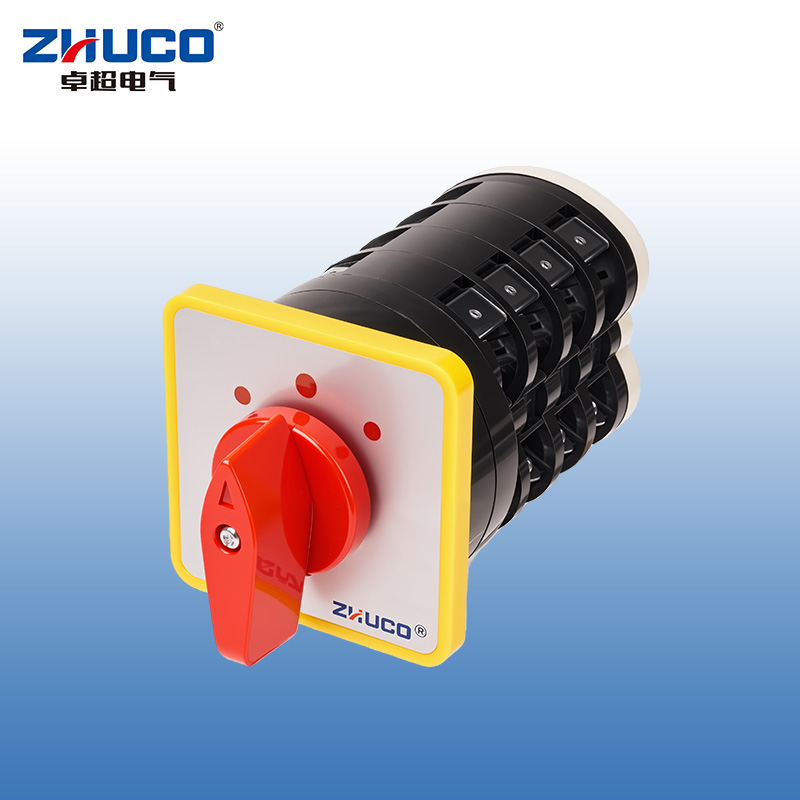
Electrical systems rely on countless small components to stay stable, and a voltage switch is one of the parts working quietly in the backgr...
READ MOREThe advent of the Enclosed Load Break Switch has fundamentally transformed this landscape. By deeply integrating the load break switch mechanism with its protective enclosure into a single, unified product, power distribution control capabilities have been extended to meet operational demands at any required node—whether outdoors, in industrial settings, or even within extreme climatic environments.
This extension is not merely a matter of retrofitting a switch with an external housing; rather, it incorporates protection requirements into the very core of the product's design logic. This approach ensures a systematically coordinated and optimized balance between the enclosure's ingress protection rating, internal thermal management design, selection of sealing materials, and the electrical performance of the switch itself.
The Weatherproof Load Break Switch is engineered with the primary objective of withstanding all outdoor climatic conditions. Its protective system must simultaneously address environmental threats originating from multiple dimensions; the coordinated design across these various dimensions ultimately determines the product's overall protective efficacy under actual operating conditions.
Equipment installed outdoors must maintain full operational capability across a wide range of extreme temperatures. In low-temperature environments, increased grease viscosity can heighten resistance within the operating mechanism, while the hardening of sealing materials may compromise their compression and elastic recovery properties. Conversely, in high-temperature environments, the current-carrying capacity of the contacts must be appropriately derated, and internal temperature rise within the enclosure must be maintained within permissible limits through effective thermal design. The standard operating temperature range for a Weatherproof Load Break Switch typically spans from -40°C to +70°C; for installations in extremely cold regions, specialized products with specific low-temperature certifications are required.
Non-metallic enclosure components subjected to prolonged exposure to solar radiation outdoors face the persistent threat of degradation caused by ultraviolet (UV) light. Glass Fiber Reinforced Polyester (SMC) and stainless steel are the two more commonly utilized materials for Weatherproof Load Break Switch enclosures; the former offers good electrical insulation and weather resistance, while the latter provides distinct advantages in terms of mechanical strength and corrosion resistance.
Enclosed Load Break Switches deployed outdoors face unique challenges regarding operational safety design—challenges distinct from those encountered by indoor equipment. When performing switching operations (opening or closing the circuit) in an outdoor environment, operators must simultaneously contend with two categories of risk: environmental disturbances and personal safety hazards. Key Design Elements for Operational Safety:
The integration of remote control capabilities creates the necessary conditions for the deep integration of Enclosed Load Break Switches into distribution automation systems. By integrating fault indicators, load monitoring modules, and communication terminals, the Weatherproof Load Break Switch can be upgraded into an "intelligent sectionalizing switch" capable of status sensing and remote control, serving as a fundamental nodal component within feeder automation systems.
The outdoor installation of enclosed load break switches must adhere to specific standards distinct from those applicable to indoor equipment:
Long-Term Maintenance Phase: A regular inspection regimen tailored to the outdoor environment must be established: A quarterly visual inspection should be conducted to check the enclosure's sealing integrity, grounding connections, and any signs of external corrosion. Annual specialized testing of insulation resistance and the operating mechanism is also required. Furthermore, during typhoon seasons or following extreme weather events, the frequency of temporary inspections must be increased to verify that the equipment has not sustained damage as a result of severe climatic conditions.