


 English
 русский
 Español
 Deutsch
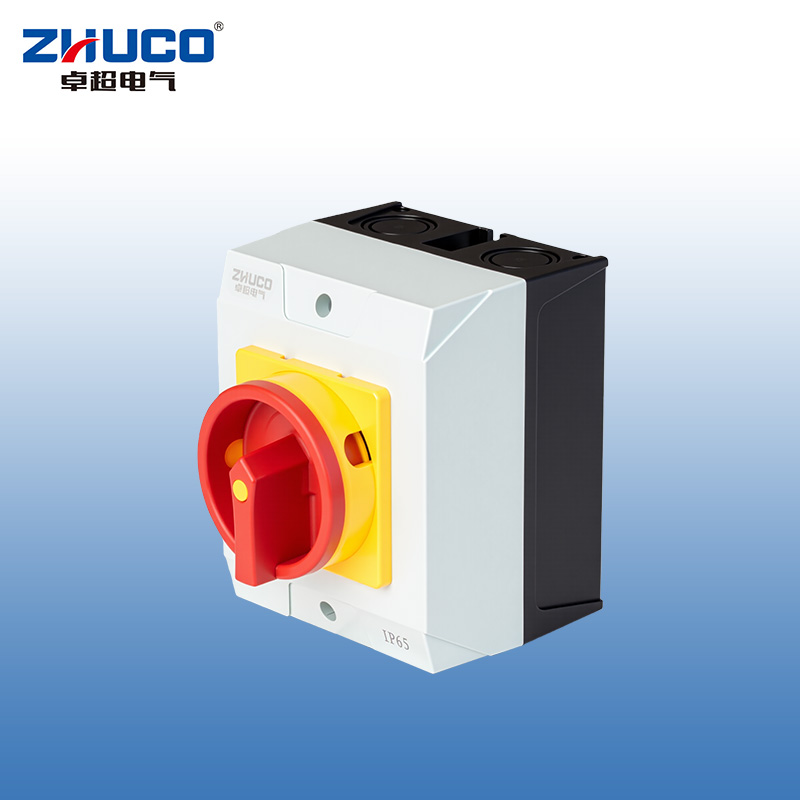
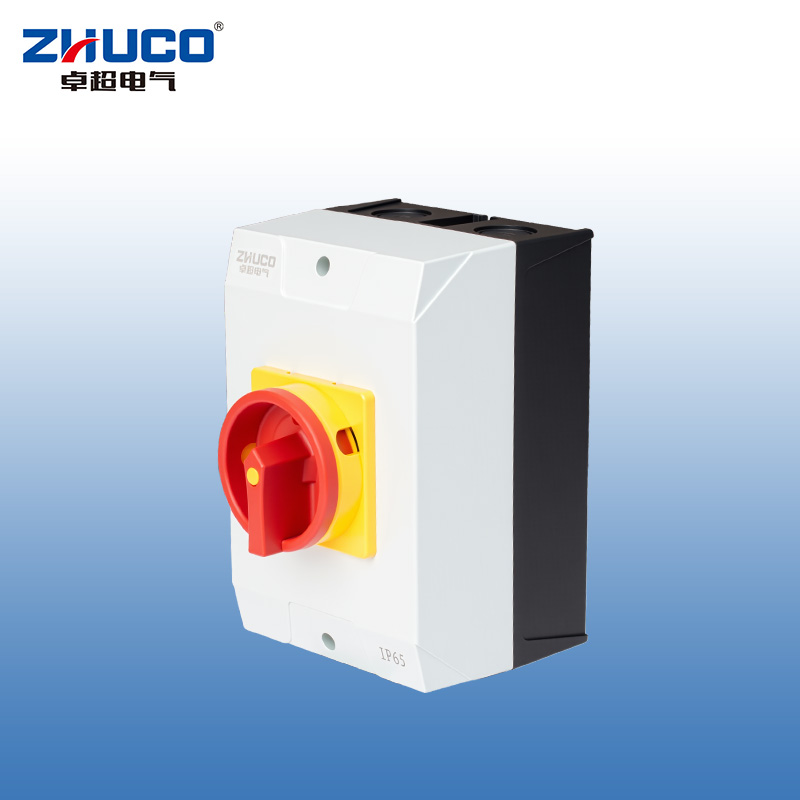
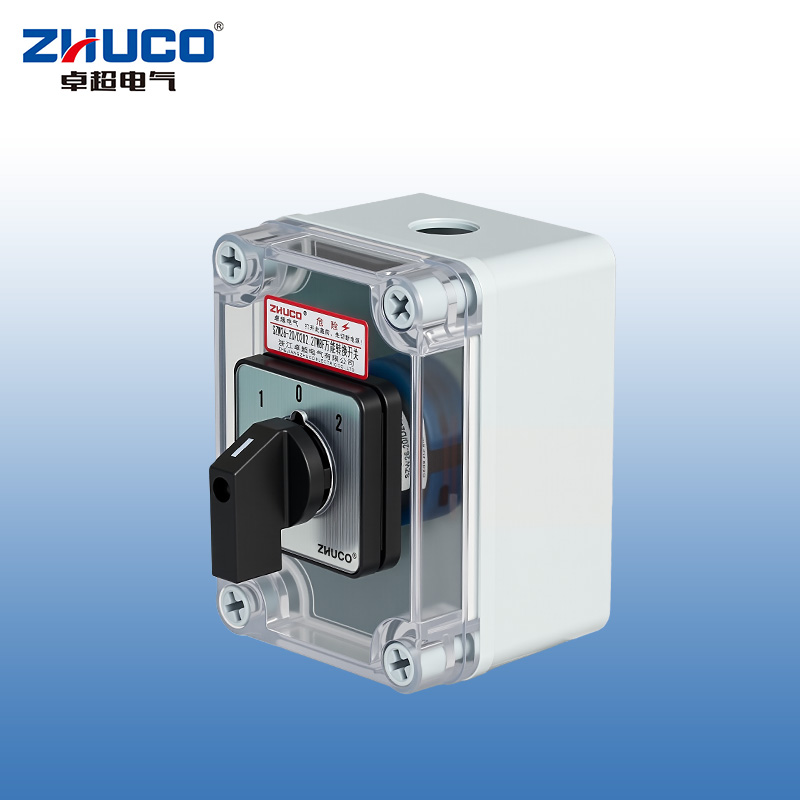
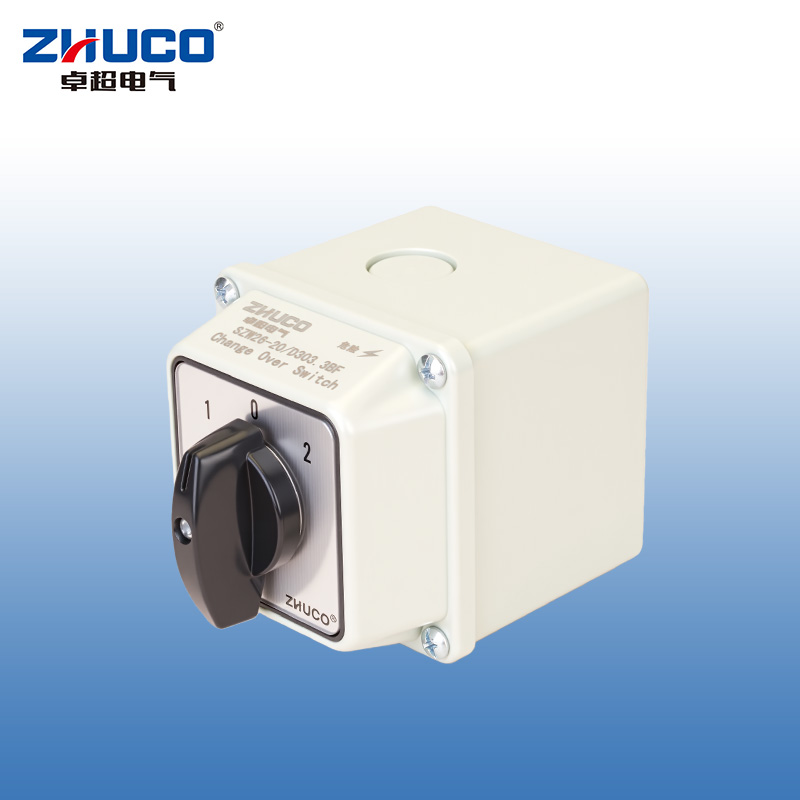
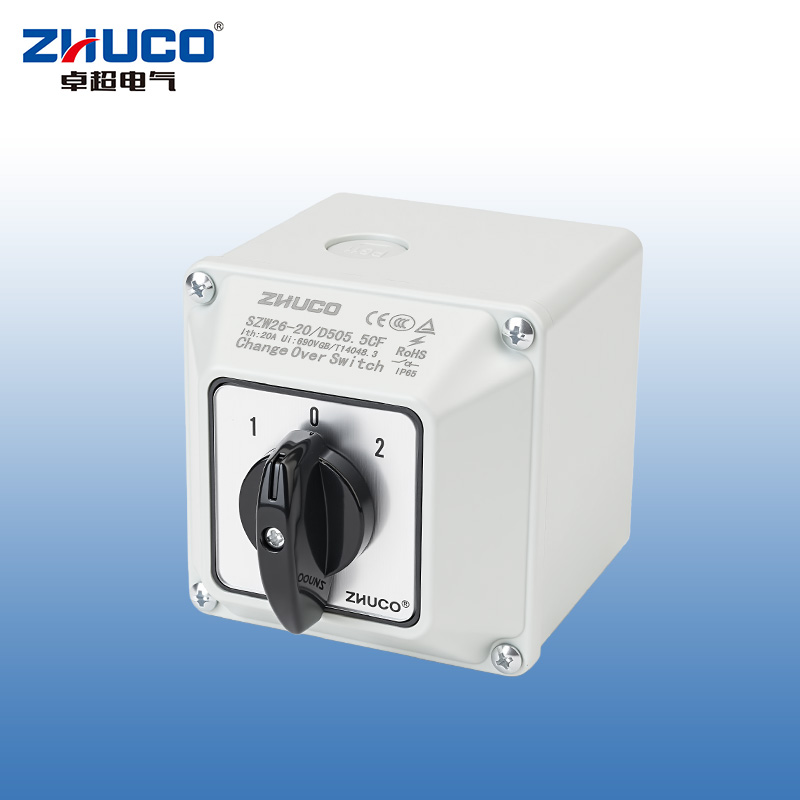
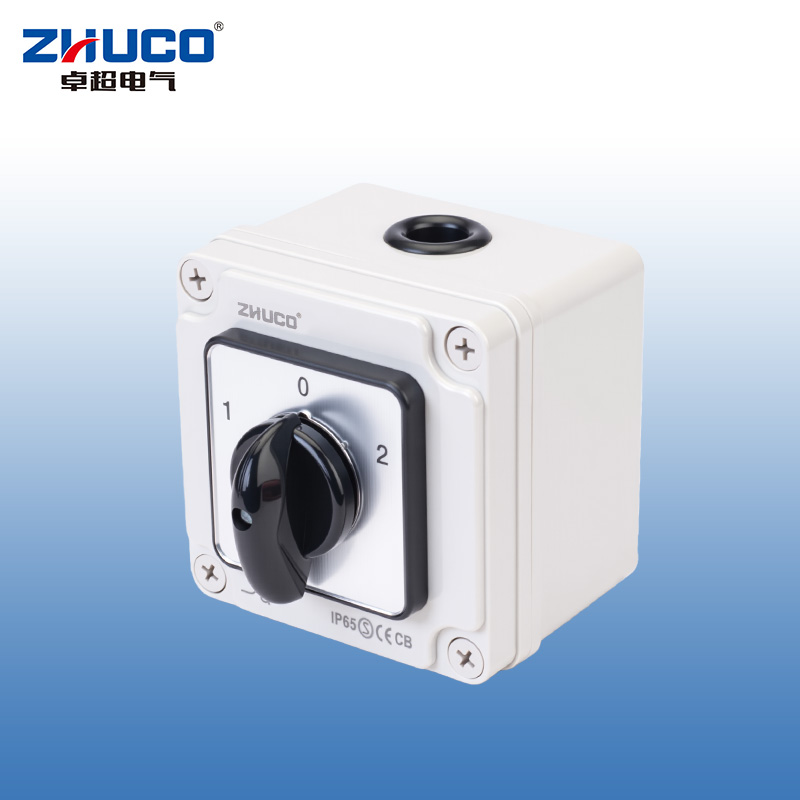
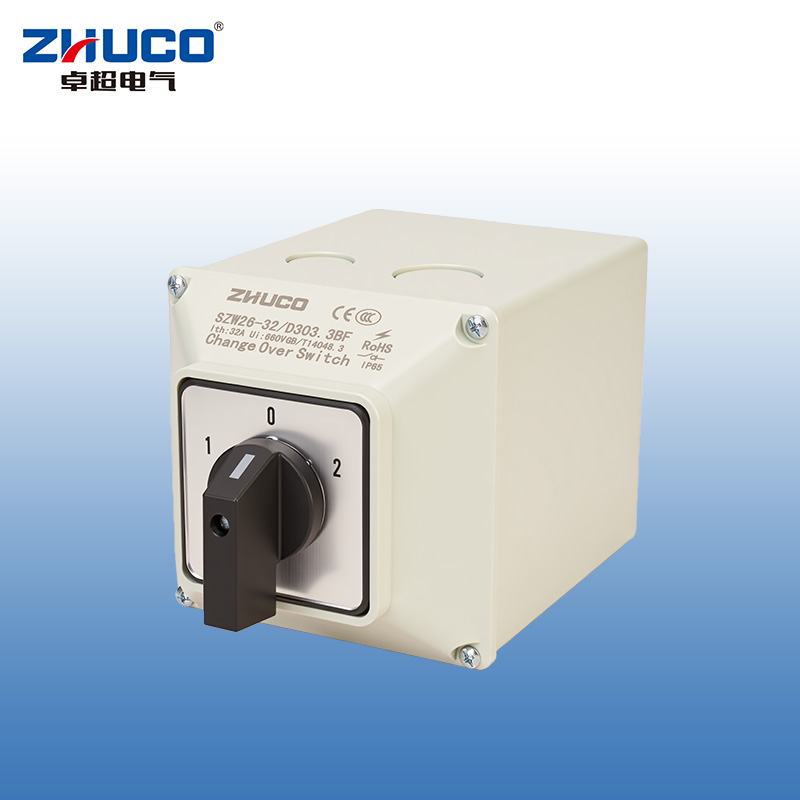
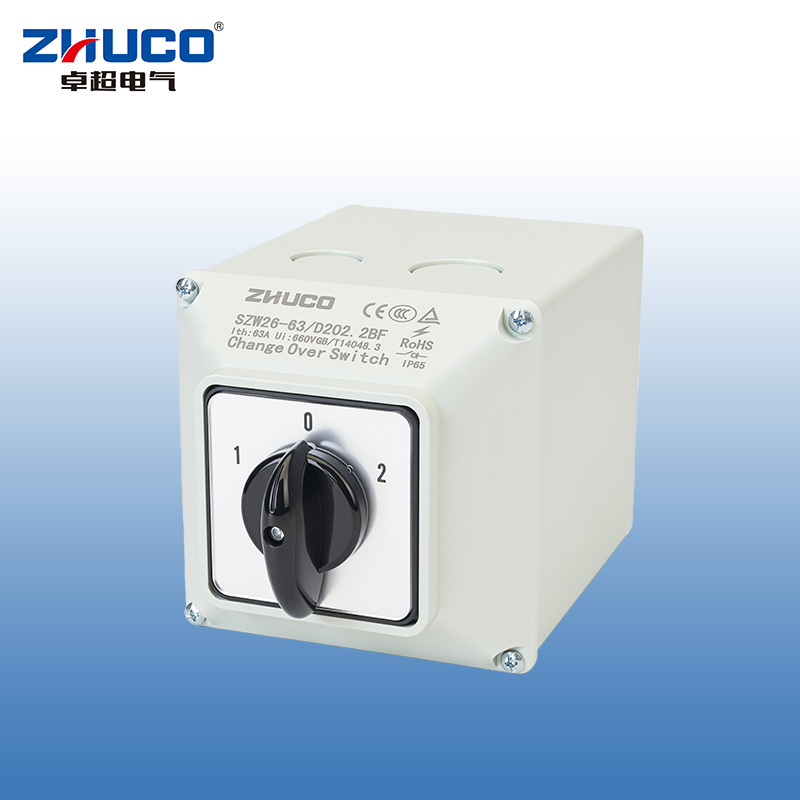
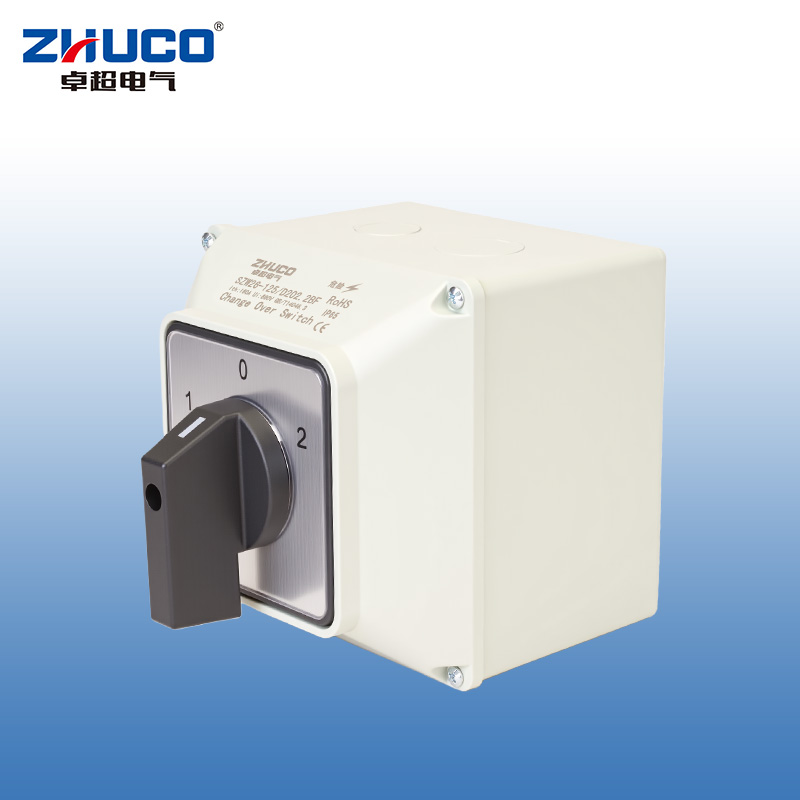
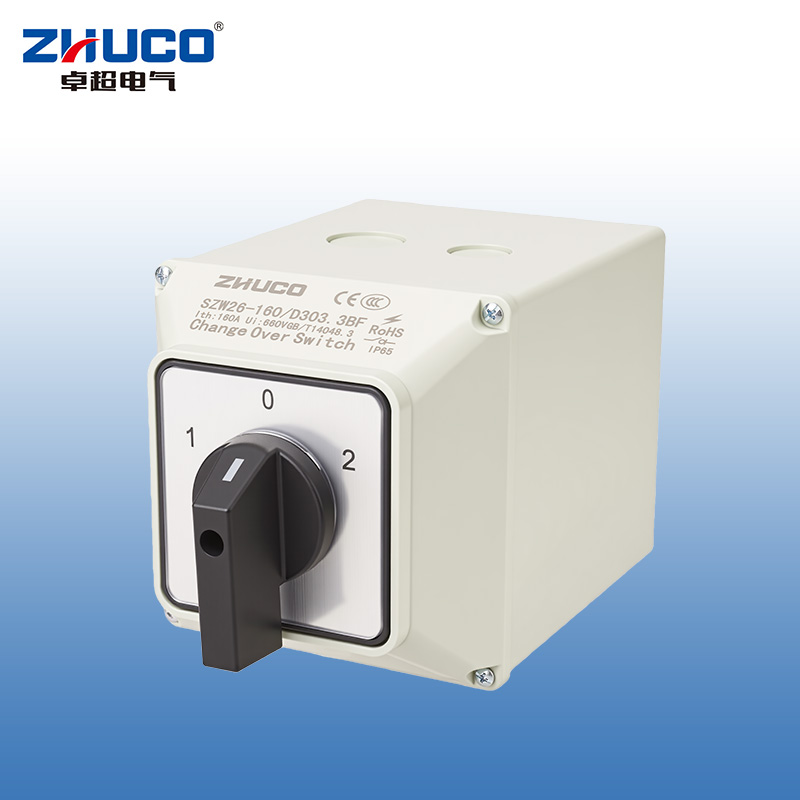
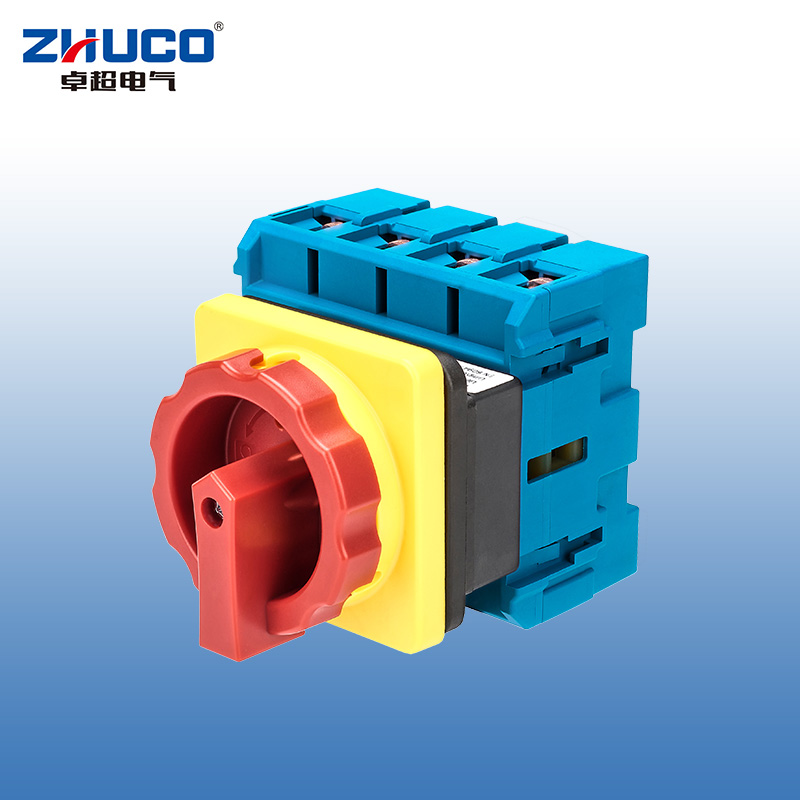
Basic Design and Function The core of a 4-pole load switch consists of four independent switching poles linked so they open or close togethe...
READ MORE
The protective casing provides safety against electric shock and accidental contact, effectively reducing the risk of electric shock, especially in damp, dusty, or metal-shavings environments (e.g., IP20/IP44/IP65 protection ratings protect against dust and splashing water). Some casing designs include position indicators or locking mechanisms to prevent the switch from being accidentally switched to an unintended state due to accidental contact or misoperation, such as preventing short circuits during forward/reverse motor switching. This prevents dust from entering and causing contact oxidation or mechanical jamming, or prevents liquids such as rainwater and oil from entering and causing short circuits (suitable for outdoor, chemical, mechanical, and other industrial applications).

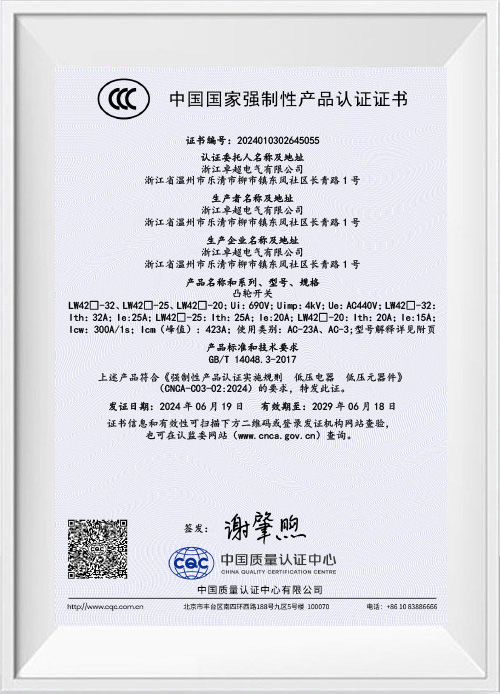
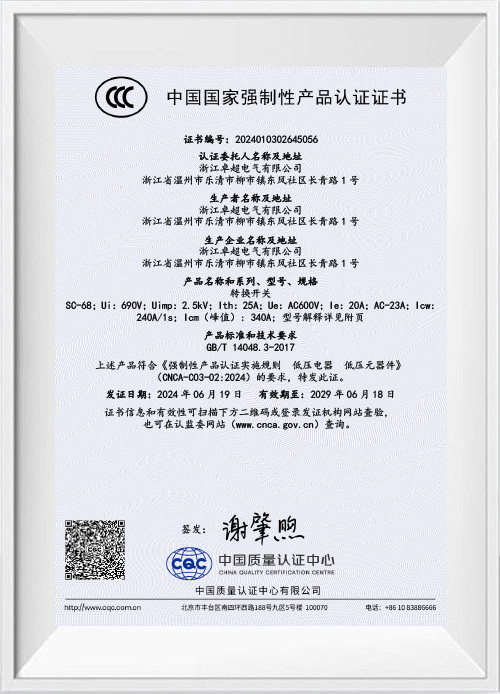
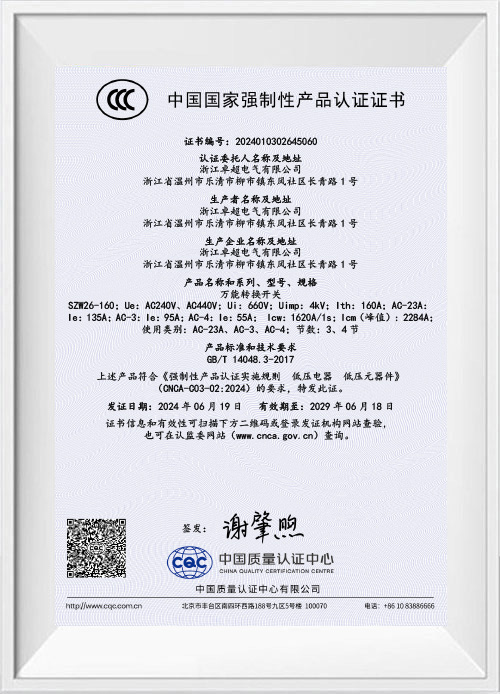
Basic Design and Function The core of a 4-pole load switch consists of four independent switching poles linked so they open or close togethe...
READ MORE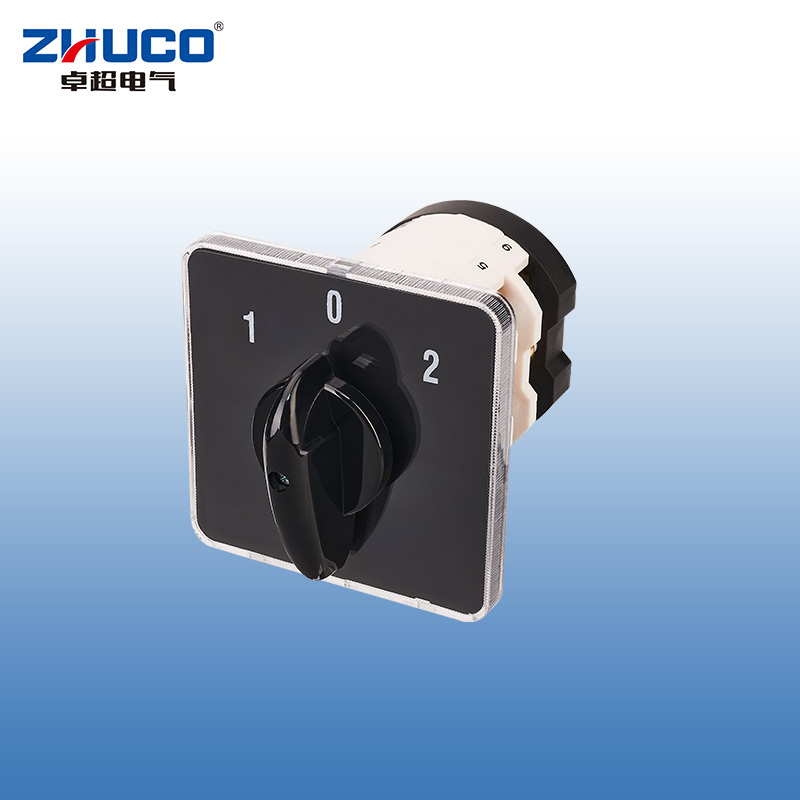
How The Switching Mechanism Works A Circuit Changeover Switch generally contains a movable contact mechanism that changes the connection bet...
READ MORE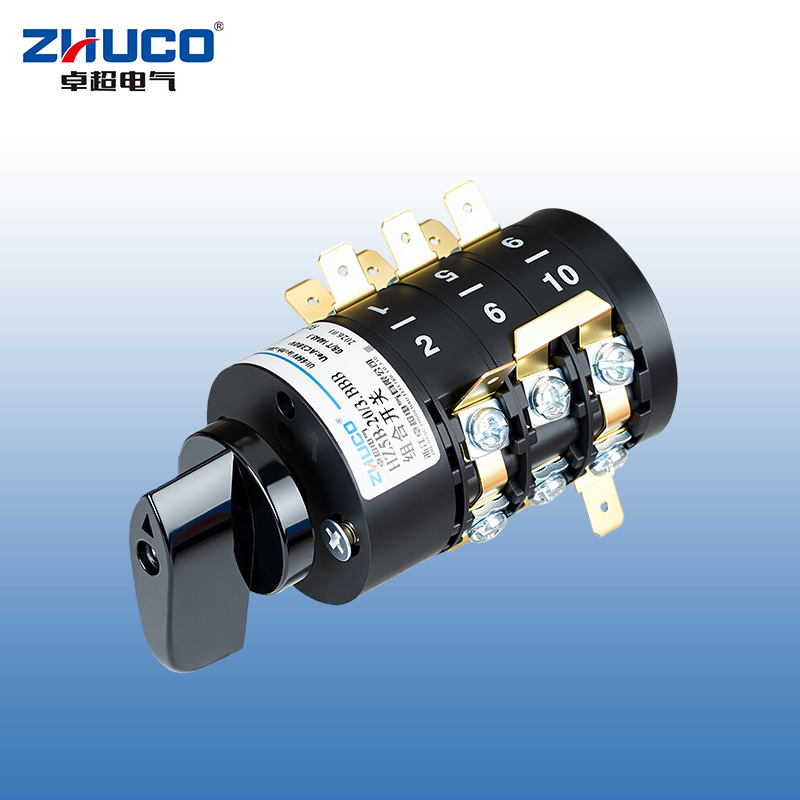
Electrical fitting suppliers have noticed a steady shift toward fixtures that do more within a single wall plate, and the combination switch...
READ MORE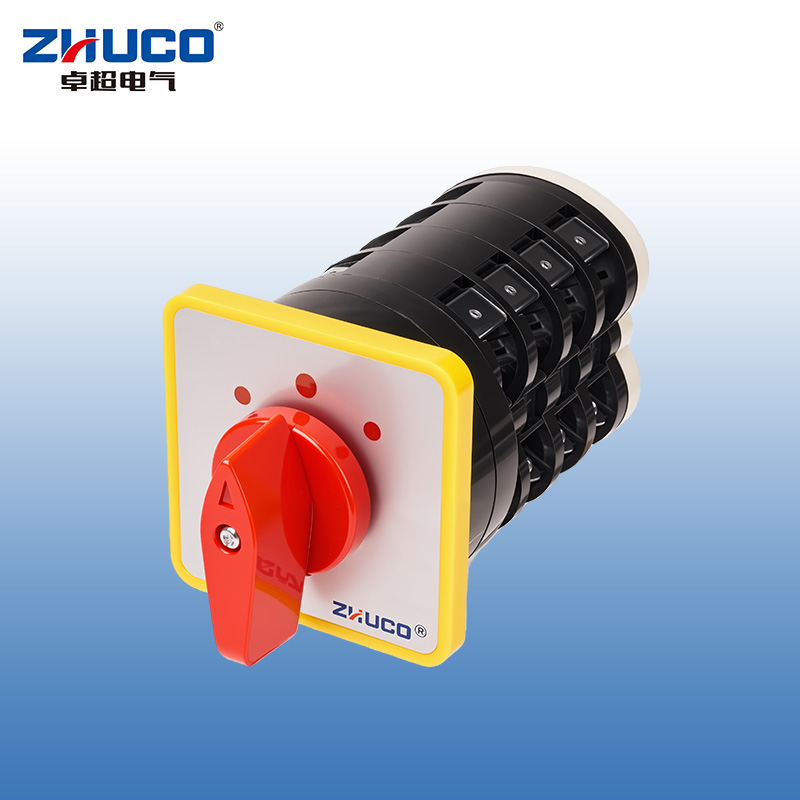
Electrical systems rely on countless small components to stay stable, and a voltage switch is one of the parts working quietly in the backgr...
READ MOREThe core design philosophy of an "Encased Switch" lies in establishing a quantifiable and verifiable protective barrier between the switch's internal precision electrical components and the harsh external environment—achieved through a combination of precision housing structures, sealing materials, and assembly processes. The performance level of this barrier is governed and evaluated by internationally recognized IP protection standards, thereby providing an objective technical basis for engineering selection.
The waterproofing capability of a "Waterproof Switch" does not stem from a single technical method; rather, it is a systemic outcome collectively ensured by four key dimensions: housing structure, sealing materials, assembly precision, and wire entry treatment.
Housing Structure Design
The housing of a waterproof switch typically employs either a seamless, integral molding design or a precision-fitted, split-structure design. The integral molded housing eliminates joint seams, thereby fundamentally preventing moisture from infiltrating along the gaps; conversely, the split structure relies on precisely machined mating surfaces working in conjunction with compression seals to achieve waterproofing—where the flatness and surface roughness of these mating surfaces directly determine the long-term durability of the sealing effect.
Different application scenarios impose significantly varying requirements regarding the chemical compatibility of sealing materials:
The more easily overlooked vulnerability in the waterproofing of a "Waterproof Switch" lies precisely at the wire entry point. The selection of a cable gland must be precisely matched to the outer diameter of the cable; a mismatch—whether the gland is too large or too small—will inevitably pilot to sealing failure. The following points represent common errors encountered in engineering practice:
Waterproof Switches offer indispensable value in the following settings:
The hazards posed by dust to electrical switches manifest in various forms: conductive dust can directly trigger short-circuit faults; insulating dust can accumulate to create thermal barriers that pilot to overheating; and abrasive dust can accelerate the wear and aging of electrical contacts and mechanical mechanisms. To address these distinct dust-related hazard mechanisms, Dustproof Switches incorporate differentiated design strategies tailored to specific protective requirements.
Industrial dusty environments do not present a single, homogeneous form of hazard; rather, they require a graded assessment based on dust concentration, particle size, conductivity, and explosiveness:
| Dust Type | Representative Settings | Primary Hazard Mechanism | Protection Focus |
| Conductive Metal Dust | Aluminum/Magnesium Processing, Polishing Workshops | Short Circuits, Arc Ignition | Complete Sealing, Explosion-Proof Certification |
| Combustible Organic Dust | Flour Mills, Feed Mills, Wood Processing | Dust Explosions | Explosion-Proof Design, Elimination of Ignition Sources |
| Insulating Mineral Dust | Cement Plants, Quarries, Ceramic Factories | Abrasion, Heat Dissipation Obstruction | Complete Dustproofing, Abrasion-Resistant Enclosures |
| Fibrous Dust | Textile Mills, Cotton Processing | Heat Dissipation Blockage, Mechanism Entanglement | Dustproof Sealing, Periodic Cleaning |
| Chemically Active Dust | Pesticide Plants, Fertilizer Plants | Corrosion of Contacts and Enclosures | Combined Dustproof and Anti-Corrosion Protection |
In the cement and building materials industries, dust concentrations are high and particle hardness is significant. Consequently, dustproof switches in these environments must simultaneously meet the IP6X "completely dustproof" rating and the requirements for enclosure abrasion resistance. In such applications, polycarbonate enclosures often demonstrate inferior abrasion resistance compared to glass-fiber-reinforced nylon or metal enclosures.
In the textile industry, fibrous dust possesses unique entanglement characteristics; it tends to gradually accumulate on the rotating components of the operating mechanism, forming fibrous clumps that can significantly increase operating torque or even cause the mechanism to seize up. Therefore, dustproof switches in these environments require periodic cleaning and maintenance. The cleaning schedule should be dynamically adjusted based on the actual dust concentration within the workshop, rather than being fixed according to a rigid schedule.