


 English
 русский
 Español
 Deutsch
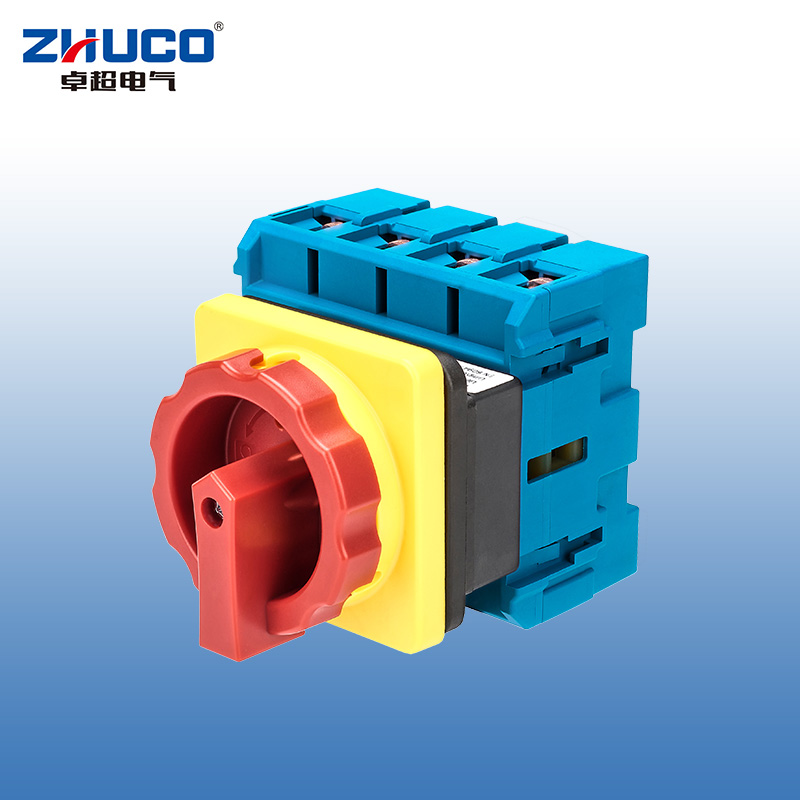
Basic Design and Function The core of a 4-pole load switch consists of four independent switching poles linked so they open or close togethe...
READ MORE
A power control switch is a switching device used for controlling high-power electrical circuits, capable of directly disconnecting or connecting the power supply to the load. It is suitable for controlling industrial motors, power distribution systems, and large equipment, ensuring reliable contact and electrical safety during operation. This switch typically features clear position indicators, mechanical interlocks, and a high-current design to ensure stable and reliable switching. Power control switches can withstand large current loads and possess sufficient insulation and voltage resistance, making them suitable for applications requiring frequent operation or switching of high-power equipment, thus contributing to safe equipment operation and power system stability.
It is suitable for switching electrical control lines in circuits and can also directly control the starting, reversing, and speed control of electric motors.

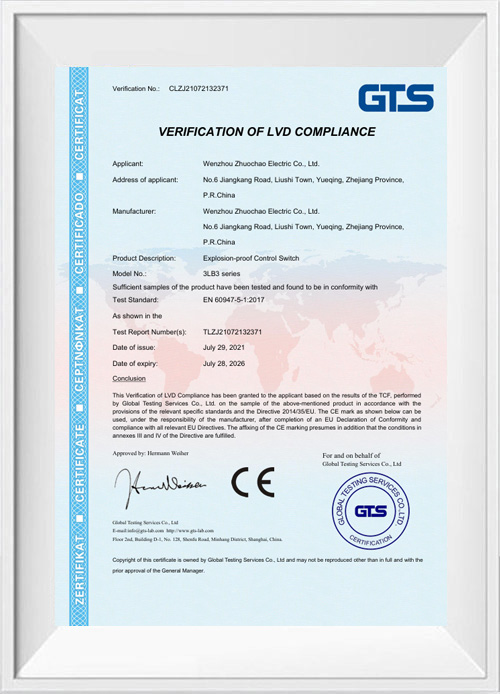
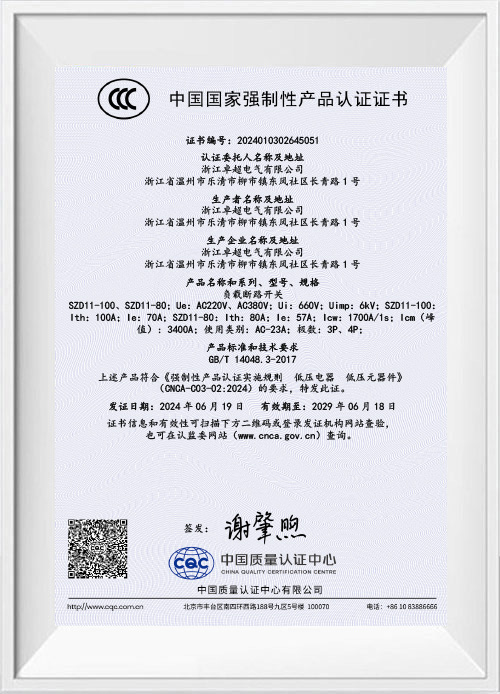
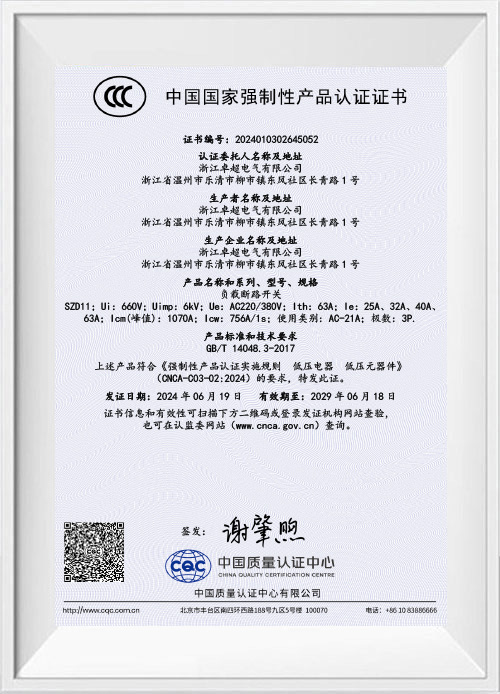
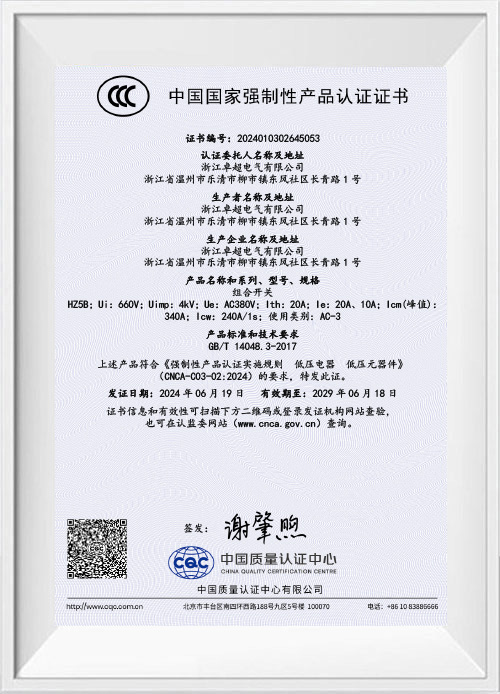
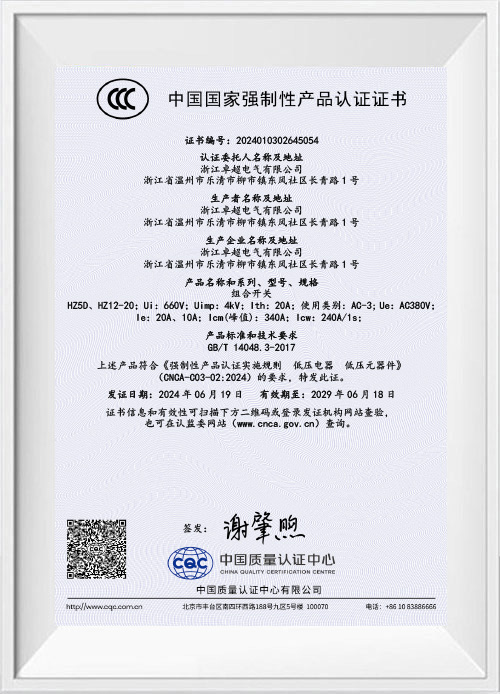
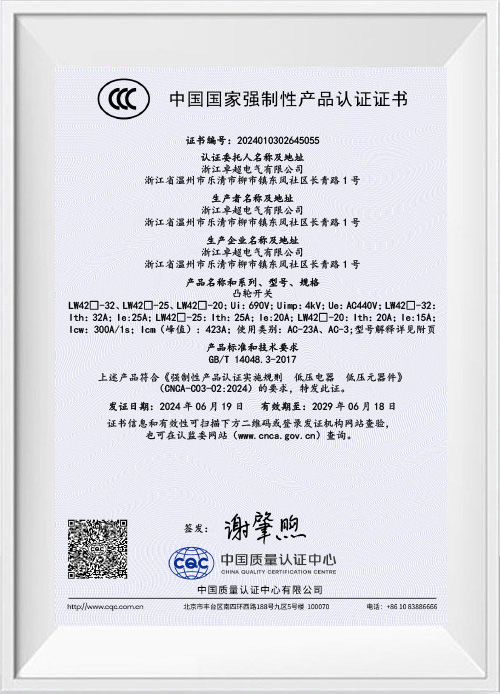
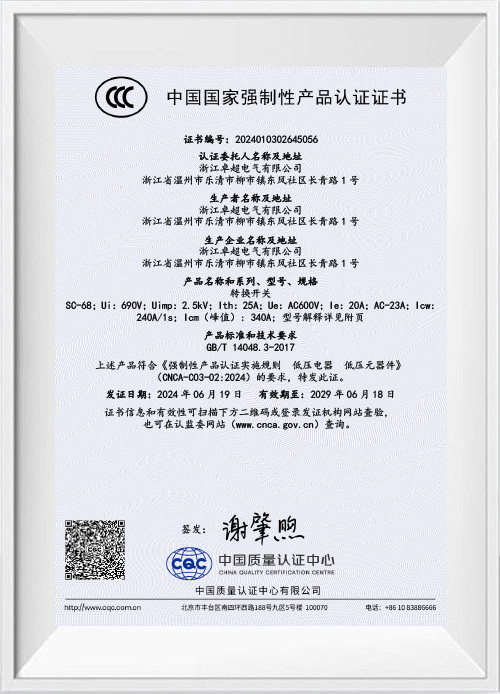
Basic Design and Function The core of a 4-pole load switch consists of four independent switching poles linked so they open or close togethe...
READ MORE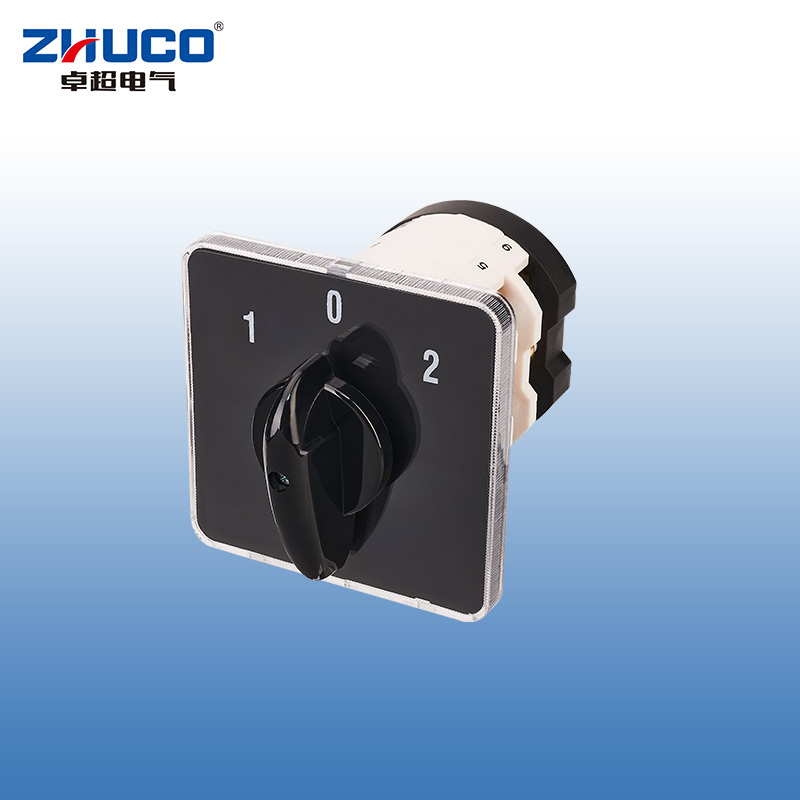
How The Switching Mechanism Works A Circuit Changeover Switch generally contains a movable contact mechanism that changes the connection bet...
READ MORE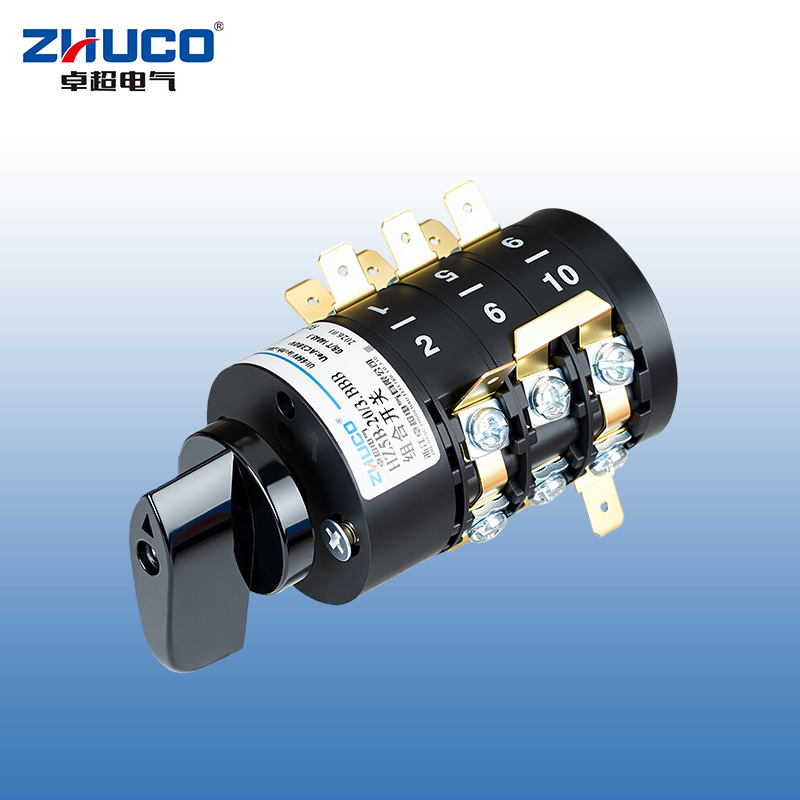
Electrical fitting suppliers have noticed a steady shift toward fixtures that do more within a single wall plate, and the combination switch...
READ MORE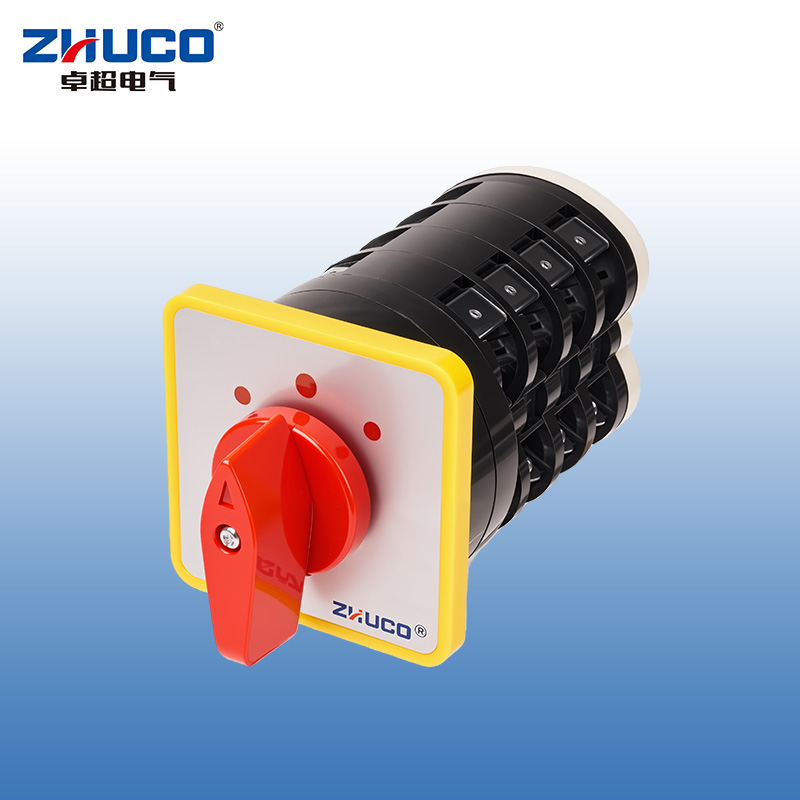
Electrical systems rely on countless small components to stay stable, and a voltage switch is one of the parts working quietly in the backgr...
READ MOREWithin this architecture, the Power Control Switch occupies a pivotal position at the interface between the execution layer and the logic layer; it receives control commands issued from above—typically by a PLC or DCS—and drives the actual operation of various load devices below.
The core value of the Multi-Circuit Control Switch lies in its ability to synchronously manage multiple independent control circuits using a single operating element. This consolidates what were previously dispersed control nodes, thereby significantly reducing the wiring complexity within the control cabinet.
In large-scale units or complex process cells, a single operational action often necessitates the simultaneous triggering of responses across multiple subsystems. Through the coordinated action of multiple sets of independent contacts, the Multi-Circuit Control Switch facilitates the following typical control logic:
During the wiring design phase, the contact assignment for the Multi-Circuit Control Switch must strictly adhere to the principle of functional grouping. Specifically, high-voltage power control circuits and low-voltage signal circuits must not share the same contact group, thereby preventing signal crosstalk caused by insulation breakdown.
In modern automation systems, the Industrial Automation Control Switch serves a function far beyond the traditional concept of simple "on/off" switching. Instead, it acts as a reliable interface situated between the physical execution layer and the digital control layer, ensuring that automated commands are translated into actual electrical actions in a deterministic and reliable manner.
Key Considerations for Integration with PLC Systems
When connecting an Industrial Automation Control Switch to a PLC digital output module, the following compatibility requirements must be observed:
Deployment in Distributed Control Architectures
In large-scale industrial plants utilizing a distributed I/O architecture, Industrial Automation Control Switches are typically installed locally within field control boxes situated near the process equipment. They communicate with the DCS system in the main control room via a fieldbus. This deployment strategy significantly reduces the transmission distance of control signals, thereby lowering the risk of interference, while simultaneously providing field operators with local manual control capabilities in the event of a communication failure.
Specific Technical Requirements for Motor Control
Motor Control Switches occupy a pivotal position within the field of electrical control. As motors represent the more numerous and—in terms of control logic—more complex controlled objects in an industrial environment, they impose specific requirements on control switches that differ from those for general loads.
Timing Management for Start/Stop Control
The motor starting process is accompanied by significant inrush currents; therefore, the contacts of a Motor Control Switch must possess sufficient making capacity to withstand the current surge occurring at the instant of startup. The AC-3 utilization category was established specifically for the operational control of squirrel-cage asynchronous motors; the test conditions for its making and breaking capacities are designed to simulate actual motor startup and running states.
Design of Forward/Reverse Control Circuits
When Motor Control Switches are employed for forward/reverse control, a dual interlocking mechanism constitutes an indispensable safety element:
In systems equipped with soft starters or variable frequency drives (VFDs), the functional role of the Motor Control Switch shifts: instead of directly controlling the motor, it serves to control the operational command circuit of the soft starter or VFD. At this point, the nature of the contact load shifts from inductive to resistive or weakly inductive; consequently, the selection parameters must be adjusted accordingly.
Functional Logic of the 6-Position Changeover Switch
With its multi-position and multi-functional characteristics, the 6-Position Changeover Switch offers distinct advantages in control applications where the centralized operation of various working modes is required. The specific functional definitions for the six positions are determined entirely by engineering design; common functional allocation schemes include:
The cam-actuated contact mechanism design of the 6-Position Changeover Switch determines the contact make-and-break matrix for each position. During the engineering selection process, it is essential to request a complete contact diagram from the manufacturer. Each contact group's status at every position must be verified individually to ensure a good alignment with the intended control logic design before the selection is finalized.
During field installation, the position markings on the 6-Position Changeover Switch must be clear and durable. It is recommended to use metal nameplates rather than standard adhesive labels to prevent the markings from detaching—whether due to environmental corrosion or frequent operation—which could otherwise pilot operators to misinterpret the current position status.
Environmental conditions in industrial field settings often differ significantly from those found in laboratory testing environments; consequently, the long-term reliability of control switches depends largely on their ability to adapt to the specific conditions of the installation site:
The assessment of environmental adaptability should span the entire product lifecycle—encompassing selection, installation, and operation & maintenance—rather than being treated merely as a one-time verification conducted solely during the procurement phase.