


 English
 русский
 Español
 Deutsch
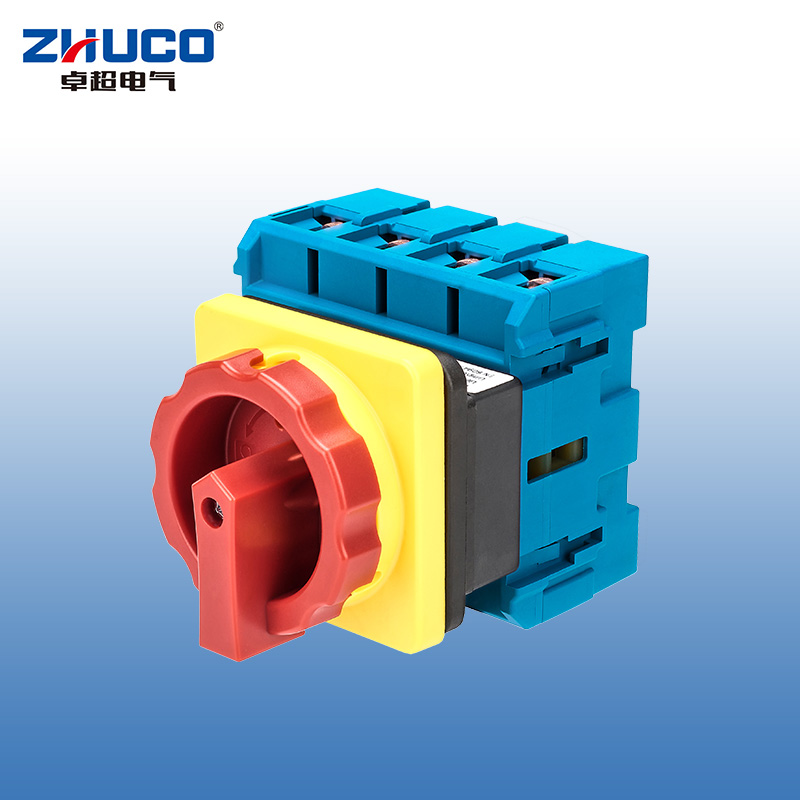
Basic Design and Function The core of a 4-pole load switch consists of four independent switching poles linked so they open or close togethe...
READ MORE

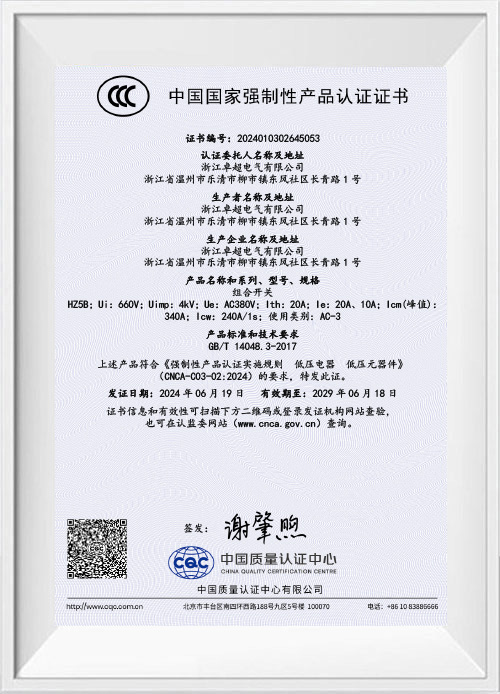
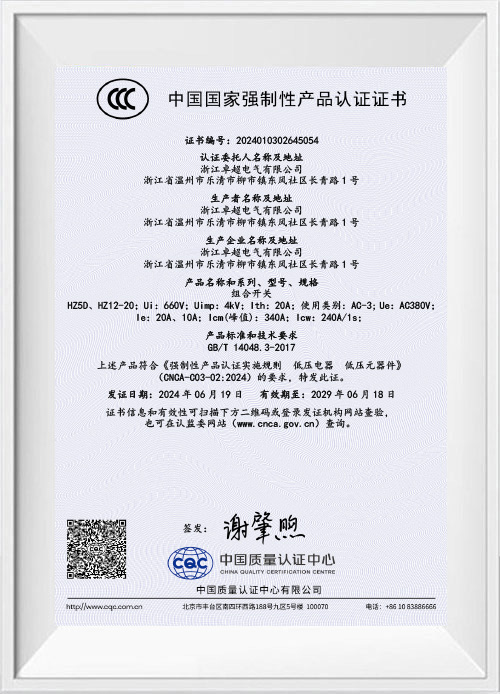
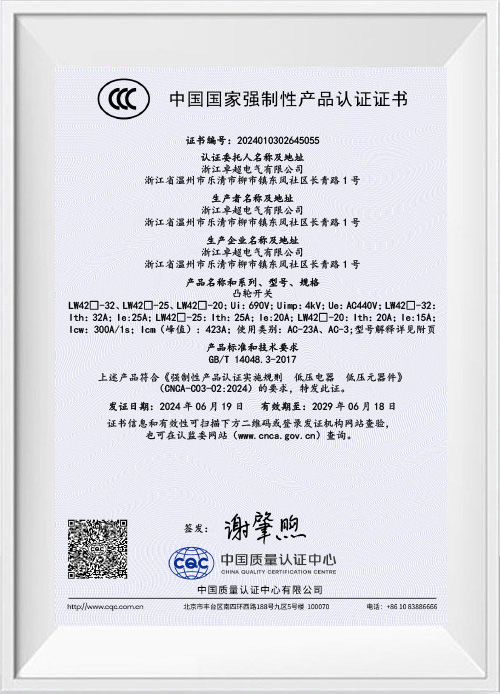
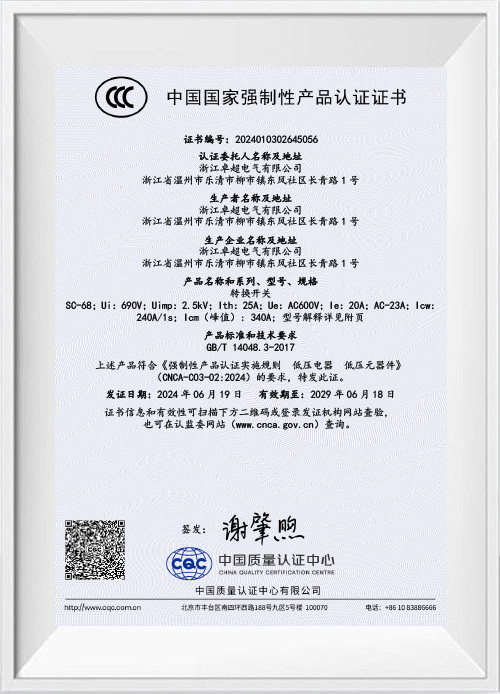
Basic Design and Function The core of a 4-pole load switch consists of four independent switching poles linked so they open or close togethe...
READ MORE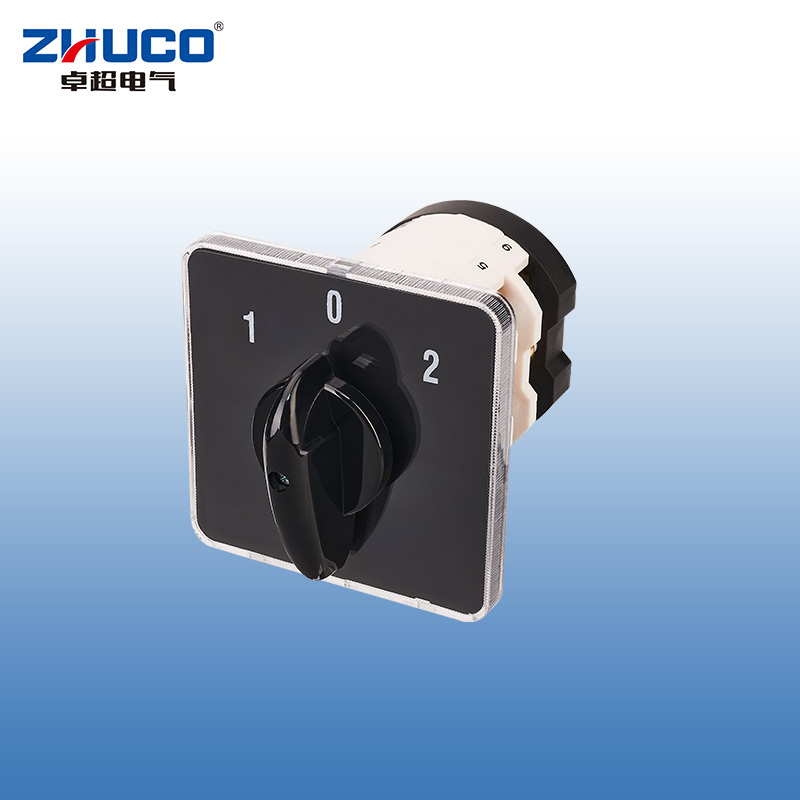
How The Switching Mechanism Works A Circuit Changeover Switch generally contains a movable contact mechanism that changes the connection bet...
READ MORE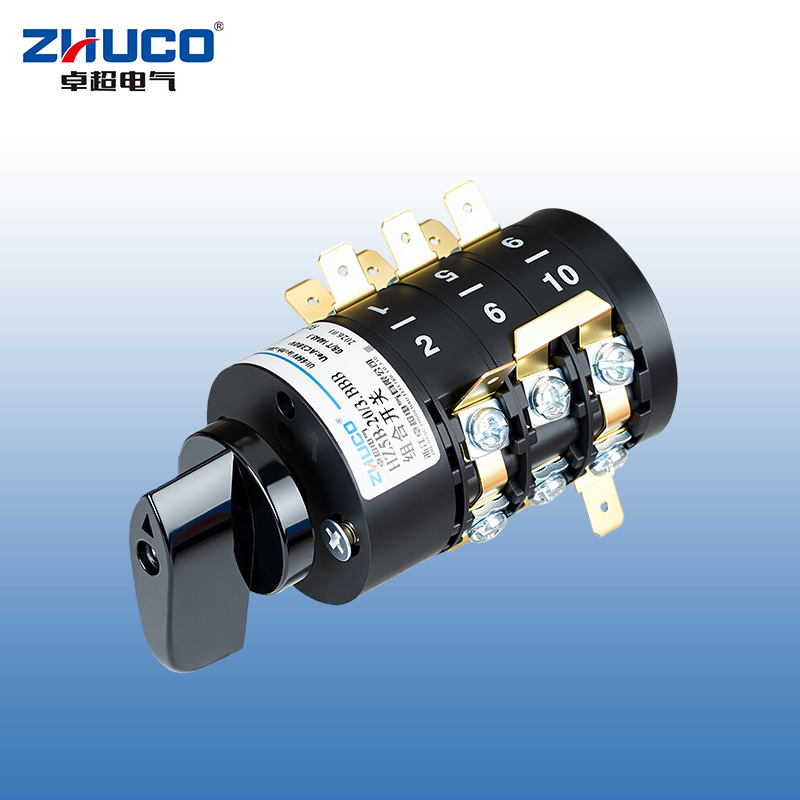
Electrical fitting suppliers have noticed a steady shift toward fixtures that do more within a single wall plate, and the combination switch...
READ MORE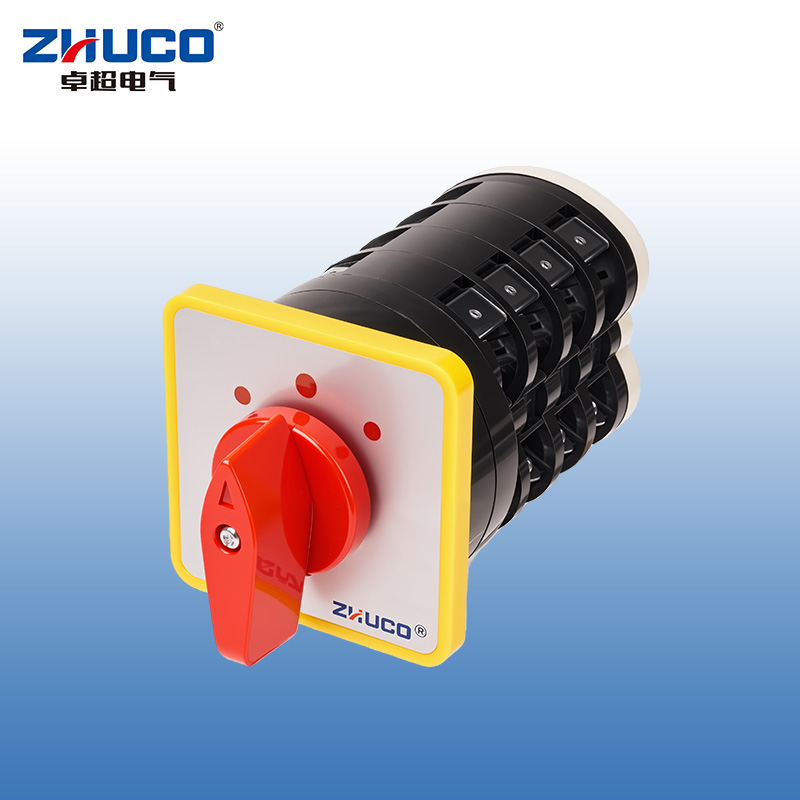
Electrical systems rely on countless small components to stay stable, and a voltage switch is one of the parts working quietly in the backgr...
READ MOREExplosion-proof control switches have been widely adopted across numerous high-risk industries. Different operational scenarios impose distinct requirements regarding equipment protection levels, operating methods, and reliability.
Key application sectors include:
These industries typically involve environments containing flammable gases, vapors, or combustible dust; consequently, the reliability and sealing integrity of explosion-proof electrical switches are subject to extremely rigorous standards.
Explosion-proof control switches can be categorized into various types based on their operating mechanisms and structural designs. Among these, the explosion-proof rotary switch is a common variant, particularly well-suited for multi-position control applications.
Common Classifications:
In practical applications, different types can be combined to satisfy the multi-tiered control requirements of a given system.
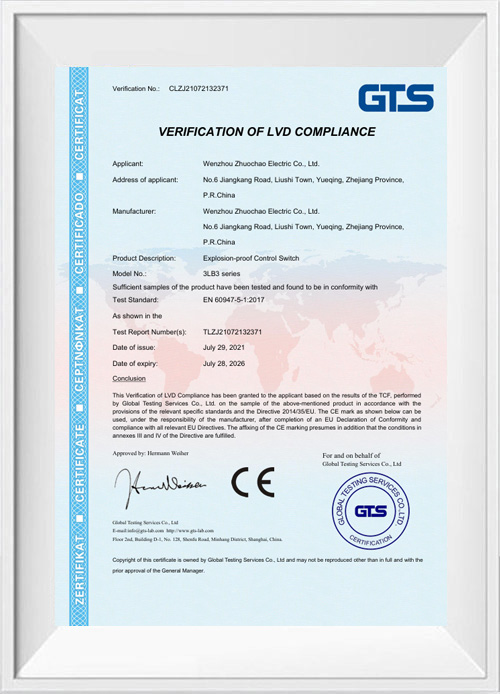
The core of an explosion-proof control switch lies in its explosion protection rating and associated certification system. While different countries and regions adhere to varying standards, the overarching objective remains consistent: to prevent internal electrical sparks from igniting the hazardous external environment.
Major Certification Standards Include:
Examples of Explosion Protection Markings:
When selecting equipment, enterprises must ensure the chosen device corresponds correctly to the designated hazardous area classification of the site (e.g., Zone 0/1/2 or Zone 20/21/22).
When purchasing or designing systems incorporating explosion-proof control switches, particular attention must be paid to their core performance parameters. The following is a comparison table of typical parameters:
| Parameter Category | Description | Typical Requirement Range |
| Protection Class | Dust and Water Resistance (IP Rating) | IP65 – IP67 |
| Explosion Protection Class | Explosion-proof Structure Type | Ex d / Ex e |
| Operating Voltage | Applicable Voltage Range | 220V / 380V / Customized |
| Operational Lifespan | Mechanical and Electrical Lifespan | ≥ 100,000 cycles |
| Material | Enclosure Material | Aluminum Alloy, Stainless Steel, Engineering Plastics |
| Ambient Temperature | Operating Temperature Range | -40°C to +60°C |
By reviewing the parameters listed above, one can quickly determine whether a specific explosion-proof electrical switch is suitable for a particular environment.
Explosion-proof control switches are subject to strict requirements not only in their design phase but also—critically—during installation and maintenance.
Key Design Points:
Installation Considerations:
When undertaking actual procurement or project implementation, the following selection logic serves as a useful reference:
Selecting the appropriate equipment not only enhances system safety but also effectively reduces long-term operational costs.