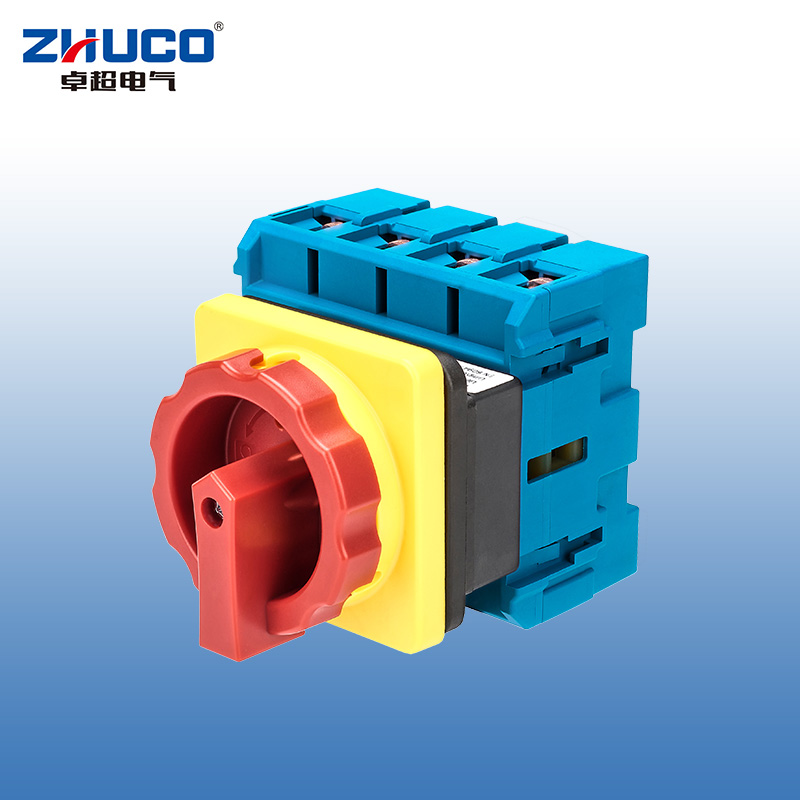
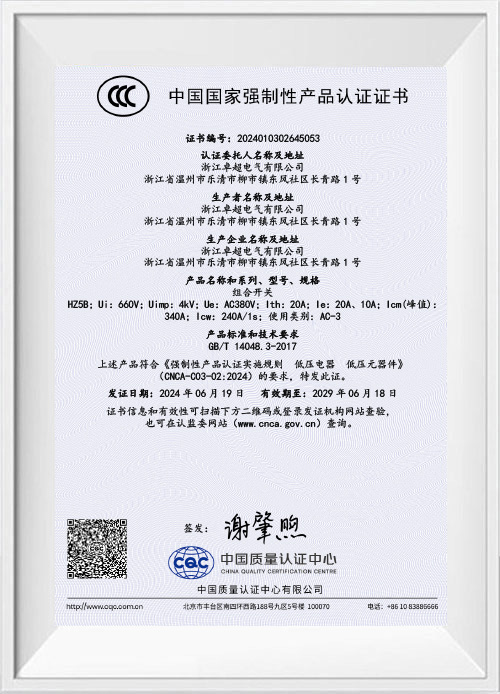
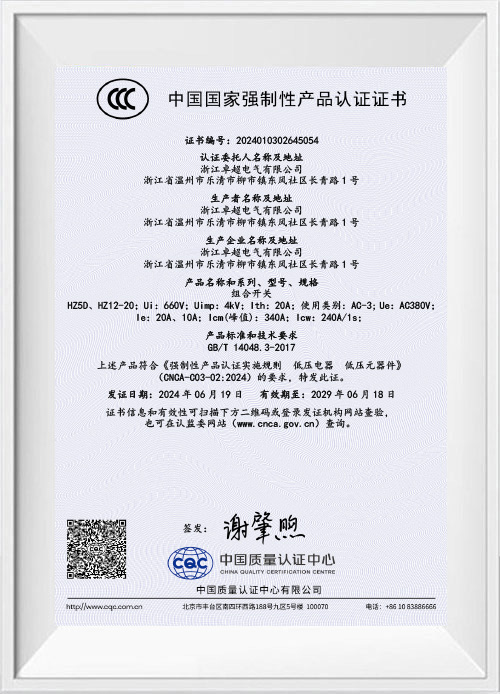
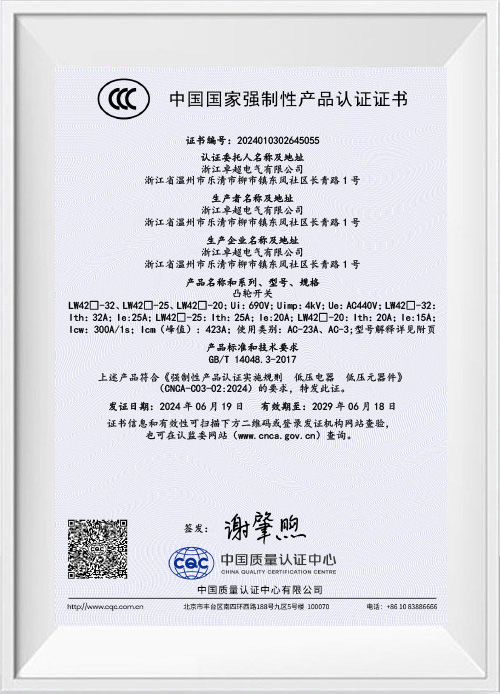
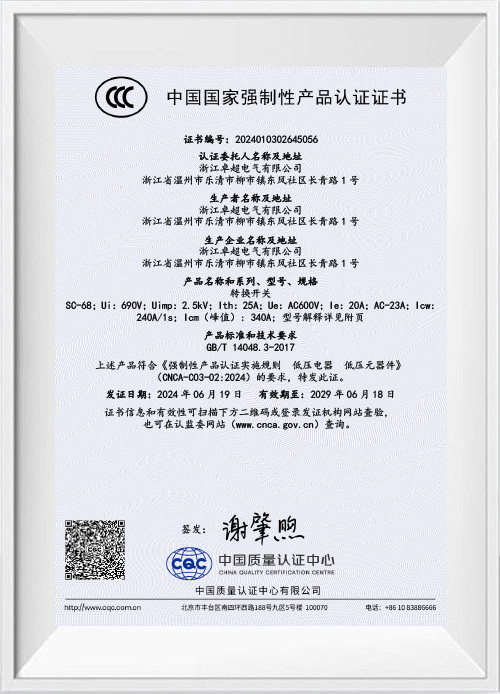
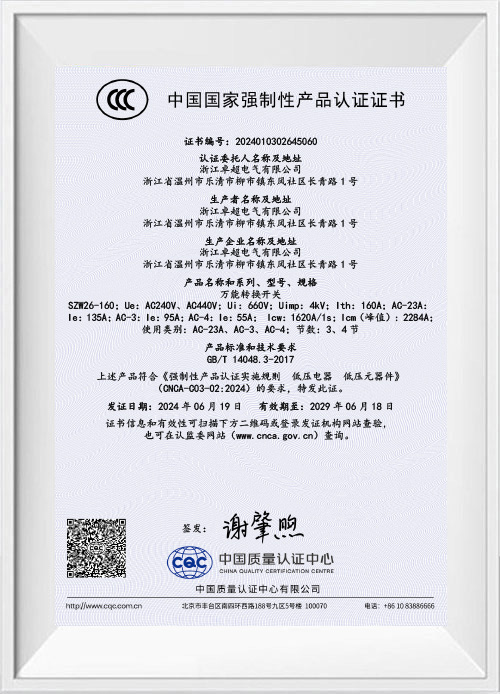
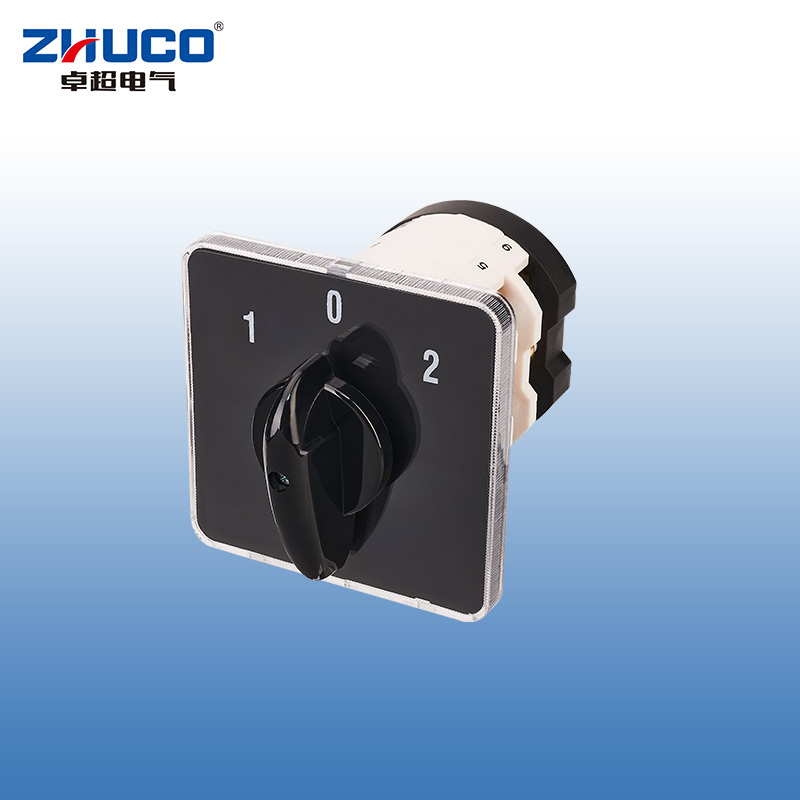
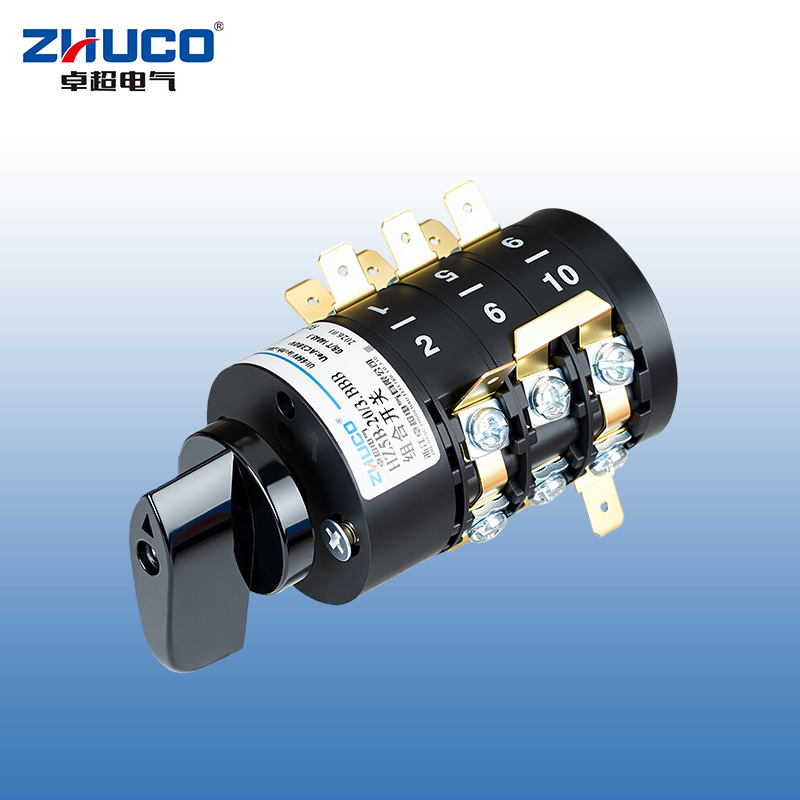
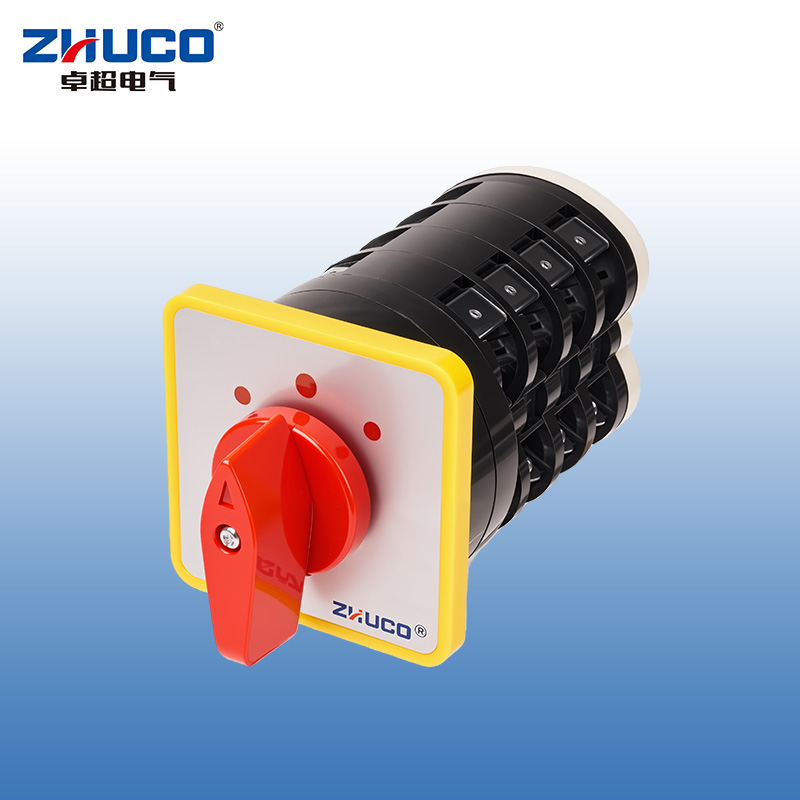
A pivotal device connecting a primary power source to a backup power source, the Manual Transfer Switch (MTS) facilitates the safe switching between two power feeds through manual operation. Distinguished by its simple structure, intuitive operation, and cost-effectiveness, the MTS has long held a stable and prominent market position within the global field of backup power supply.
Analysis of Manual AC Transfer Switch Systems
The Manual AC Transfer Switch is specifically designed to address the dual-source switching requirements of AC power supply systems. Within the family of manual transfer switches, it represents the core product category with the largest market scale and the more diverse range of application scenarios.
Product Operating Principle
The operating principle of the Manual AC Transfer Switch is grounded in strict electrical isolation. The device houses two independent sets of main contacts, corresponding respectively to Power Source A (typically utility power) and Power Source B (typically a backup generator or a secondary utility feed). A reliable mechanical interlock mechanism is installed between these two contact sets to physically ensure that both AC power sources can never be simultaneously connected to the load side at any given moment, thereby completely eliminating the risk of short circuits caused by the parallel connection of power sources.
By rotating a handle or actuating a lever, an operator drives an internal cam mechanism to execute a predetermined sequence of actions: one, the currently connected power circuit is disconnected; after passing through a brief intermediate "open" transition state (the "0" position), the backup power circuit is then connected, thereby completing the entire switching process. This "break-before-make" operational logic serves as the fundamental design principle for the safety of the Manual AC Transfer Switch.
Interpretation of Key Technical Parameters
- Rated Operating Current and Capacity: Mainstream Manual AC Transfer Switch products on the market feature rated current ranges extending from 30A up to 3000A. This corresponds to single-phase power capacities ranging from several kilowatts to hundreds of kilowatts, while for three-phase systems, the devices can accommodate power supply requirements reaching the megawatt level. During the engineering selection process, it is customary to incorporate a safety margin by selecting a device with a rated capacity of 1.25 to 1.5 times the actual load current.
- Voltage Compatibility Range: Standard products are designed for use in single-phase AC 230V systems as well as three-phase AC 380V/400V/415V systems. Additionally, certain specialized products support high-voltage AC 690V systems, thereby covering the major low-voltage power supply standards utilized across the globe.
- Switching Time Characteristics: The manual switching time for a Manual AC Transfer Switch typically ranges from a few seconds to several tens of seconds. This is significantly longer than the millisecond-level response of automatic transfer switches; consequently, these manual switches are primarily deployed in applications where sensitivity to power interruption duration is low, but requirements for operational safety are high.
- Pole Configuration: Three standard configurations are available: 2-pole (single-phase systems), 3-pole (three-phase, three-wire systems), and 4-pole (three-phase, four-wire systems). The 4-pole variant holds irreplaceable safety value within TN-S systems, as it enables the simultaneous switching of the neutral conductor.
Market Segments and Application Scenarios
- Backup Power for Commercial Buildings: Commercial structures—such as office buildings, hotels, and shopping malls—commonly utilize diesel generator sets as backup power sources. Manual AC Transfer Switches serve to manage the transfer of power between the utility grid and these generator sets. Compared to automatic switching solutions, manual switching allows property management personnel to exercise flexible judgment based on actual conditions, thereby preventing the unnecessary startup of generators during brief power outages and reducing both equipment wear and operational costs.
- Backup Power Systems for Industrial Production: For manufacturing facilities with relatively moderate requirements for production continuity, Manual AC Transfer Switches—when integrated with on-site inspection protocols—constitute an economical and practical dual-source power assurance solution. Upon receiving a power outage notification or detecting anomalies in the utility supply, operators can rapidly start the generator set and execute a manual transfer, thereby small the impact of the power interruption on critical production equipment.
- Power Supply for Agricultural and Water Conservancy Facilities: Agricultural and water conservancy infrastructure—such as irrigation pump stations and drainage stations—commonly employs Manual AC Transfer Switches to manage the transfer between utility power and backup power sources. These products must possess robust moisture-proof and corrosion-resistant properties to withstand the harsh conditions often encountered in outdoor or semi-outdoor operating environments.
- Integration of Emergency Power Generation Vehicles: During natural disasters or widespread grid failures, mobile emergency power generation vehicles often require rapid connection to the distribution systems of affected areas. Manual AC Transfer Switches provide a standardized interconnection interface and ensure safe switching operations for the output circuits of these power generation vehicles.
- Independent Power Grids in Remote Regions: In mountainous, island, or border regions characterized by limited utility grid coverage, Manual AC Transfer Switches are utilized to manage the transfer between various distributed power sources—such as wind, hydro, and solar systems—and backup diesel generator sets, thereby supporting the stable operation of local independent microgrids.
Specialized Analysis of Manual Inverter Transfer Switches
The Manual Inverter Transfer Switch is an emerging niche product segment that has risen in tandem with the rapid growth of photovoltaic power generation, energy storage systems, and off-grid power requirements. Both its technical characteristics and application logic differ significantly from those of traditional Manual AC Transfer Switches, warranting a dedicated, in-depth analysis.
Specific Challenges in Inverter-Powered Scenarios
Inverters convert the DC power generated by PV modules, storage batteries, or wind turbines into AC power. The quality of this output is heavily influenced by the energy status on the input side; during cloudy weather, at night, or when battery charge levels are low, the inverter's output capacity may decline significantly or even cease entirely. Consequently, inverter-based power supply systems typically require the utility grid to be retained as a backup or supplementary power source. The core mission of the Manual Inverter Transfer Switch is to facilitate a safe and reliable manual switchover between these two power sources.
Unlike switching between two separate utility grid feeds, switching between an inverter's output and the utility grid presents the following specific technical challenges:
- Phase and Frequency Synchronization Issues: The AC power output by an inverter may differ from the utility grid in terms of phase and frequency. If the two power sources are momentarily paralleled during the switching process, a massive current surge will occur within the inverter. In less severe cases, this triggers the inverter's protective shutdown mechanism; in more severe cases, it results in damage to the power semiconductor components.
- Anti-Islanding Protection Requirements: In grid-tied photovoltaic inverter systems, the inverter must immediately cease feeding power back into the grid in the event of a utility outage. The Manual Inverter Transfer Switch must operate in conjunction with the inverter's anti-islanding protection function to ensure that the switching process complies with grid safety interconnection standards.
- DC-Side Safety Isolation: Certain off-grid application scenarios also require isolation operations on the DC input side of the inverter. Consequently, the Manual Inverter Transfer Switch must possess the capability to handle mixed AC/DC switching or be utilized in conjunction with a dedicated DC isolator switch.
Core Design Features
To address the aforementioned challenges, the Manual Inverter Transfer Switch incorporates the following core design features:
- Forced "Break-Before-Make" Mechanism: The product features a mandatory internal "open" position. Operators cannot switch directly from the inverter source to the utility grid source; instead, they must pass through a brief transition via this intermediate open position. This ensures a sufficient time interval between the two power sources, thereby preventing parallel connection shocks.
- Physical Isolation for Anti-Backfeeding: To comply with mandatory requirements regarding PV inverters—specifically, the prevention of reverse power flow back into the utility grid—the Manual Inverter Transfer Switch employs a robust design featuring both mechanical interlocking and electrical isolation. This hardware-level approach completely eliminates the possibility of the inverter output circuit and the utility grid circuit being connected simultaneously.
- Wide Voltage Adaptation Range: Recognizing that output voltages vary across different inverter brands and specifications (typically fluctuating between AC 210V and AC 240V), the Manual Inverter Transfer Switch features a wide-range voltage adaptation design. This ensures reliable operation even when the inverter's output voltage deviates from its nominal value.
- Compact Structural Design: Given that residential and small-scale commercial PV systems often face limited installation space, the Manual Inverter Transfer Switch typically features a compact structural design. It supports both DIN rail mounting and wall mounting options, accommodating a variety of installation environments.
Key Application Areas
- Residential PV Energy Storage Systems: This constitutes the largest current market for the Manual Inverter Transfer Switch. In residential rooftop PV systems paired with energy storage batteries, the inverter supplies power during daylight hours with sufficient sunlight, while the system switches to the utility grid during the night or on overcast/rainy days. The Manual Inverter Transfer Switch enables ordinary users to easily and safely execute this transition between the two power supply modes.
- Commercial and Industrial PV Projects: For rooftop PV projects at factories and commercial parks, it is necessary to switch the power supply to the utility grid during equipment inspections or inverter maintenance. The Manual Inverter Transfer Switch provides a simple and reliable manual switching channel, effectively meeting the operational requirements of routine maintenance and management.
- Off-Grid Power Supply Systems: In remote regions lacking utility grid coverage, off-grid PV systems are often paired with diesel generators as a supplementary power source. The Manual Inverter Transfer Switch facilitates flexible switching between these two power sources, thereby supporting the basic electricity needs for local production and daily living.
- Mobile Energy Storage and Emergency Power Supply: In mobile power scenarios—such as vehicle-mounted energy storage systems and portable power stations—the Manual Inverter Transfer Switch is utilized to rapidly switch between external utility power and the output of the internal inverter, thereby enhancing the operational flexibility of mobile energy storage equipment.



 English
 русский
 Español
 Deutsch