


 English
 русский
 Español
 Deutsch
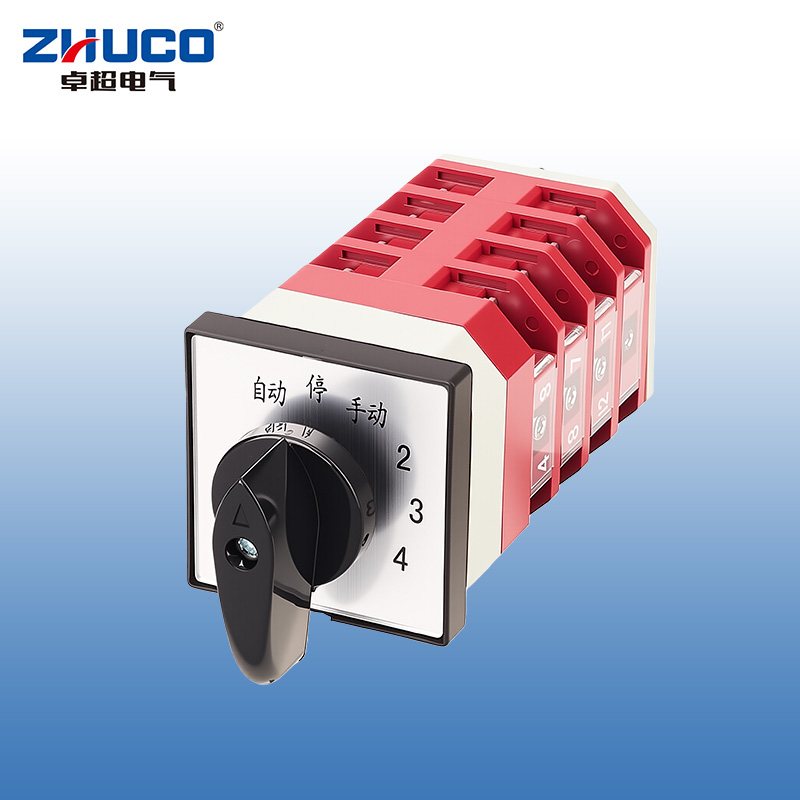
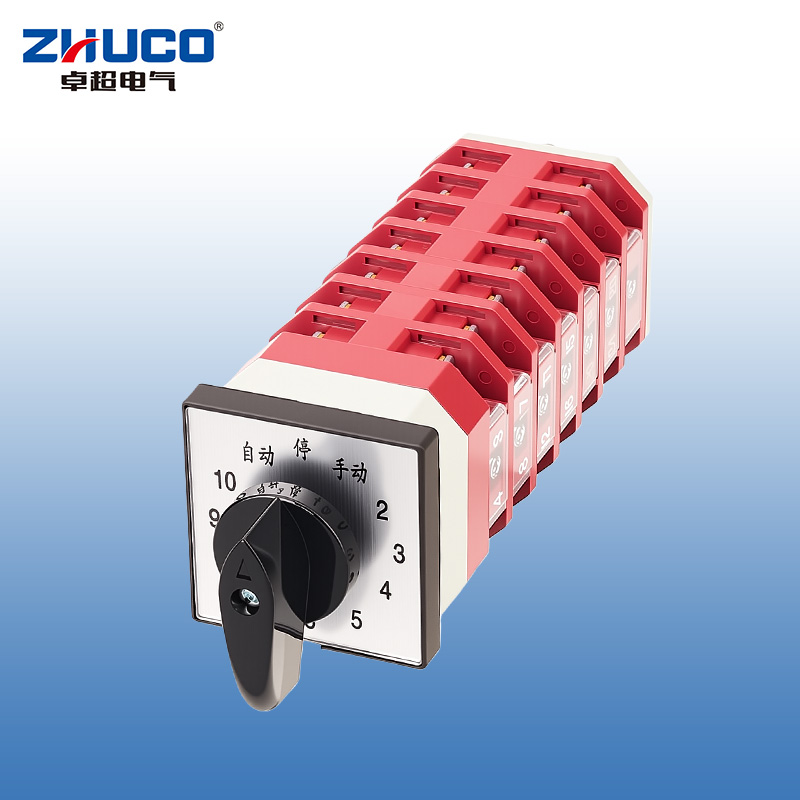
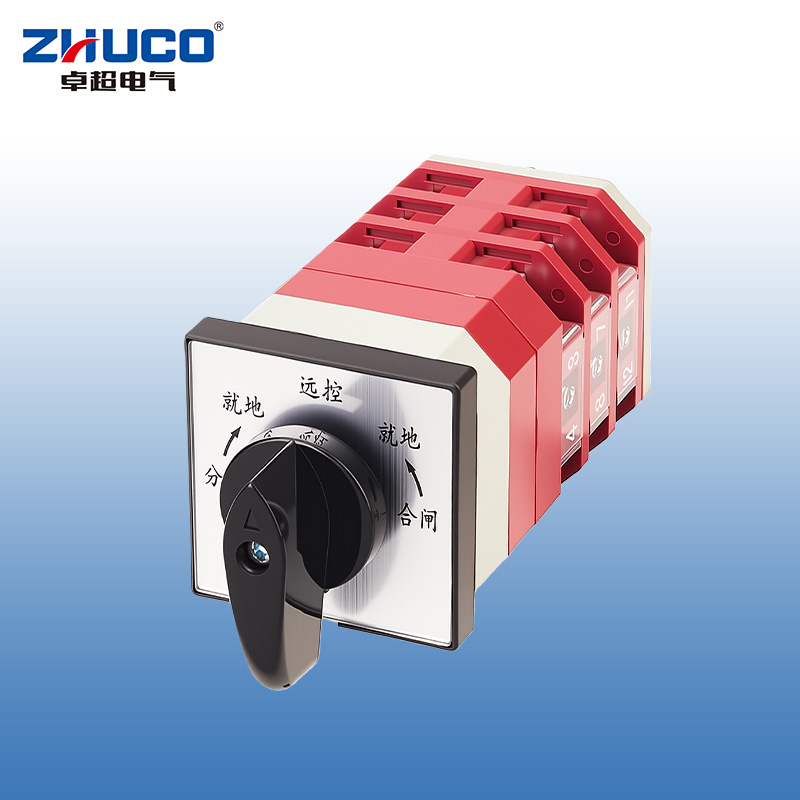
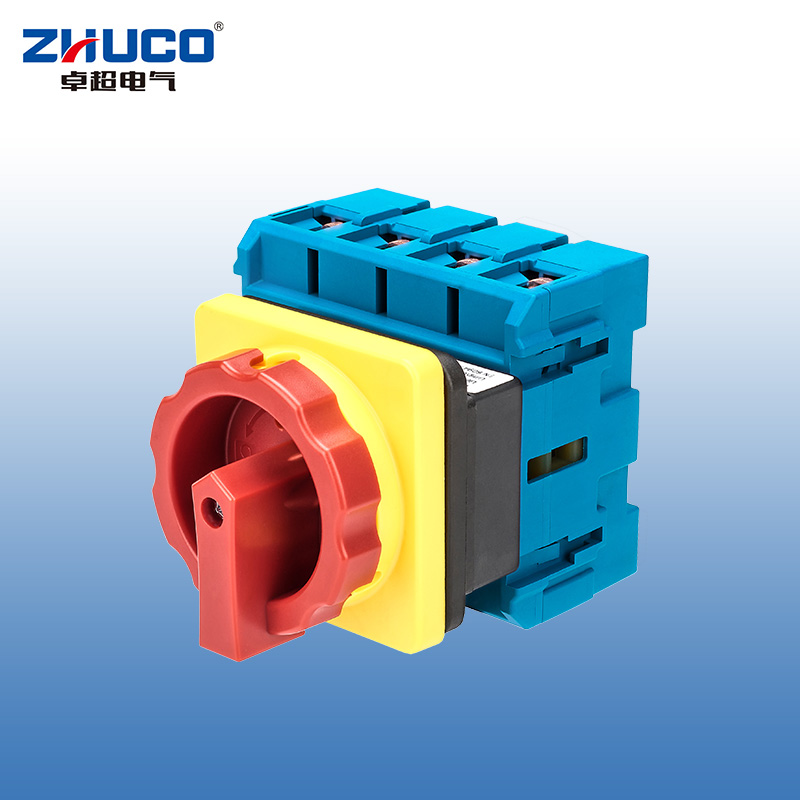
Basic Design and Function The core of a 4-pole load switch consists of four independent switching poles linked so they open or close togethe...
READ MORE
systems, and automation equipment. It works by energizing a coil to generate magnetic force, causing the contacts to close or open, thus achieving remote or automatic control. Electromagnetic switches are characterized by their fast response speed, reliable operation, and long lifespan. They can safely control high-current loads and, when used in conjunction with protective devices, effectively ensure the safe operation of electrical equipment and systems.
It is suitable for switching electrical control circuits and electrical measuring instruments in AC circuits of 50Hz and 500V or less, and DC circuits of 220V or less. It can also directly control three-phase AC squirrel-cage induction motors of 5.5KW or less.









Basic Design and Function The core of a 4-pole load switch consists of four independent switching poles linked so they open or close togethe...
READ MORE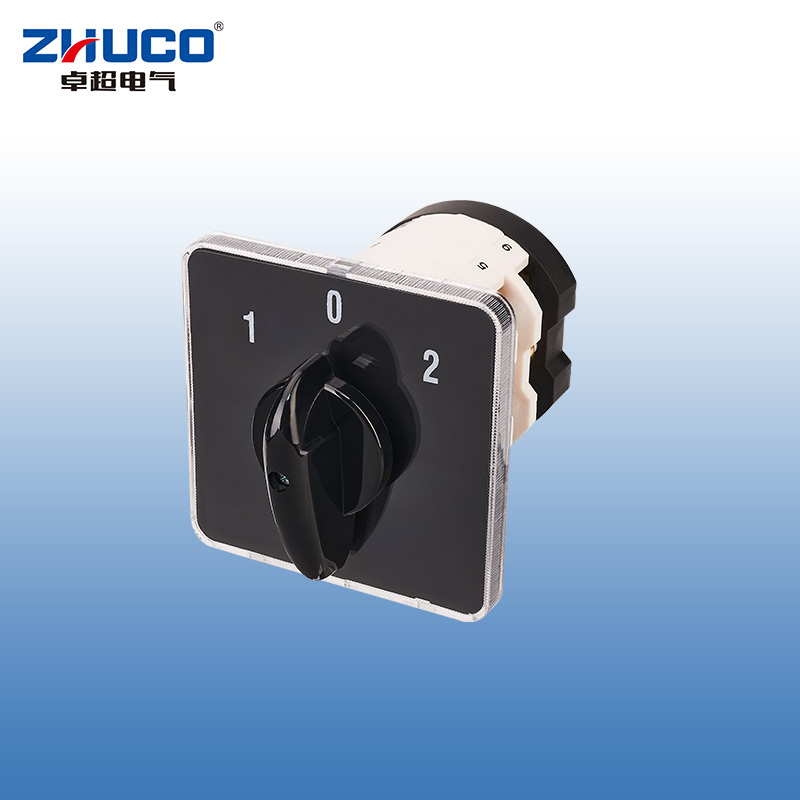
How The Switching Mechanism Works A Circuit Changeover Switch generally contains a movable contact mechanism that changes the connection bet...
READ MORE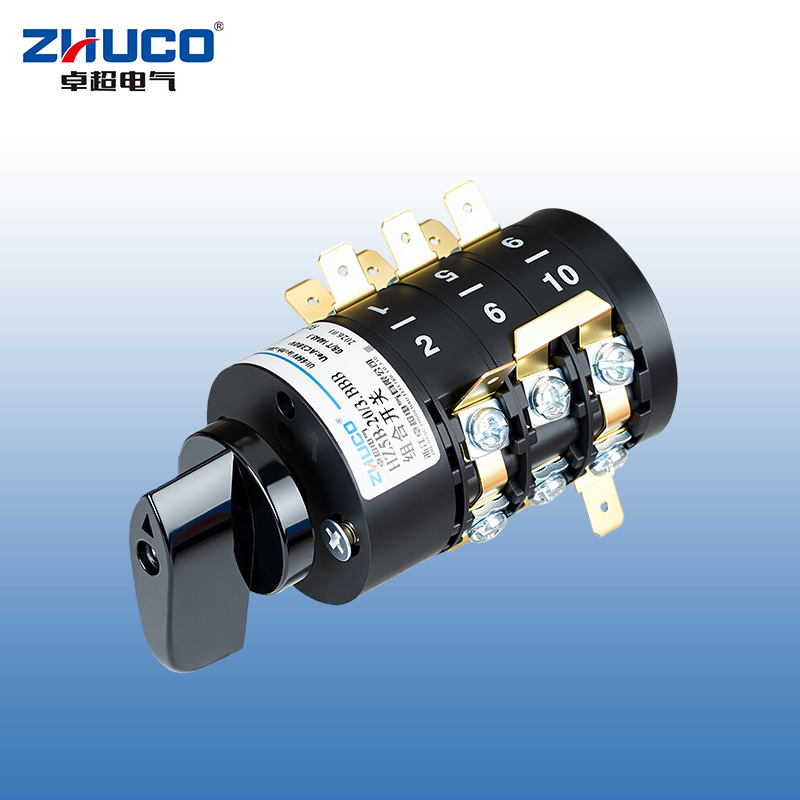
Electrical fitting suppliers have noticed a steady shift toward fixtures that do more within a single wall plate, and the combination switch...
READ MORE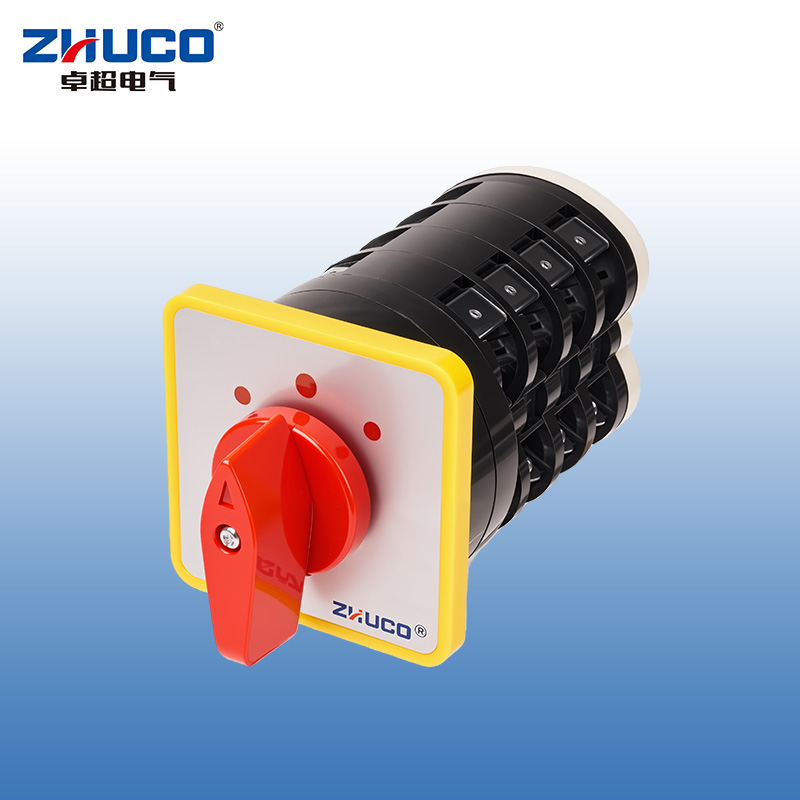
Electrical systems rely on countless small components to stay stable, and a voltage switch is one of the parts working quietly in the backgr...
READ MOREAt its core, an Electromagnetic Switch utilizes electromagnetic force as its driving mechanism, converting electrical signals into mechanical motion, which in turn controls the opening and closing of an electrical circuit. The reliability and response speed of this conversion process constitute the fundamental characteristics that distinguish electromagnetic switches from purely mechanical switches.
The design of the electromagnetic driving mechanism directly influences the dynamic performance of the switch. Factors such as the number of coil turns, core material, air gap size, and armature stroke collectively determine the attraction force curve and release characteristics. During the engineering selection phase, the degree to which these parameters are appropriately matched often determines whether the device can maintain its intended operational reliability under extreme working conditions.
Industrial safety systems impose requirements on control components that far exceed those of standard automation control applications; the "Fail-Safe" principle serves as the core philosophy underpinning the design of safety circuits. Under this principle, the operational logic of an Electromagnetic Safety Switch differs fundamentally from that of a standard control switch: during normal operation, the coil remains continuously energized, maintaining the contacts in a specific state; however, should the power supply be interrupted or the coil fail, the contacts rely on spring-reset forces to revert to a safe state, thereby ensuring that hazardous energy is reliably cut off under any fault mode.
This "fail-safe upon power loss" design philosophy is manifested across several levels:
Stamping and Forging Equipment
Stamping machinery represents a high-risk environment for industrial accidents; consequently, Electromagnetic Safety Switches fulfill a dual protective role within such equipment. On one hand, they serve as the actuating components within safety guard detection circuits, permitting the main machine to operate only after confirming that the safety guard is securely closed. On the other hand, they function as the driving components within emergency braking circuits, enabling the rapid cutoff of the slide's driving energy within the shortest possible time upon the detection of an anomaly.
Key Performance Indicators for Electromagnetic Safety Switches in Stamping Equipment:
Robotic Work Cells
While there are significant differences between the safety protection systems for collaborative robots and traditional industrial robots, Electromagnetic Safety Switches play an indispensable role in both types of systems. In traditional industrial robot systems utilizing perimeter fencing, every opening of a safety gate must trigger the Electromagnetic Safety Switch; this action interrupts the robot's servo enable circuit, ensuring the robot remains in a completely stationary state whenever personnel enter the work area.
Elevators and Lifting Platforms
Elevator safety circuits represent one of the more concentrated application environments for Electromagnetic Safety Switches. Multiple safety nodes—such as landing door locks, car door locks, overspeed governor switches, buffer switches, and limit switches—are connected in series to form a complete safety chain. The activation of an Electromagnetic Safety Switch at any single node within this chain will trigger the disconnection of the entire safety circuit, thereby engaging the brake mechanism.
Magnetic Safety Interlock Switches utilize magnetic field coupling to replace traditional mechanical contact detection. This fundamentally eliminates the issue of detection accuracy degradation caused by mechanical wear, while simultaneously endowing the safety guarding device with enhanced environmental adaptability.
Non-Contact Detection Principle
A Magnetic Safety Interlock Switch consists of two main components: a magnetic actuator mounted on the safety guard door and a sensor body mounted on the fixed frame. When the safety door is closed, a specific magnetic field coupling is established between the magnetic actuator and the sensor body, prompting the sensor to output a safety enable signal. When the safety door is opened, the coupled magnetic field dissipates, and the sensor outputs a cutoff signal. Since the entire process involves no mechanical contact, detection accuracy does not degrade as the number of operating cycles increases.
Standard magnetic switches carry the risk of being defeated by external magnetic fields; an operator could potentially use a separate magnet to force the sensor to maintain an "enabled" output state, thereby bypassing the safety protection system. High-security-grade Magnetic Safety Interlock Switches employ encoded magnetic field technology; the sensor responds only to an actuating magnetic field possessing specific encoded characteristics. Standard permanent magnets cannot trigger the safety-enabling output, thereby fundamentally preventing deliberate circumvention attempts.
Key Selection Criteria for Typical Applications:
The certification of safety function levels for Electromagnetic Safety Switches and Magnetic Safety Interlock Switches is a pivotal topic that is indispensable within the field of industrial safety. The realization of Safety Integrity Levels (SIL) and Performance Levels (PL) depends not only on the inherent reliability of individual components but is also closely tied to the degree of redundancy within the system architecture.
Common Architectural Schemes and Corresponding Safety Levels:
Periodic testing of safety functions is likewise a prerequisite for maintaining safety integrity. The inspection interval for Magnetic Safety Interlock Switches must be determined based on calculations of the Probability of Failure on Demand (PFD), rather than relying solely on empirical judgment or generic recommendations provided by the equipment manufacturer.
Modern safety control systems impose integration requirements on Electromagnetic Safety Switches and Magnetic Safety Interlock Switches that extend far beyond simple on/off switching:
The true value of a safety system lies not in the fact that it never actuates, but rather in its ability to deterministically execute its protective functions precisely when they are needed more. A diagnostic and maintenance framework built around this core objective represents the ultimate realization of safety application systems utilizing electromagnetic switches.