


 English
 русский
 Español
 Deutsch
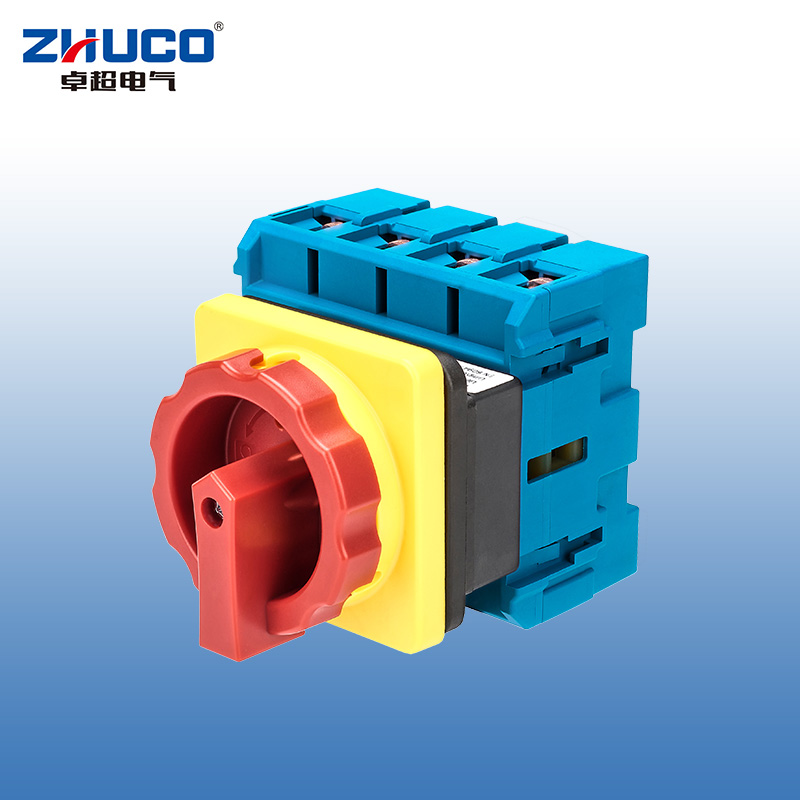
Basic Design and Function The core of a 4-pole load switch consists of four independent switching poles linked so they open or close togethe...
READ MORE







Basic Design and Function The core of a 4-pole load switch consists of four independent switching poles linked so they open or close togethe...
READ MORE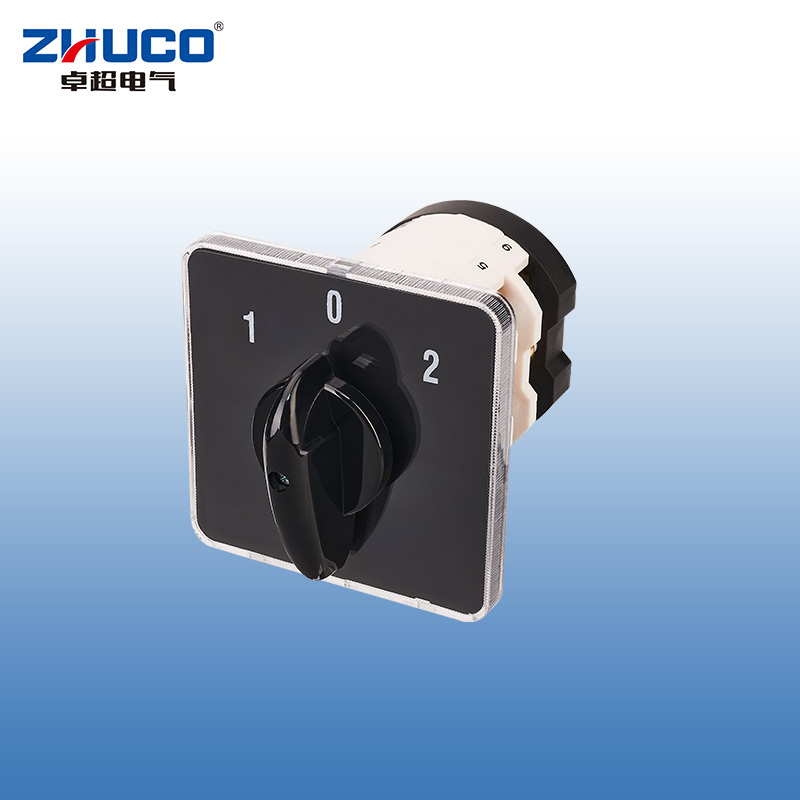
How The Switching Mechanism Works A Circuit Changeover Switch generally contains a movable contact mechanism that changes the connection bet...
READ MORE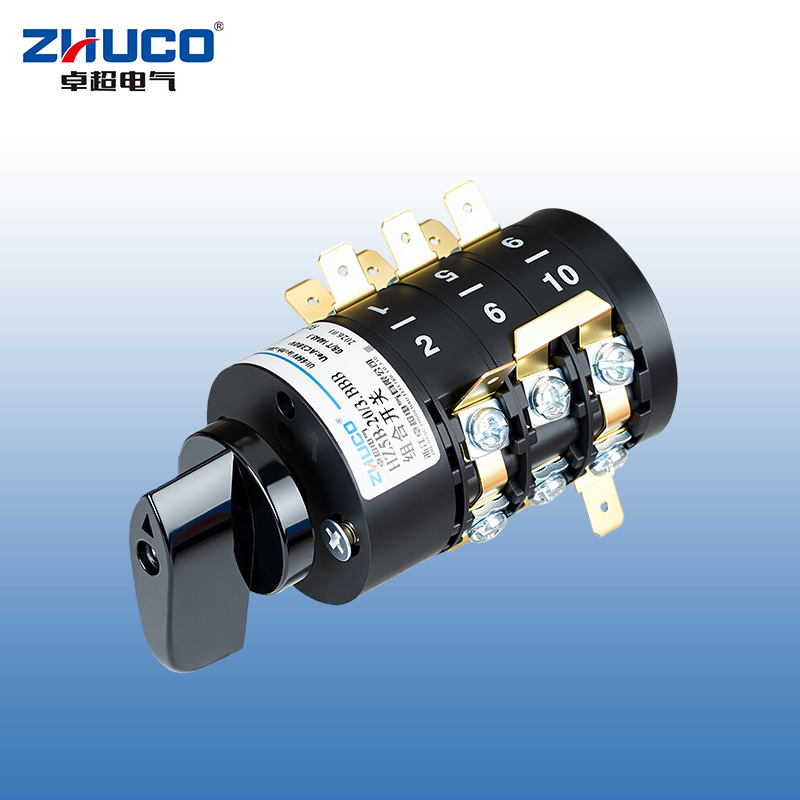
Electrical fitting suppliers have noticed a steady shift toward fixtures that do more within a single wall plate, and the combination switch...
READ MORE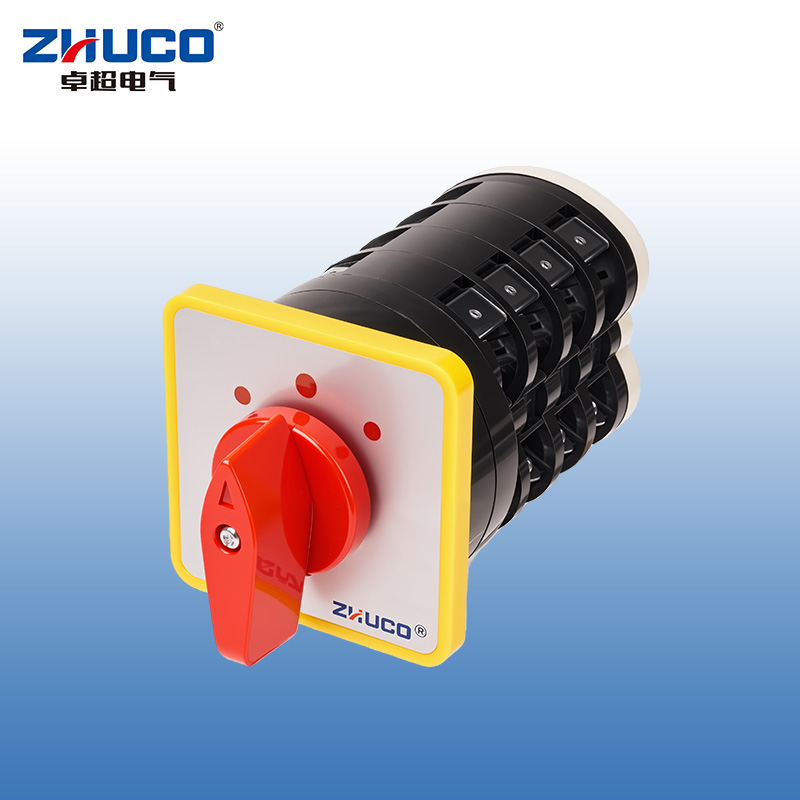
Electrical systems rely on countless small components to stay stable, and a voltage switch is one of the parts working quietly in the backgr...
READ MOREThe pole configuration of a load isolator switch must be determined primarily based on the system's grounding scheme, and finalized by integrating considerations regarding load characteristics, maintenance safety requirements, and regulatory standards—rather than being selected solely based on convention or economic expediency.
The 3-Pole Load Switch is the more widely utilized pole configuration in three-phase AC power distribution systems. Its three-pole synchronous operation ensures that all three phase circuits complete their switching (make/break) operations simultaneously, thereby eliminating the risk of damage—such as that caused by phase loss—to three-phase loads like electric motors.
When deploying a 3-Pole Load Switch in a TN-C system, particular attention must be paid to the handling of the PEN conductor. In a TN-C system, the neutral conductor and the protective earth conductor are combined into a single PEN conductor; this conductor must never be interrupted under any circumstances. A 3-Pole Load Switch interrupts only the three phase conductors while maintaining the continuity of the PEN conductor, thereby satisfying the fundamental safety requirements of the TN-C system.
Typical Applications and Configuration Considerations for 3-Pole Load Switches:
The 4-Pole Load Switch adds a dedicated neutral pole to the standard three-pole configuration, enabling the simultaneous switching of all three phase conductors and the neutral conductor. This additional capability offers indispensable safety value under specific system conditions.
In TN-S and TT systems, the neutral conductor and the protective earth conductor are kept entirely independent of one another. When a load isolator switch performs an isolation operation in such systems, if the neutral conductor fails to disconnect simultaneously with the phase conductors, residual voltage present on the neutral line could flow through the neutral point of the connected load equipment to ground, thereby creating a risk of electric shock. By synchronously interrupting the neutral conductor, the 4-Pole Load Switch completely eliminates this potential hazard. System Compatibility Comparison: 3-Pole vs. 4-Pole Load Disconnect Switches
| Comparison Dimension | 3-Pole Load Switch | 4-Pole Load Switch |
| Applicable Grounding Systems | TN-C Systems | TN-S, TT, and IT Systems |
| Neutral Line Handling | Neutral line remains connected (continuous) | Neutral line disconnects synchronously with phase lines |
| Isolation Integrity | Three-phase isolation | Complete four-wire isolation |
| Typical Applications | Industrial three-phase load circuits | Commercial buildings, data centers, medical facilities |
| Installation Space Requirements | Standard 3-pole width | Approx. 25%–35% wider than the 3-pole version |
| "Make-Before-Break" Neutral Design | Not applicable | Available on select models; prevents neutral line floating during switching |
The application of 4-Pole Load Switches is particularly critical in scenarios involving the switching between generator sets and utility mains. When the neutral grounding methods of the utility grid and the generator differ, a failure to switch the neutral line synchronously during the transition process can create a ground loop path between the two systems, potentially triggering nuisance tripping of protective devices or causing damage to equipment. The synchronous neutral switching function of the 4-Pole Load Switch eliminates this risk at the hardware level.
The specific application environment of Low-Voltage Cabinet Load Switches imposes a unique set of constraints on product selection—constraints that differ significantly from those encountered in standalone installation scenarios. The available installation space within the cabinet, thermal dissipation conditions, operational accessibility, and system integration interfaces collectively define the boundary conditions for selecting the appropriate Low-Voltage Cabinet Load Switch.
Key Dimensional Constraints for Cabinet Installation:
The front-panel mounting configuration represents the mainstream choice for integrating Low-Voltage Cabinet Load Switches into electrical cabinets. In this configuration, the operating handle and status indication window are positioned on the cabinet door panel, while the internal wiring terminals and main circuit busbars are connected within the cabinet interior. This design effectively harmonizes operational convenience with the maintenance of neat and organized internal wiring.