


 English
 русский
 Español
 Deutsch
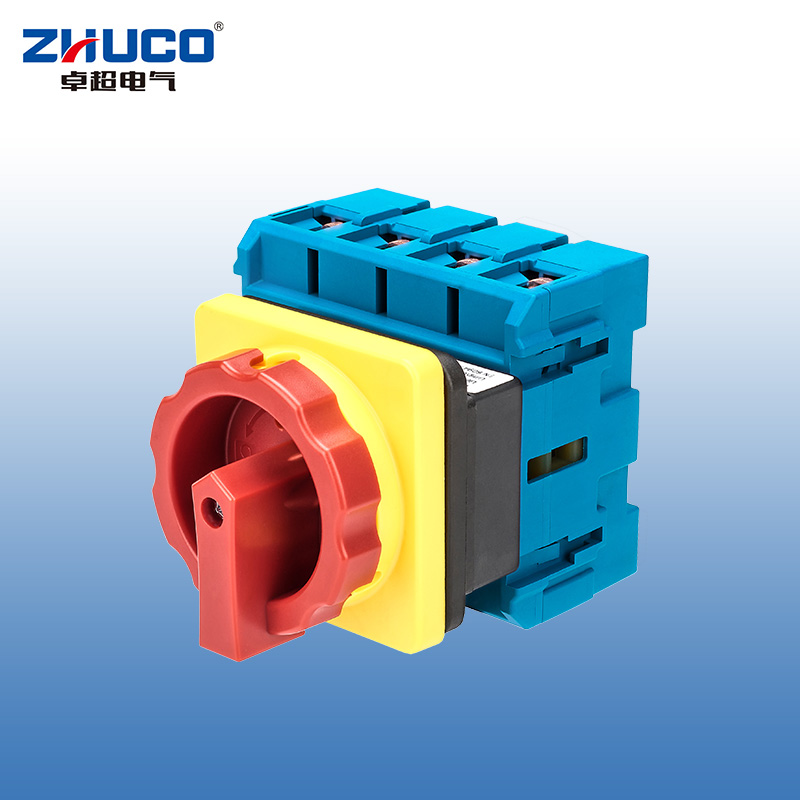
Basic Design and Function The core of a 4-pole load switch consists of four independent switching poles linked so they open or close togethe...
READ MORE

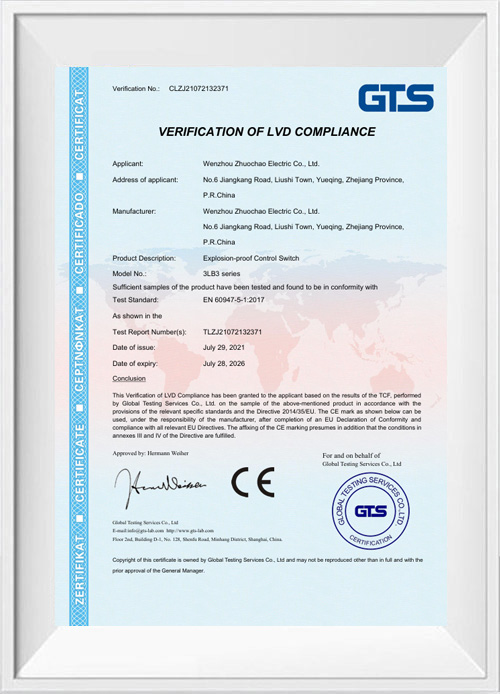
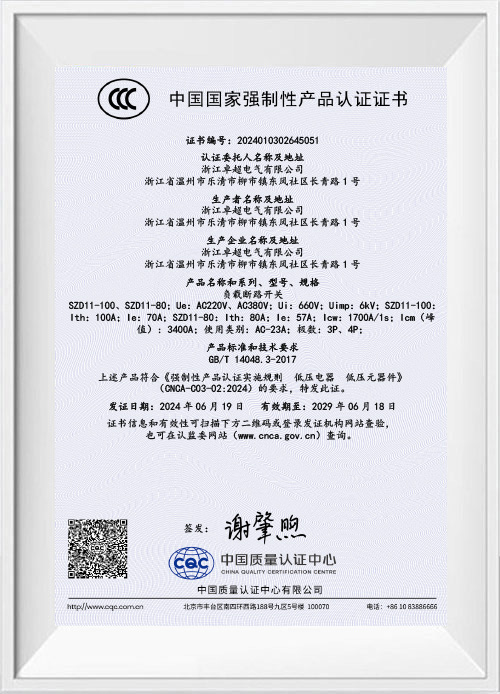
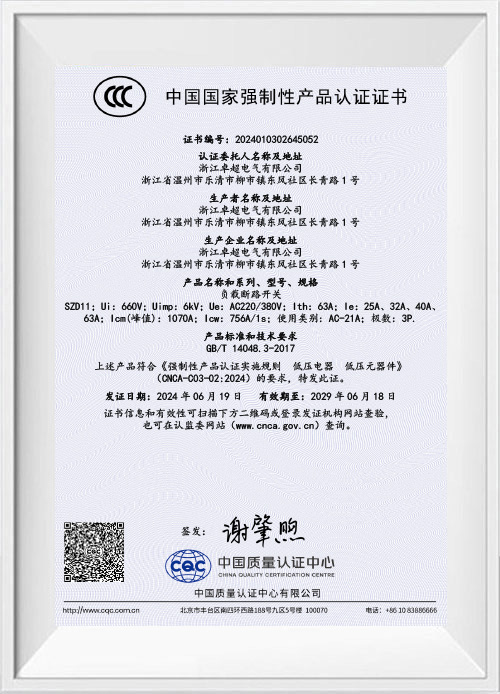
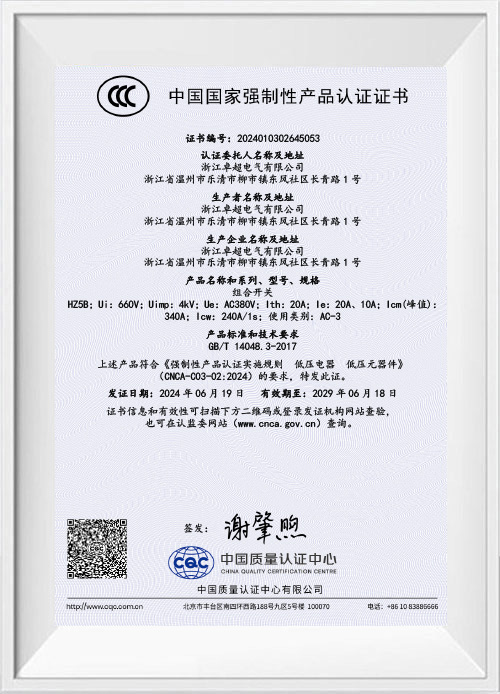
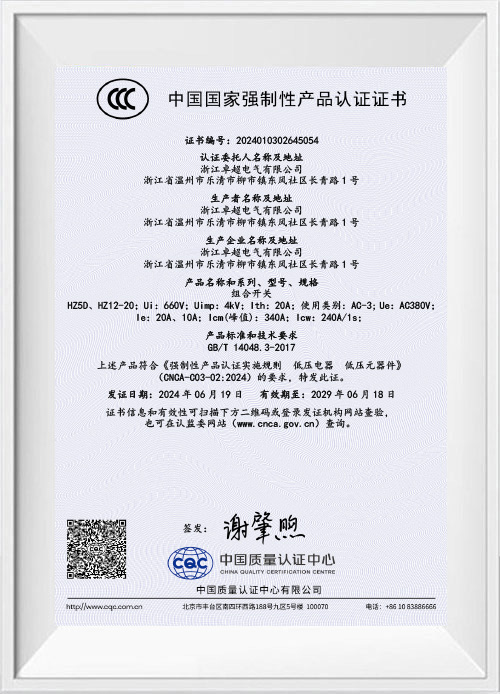
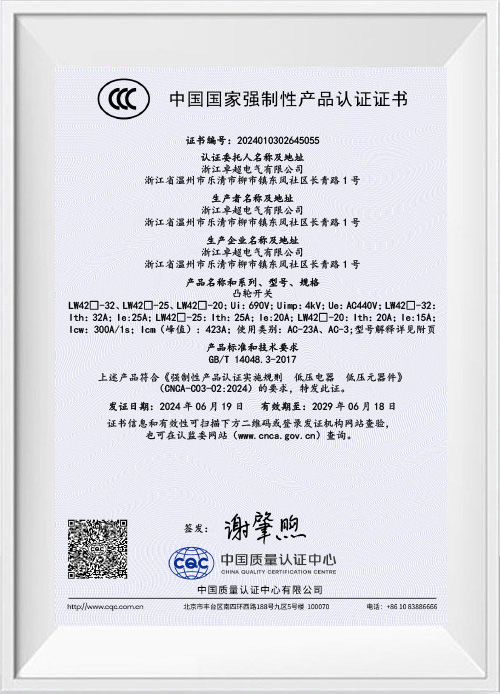
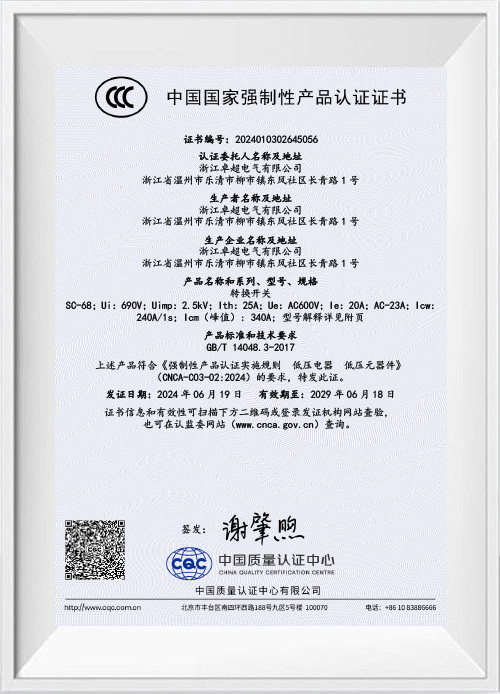
Basic Design and Function The core of a 4-pole load switch consists of four independent switching poles linked so they open or close togethe...
READ MORE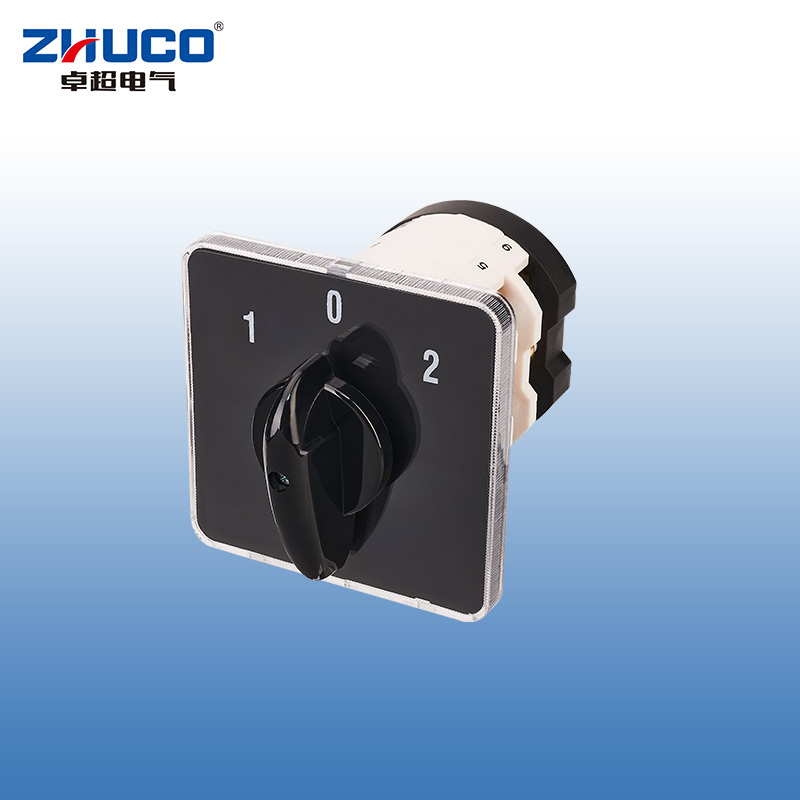
How The Switching Mechanism Works A Circuit Changeover Switch generally contains a movable contact mechanism that changes the connection bet...
READ MORE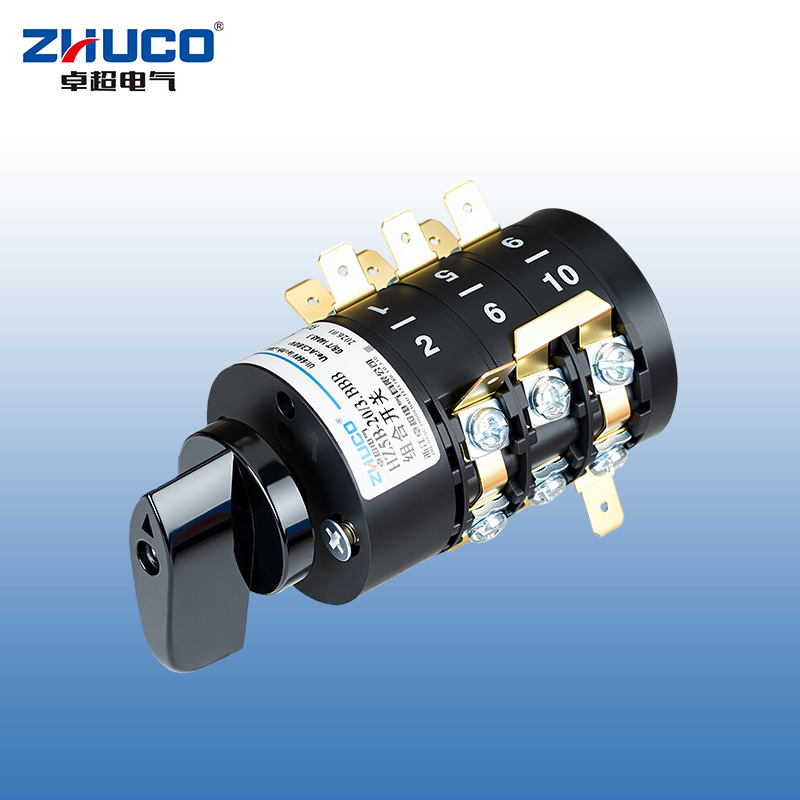
Electrical fitting suppliers have noticed a steady shift toward fixtures that do more within a single wall plate, and the combination switch...
READ MORE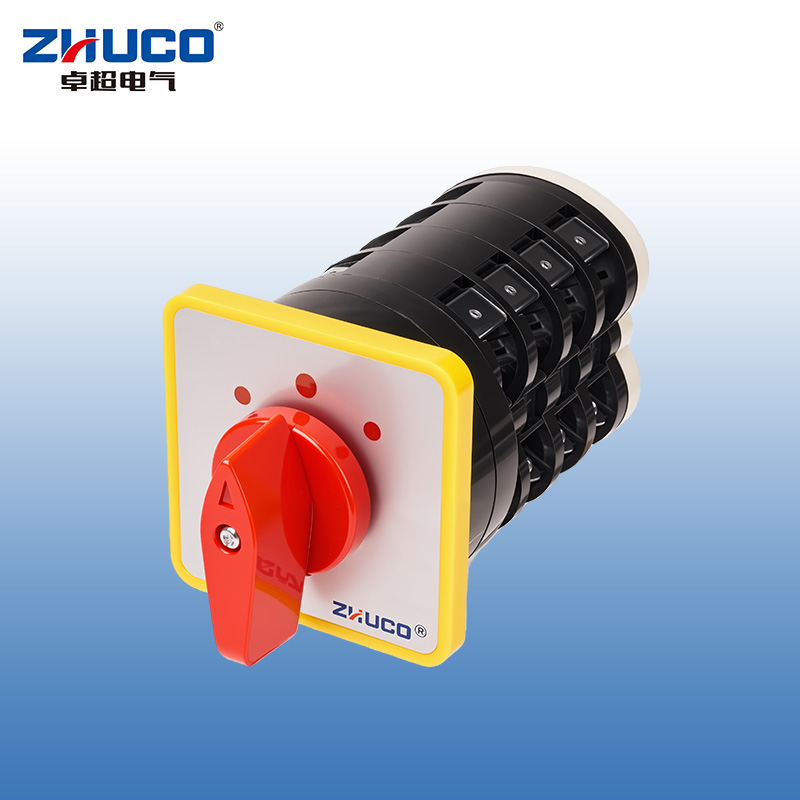
Electrical systems rely on countless small components to stay stable, and a voltage switch is one of the parts working quietly in the backgr...
READ MOREA Manual Changeover Switch is a core component within electrical power distribution systems that relies on human intervention to facilitate the switching of power supply circuits. Unlike Automatic Transfer Switching Equipment (ATSE)—which relies on a controller to execute switching actions automatically—the Manual Changeover Switch places the authority to make switching decisions entirely in the hands of the operator. By rotating a handle or actuating a mechanical lever, it enables safe and reliable manual switching between different power supply circuits.
This mode of operation—characterized by "human intervention and physical manipulation"—endows the Manual Changeover Switch with unique technical value: its operational logic is intuitive and transparent; its failure modes are simple and controllable; its maintenance costs are low; and, as it requires no external control power or signals, it remains capable of reliably executing switching operations even in extreme scenarios involving severe grid failures or total control system malfunctions. For these very reasons, the Manual Changeover Switch has long occupied an indispensable and critical position across a wide array of sectors, including industry, agriculture, construction, and emergency backup power systems.
The 4-Pole Manual Changeover Switch represents a core category within the product family of manual transfer switches, distinguished by its comprehensive technical specifications and its applicability across the widest range of scenarios. Its "4-pole" configuration establishes its pivotal role within three-phase, four-wire power supply systems.
The Electrical Significance of the 4-Pole Design
The term "4-pole" signifies that the switch simultaneously executes switching operations on four conductors. Specifically, these correspond to the three phase lines—L1 (Phase A), L2 (Phase B), and L3 (Phase C)—and one neutral line (N) within a three-phase AC system.
Compared to 3-pole switches, the primary advantage of the 4-pole Manual Changeover Switch lies in its capability to perform the synchronous switching of the neutral line. In TN-S or TN-C-S systems, if the neutral line fails to disconnect synchronously with the phase lines during a transfer operation, it can easily trigger a drift in the neutral point potential. This pilots to severe voltage imbalance across the three-phase loads—a condition that, at good, results in damage to precision equipment and, at worst, precipitates electrical fires. The 4-pole synchronous switching mechanism fundamentally eliminates this critical safety hazard.
Key Technical Parameters
The technical specifications for mainstream 4-pole manual changeover switches typically encompass the following ranges:
Typical Application Scenarios
Key Points for Installation and Operation Standards
During the installation and operation of the 4-Pole Manual Changeover Switch, the following standards must be strictly observed:
Before operation, it is mandatory to verify that both power sources have been disconnected; switching under load is strictly prohibited (unless the product is explicitly labeled as possessing load-switching capability). The switch should be installed in a well-ventilated location that allows for convenient operation; the recommended height for the center of the operating handle is between 1.2 and 1.5 meters above the ground. The cross-sectional area of the cables connected to the input and output terminals must correspond to the rated current, and the tightening torque for the terminal connections must comply with the manufacturer's specifications to prevent overheating failures caused by excessive contact resistance.
The Inverter Manual Changeover Switch is a specialized type of manual transfer switch designed specifically for inverter-based power supply systems. With the rapid proliferation of photovoltaic power generation, energy storage systems, and off-grid power supply applications, market demand for these devices has experienced sustained, high-speed growth in recent years.
Specific Characteristics of Inverter Power Supply Systems
An inverter converts Direct Current (DC)—sourced from photovoltaic modules, batteries, or energy storage systems—into Alternating Current (AC) to provide clean, stable electrical energy to a load. However, the AC output from an inverter presents complexities regarding phase and frequency synchronization relative to the utility grid. Consequently, when switching between inverter power and utility grid power, it is imperative to employ a dedicated transfer switch equipped with reliable isolation capabilities. This prevents unintended parallel operation between the inverter and the grid, thereby safeguarding the inverter equipment from damage and ensuring the safety of the power grid.
The Inverter Manual Changeover Switch was developed precisely to address these challenges; through a robust mechanical interlocking mechanism, it ensures that the inverter output circuit and the utility grid circuit can never be simultaneously connected under any circumstances.
Core Functional Features
Key Application Scenarios
Key Selection Criteria
When selecting an Inverter Manual Changeover Switch, particular attention should be paid to verifying the following technical specifications: the compatibility between the inverter's rated output current and the switch's rated current capacity; whether the switch's insulation voltage rating meets the inverter's big output voltage requirements; the reliability certification status of the mechanical interlocking mechanism; and whether the product has passed specialized testing and certification protocols tailored to inverter applications (such as the isolation function verification outlined in Annex B of IEC 60947-3).