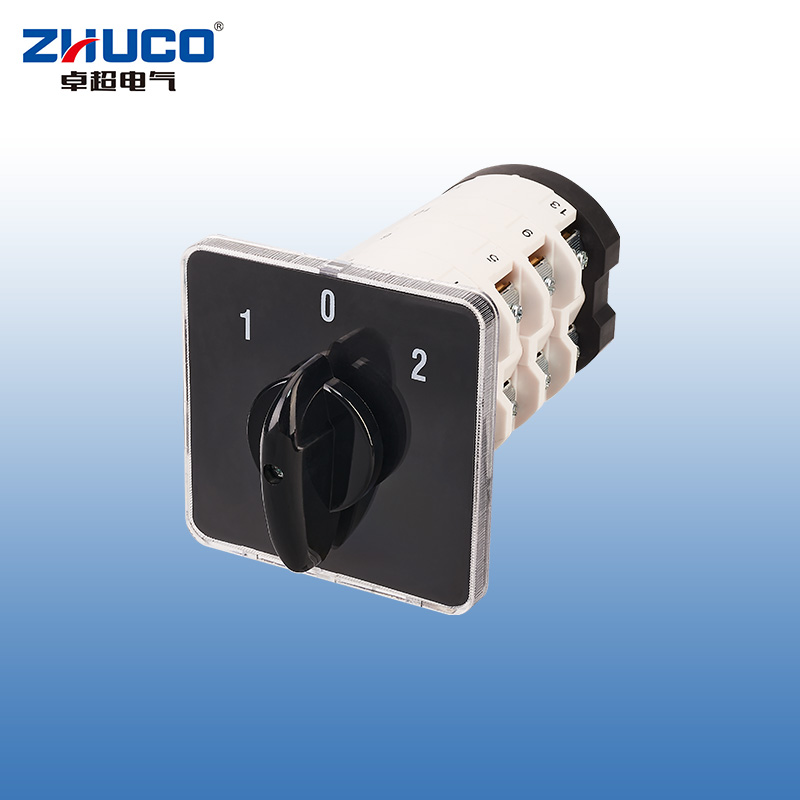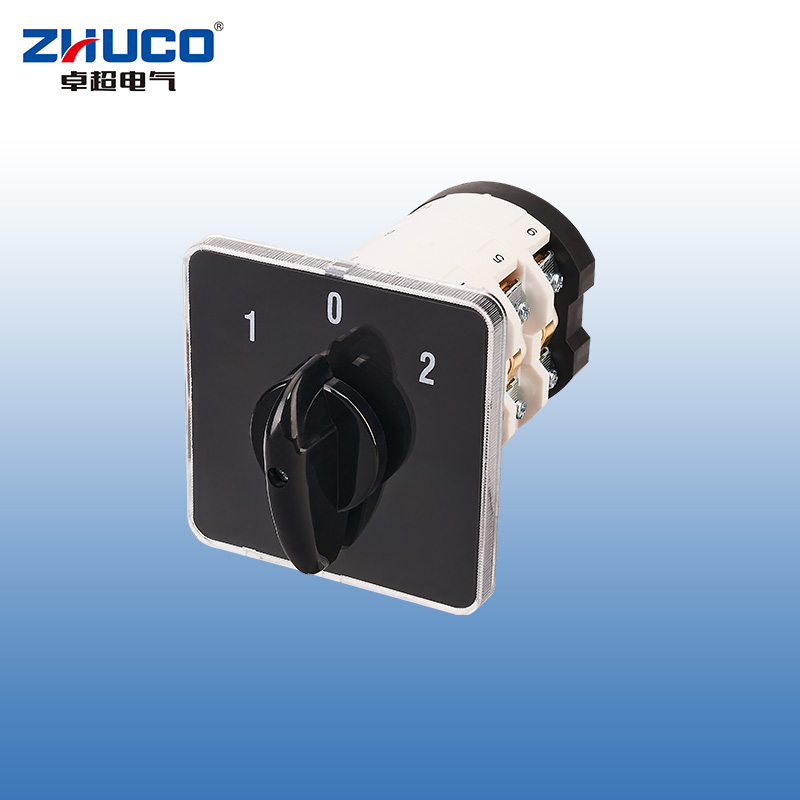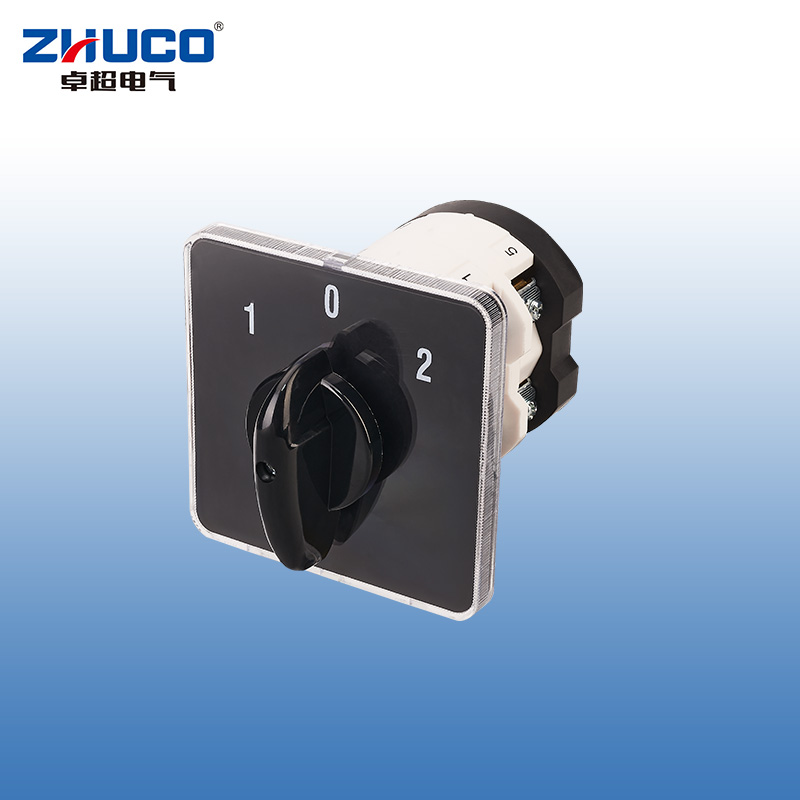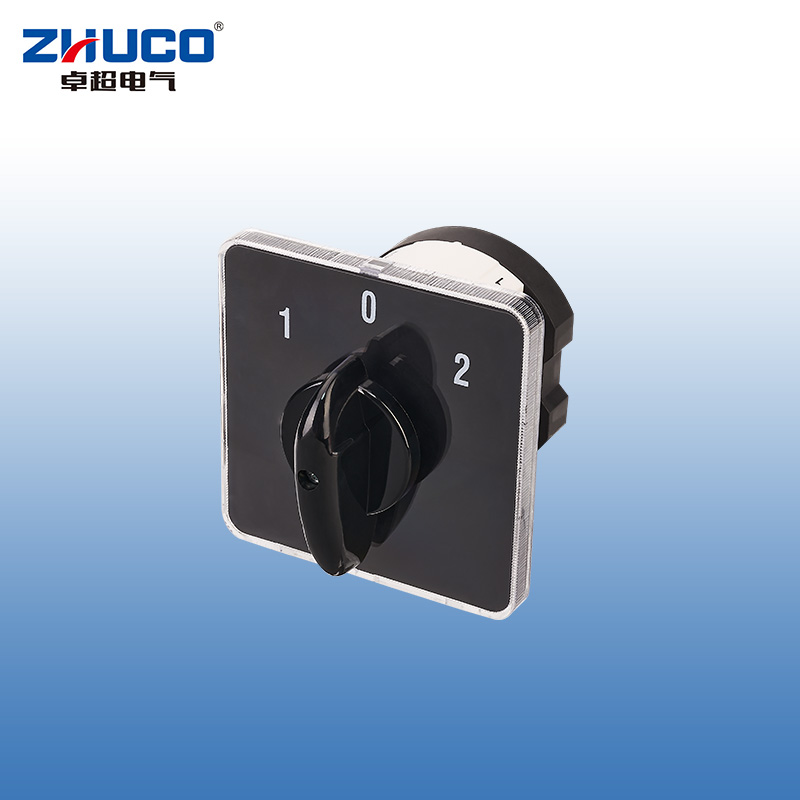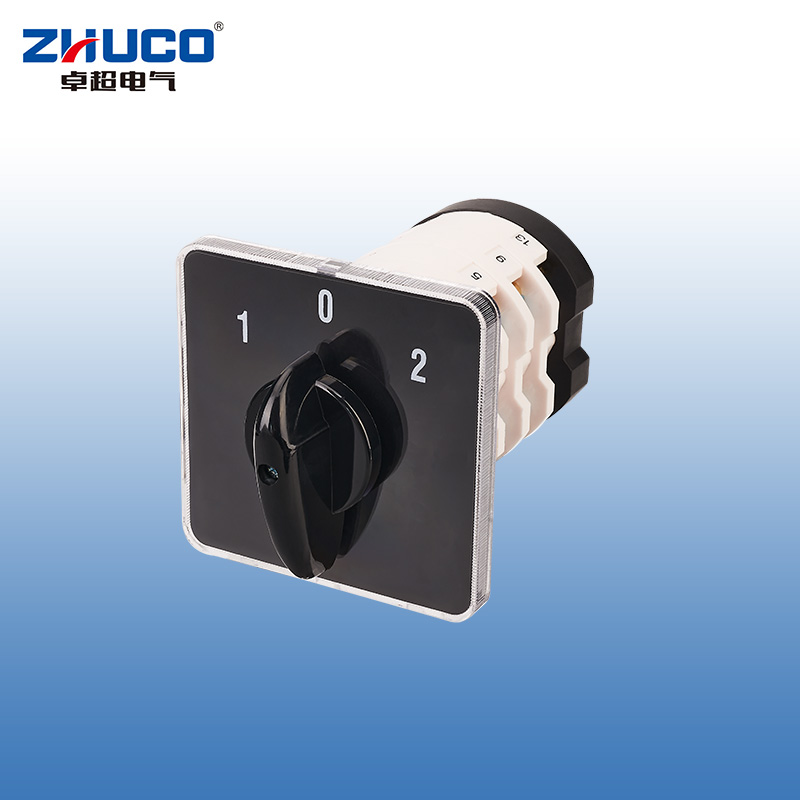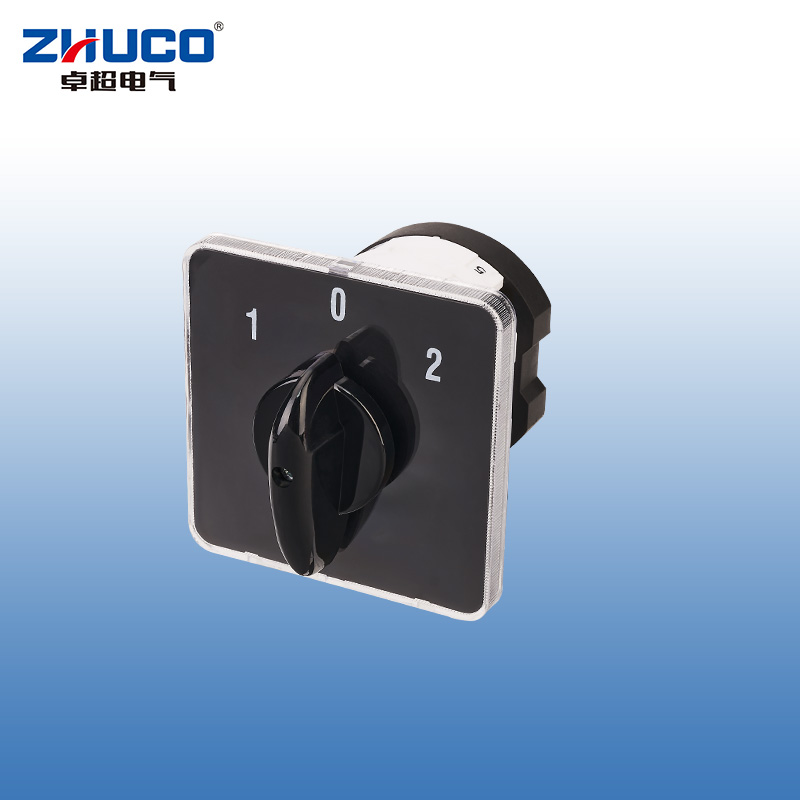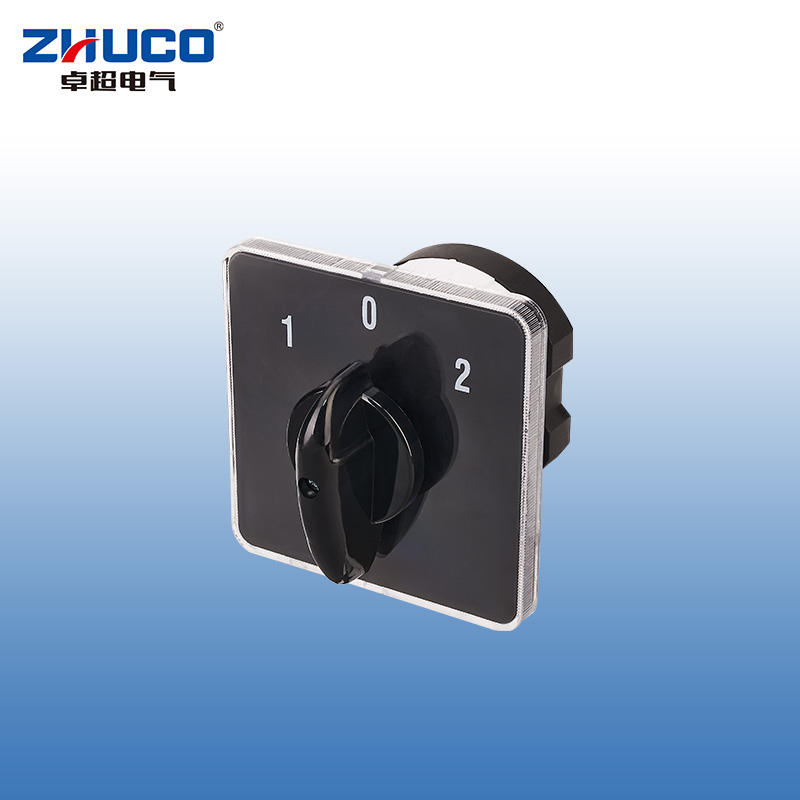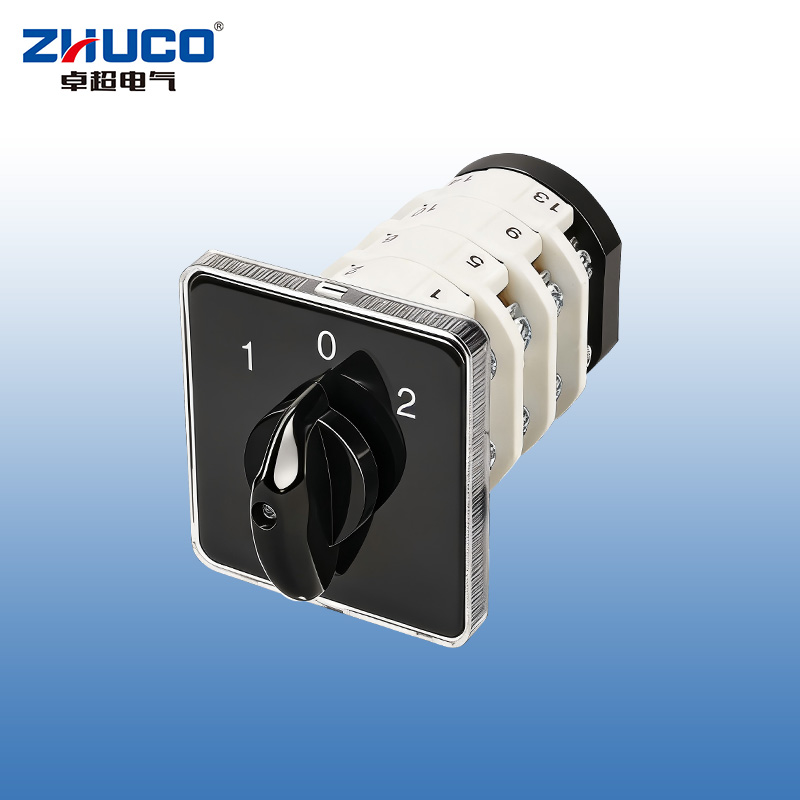
Multi-Pole Changeover Switch Manufacturer

Home / Product / Universal Changeover Switch / SZL9 Multi-function Power Changeover Switch
About Us
Zhejiang Zhuochao Electric Co., Ltd.
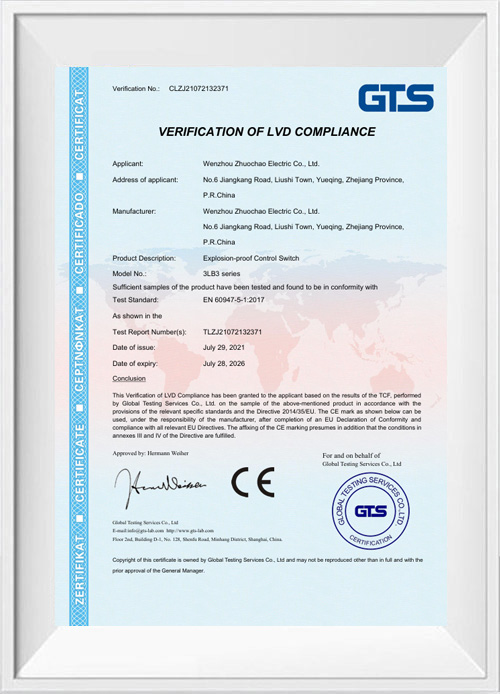
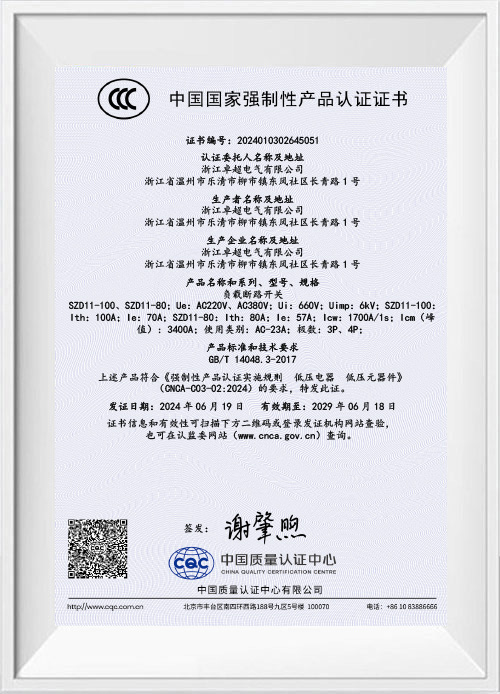
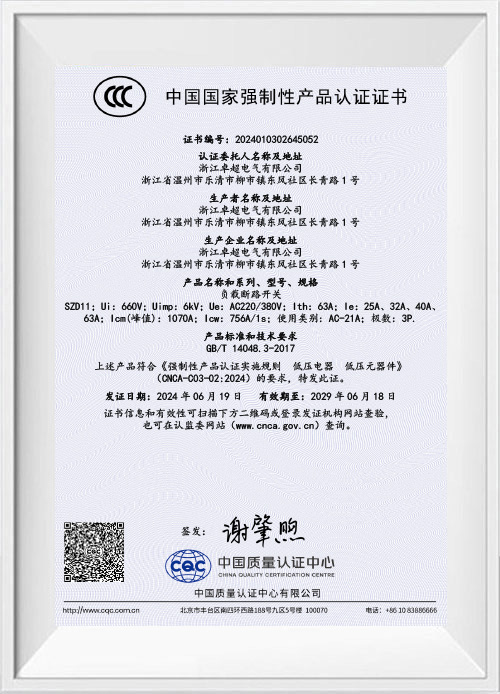
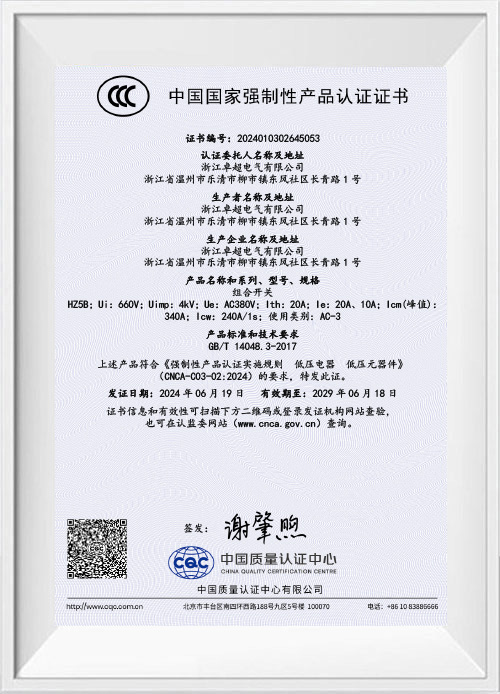
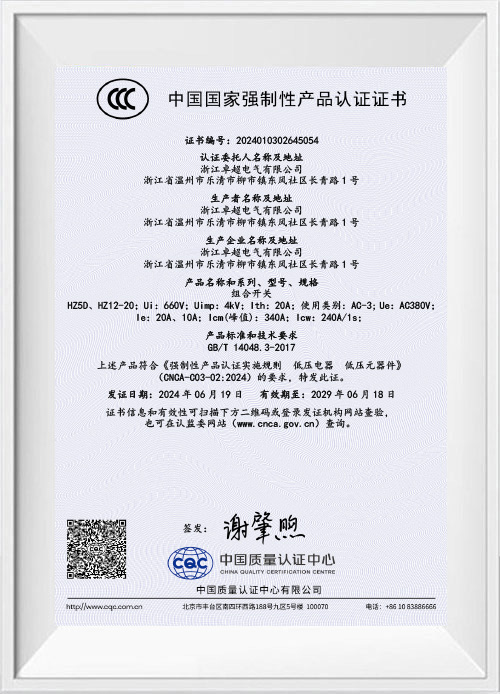
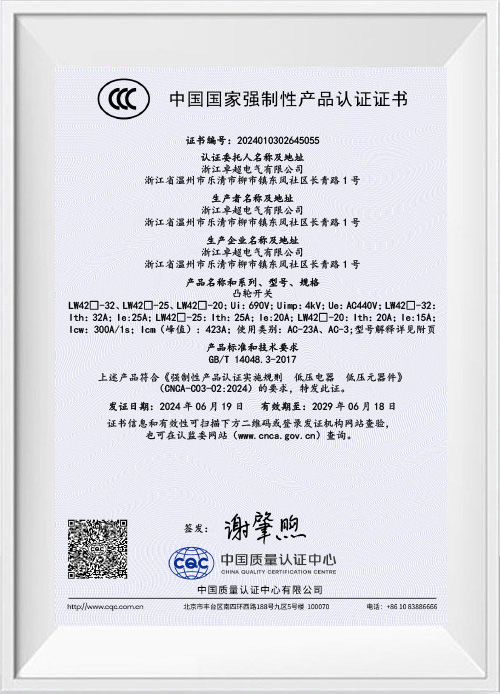
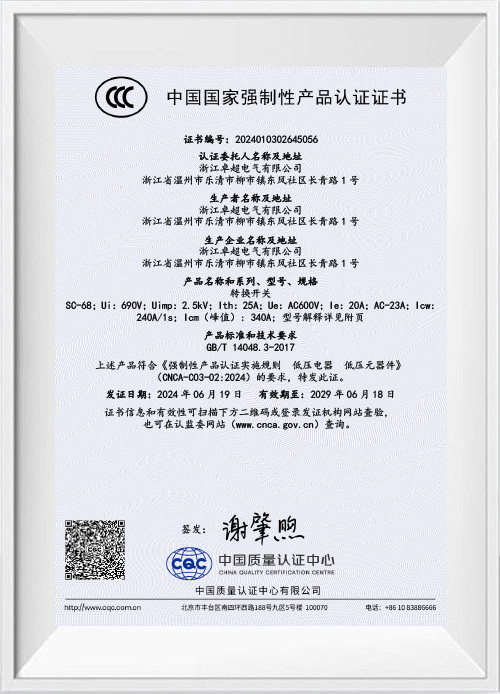
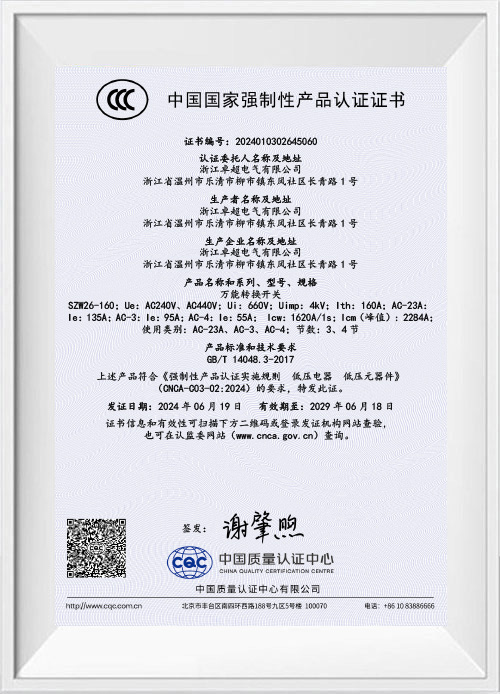
Founded in 2012, Zhejiang Zhuochao Electric Co., Ltd. has been specializing in the manufacture and sale of universal change-over switches, combination switches, power disconnect switches, load break switches and welding machine switches. In particular, the company's SZL9 Multi-function Power Changeover Switch feature advanced technology in the industry in the industry. Our products have obtained ISO 9001 Quality Management System Certification, National 3C Certification, TUV Certification, CE Certification and RoHS Certification, and are manufactured in strict compliance with national standards. They enjoy a strong market presence across China and are exported to numerous countries and regions in Europe, the Americas and Southeast Asia. We have also established cooperative partnerships with a number of internationally renowned brands.
Equipped with advanced production equipment and precision testing instruments, the company has introduced high-tech production processes and experienced engineers, providing support for product R&D, quality upgrading and management innovation. Thanks to the joint efforts of all employees and the strong support of domestic and overseas customers, we have accumulated rich experience in design, production and manufacturing. Currently, the company is committed to further expanding its overseas market share, and developing domestic market channels and customers. It also try to innovate marketing strategies, and build a sound market order to fully safeguard the interests of agents and customers. We unswervingly adhere to a clear market positioning, focus on two core points—technology innovation & reliable quality and marketing channel enhancement, and regard quality product, standardized market pricing and comprehensive after-sales service as three three fundamental commitments, so as to create a win-win development situation for both manufacturers and distributors.
Facing a promising future, the company will uphold the tenet of providing better products and services to satisfy customers. Relying on advanced modern enterprise management, we will deepen internal reforms, fully implement the quality assurance system, and carry forward the spirit of "Pragmatism, Integrity, Innovation and Progress". Looking ahead, we will continuously adjust the industrial structure, expand capital strength, implement the brand strategy, and march towards the global market!
Certificate Of Honor
  • 1
  • 2
  • 1
  • 2
  • 3
  • 4
  • 5
  • 6
Message Feedback
News
Industry knowledge

The Multi-function Power Changeover Switch serves as a core control component within modern electrical distribution systems, specifically designed to facilitate the safe switching and flexible allocation of power between different supply circuits. Whether in industrial plants, commercial buildings, or municipal infrastructure—virtually any facility involving the management of multiple power sources—these switches are an indispensable presence.

Unlike standard circuit breakers or disconnectors, the multi-function power changeover switch is fundamentally designed for "switching" rather than mere "protection." It prioritizes a seamless transition between different power supply states, ensuring a continuous power supply to critical loads while simultaneously upholding operational safety and system reliability. As modern power grids impose increasingly stringent requirements regarding power supply continuity, both the technological sophistication and market demand for these products are rising in tandem.


Structure and Advantages of Multi-Pole Changeover Switches

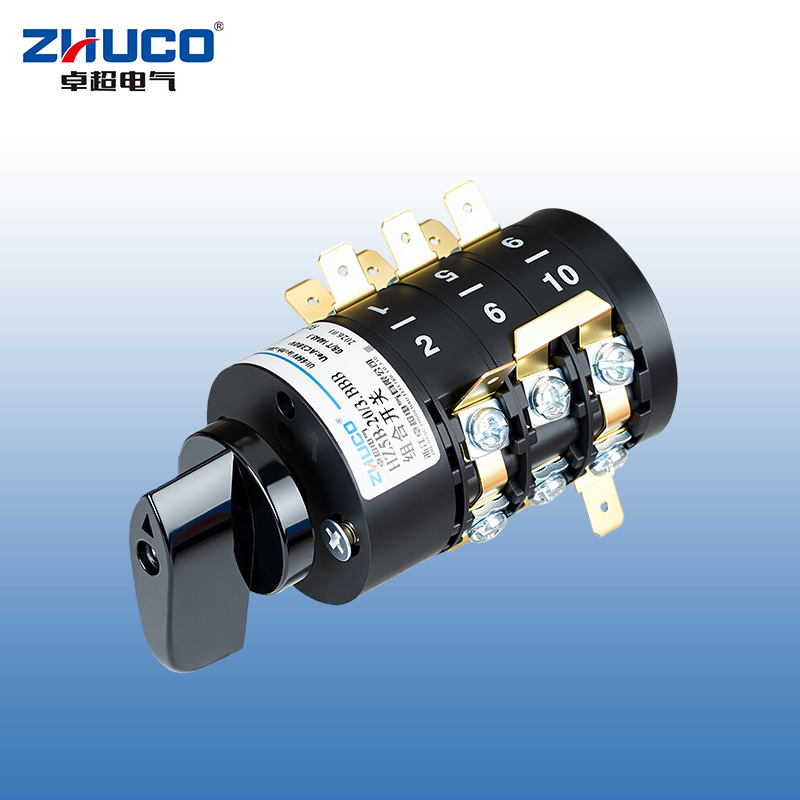
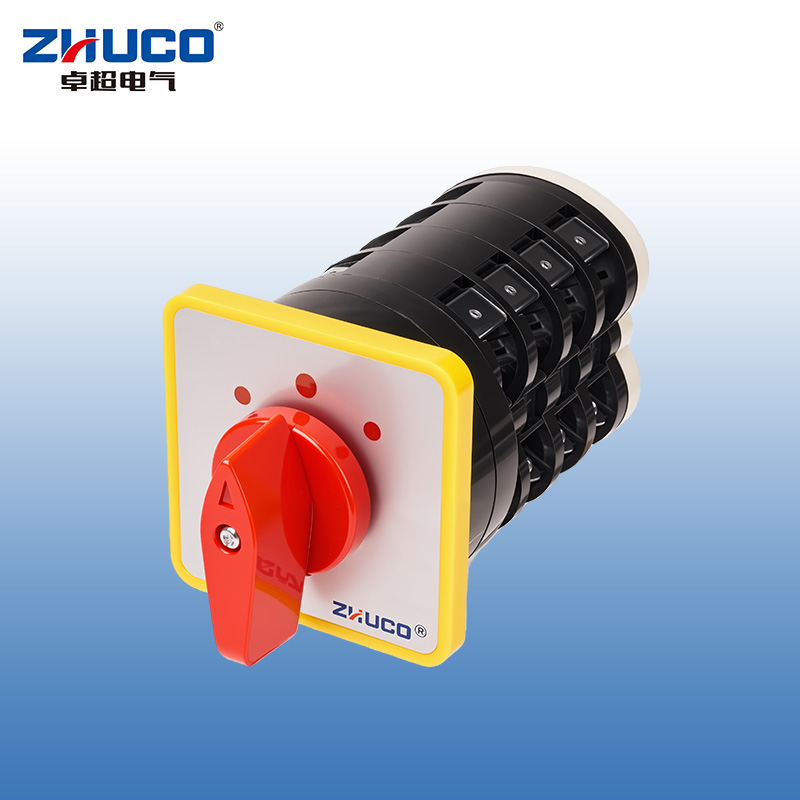
The Multi-Pole Changeover Switch represents one of the more technologically advanced and widely applied product variants within the category of multi-function power changeover switches. The term "multi-pole" signifies the switch's capability to simultaneously execute synchronized switching operations across multiple conductors (including both phase lines and the neutral line).

Pole Configurations and Electrical Significance

Depending on the specific requirements of the power supply system, multi-pole changeover switches typically offer the following pole configurations:

  • 2-Pole (2P): Suitable for single-phase, two-wire systems; commonly found in switching scenarios involving small-scale equipment or residential-level dual power sources.
  • 3-Pole (3P): Suitable for three-phase, three-wire systems; widely utilized for power switching applications involving industrial motor loads and power distribution circuits.
  • 4-Pole (4P): Suitable for three-phase, four-wire systems; this configuration simultaneously switches the neutral line alongside the three phase lines, effectively preventing electrical faults caused by neutral point drift. It is the preferred configuration for TN-S systems.

The core value of multi-pole synchronized switching lies in its ability to mitigate the risks of transient overvoltages or phase-to-phase short circuits that may arise from inconsistent switching timing across individual poles, thereby significantly enhancing the safety margin during the system switching process.

Typical Application Fields

  • Automatic Transfer Switching Equipment (ATSE): The Multi-Pole Changeover Switch serves as the core actuating mechanism for constructing ATSE units, ensuring safe, interlocked switching between utility power and backup generators.
  • Transformer Parallel Operation Control: Enables the switching and parallel operation of transformers through multi-pole synchronous switching.
  • Large-Scale UPS System Bypass Switching: Safely transfers the load to the utility bypass channel during UPS maintenance or in the event of a fault.
  • Wind and Solar Grid-Connection Control: Manages the switching and connection of power sources at renewable energy grid-connection points, ensuring compliance with grid access regulations.

Industry Positioning of Distribution Box Switches

A "Distribution Box Switch" specifically refers to a type of changeover switch product installed *inside* various distribution boxes (or panels), tasked with performing power distribution, circuit control, and protection functions. It serves as a critical node connecting the upstream power supply system to the downstream end-user equipment, directly determining the operational quality and ease of maintenance of the entire distribution system.

Functional Positioning of Distribution Box Switches

In practical engineering applications, Distribution Box Switches typically fulfill the following core functions:

  • Power Distribution Management: Distributes electrical energy from the upstream busbar to various branch circuits according to a predetermined scheme, thereby enabling zoned power supply and load balancing.
  • Circuit Isolation Operations: Provides a clearly visible point of disconnection during equipment maintenance or line faults, ensuring the personal safety of maintenance personnel.
  • Main/Backup Power Switching: In dual-source distribution boxes, it manages the manual or automatic switching operations between the primary power source and the backup power source.
  • Operational Mode Switching: In industrial control distribution boxes, it is used to toggle equipment operating modes—such as switching between local/remote control or automatic/manual modes.

Selection and Installation Considerations

The selection of a Distribution Box Switch requires a comprehensive assessment of the following factors:

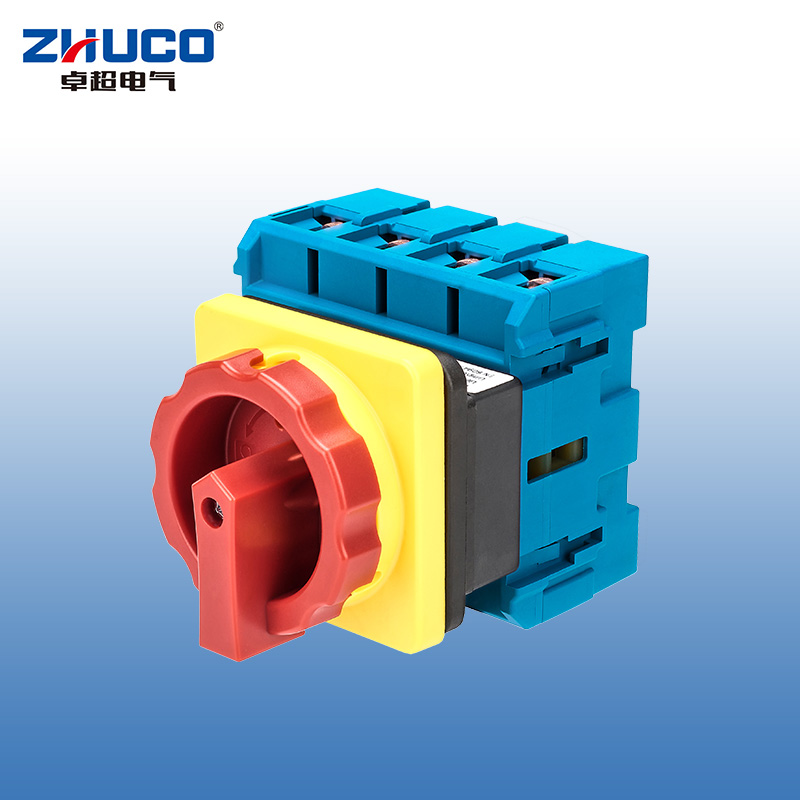
  • Installation Space Compatibility: Since internal space within distribution boxes is often limited, priority should be given to products with a compact structure and shallow installation depth; mounting via standard DIN rails (DIN35) is the more common choice in engineering practice.
  • Operational Convenience: Distribution Box Switches intended for use by general maintenance personnel should feature clear position markings and an ergonomic operating handle to small the risk of operational errors.
  • Protection and Insulation Performance: The internal environment of a power distribution box is complex; therefore, the switch body itself must possess good phase-to-phase and phase-to-ground insulation properties to prevent creepage and flashover incidents.
  • Interlocking and Anti-Misoperation Functions: Switches within dual-power transfer distribution boxes must be equipped with reliable mechanical interlocking mechanisms to physically eliminate the possibility of both power sources being connected simultaneously.

In-Depth Analysis of the 3-Position Changeover Switch

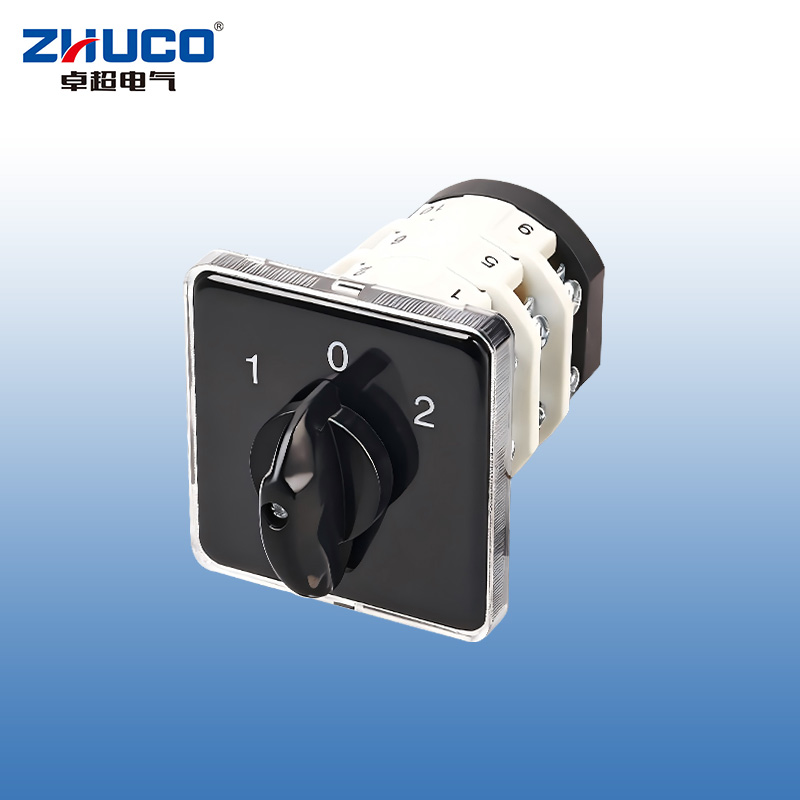
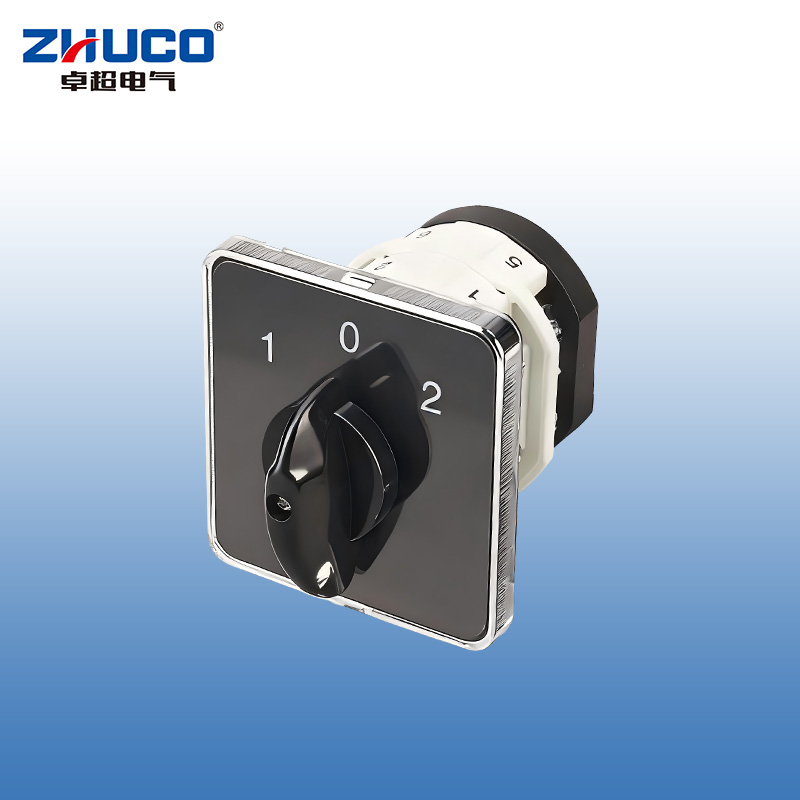
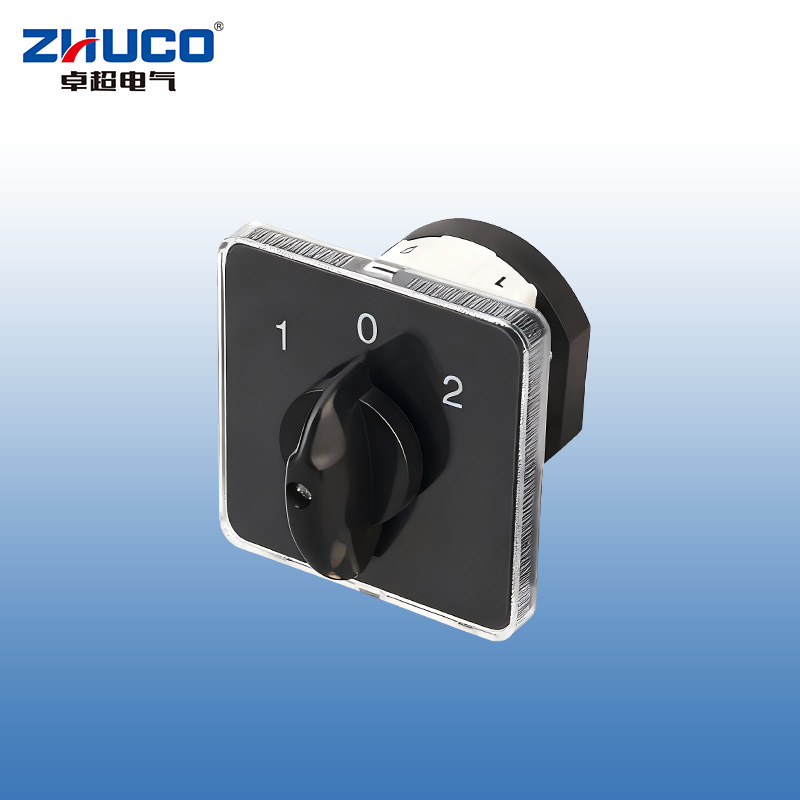
The 3-Position Changeover Switch has become one of the more widely adopted product specifications in the field of power transfer, thanks to its simple and intuitive three-position operating logic.

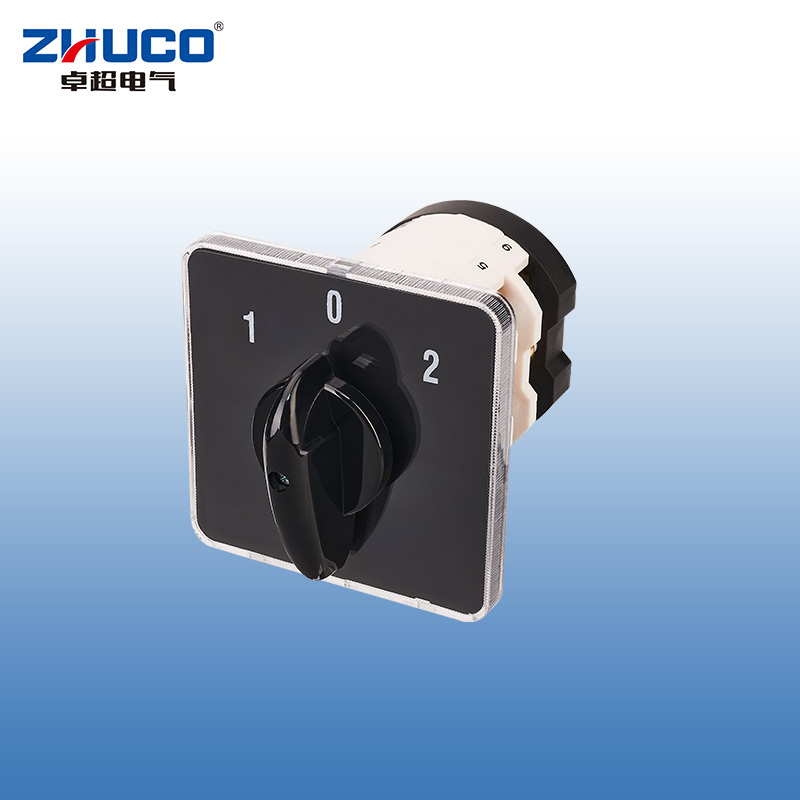
Operating Logic of the Three Positions

The three positions of a 3-position changeover switch are typically defined as follows:

  • Position I (Left): Connects Power Source A circuit and disconnects Power Source B circuit; the load is powered by Source A.
  • Position 0 (Center): Disconnects both Power Source A and Power Source B simultaneously; the load enters a power-off protection state, intended for use during maintenance or as a transition phase during switching.
  • Position II (Right): Disconnects Power Source A circuit and connects Power Source B circuit; the load is powered by Source B.

This "A—Off—B" three-position switching logic—by utilizing the intermediate "Off" position (Position 0)—effectively prevents parallel short circuits between the two power sources during the instant of switching. It represents the safest and more economical implementation method for manual dual-power transfer solutions.

The Importance of Mechanical Interlocking

The core safety feature of the 3-Position Changeover Switch lies in its built-in mechanical interlocking structure. This mechanism physically guarantees that the switch cannot simultaneously occupy both Position I and Position II; in other words, under no circumstances can a state occur where both power sources are conducting concurrently. This feature is particularly critical in the following scenarios:

  • Switching between utility power (mains) and a diesel generator set (to prevent the generator from causing grid-connection shock to the utility network);
  • Switching between a main transformer and a backup transformer (to prevent circulating currents between transformers from damaging equipment);
  • Switching between a normal power supply circuit and an emergency lighting circuit (to satisfy fire safety codes regarding independent power supply requirements).

Rated Parameters and Certification Standards

The technical specifications for mainstream 3-position changeover switches typically encompass: a rated operating current ranging from 16A to 125A, a rated insulation voltage of 690V AC, and a mechanical life of no fewer than 20,000 operating cycles. Furthermore, these products are required to obtain certification under IEC 60947-3 (the standard for low-voltage switchgear and controlgear—isolators). Some products also simultaneously acquire international certifications—such as UL, CE, and CCC—to meet market access requirements across various countries and regions.


Industry Application Scenarios and Future Development Directions

Key Industry Applications

  • Data Center Sector: Data centers demand extremely high levels of power supply continuity. Multi-function power changeover switches, when paired with UPS systems, establish a multi-redundant power architecture to ensure the uninterrupted 24/7 operation of IT equipment.
  • Healthcare Sector: Critical medical facilities—such as operating rooms and ICUs—must be equipped with medical-grade power transfer systems that comply with the IEC 60364-7-710 standard; the required switching time is typically mandated to be within 0.5 seconds.
  • Transportation Infrastructure: Fire safety, lighting, and ventilation systems in locations such as subway stations, tunnels, and airports all require reliable power transfer devices to ensure safe evacuation during emergency situations.
  • Industrial Manufacturing Sector: Continuous-production facilities (e.g., chemical plants, steelworks, and paper mills) are highly sensitive to losses caused by power outages; consequently, the switching reliability of power transfer switches directly impacts both production safety and economic efficiency.

Technological Development Trends

  • Intelligent Monitoring and Remote Control: The new generation of products integrates IoT communication modules and supports industrial communication protocols—such as Modbus and PROFIBUS—to enable remote status monitoring and the issuance of operational commands.
  • Rapid Switching Technology: For precision equipment that is highly sensitive to power interruptions, novel solid-state hybrid transfer switches reduce switching times to the millisecond range—a performance level far good to that of traditional mechanical switches.
  • Integrated Design: Transfer switches, controllers, display screens, and communication modules are highly integrated to form a compact, all-in-one dual-power transfer unit, thereby simplifying engineering design and reducing the workload associated with on-site installation.