


 English
 русский
 Español
 Deutsch
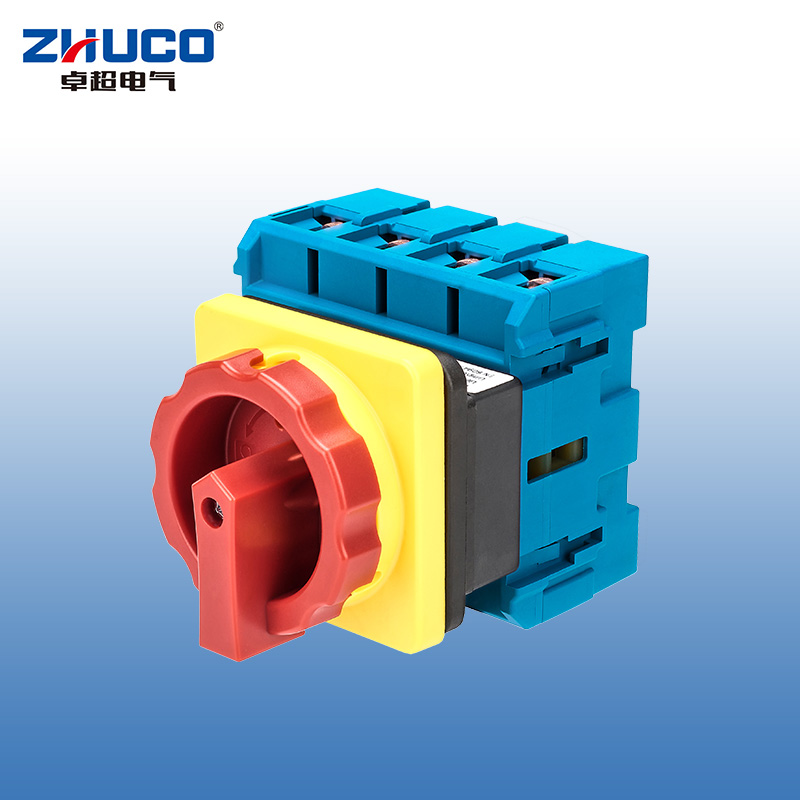
Basic Design and Function The core of a 4-pole load switch consists of four independent switching poles linked so they open or close togethe...
READ MORE

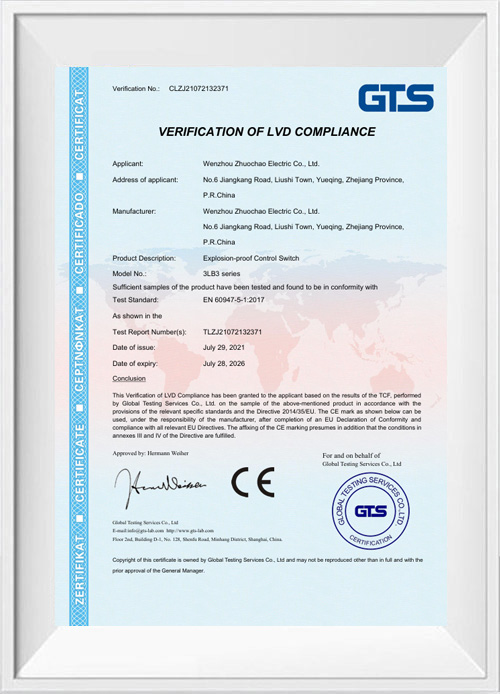
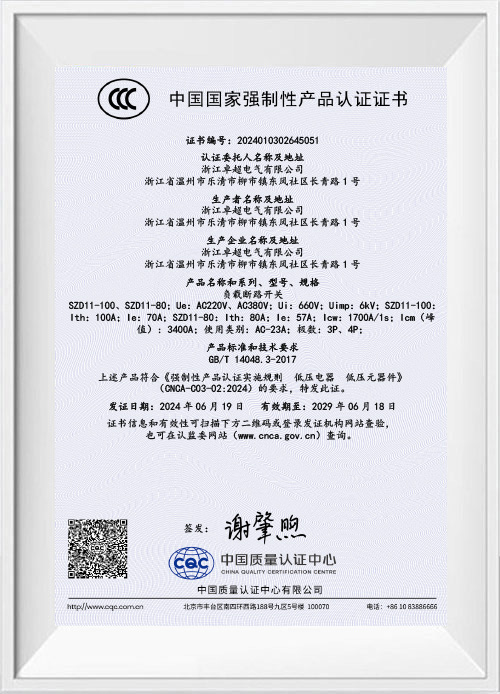
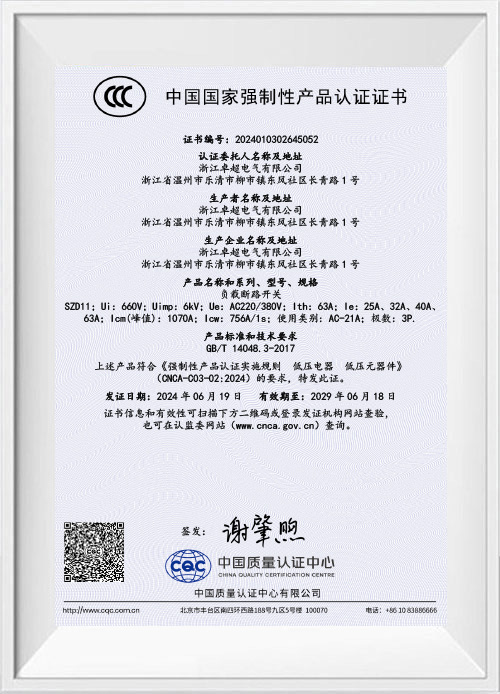
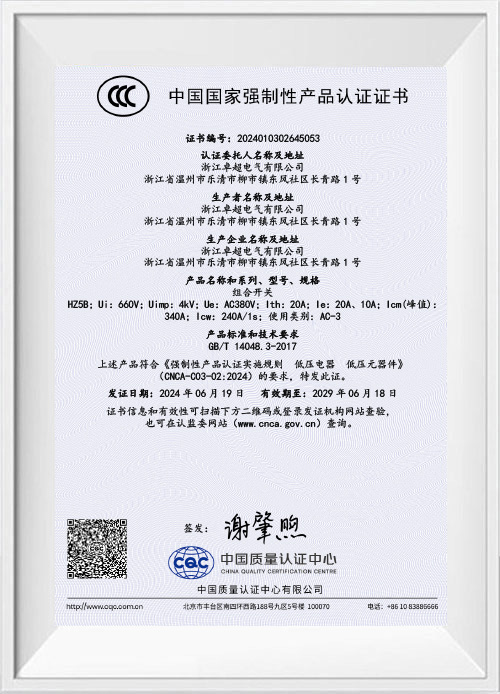
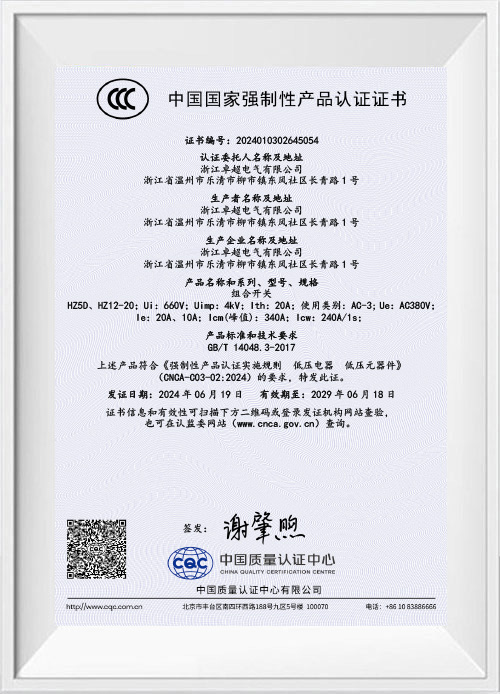
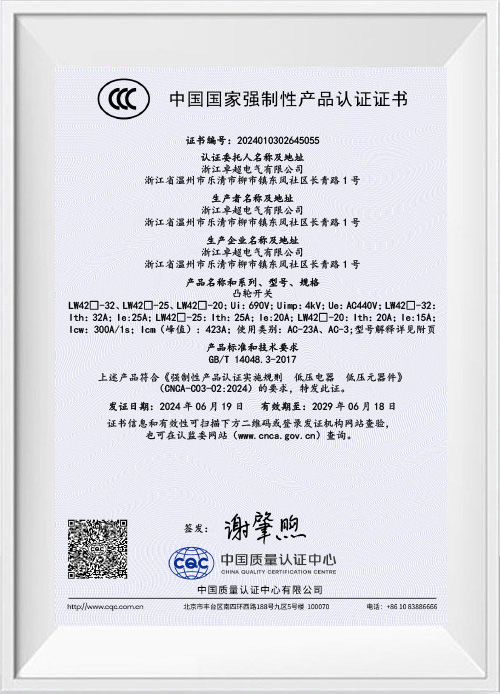
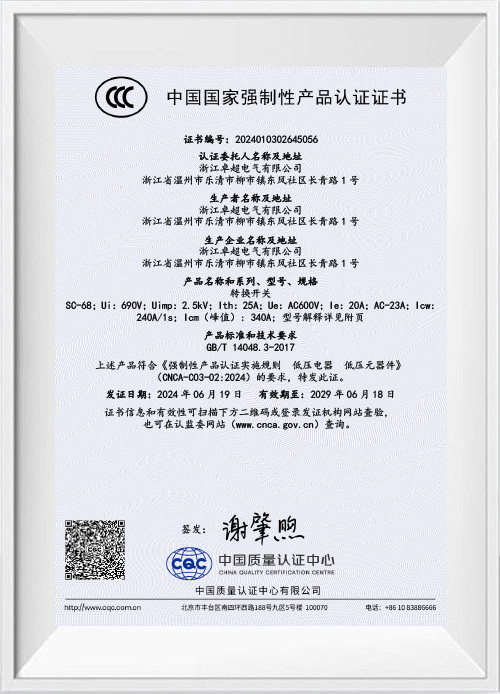
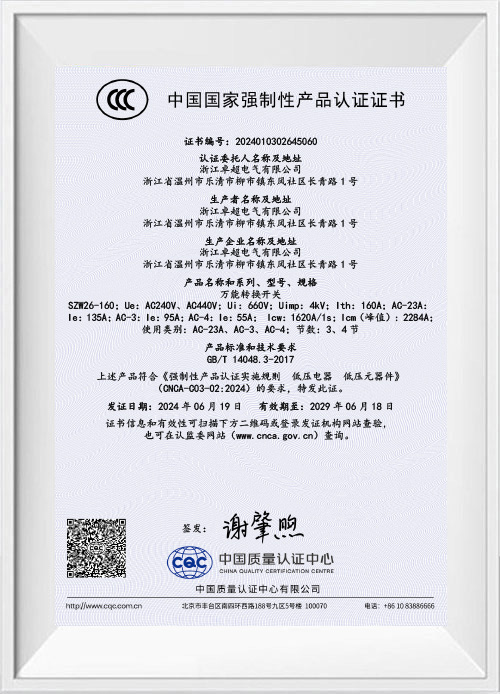
Basic Design and Function The core of a 4-pole load switch consists of four independent switching poles linked so they open or close togethe...
READ MORE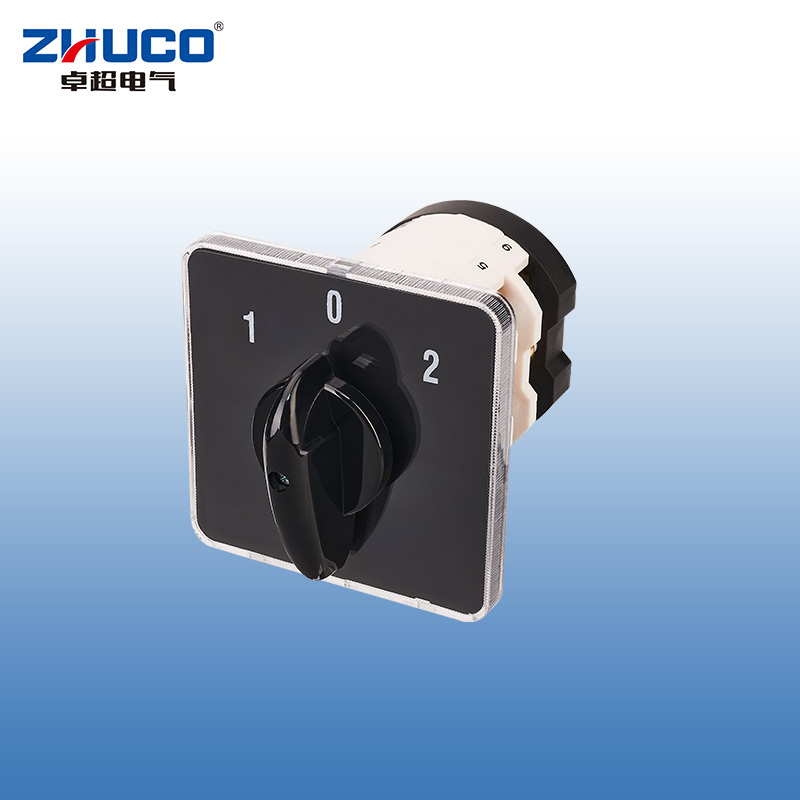
How The Switching Mechanism Works A Circuit Changeover Switch generally contains a movable contact mechanism that changes the connection bet...
READ MORE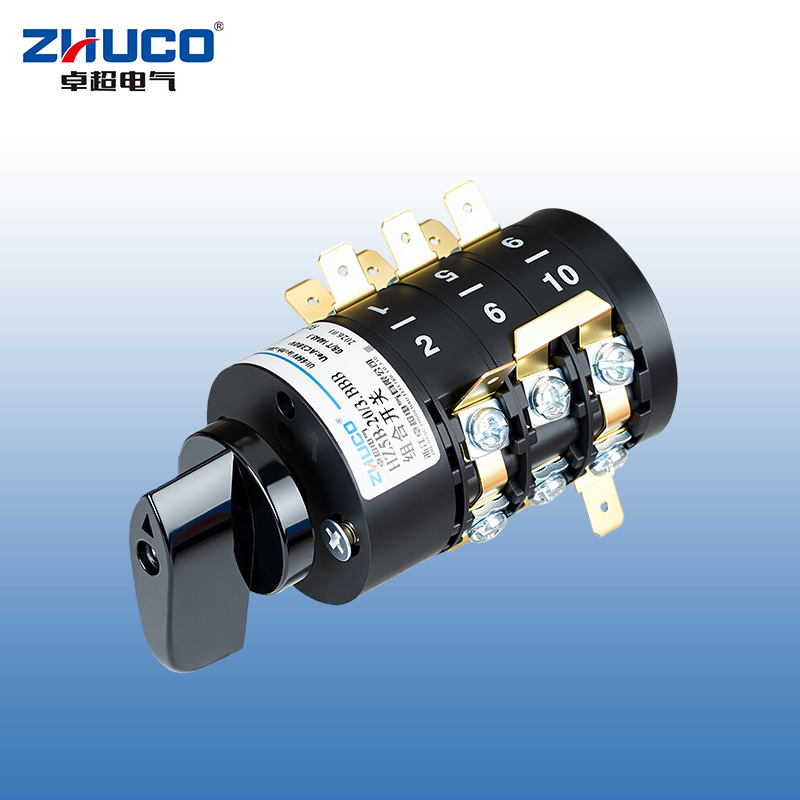
Electrical fitting suppliers have noticed a steady shift toward fixtures that do more within a single wall plate, and the combination switch...
READ MORE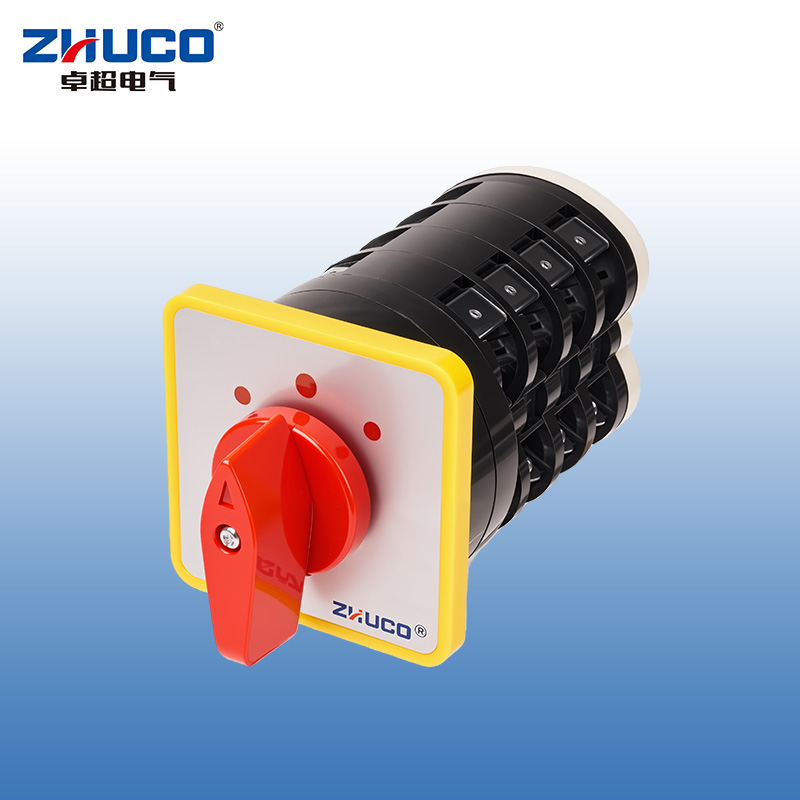
Electrical systems rely on countless small components to stay stable, and a voltage switch is one of the parts working quietly in the backgr...
READ MOREThe core actuating component within the control signal layer, the Low-Power Control Switch has long since transcended simple on/off switching; it is now deeply embedded within various speed management logics.
In multi-speed motor drive systems, the switching of speed gears involves not merely an electrical action, but also the matching of mechanical transmission ratios, the re-establishment of thermal equilibrium, and the synchronized adjustment of process parameters. In this process, the control switch assumes the role of a "command and dispatch" center; the accuracy of its signals and the precision of its timing directly determine the operational quality of the entire transmission system.
The application scope of the High/Low Speed Changeover Switch in industrial settings is extremely broad—ranging from packaging assembly lines in light industry to mine hoists in heavy industry—where the demand for speed gear switching is virtually ubiquitous.
Textile and Dyeing Industries
Textile machinery requires vastly different operating speeds across three distinct stages: yarn threading, pattern alignment, and normal production. The switching signal from the High/Low Speed Changeover Switch triggers the main control system to adjust the variable frequency drive's output frequency; simultaneously, it actuates the compensation mechanism of the tension rollers to ensure that fabric tension remains uniform during the speed transition, thereby preventing yarn breakage or color discrepancies.
Hoisting and Port Machinery
Bridge cranes and gantry cranes require a transition from their normal working speed to a "creep" speed during the final positioning of heavy loads; in this context, the switching precision of the High/Low Speed Changeover Switch directly impacts positioning accuracy. Typical technical requirements for such applications include:
Elevators and Escalators
Speed switching during the "leveling" phase—when a passenger elevator aligns itself precisely with a floor landing—represents one of the more quintessential applications of the High/Low Speed Changeover Switch. The switching logic is deeply coupled with floor sensors, door zone signals, and safety interlock circuits; consequently, any deviation in switching timing will manifest directly as a decline in ride comfort or a drift in leveling accuracy.
Unlike high/low speed switching—which primarily focuses on changes in speed magnitude—the Fast/Slow Speed Changeover Switch is predominantly utilized in the realms of process cycle management and precision positioning control. Its switching logic is often tightly coupled with the specific progression nodes of the production workflow.
Machine Tool Machining
In the context of CNC machining, the transition between rapid traverse (fast feed) and cutting feed essentially represents a management of the balance between machining efficiency and machining precision. The Fast/Slow Speed Changeover Switch receives trigger signals—typically M-codes or G-codes—from the CNC system to coordinate the timing relationship between spindle speed adjustments and feed axis velocity switching. The switching strategy under typical operating conditions is as follows:
Automated Assembly Lines
In applications such as automotive component assembly and electronic component placement, the switching between fast and slow conveyor belt speeds is highly synchronized with the operational rhythm of the individual workstations. Here, the Fast/Slow Speed Changeover Switch serves to distribute the timing signals, ensuring that each workstation completes its specific operation while in the slow-speed state, and executes workpiece transfer while in the fast-speed state, thereby establishing a smooth, pulsating operational rhythm.
Printing and Packaging Equipment
During the plate alignment phase, printing presses require extremely low-speed jogging operation; conversely, the normal printing phase demands high-speed stability. The Fast/Slow Speed Changeover Switch operates in conjunction with the registration detection system: when a registration error exceeds the allowable tolerance, it automatically triggers a command to reduce speed; once the necessary compensation has been completed, it restores the machine to its normal operating speed—all without requiring any manual intervention.
The reliability of low-power control circuits depends largely on the proper matching of the switch's own electrical parameters with the overall quality of the circuit design. The following are key technical details requiring special attention in engineering practice:
(Involving the High/Low Speed Changeover Switch and the Fast/Slow Speed Changeover Switch) For the Switch-based compound speed control system, the commissioning phase requires strict adherence to a specific sequence of logical validation steps:
As the Low-Power Control Switch within a speed switching system is subjected to frequent operations over extended periods, performance degradation is an unavoidable objective reality. The primary criteria for determining when a device has entered its maintenance window include:
Regular measurement of performance baselines and the tracking of degradation trends are prerequisites for effectively implementing a planned maintenance strategy.