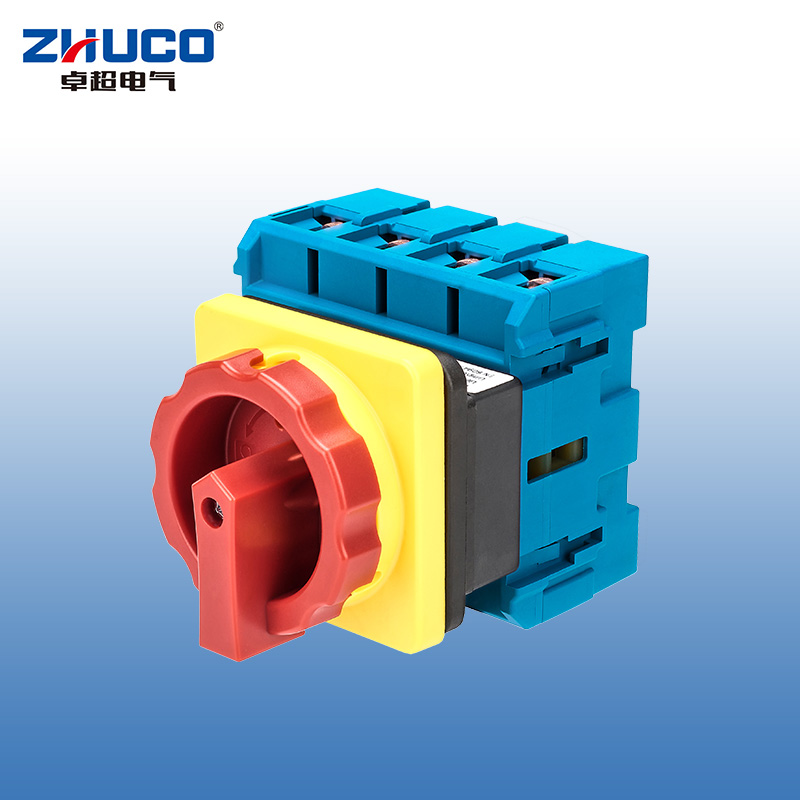
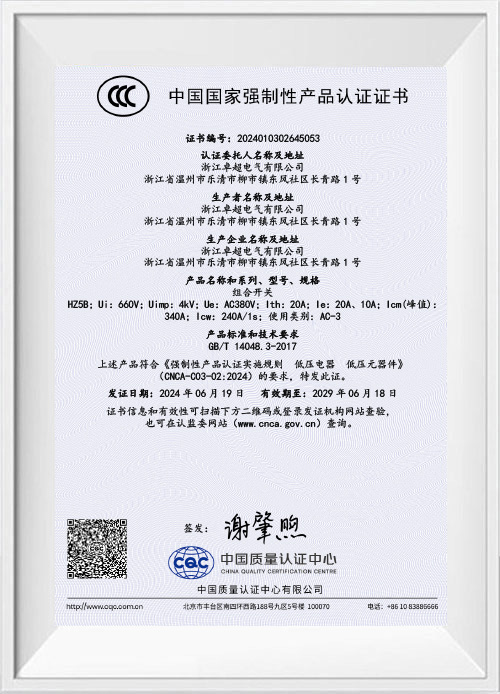
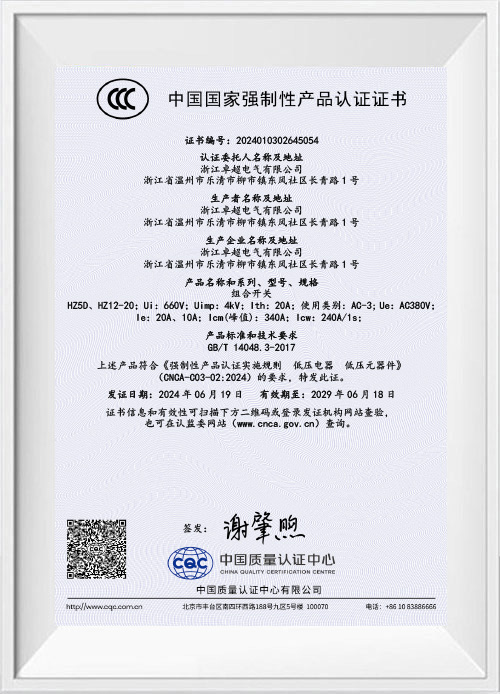
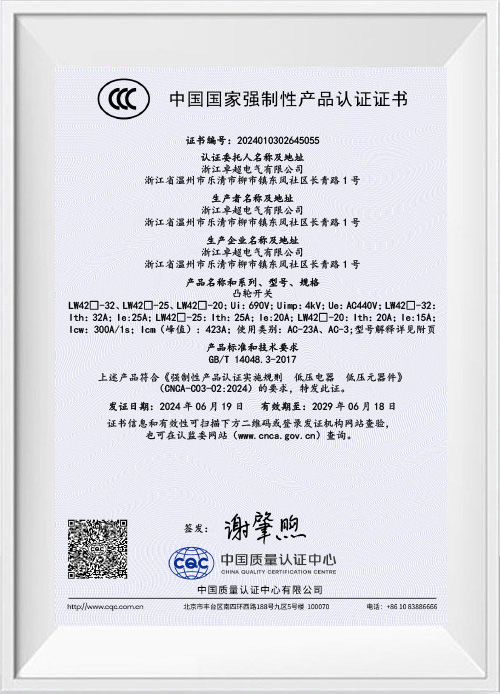
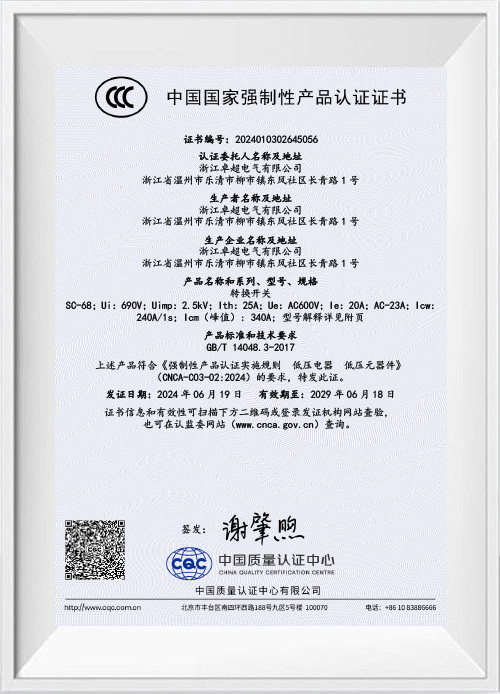
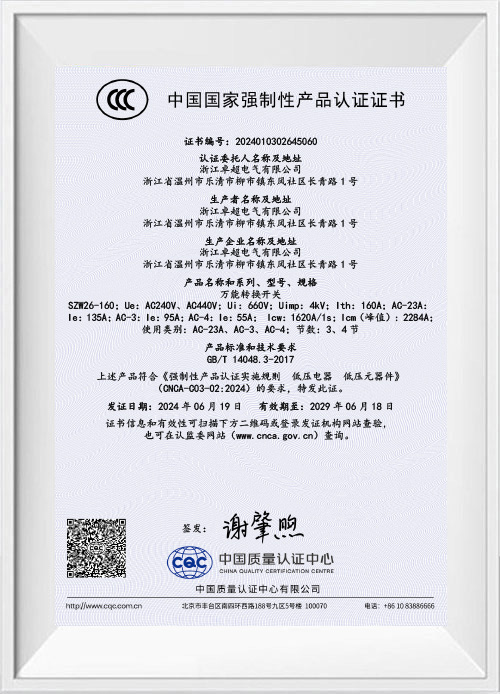
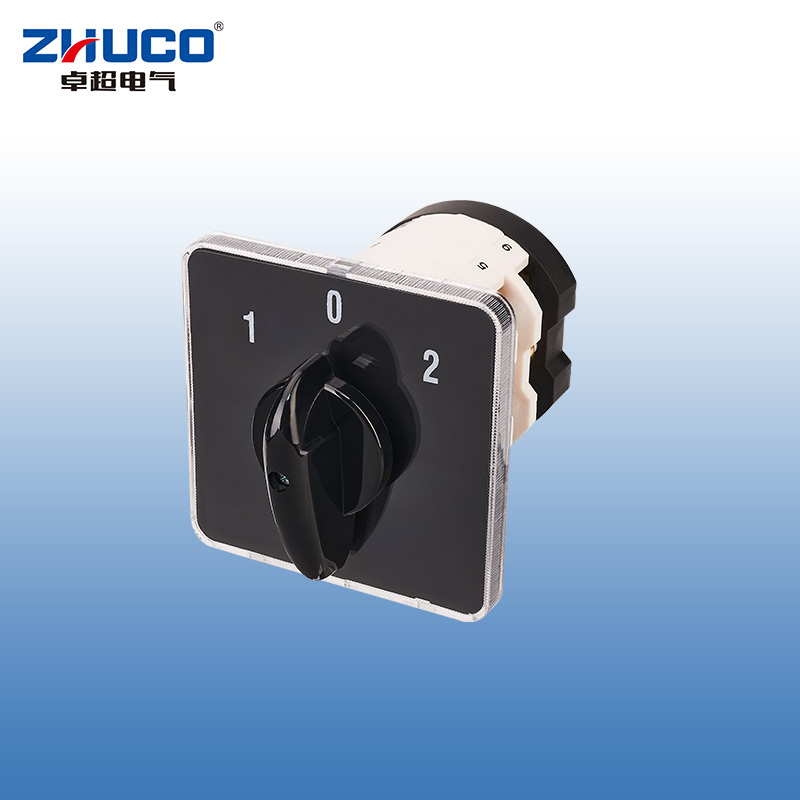
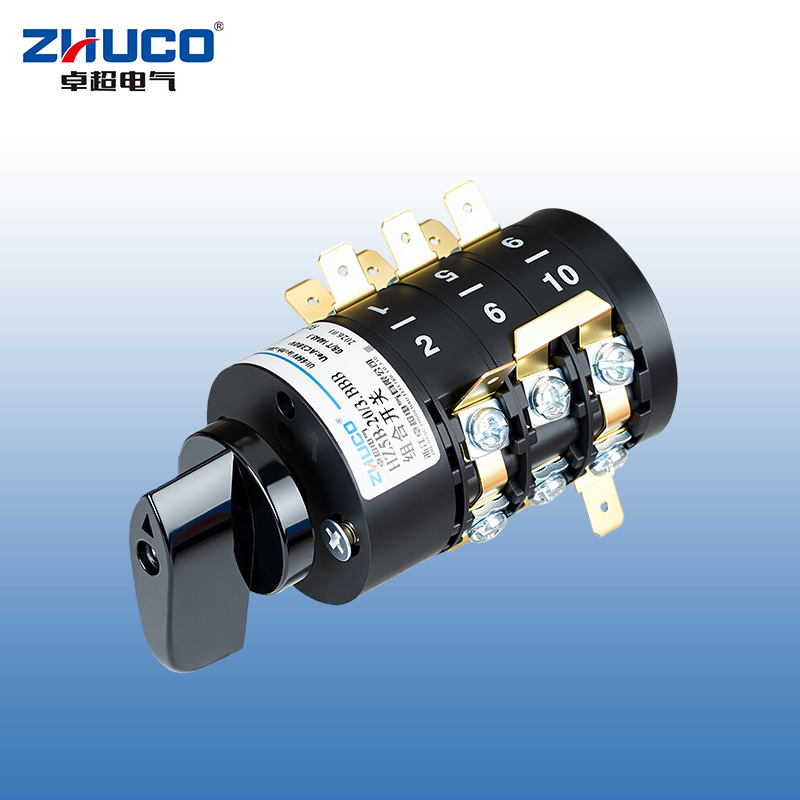
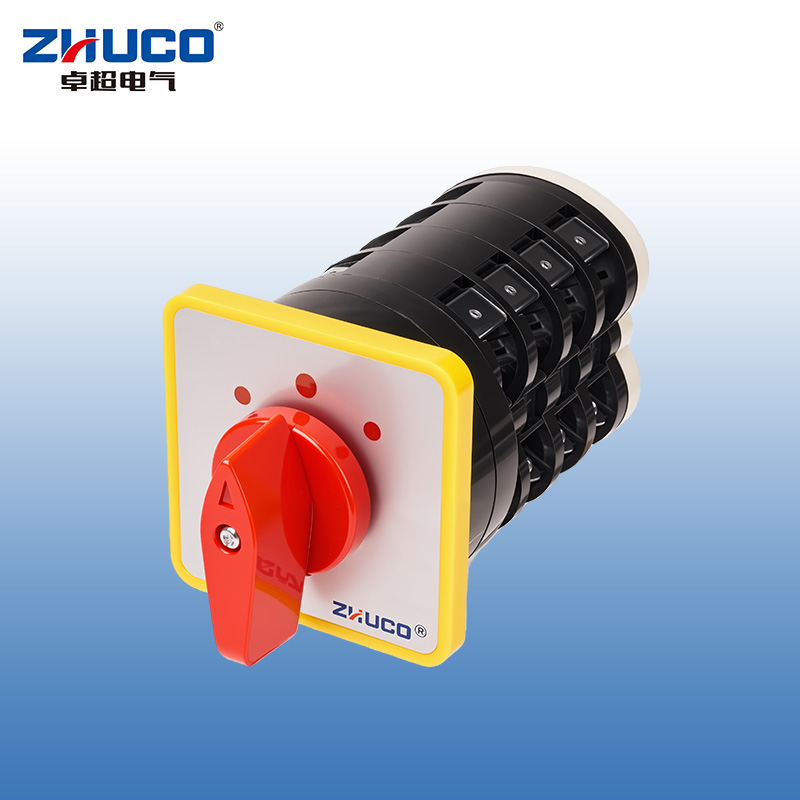
A Padlock Interlocking Switch is a specialized safety control component that deeply integrates electrical switching functionality with a mechanical locking mechanism. Its core design philosophy centers on using physical locking methods to strictly regulate switching authority and operational sequences, thereby fundamentally preventing electrical accidents and personal injuries caused by operational errors, unauthorized access, or procedural irregularities.
Within modern industrial safety management systems, the Padlock Interlocking Switch serves as the primary hardware vehicle for implementing the "Lockout/Tagout" (LOTO) procedure. The LOTO procedure mandates that, prior to performing inspection, maintenance, or cleaning operations on equipment, the equipment's energy sources must be completely isolated using physical locking devices, and warning tags must be affixed to ensure the equipment cannot be accidentally started during the operation. The Padlock Interlocking Switch represents the specific technical implementation of this procedure within electrical systems; consequently, its installation is a mandatory requirement in high-risk industries such as petrochemicals, mining, metallurgy, and food processing.
In-Depth Analysis of Lockable Universal Changeover Switches
The Lockable Universal Changeover Switch constitutes the more widely applied and functionally diverse core category within the family of padlock interlocking switches. Building upon the design of traditional universal changeover switches, this variant incorporates dedicated padlock holes or locking mechanisms, enabling operators to affix a padlock at specific switch positions, thereby securely locking the switch in its current state.
Design Principles of Locking Mechanisms
The locking mechanisms employed in Lockable Universal Changeover Switches typically utilize one of the following design configurations:
- Handle Locking Hole Design: Circular holes of a standard diameter (typically 6mm or 8mm) are pre-drilled at specific positions on the rotary handle. When the handle is rotated to the "OFF" (disconnected) position, these holes align with corresponding holes on the fixed base plate; an operator can then insert the shackle of a standard padlock through these aligned holes to lock the handle, thereby physically preventing it from rotating in any direction.
- Locking Cover Plate Mechanism: Some products feature a hinged locking cover plate design. When closed, this cover plate completely shields the handle's operating area; the plate itself is equipped with padlock holes, ensuring that once locked, no personnel can access or manipulate the handle, thereby providing a higher level of safety protection.
- Key-Locking Mechanism: High-end models feature an integrated, dedicated key-lock cylinder. Operators must possess an authorized key to unlock the switch, enabling precise control over operational access. This feature is ideal for critical production stages where strict authorization requirements are paramount.
Functional Advantages of the "Universal Changeover" Design
The "Universal Changeover" capability is demonstrated by the switch's adaptability to a wide variety of electrical control scenarios:
- Flexible Multi-Position Configuration: Supports flexible customization ranging from 2 to 12 operating positions. Each position corresponds to a unique combination of circuit connections (make/break states), thereby satisfying the requirements for implementing complex control logic.
- Multi-Layer Contact Stacking: Through the modular stacking of standardized contact blocks, a single switch body can control over a dozen independent circuits, significantly reducing the total number of switching components required within a control cabinet.
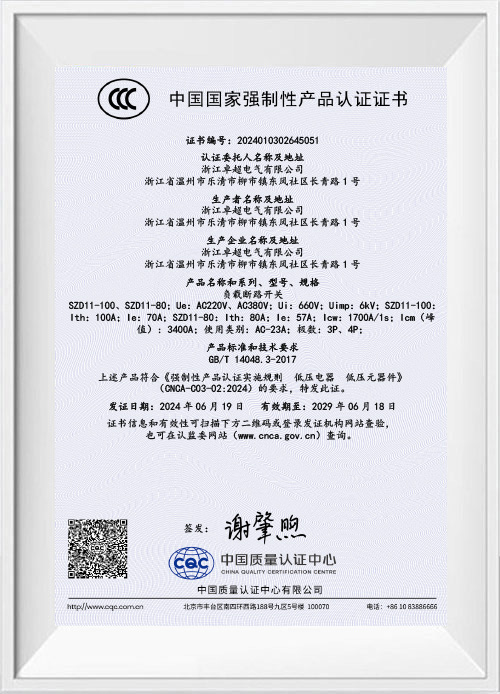
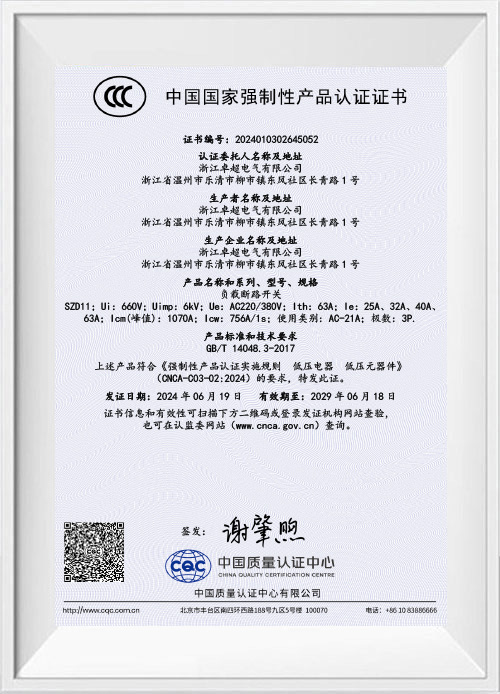
- Wide Range of Electrical Parameters: Rated currents span from 10A to 63A, while rated voltages accommodate both AC 690V and DC 440V, meeting the full spectrum of application demands—from light industrial settings to heavy industrial environments.
- Standardized Panel Mounting: Complies with standard 22mm or 30mm panel cutout dimensions. It is fully compatible with mainstream control cabinet mounting systems, allowing for direct replacement and upgrading without the need for additional cabinet modifications.
Typical Industry Applications
- Chemical and Petrochemical Industries: Control cabinets for critical equipment—such as reactors, compressors, and pumping stations—are commonly equipped with Lockable Universal Changeover Switches. Before performing equipment maintenance, service personnel must lock the switch in the "OFF" (disconnected) position and retain the key before entering hazardous work zones.
- Electric Power Industry (Substations): Lockable changeover switches are integrated into the operational control circuits of devices such as disconnectors and grounding switches. When combined with a formal "Operation Ticket" system, this setup enables strict control over switching operation permissions, preventing accidental operations that could pilot to electric shock injuries or equipment damage.
- Food and Pharmaceutical Industries: During the cleaning of production line equipment or the changing of molds, operators are required to lock the equipment's control switch. This ensures that the production line cannot be accidentally restarted during cleaning or mold-changing procedures, thereby safeguarding the safety of the personnel performing the work.
- Mining and Metallurgy Industries: Within the control systems of heavy machinery—such as mining excavators, hoists, and crushers—the Lockable Universal Changeover Switch serves as a standard component for implementing Lockout/Tagout (LOTO) safety protocols. In certain regions, the inclusion of such devices has been mandated as a compulsory safety standard.
Specialized Analysis of Trapped Key Interlock Systems
The Trapped Key Interlock system represents the more logically rigorous and high-security systemic solution within the realm of interlocking technologies; it signifies the pinnacle of technical excellence in the field of mechanical safety interlocking.
Operating Principles of Trapped Key Interlocks
The core of the Trapped Key Interlock system lies in its "key trapping" mechanism: a key can only be inserted or removed when specific conditions have been met, and the act of inserting or removing a key directly triggers or releases the locked state of the associated equipment. The entire operational process forms a strict logical closed loop; the omission of any step or an error in the sequence will render subsequent operations impossible to execute.
A typical Trapped Key Interlock operational workflow proceeds as follows:
- The operator inserts the master key into the lock mechanism of the main switch and rotates it to the "off" (disconnected) position, thereby cutting power to the main circuit. At this point, the master key becomes trapped and locked within the main switch and cannot be removed.
- The disconnection of the main switch releases one or more sub-keys. The operator retrieves these sub-keys and proceeds to the associated equipment access doors or safety barrier locks.
- Using the sub-key, the operator unlocks the equipment guard door or safety barrier; the sub-key then becomes trapped within the door lock mechanism. With the guard door now open, the operator may safely enter the work area.
- Upon completion of the work, the operator exits the work area, closes the guard door, retrieves the sub-key, and returns to the location of the main switch.
- The operator inserts the sub-key back into the main switch lock mechanism. This action releases the trapped master key, allowing the operator to rotate the main switch to the "on" (connected) position and restore power to the equipment.
This strict sequential constraint mechanism physically eliminates the possibility of "personnel entering a hazardous zone while the equipment remains energized," thereby achieving true intrinsic safety.
System Components
A complete Trapped Key Interlock system typically comprises the following core components:
- Key-Locking Switch: A locking-type isolator switch or transfer switch integrated into the electrical control system. It serves as both the starting and ending point of the entire interlocking system, responsible for controlling the connection and disconnection of the main circuit, as well as managing the release and trapping of the master key.
- Key Exchange Box: When a single master key needs to be converted into multiple sub-keys (corresponding to multiple work zones or multiple personnel), the Key Exchange Box performs a "one-to-many" key distribution function, ensuring that the system cannot resume operation until all personnel have completed their tasks and returned their respective keys.
- Door and Gate Locks: Specialized locking devices installed on equipment guard doors, safety fences, or maintenance hatches; these work in conjunction with sub-keys to control personnel access to hazardous areas.
- Key Storage Cabinet: Used for managing spare keys or emergency rescue keys. Typically, this requires the simultaneous use of two or more authorized keys to open, thereby preventing any single individual from accessing the keys without proper authorization.
System Design Principles
- Principle of Uniqueness: The physical shape of every key within the system is unique; keys for locks with different functions are non-interchangeable, thereby fundamentally preventing operational errors caused by using the wrong key.
- Principle of Forced Sequence: The sequence of operational steps is physically enforced by the system's mechanical structure, making it impossible for operators to skip any steps and ensuring the complete execution of safety procedures.
- Principle of Universal Return: In scenarios involving multiple personnel, the system cannot unlock or resume operation until every individual has returned their personal sub-key, thereby eliminating the risk of safety incidents caused by inadvertently leaving personnel behind in hazardous areas.
Industry Standards and Certification Requirements
The design and application of Trapped Key Interlock systems must comply with the following major standards:
- ISO 14118 (Safety of machinery—Prevention of unexpected start-up)
- EN 1088 (Safety of machinery—Interlocking devices—Principles for design and selection)
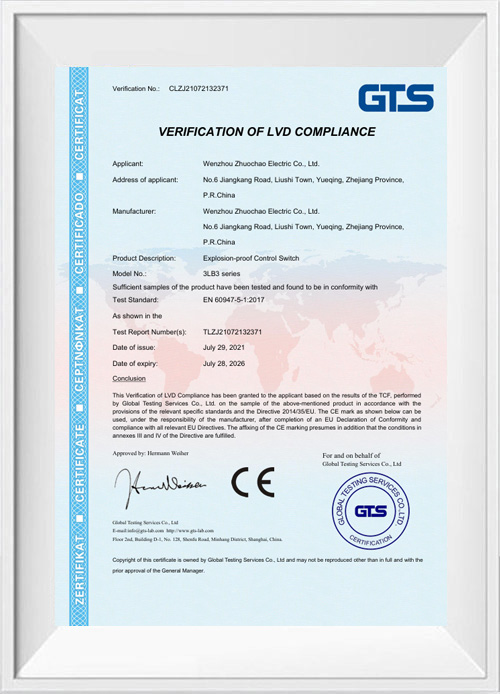
- IEC 60947-5-1 (Low-voltage switchgear and controlgear
Part 5-1: Control circuit devices and switching elements). In high-risk industries—such as oil and gas, nuclear power, and rail transport—relevant national standards or industry-specific regulations may impose even more stringent additional requirements.



 English
 русский
 Español
 Deutsch