


 English
 русский
 Español
 Deutsch
Basic Design and Function The core of a 4-pole load switch consists of four independent switching poles linked so they open or close togethe...
READ MORE
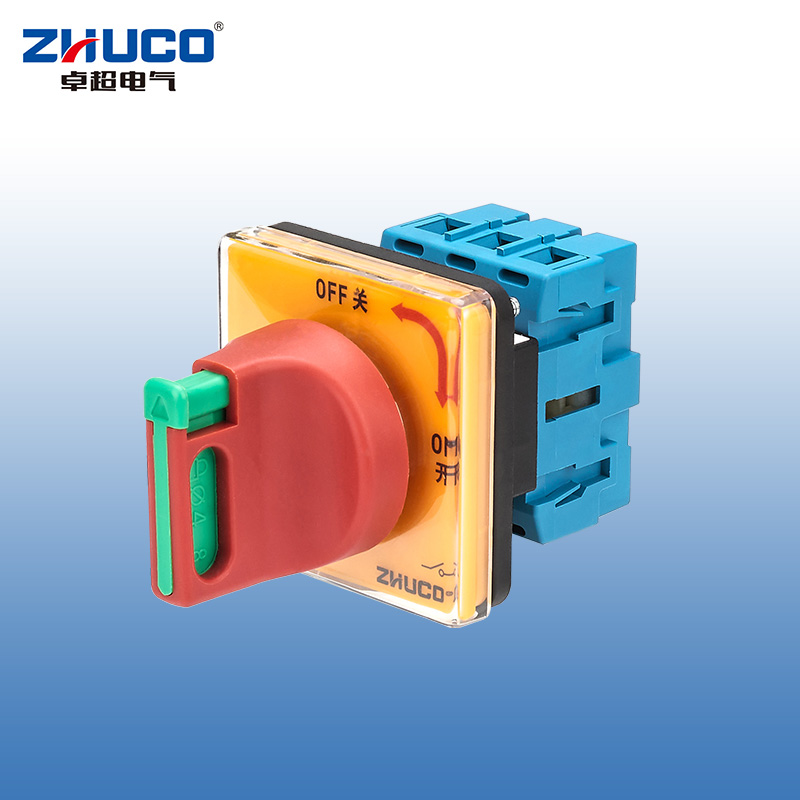
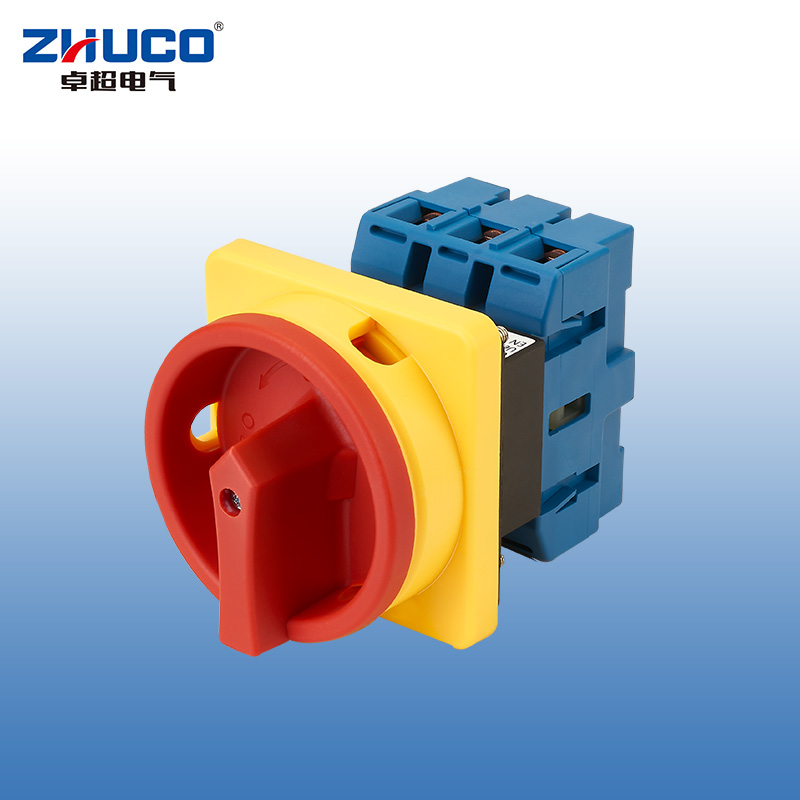
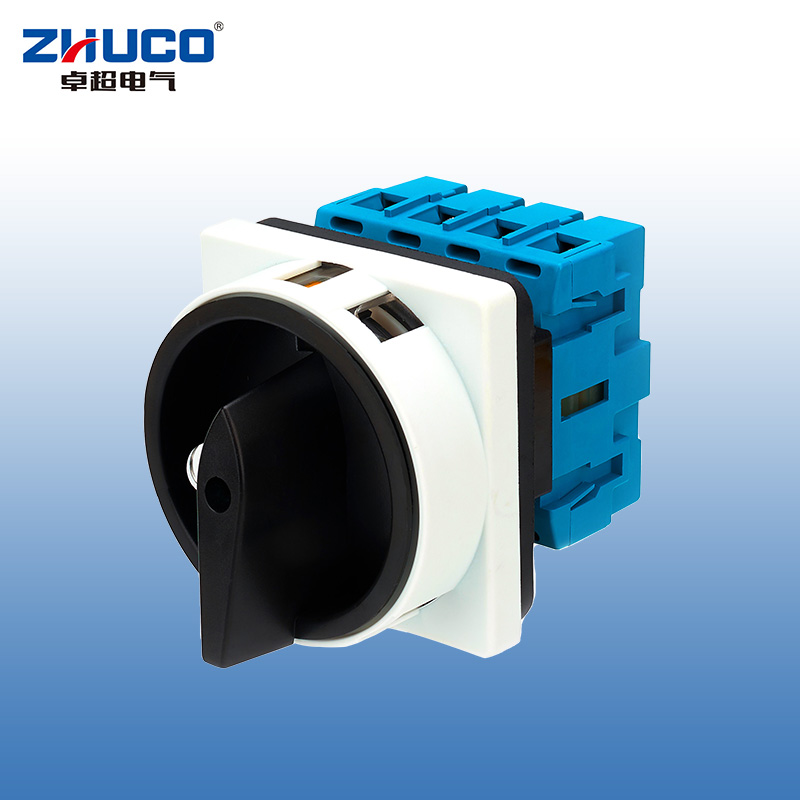
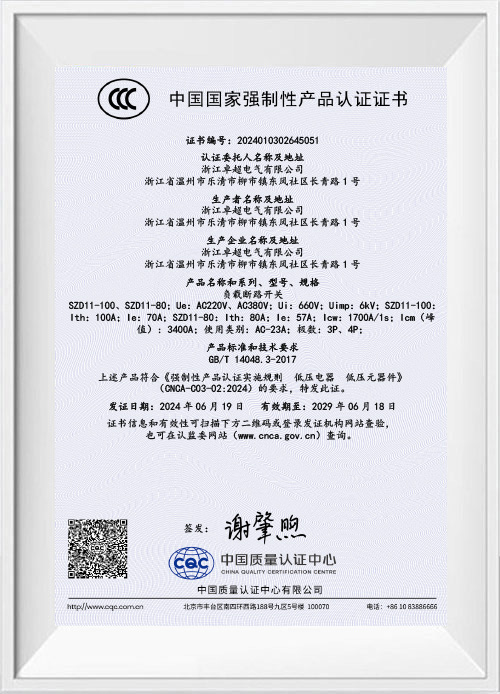
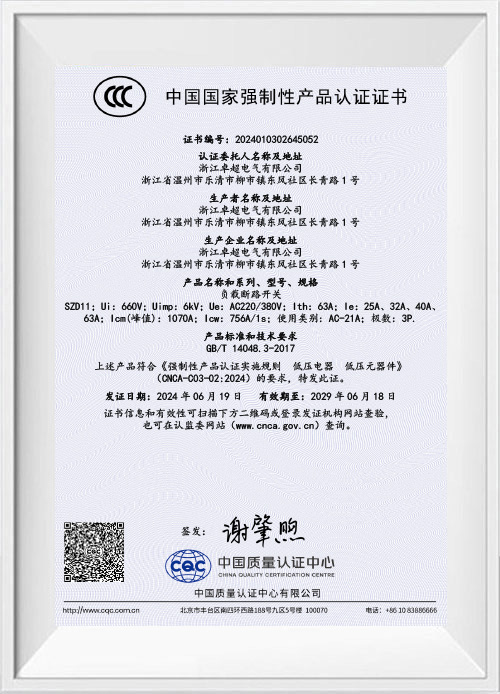
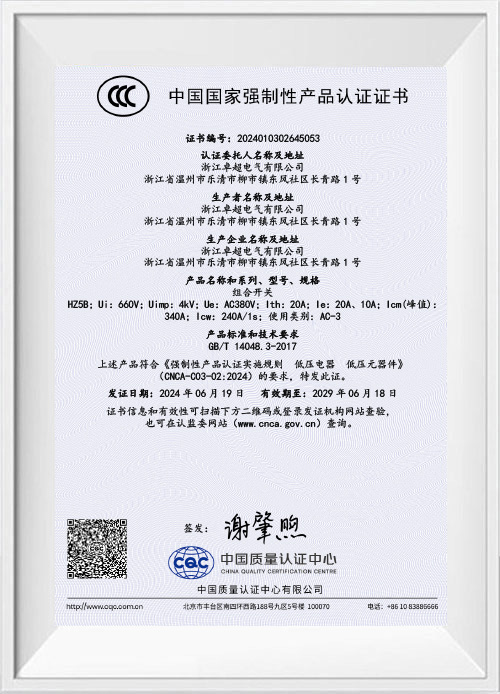
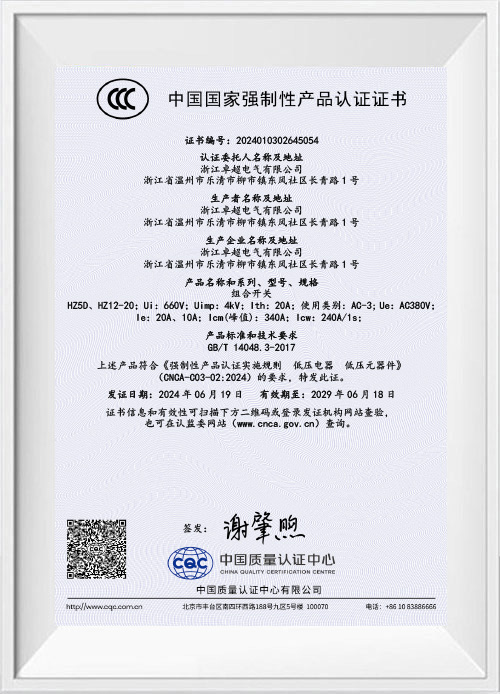
A small load break switch is a compact and easy-to-operate circuit breaker device used for low-power or small circuits. It can safely disconnect or connect circuits under load conditions, making it suitable for power protection and control in distribution boxes, control cabinets, and small equipment.
It is suitable for AC 50Hz~60Hz electrical circuits with a rated operating voltage of ≤440V and a rated current of 25A. It can be used as a main switch for ventilation equipment, air conditioning, and water pump systems, and can also directly control small-capacity AC motors. It can also serve as the main switch for various industrial automation equipment, reliably achieving circuit switching and load control. It features finger protection for safety and reliability, and additional contact blocks can be added to the standard 3-4 pole block without removing the switch.


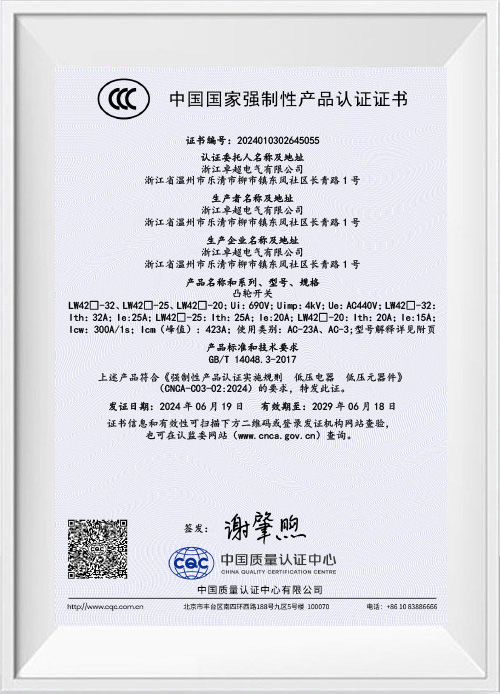
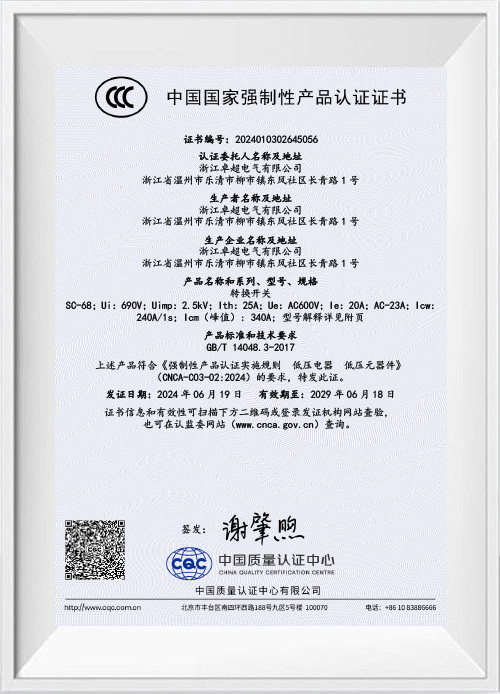
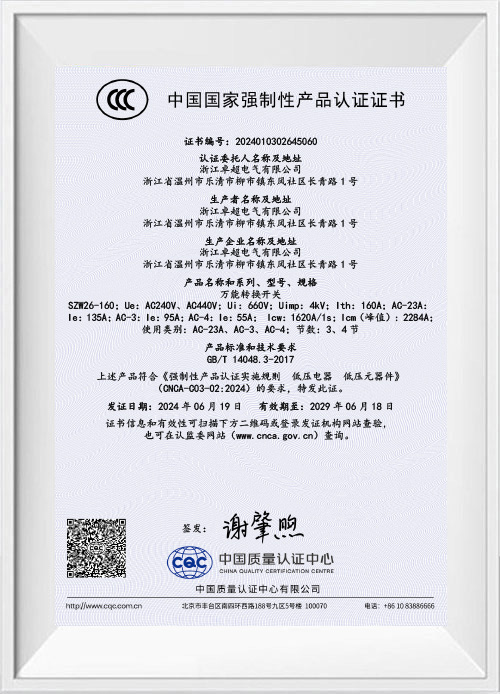
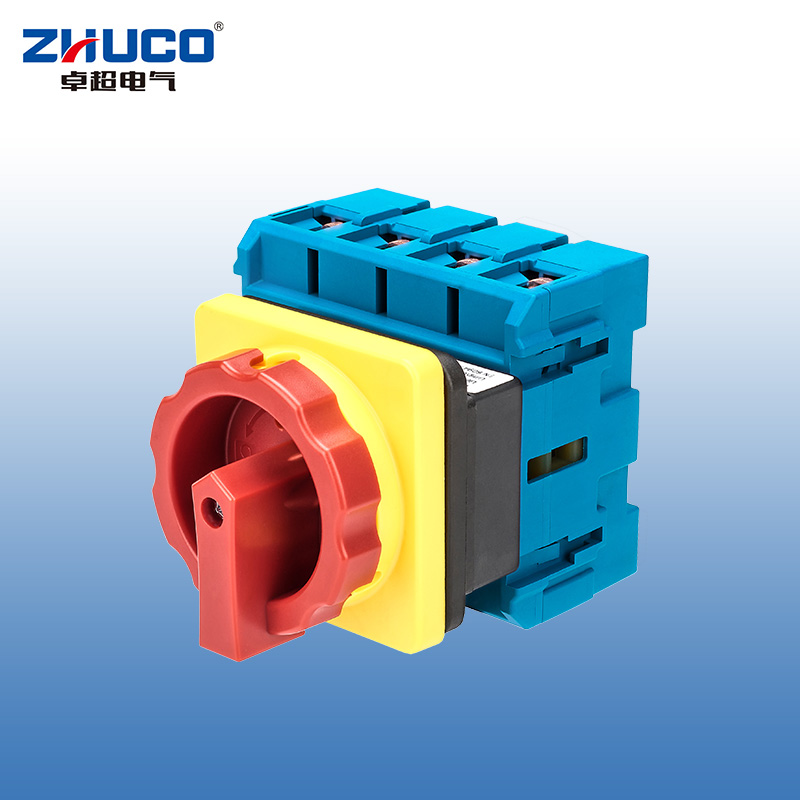
Basic Design and Function The core of a 4-pole load switch consists of four independent switching poles linked so they open or close togethe...
READ MORE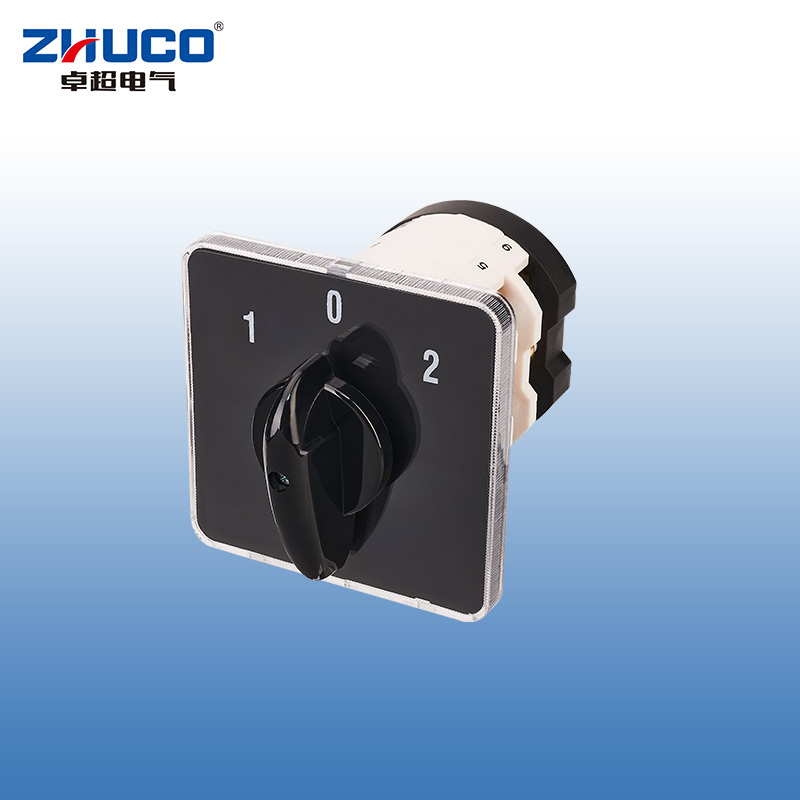
How The Switching Mechanism Works A Circuit Changeover Switch generally contains a movable contact mechanism that changes the connection bet...
READ MORE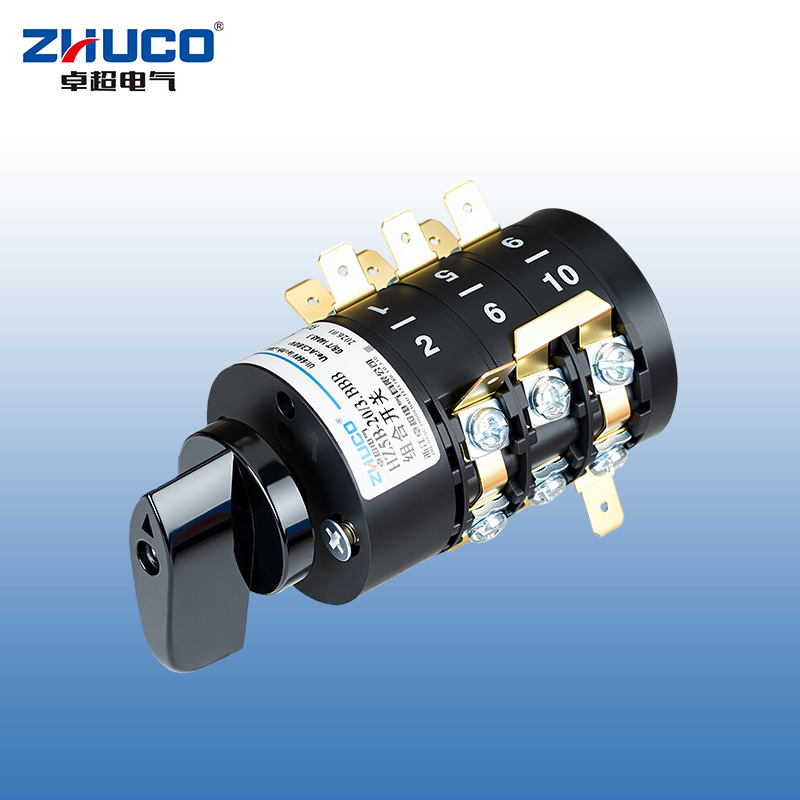
Electrical fitting suppliers have noticed a steady shift toward fixtures that do more within a single wall plate, and the combination switch...
READ MORE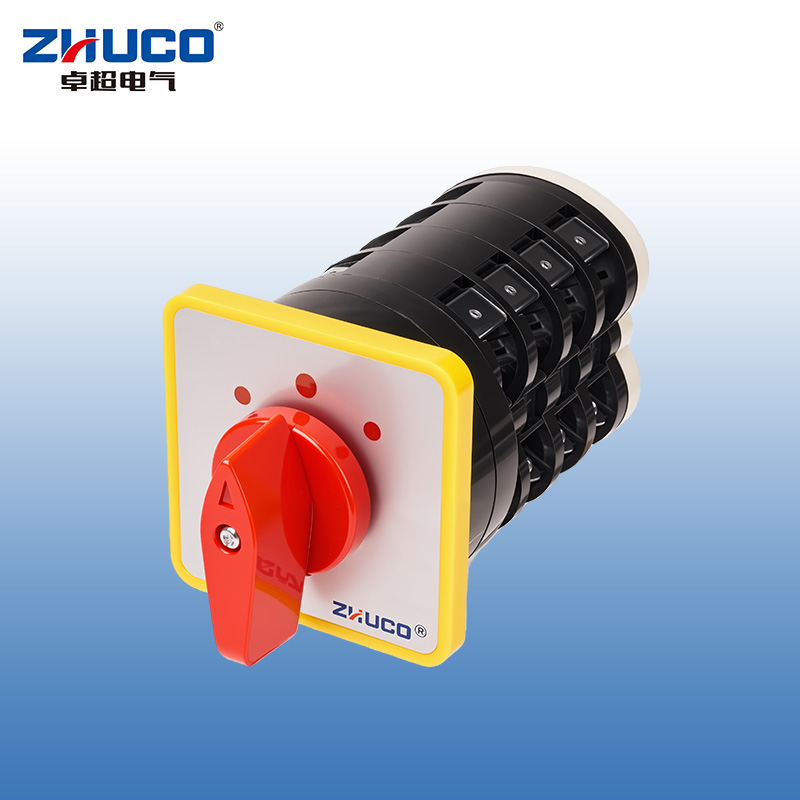
Electrical systems rely on countless small components to stay stable, and a voltage switch is one of the parts working quietly in the backgr...
READ MOREThe miniaturization of power distribution equipment is not merely an aesthetic pursuit of reduced physical volume; rather, it represents a systemic evolutionary trajectory driven by a confluence of engineering imperatives. As the rate of underground cabling in urban distribution networks continues to rise, the available installation space for underground distribution substations and cable branch boxes has become extremely limited. Concurrently, the increasing integration of industrial equipment has led to a year-on-year rise in component density within control cabinets. Furthermore, the widespread adoption of distributed energy resources has driven the proliferation of numerous small-capacity distribution nodes extending toward the grid's extremities. Collectively, these trends converge upon a singular product requirement: the ability to execute complete load switching and isolation functions within the smallest possible physical footprint.
The Mini Load Break Switch prioritizes the minimization of installation footprint as its primary design objective. While ensuring that its electrical performance parameters fully satisfy basic application requirements, the product's physical dimensions have been compressed to their absolute limits. This design orientation defines the typical application positioning of the Mini Load Break Switch: small-to-medium capacity terminal distribution circuits, space-constrained embedded installation environments, and cost-sensitive scenarios involving large-scale deployment.
Key technological strategies enabling the extreme miniaturization of the Mini Load Break Switch include:
The design logic behind the Compact Load Break Switch differs somewhat from that of the Mini Load Break Switch; while the latter focuses primarily on small overall dimensions, the former places greater emphasis on balancing overall size constraints with the degree of functional integration and system compatibility. The term "Compact" does not imply a simplification of functionality; rather, it signifies the integration of a richer array of functional features within a compact physical form factor, thereby realizing the design objective of "small volume, full functionality." Differentiated Positioning of the "Mini" and "Compact" Product Lines:
| Comparison Dimensions | Mini Load Break Switch | Compact Load Break Switch |
| Core Design Objective | Volume Minimization | Balance of Functional Integration and Compactness |
| Typical Rated Current Range | 32A – 200A | 100A – 630A |
| Integrated Auxiliary Functions | Basic Status Indication | Auxiliary Contacts, Live-Line Indicators, Grounding Terminals |
| Mounting Method | Primarily DIN Rail Mounting | Supports DIN Rail, Panel, and Standalone Mounting |
| Primary Application Scenarios | Terminal Branch Circuits, Post-Meter Distribution | Building Distribution Mains, Industrial Control Cabinet Main Circuits |
| Coordination with Upstream Protection Components | Relies on Upstream Circuit Breaker for Protection | Optional Integrated Fuse Combination for Comprehensive Protection |
| Maintenance Convenience | Primarily Whole-Unit Replacement | Supports Independent Replacement of Contact Modules |
The advantage of the Compact Load Break Switch in building distribution and industrial control cabinet applications lies in its standardized mounting interfaces and extensive accessory ecosystem. This allows engineers to flexibly configure functional modules according to specific requirements, enabling functional expansion through the addition of accessories without altering the switch body itself.
The terminal nodes of urban distribution networks represent the areas with the high density of small-scale load switch applications. Cable branch boxes, outdoor ring main units, residential community distribution rooms—these environments impose extremely strict size constraints on distribution components while simultaneously demanding high operational reliability. Typical Deployment Configurations of Mini Load Break Switches in Urban Last-Mile Power Distribution:
Due to their compact size and relatively low cost, Mini Load Break Switches are sometimes selected hastily in engineering practice, pilot to the following common errors:
Establishing a comprehensive selection checklist—covering parameters such as rated current, utilization category, breaking capacity, switching frequency, and installation derating factors—serves as an effective control mechanism for avoiding the aforementioned engineering errors.