


 English
 русский
 Español
 Deutsch
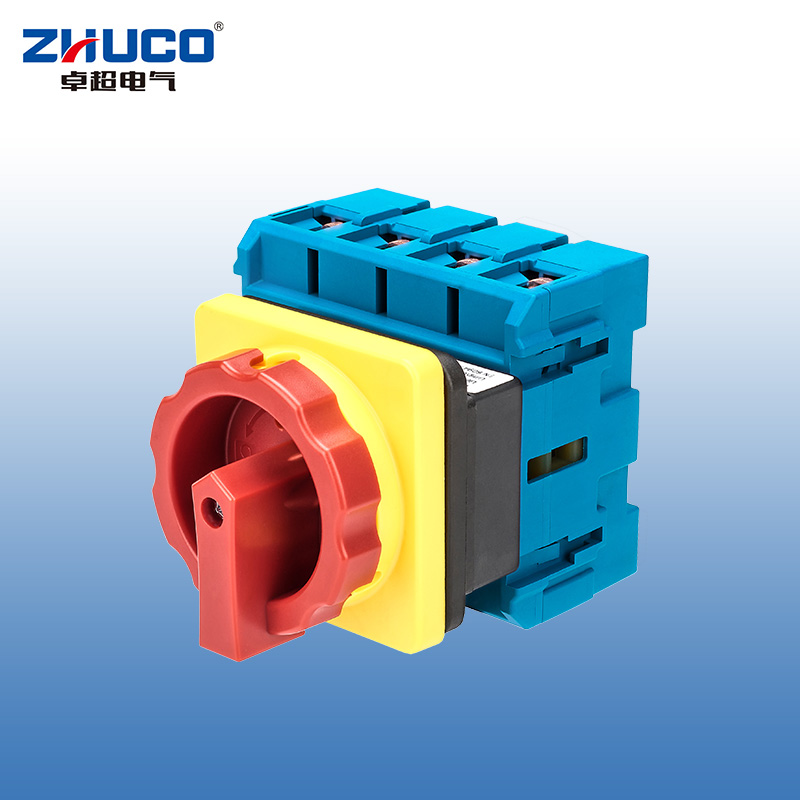
Basic Design and Function The core of a 4-pole load switch consists of four independent switching poles linked so they open or close togethe...
READ MORE

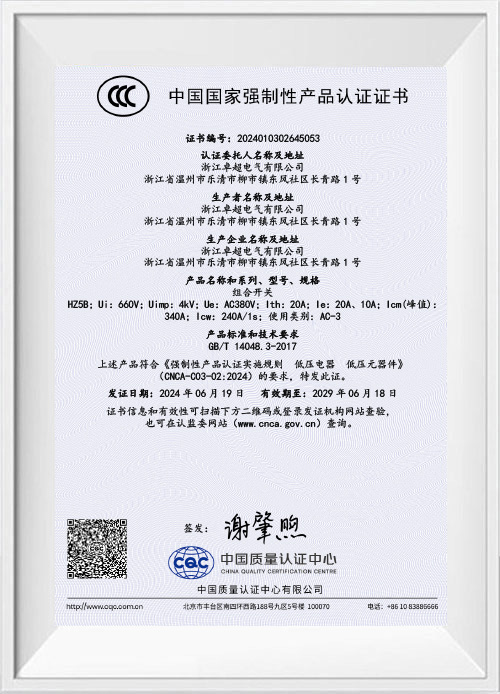
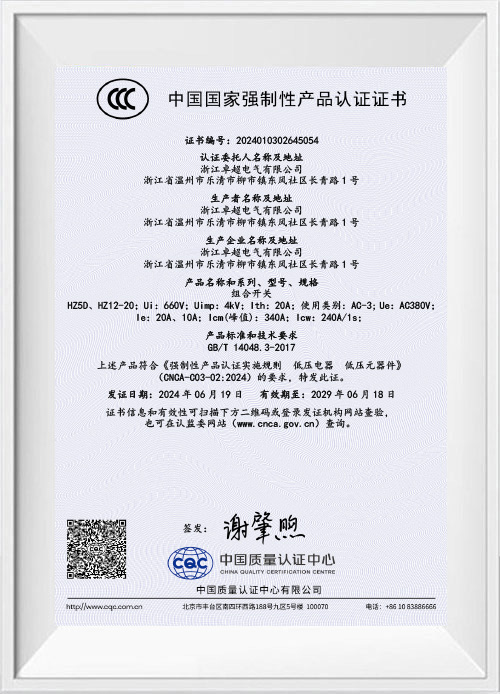
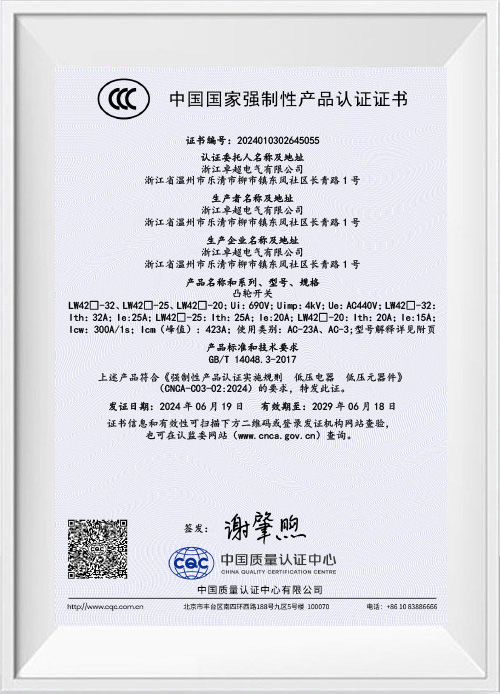
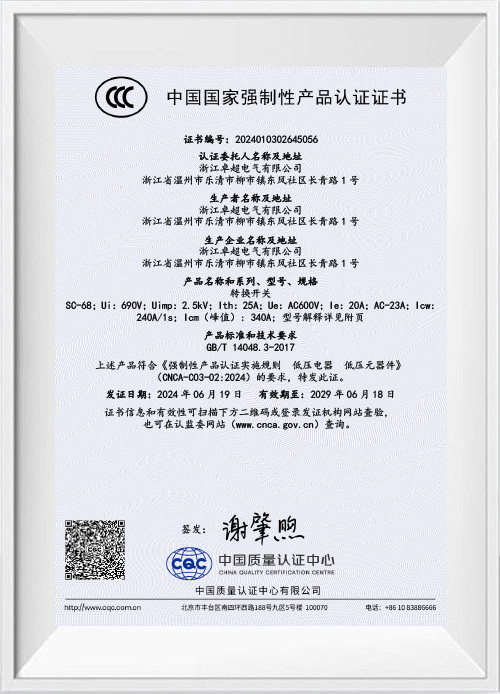
Basic Design and Function The core of a 4-pole load switch consists of four independent switching poles linked so they open or close togethe...
READ MORE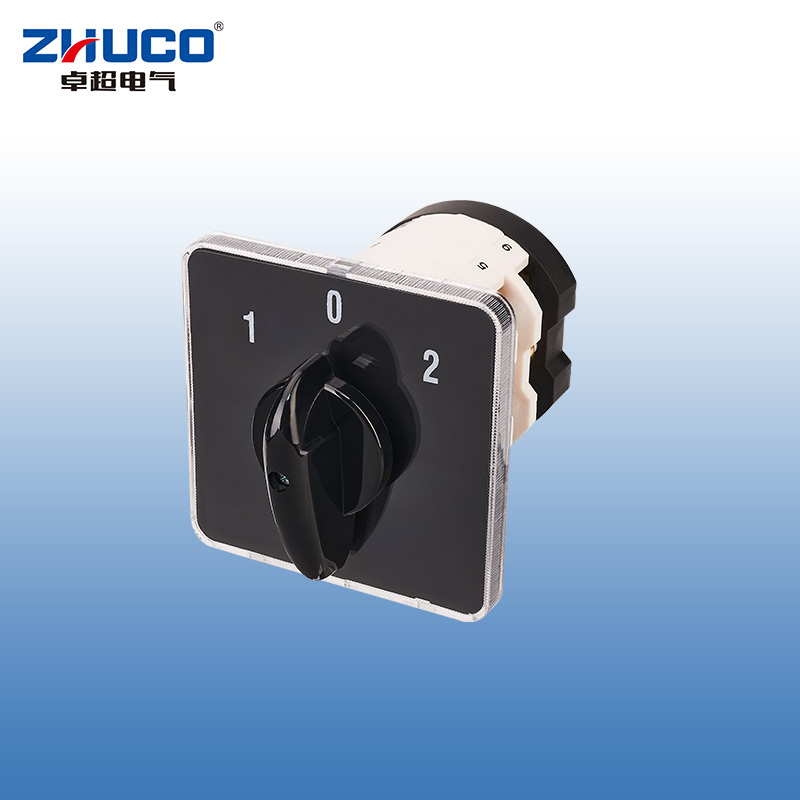
How The Switching Mechanism Works A Circuit Changeover Switch generally contains a movable contact mechanism that changes the connection bet...
READ MORE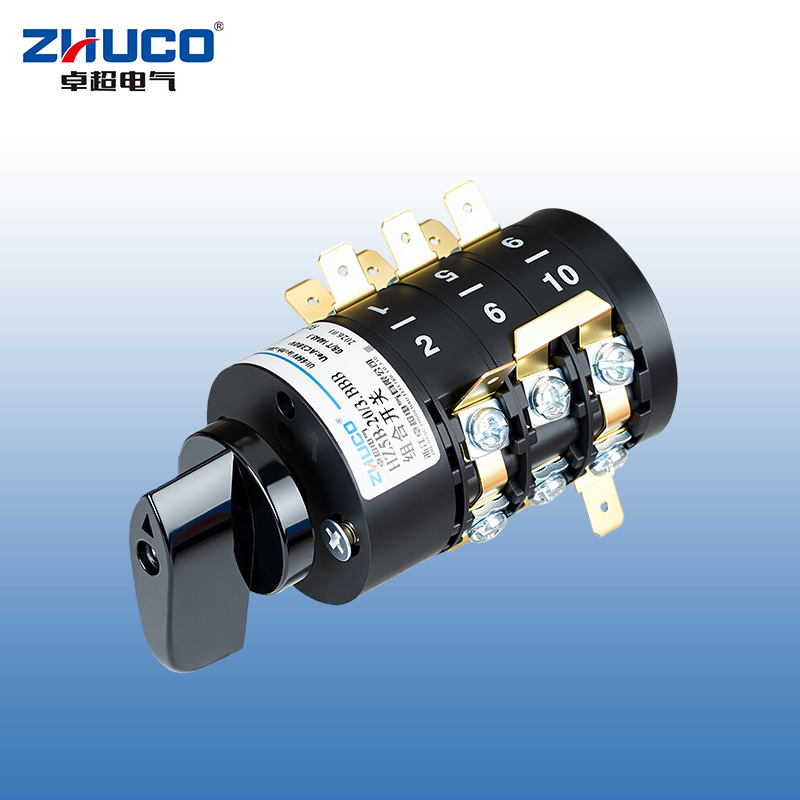
Electrical fitting suppliers have noticed a steady shift toward fixtures that do more within a single wall plate, and the combination switch...
READ MORE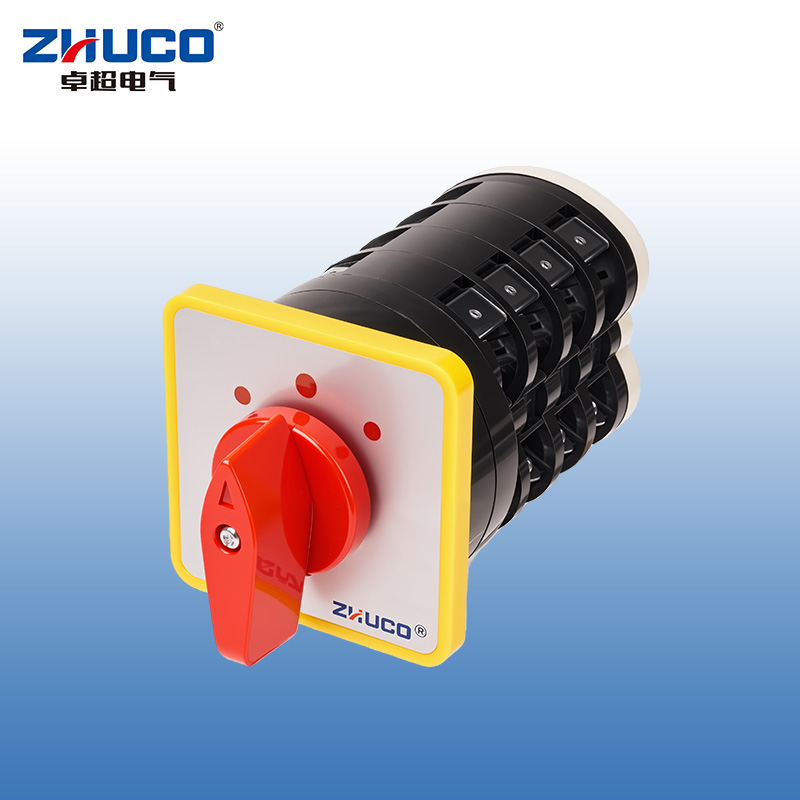
Electrical systems rely on countless small components to stay stable, and a voltage switch is one of the parts working quietly in the backgr...
READ MOREThe design philosophy of a Lockable Switch differs fundamentally from that of a standard control switch. While a standard switch defaults to granting unrestricted operational freedom, the Lockable Switch places the granting and revocation of operational authority at the very core of its functionality. Through the use of physical padlocks, key management systems, or mechanical interlocking mechanisms, it embeds the answers to three critical questions—"Who has the authority to operate?", "When is operation permitted?", and "How is the state maintained after operation?"—directly into the device itself.
Within the framework of industrial Lockout/Tagout (LOTO) procedures, the Lockable Switch serves as the primary vehicle for energy isolation points. When maintenance personnel need to service or repair equipment, they must one actuate the relevant circuit's Lockable Switch to the "off" (disconnected) position. Subsequently, they use a padlock to secure the operating mechanism, thereby ensuring that the switch cannot be inadvertently returned to the "on" (connected) state by anyone while maintenance is in progress.
The complete LOTO execution workflow revolves around the Lockable Switch and encompasses the following key stages:
In scenarios involving simultaneous work by multiple personnel, each worker must utilize their own independent padlock. Consequently, the design of the Lockable Switch's locking mechanism must accommodate the simultaneous attachment of multiple padlocks, thereby ensuring that the equipment remains in an isolated state until the very last lock has been removed.
Rotary Handle Locking Type
Rotary-handle Lockable Switches feature a padlock hole located directly on the operating handle. When the switch is in the "off" (disconnected) position, the padlock holes align, allowing for the attachment of standard padlocks. This structural design is widely utilized in circuit breakers and disconnect switches housed within electrical distribution cabinets; it offers intuitive operation and good compatibility with standard LOTO padlocks. Applicable scenarios include:
Key-Locked Type
The Key-Locked Switch utilizes a physical key as the tangible medium for managing operational access. Operation of the switch requires the insertion of a specific key; once the key is removed, the switch remains locked in its current state. A robust key management system is the prerequisite for realizing the full safety value of this type of switch:
Electromagnetic-Locked Type
The Electromagnetic-Locked Switch employs an electromagnetic mechanism to control the locking and unlocking of the operating mechanism. The locking action is automatically triggered by the control system, requiring no manual intervention. This structural design is suitable for applications requiring system-level interlocking—for instance, automatically locking a related maintenance bypass switch while a specific piece of equipment is in operation, thereby preventing accidental operation that could result in parallel operation.
The Manual Interlock Transfer Switch integrates manual operation with a mechanical interlocking mechanism. While retaining the flexibility inherent in manual operation, it ensures the safety and mutual exclusivity of switching operations through mechanical constraints implemented at the hardware level. Compared to Automatic Transfer Switches (ATS), the Manual Interlock Transfer Switch places greater emphasis on the controllability and predictability of the operational process, making it suitable for switching scenarios where the operator is required to be actively involved in decision-making throughout the entire process.
Implementation Methods for Mechanical Interlocking
The interlocking mechanism of a Manual Interlock Transfer Switch typically employs one of the following physical implementation schemes:
The Manual Interlock Transfer Switch is not merely a simple substitute for an Automatic Transfer Switch (ATS); rather, the two exhibit a clear complementary relationship regarding their application scenarios:
Switching Operations in Substations
Switching operations within substations constitute one of the more standardized fields for the application of Manual Interlock Transfer Switches. The "Operation Ticket" system, combined with the "Five Preventions" interlocking system, establishes a dual layer of safety assurance. Within this "Five Preventions" framework, the mechanical interlocking mechanism of the Manual Interlock Transfer Switch serves as the physical enforcement vehicle for two specific safety functions: "preventing the opening or closing of a disconnector (isolator) under load" and "preventing the accidental closing of a grounding switch."
Key Management Points for Manual Interlock Transfer Switches During Switching Operations:
Industrial Park Captive Power Stations
In industrial parks equipped with captive diesel generator sets, the Manual Interlock Transfer Switch is typically installed between the utility power incoming breaker and the generator outgoing breaker. This arrangement utilizes mechanical interlocks to ensure the absolute mutual exclusivity of the two power sources. Following a utility power outage, operators start the generator; once the generator's voltage and frequency are confirmed to be within normal parameters, the operator manually actuates the Manual Interlock Transfer Switch to complete the power transfer. This entire process is fully visible, controllable, and traceable.
The quality of management applied to Lockable Switches and Manual Interlock Transfer Switches directly impacts the actual effectiveness of their safety functions. The following management protocols serve as the fundamental safeguards for realizing the intended safety value of this equipment:
The true value of physical locking mechanisms is ultimately realized through the rigorous and standardized execution of every operational procedure.