


 English
 русский
 Español
 Deutsch
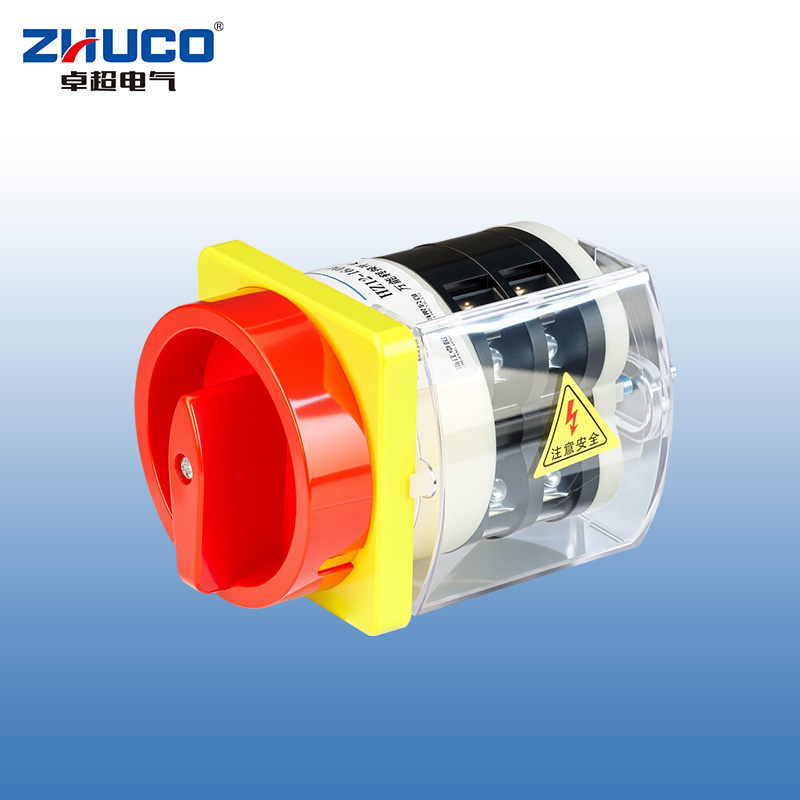
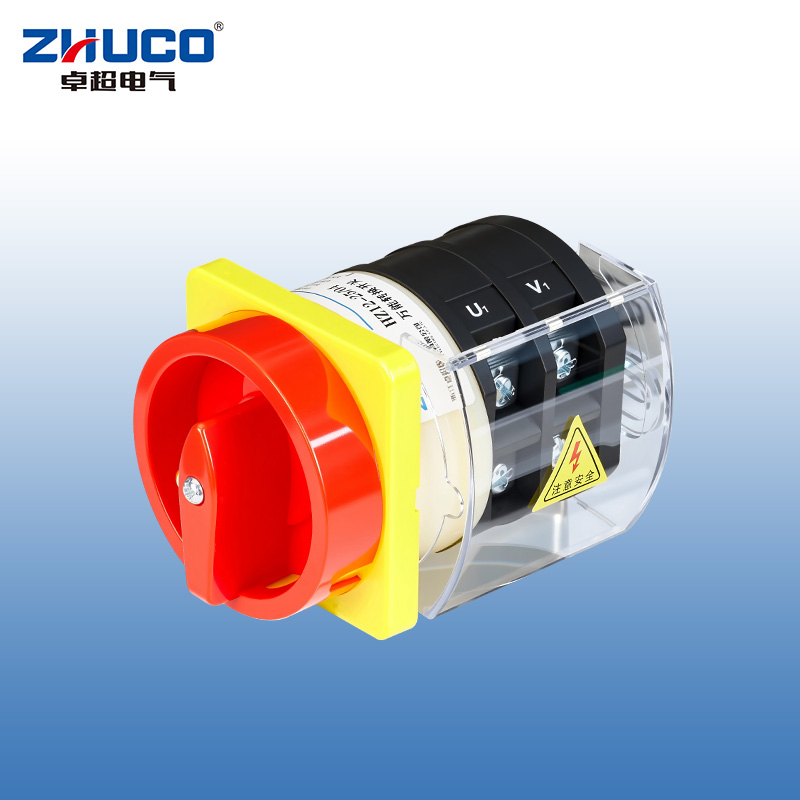
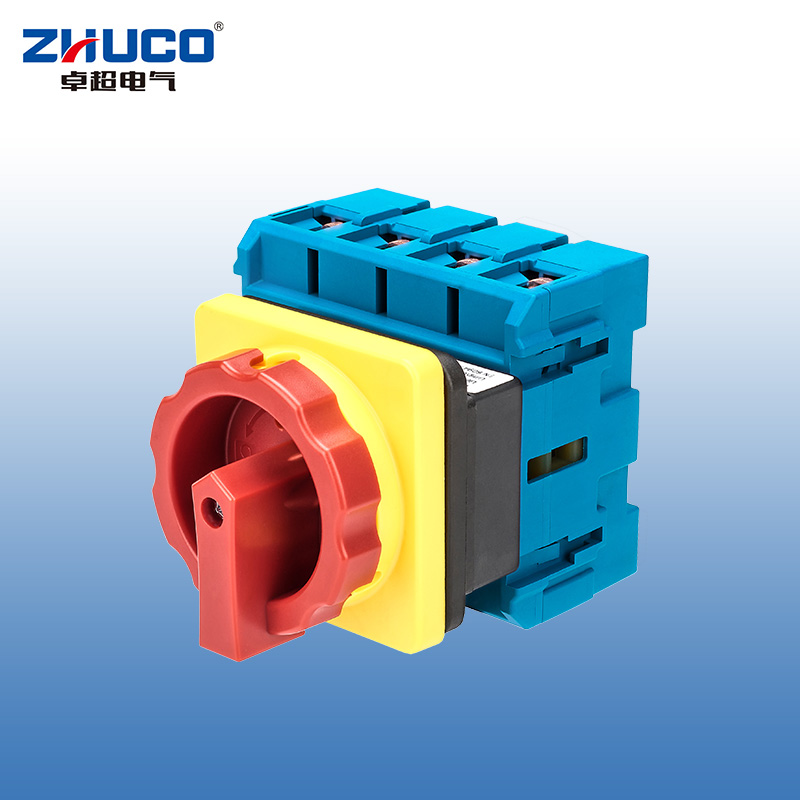
Basic Design and Function The core of a 4-pole load switch consists of four independent switching poles linked so they open or close togethe...
READ MORE
This series of switches is designed for AC circuits with a frequency of 50Hz (or 60Hz) and voltages up to 500V, serving as power control and switching devices. They are suitable for directly controlling AC motors and highly inductive loads, meeting the switching needs of general circuits. This series of switches is available in two types based on the panel handle color: emergency stop type and standard type.
Standard type (01): Features a black panel and black knob, offering a simple and practical design.
Emergency stop type (02): Features a yellow panel and red knob, clearly indicating the emergency stop function with its distinctive colors.
Additionally, models 03/04 feature a padlock function, allowing locking in both the "0" (off) and "1" (on) positions, ensuring the safety and proper operation of the equipment. This function is present in both types of switches.
Standard padlock type (03): Maintains the classic design with a black panel and black knob.
Emergency stop padlock type (04): Uses a yellow panel and red knob to highlight its dual emergency stop and padlock features.
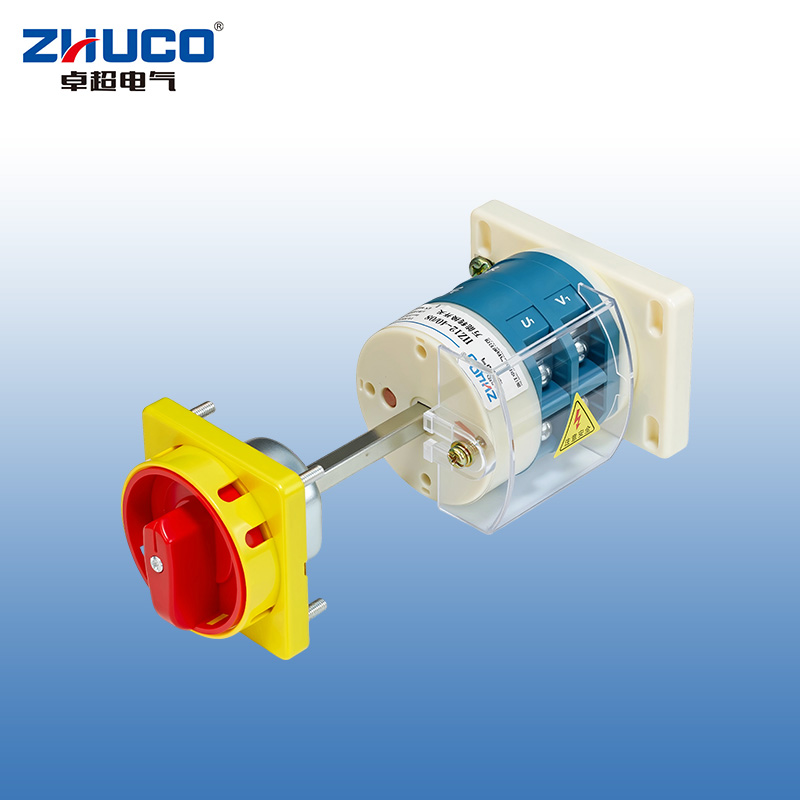
For applications requiring a higher level of safety, models 08/09 offer padlock interlock switches, providing an ideal solution. These switches not only have a padlock function but also interlock with the electrical cabinet door, ensuring operational safety.
The specific designs are as follows:
Standard padlock interlock type (08): Continues to use a black panel and black knob, maintaining a minimalist style.
Emergency stop padlock interlock type (09): Uses a yellow panel and red knob to intuitively indicate the emergency stop and interlock status.
It is important to note that when using the emergency stop padlock interlock combination switch, the power must be switched off before opening the electrical cabinet door. The interlock mechanism will automatically release when the cabinet door is opened and re-engage when the cabinet door is closed, providing more reliable safety protection.



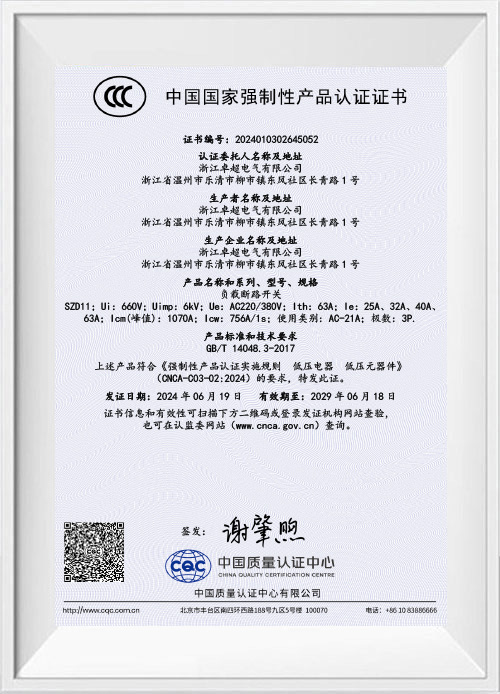
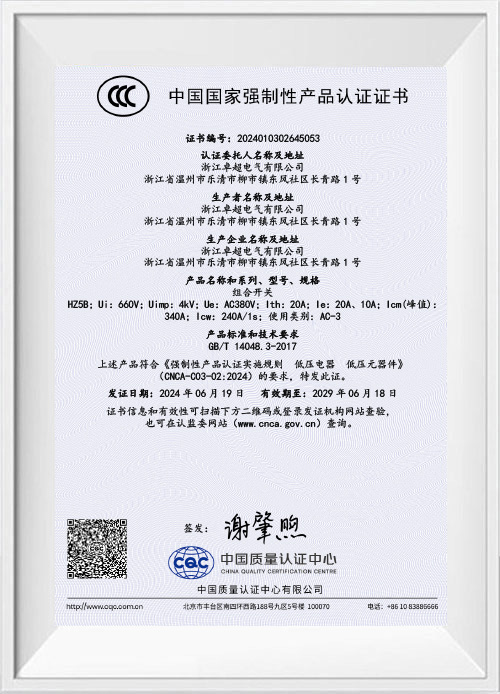

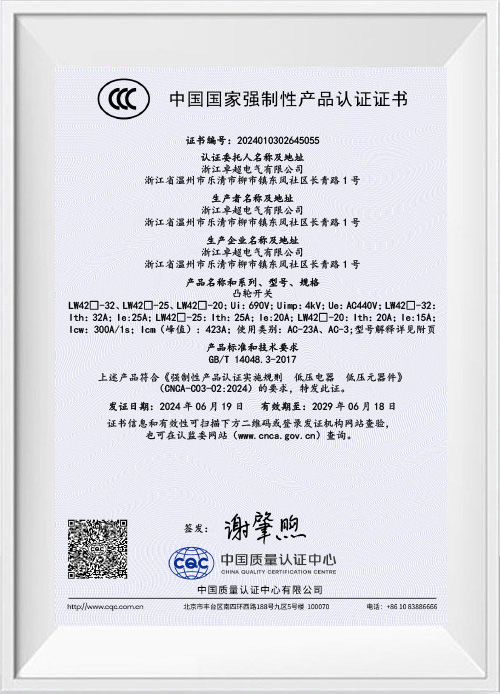
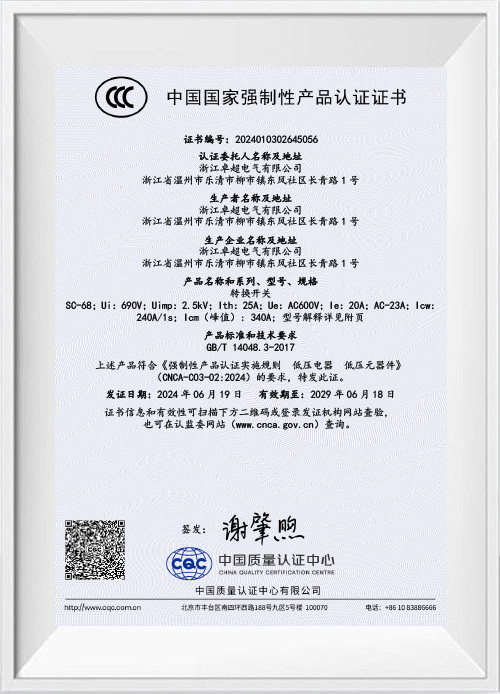
Basic Design and Function The core of a 4-pole load switch consists of four independent switching poles linked so they open or close togethe...
READ MORE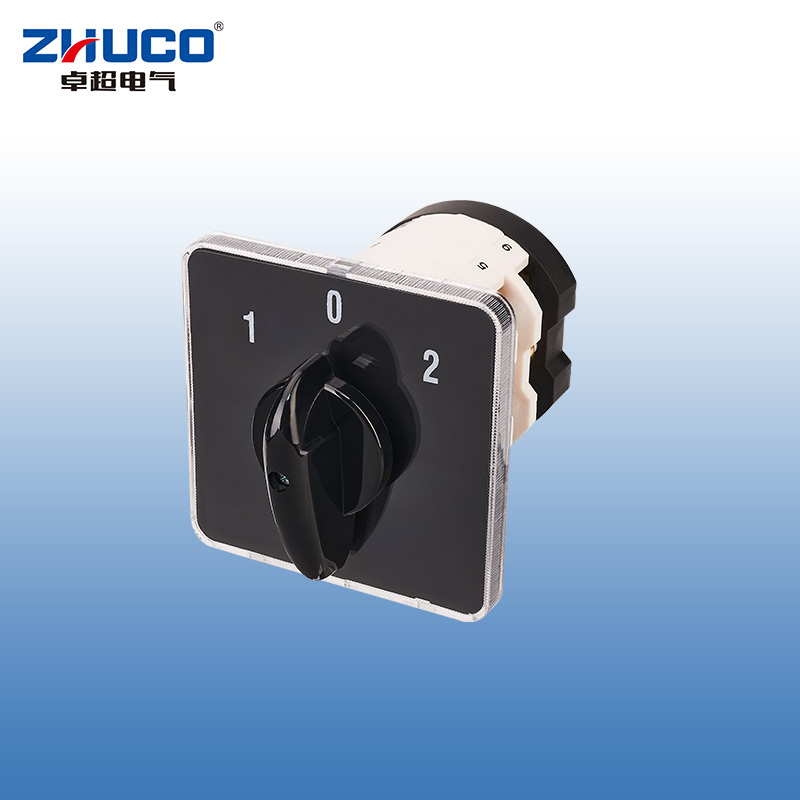
How The Switching Mechanism Works A Circuit Changeover Switch generally contains a movable contact mechanism that changes the connection bet...
READ MORE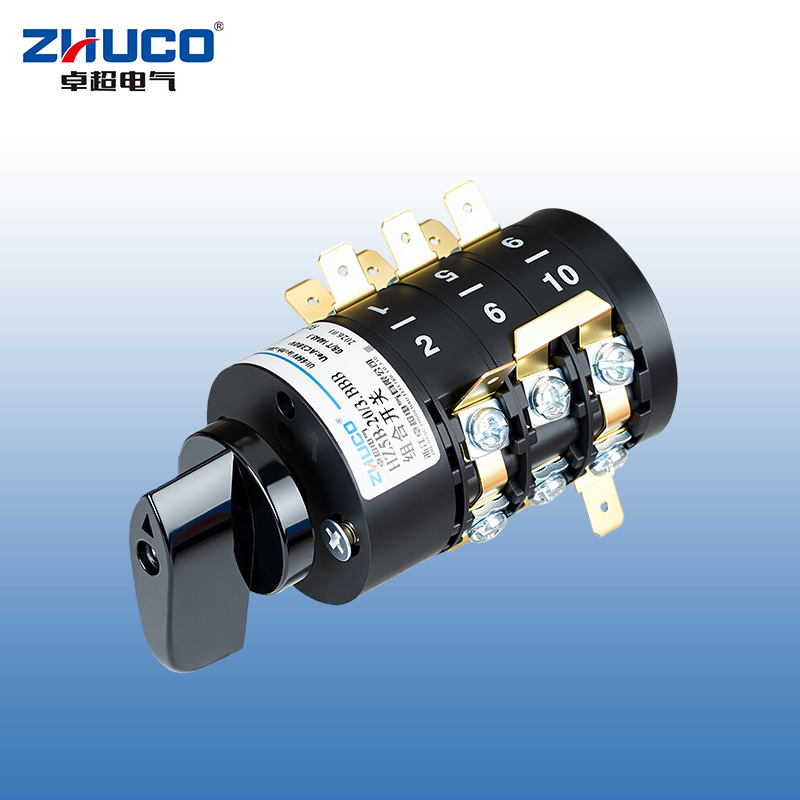
Electrical fitting suppliers have noticed a steady shift toward fixtures that do more within a single wall plate, and the combination switch...
READ MORE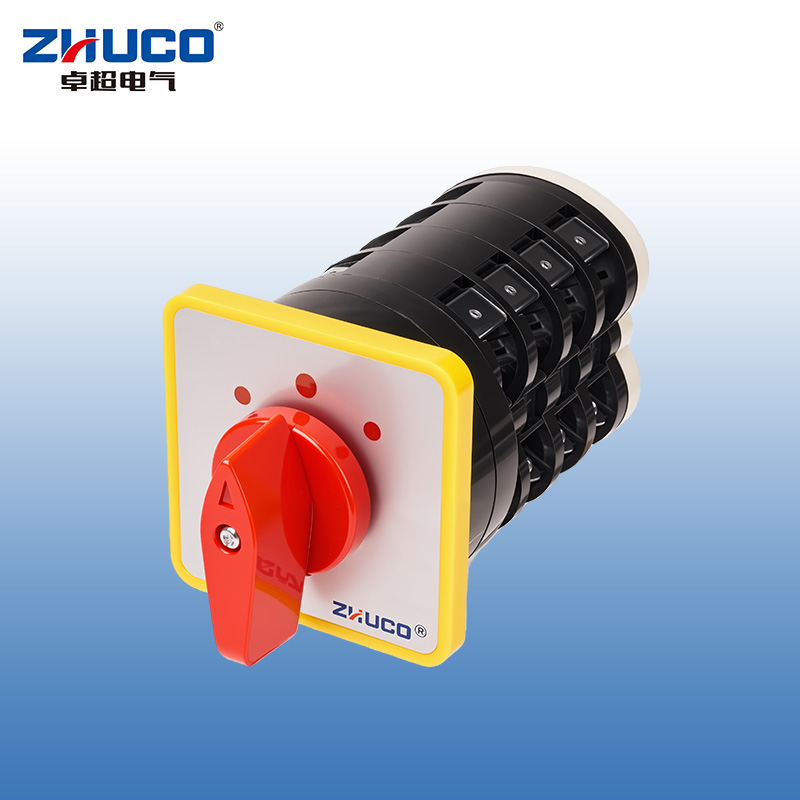
Electrical systems rely on countless small components to stay stable, and a voltage switch is one of the parts working quietly in the backgr...
READ MOREThe stability of an industrial power distribution system is never guaranteed by a single piece of equipment alone; rather, it relies on the coordinated operation of an entire switching and control architecture. As the operational core of this system, the Power Control Changeover Switch bears the critical responsibility of precisely orchestrating the transition between normal utility power and emergency backup power.
In practical engineering deployments, the collaborative relationship between the changeover switch and the emergency power module directly determines the quality of the system's response. The activation timing, switching sequence, and isolation logic relative to the main circuit—specifically regarding the Emergency Power Switch—must be comprehensively planned during the system design phase, rather than being improvised on-site.
Common topologies for emergency power supply systems include the following:
Different industries exhibit vast disparities in their requirements regarding the response speed and reliability of emergency switching systems; consequently, configuration strategies vary significantly.
Petrochemical and Hazardous Materials Storage Facilities
Electrical systems in such environments must comply with standards for hazardous area classification. For these sites, the enclosure protection rating and explosion-proof certification of the Emergency Power Cutoff Switch serve as mandatory entry-level requirements, rather than optional features. Key configuration points typically include:
Rail Transit and Underground Engineering
Enclosed spaces—such as tunnels, subway station halls, and underground substations—are subject to mandatory regulatory standards regarding the continuity of power supply for emergency lighting and smoke extraction fans. In these settings, the Emergency Power Switch is typically deeply integrated with the fire alarm and linkage control system; upon receiving a mandatory switching command from the central fire control panel, the switch's local control authority is automatically overridden to prioritize and execute the fire safety command.
Medical Facilities
Areas such as operating rooms, intensive care units (ICUs), and hemodialysis centers are subject to extremely stringent hierarchical standards regarding power supply reliability and classification. A power interruption lasting longer than 0.5 seconds can potentially cause irreversible harm to patients. In such critical applications, the switching logic for the Power Control Changeover Switch must satisfy the following requirements:
The core value of an Emergency Power Cutoff Switch lies in "reliable disconnection" rather than "rapid switching"; these two concepts differ fundamentally in their design logic. The former prioritizes deterministic operation under any operating condition, while the latter focuses on the continuity of the switching process.
Key technical mechanisms for achieving reliable emergency power cutoff include:
In large-scale industrial plants or commercial complexes, the installation location of an Emergency Power Cutoff Switch is typically determined through rigorous analysis. These locations must balance accessibility for authorized operators with isolation from unauthorized personnel; common installation sites include distribution room entrances, fire control rooms, and emergency stop control stations within process areas.
Before a Power Control Changeover Switch is placed into active service, it must undergo a comprehensive commissioning and verification process. The following stages represent the blind spots more frequently overlooked during the system acceptance process:
Once the system enters the stable operational phase, the maintenance and management of the Power Control Changeover Switch become critical to ensuring the system's long-term reliability. Common risk points encountered in practice include: