


 English
 русский
 Español
 Deutsch
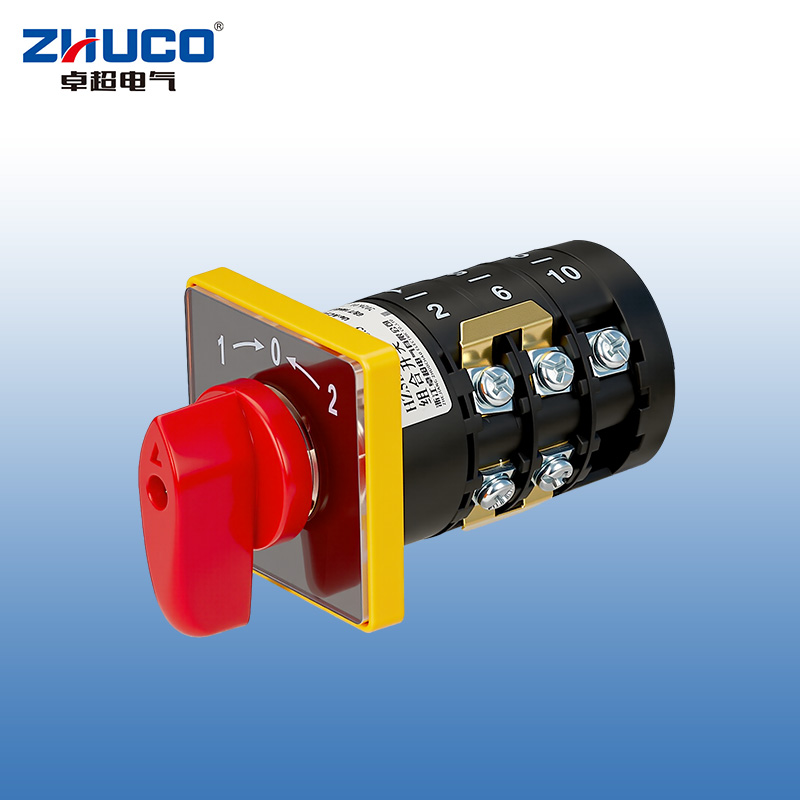
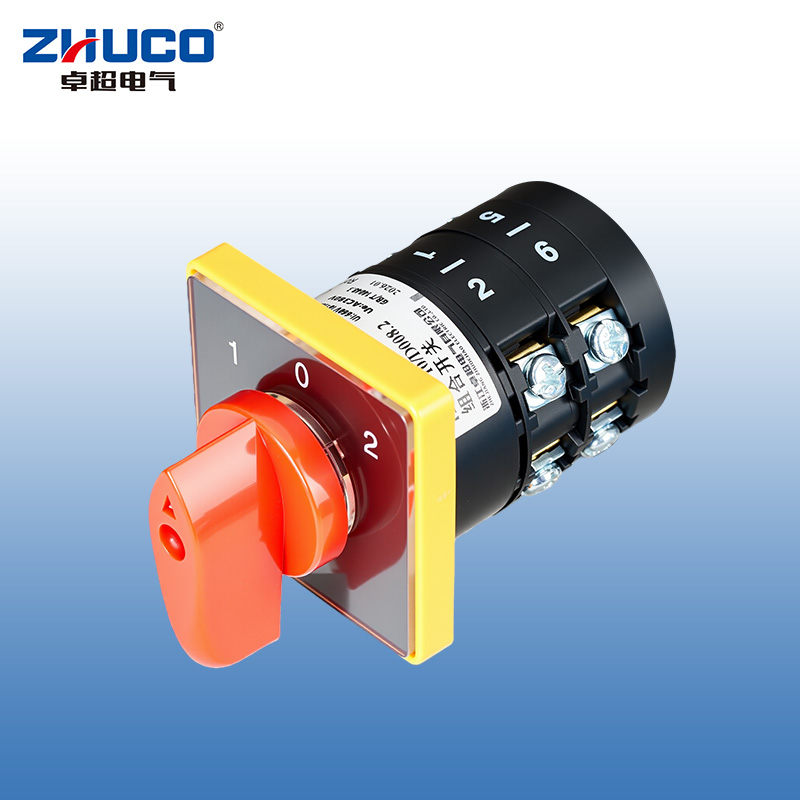
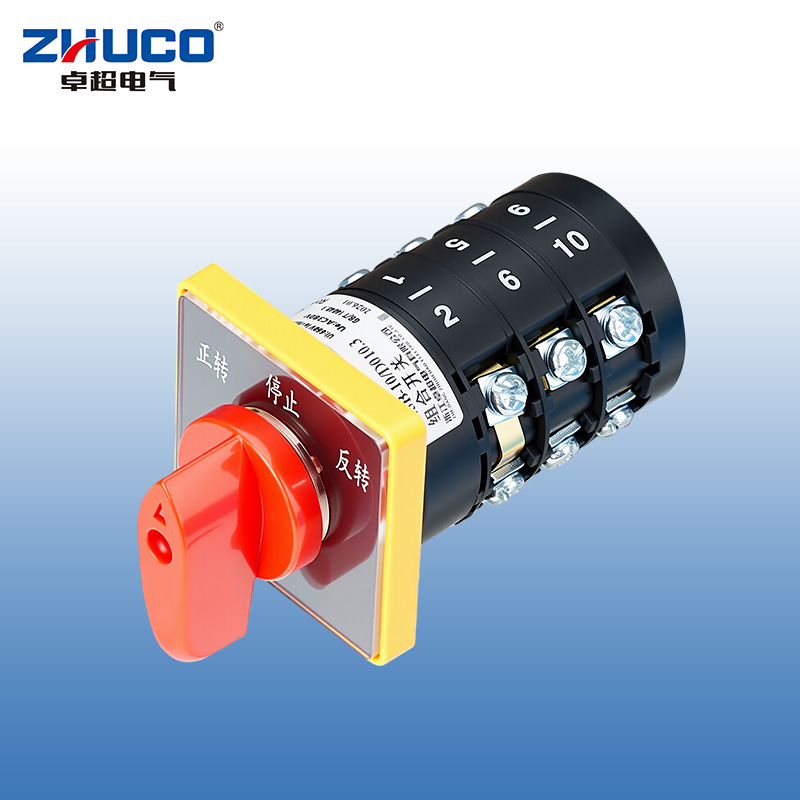
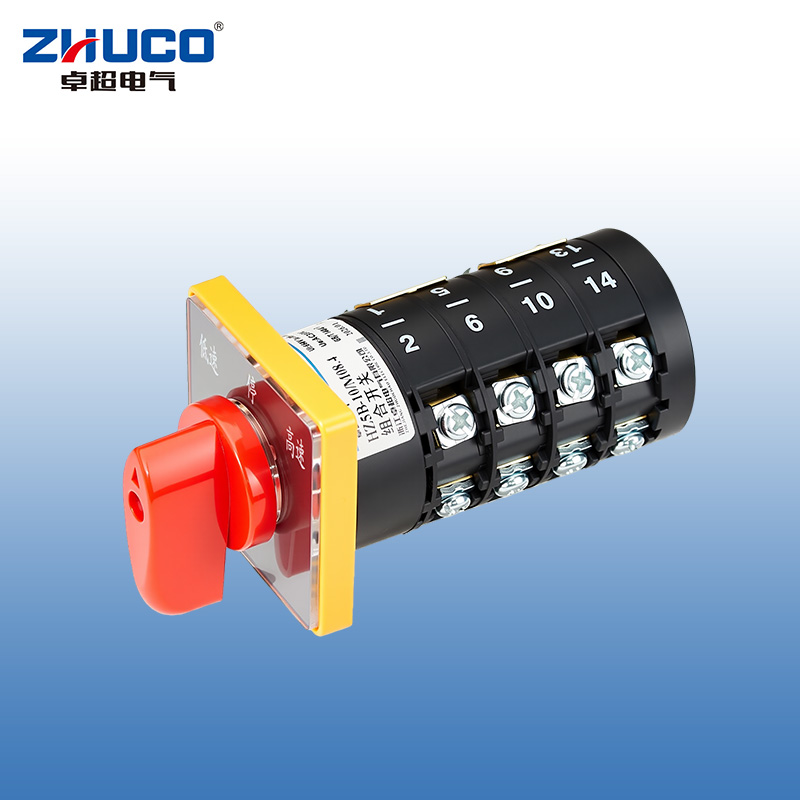
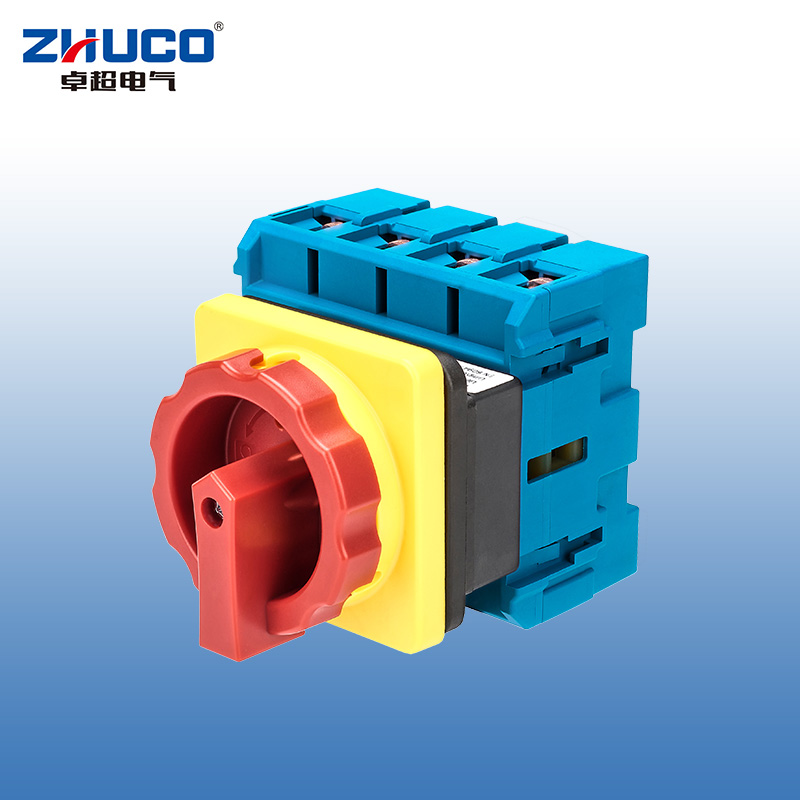
Basic Design and Function The core of a 4-pole load switch consists of four independent switching poles linked so they open or close togethe...
READ MORE
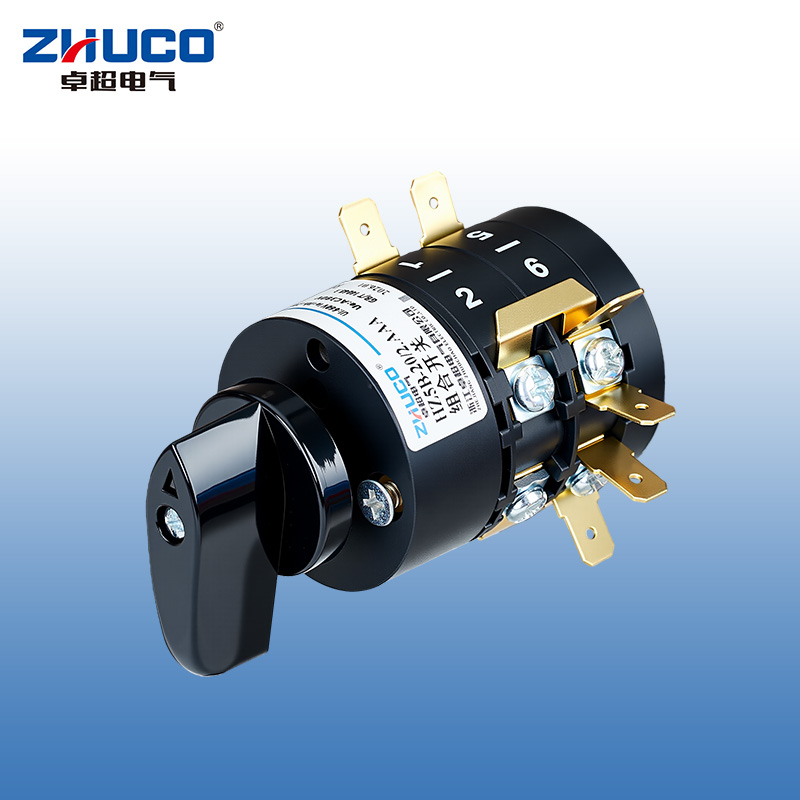
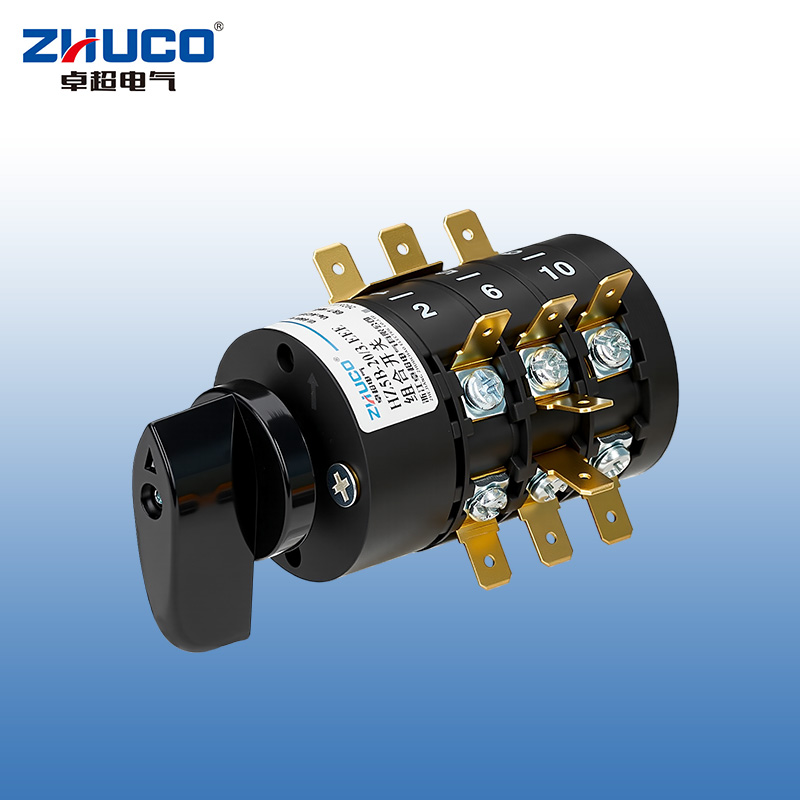
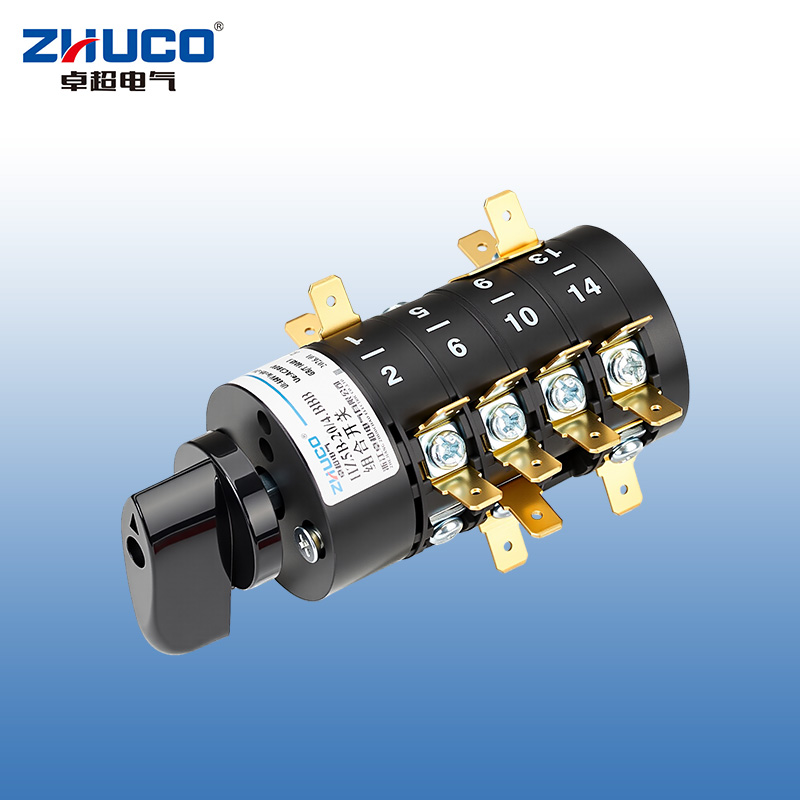
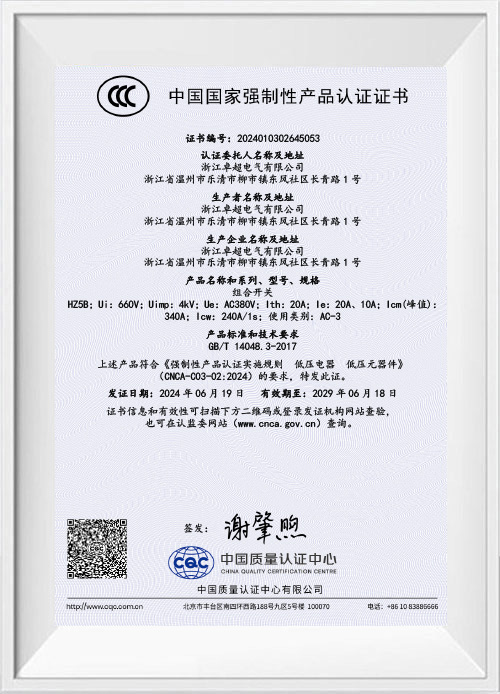
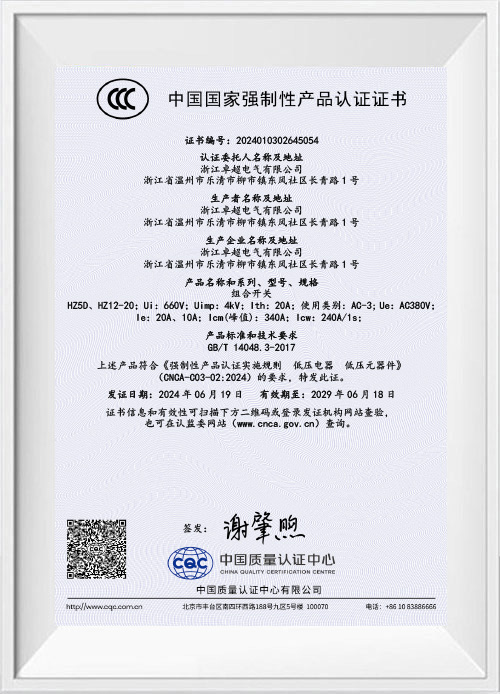
Combination switches are core control components in the low-voltage electrical appliance field. They achieve circuit switching and signal control through the precise coordination of a cam mechanism and a modular contact system.
Rated currents cover 10A, 20A, and 40A, supporting 1-7 pole combinations, and are compatible with mainstream voltages such as 110V/220V/380V, meeting the control needs of equipment ranging from small motors to high-power devices (e.g., "20A for 4kW motor forward/reverse control, 40A for 7.5kW water pump start-up protection").
They support "number of poles + number of positions" customization, with single poles allowing 1-3 position adjustment (e.g., "2-speed switching," "3-pole power conversion"). Custom cam profiles can be developed according to customer requirements (e.g., "fast switching," "delayed switching") to meet special logic control needs.
They feature a rotary operation method, with an operating force of ≤3N and precise travel (±0.5mm), and support panel mounting.
Application scenarios: Industrial machinery control: metal cutting machine tools (spindle start/stop, feed speed switching), injection molding machines (injection/holding pressure mode switching), construction machinery (concrete mixer speed adjustment);
Power and power conversion: distribution boxes (main/backup power switching), solar inverters (DC/AC circuit conversion), emergency power systems (mains-backup power switching, multi-circuit control);
New energy equipment: energy storage battery packs (charge/discharge mode switching), charging piles (start-charge-stop control);
Building and medical: construction elevators (operating mode switching: "up-down-pause").

Basic Design and Function The core of a 4-pole load switch consists of four independent switching poles linked so they open or close togethe...
READ MORE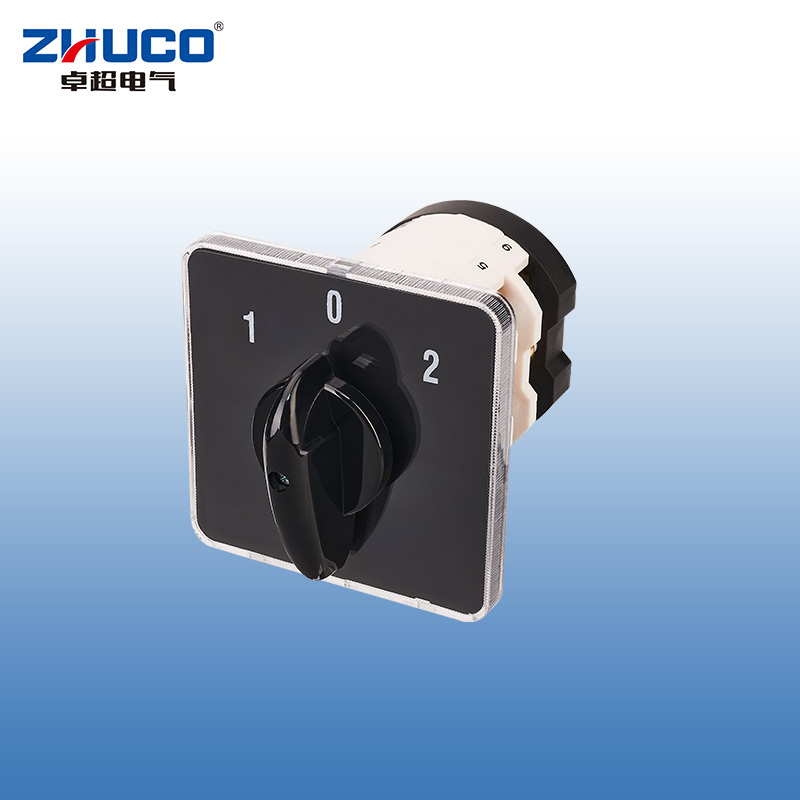
How The Switching Mechanism Works A Circuit Changeover Switch generally contains a movable contact mechanism that changes the connection bet...
READ MORE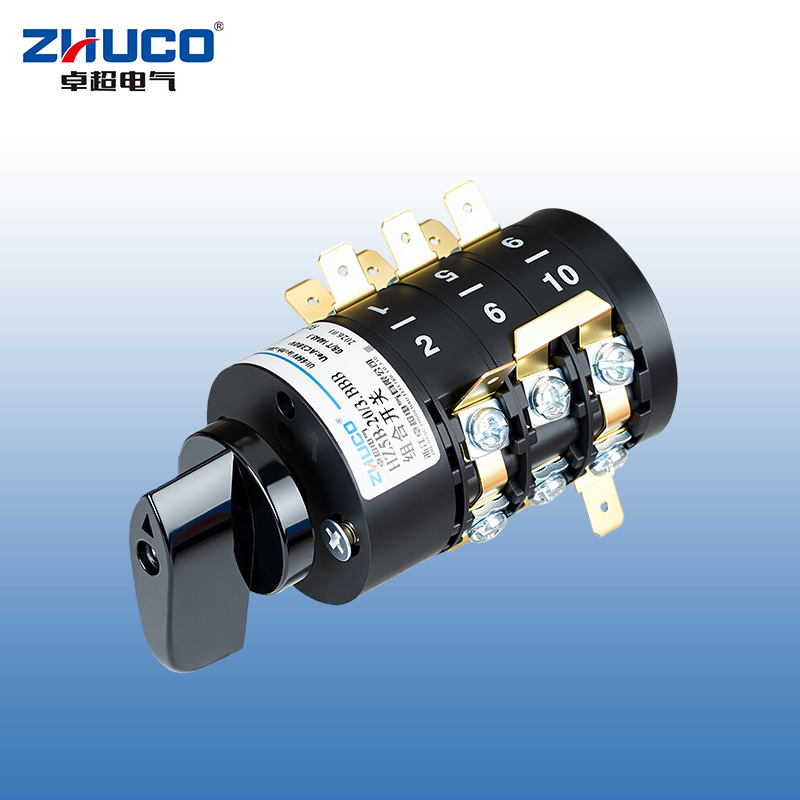
Electrical fitting suppliers have noticed a steady shift toward fixtures that do more within a single wall plate, and the combination switch...
READ MORE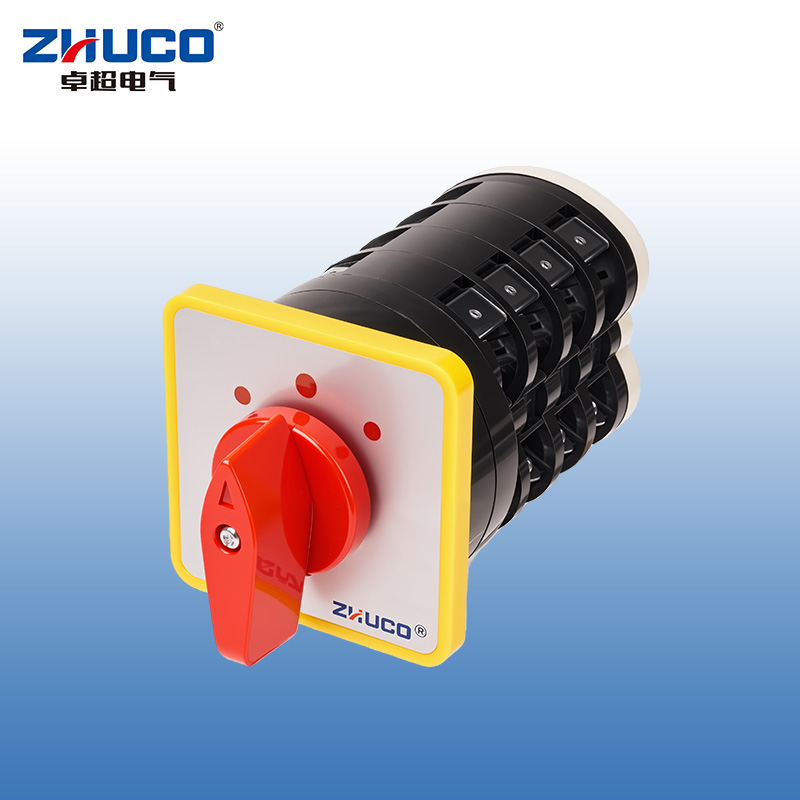
Electrical systems rely on countless small components to stay stable, and a voltage switch is one of the parts working quietly in the backgr...
READ MOREIt is precisely against this backdrop that the engineering value of the combination switch becomes evident. By integrating multiple functional contacts into a single operating element, the combination switch significantly reduces the number of components and the wiring complexity within control circuits, all without compromising control flexibility. This integrated design philosophy aligns goodly with the modern industrial pursuit of compact, reliable, and easily maintainable system designs, thereby driving the continuous expansion of combination switch applications across a wide range of industries.
The "multi-pole" characteristic of a multi-pole combination switch does not merely entail mounting several single-pole switches side-by-side; rather, it involves consolidating multiple sets of independent contact systems into a unified operating unit via a shared operating shaft. Within this unit, the contacts for each pole maintain strict mechanical synchronization while remaining completely electrically independent.
This structural feature yields two key engineering advantages: one, the synchronized operation of multiple poles eliminates inter-phase imbalance issues caused by timing discrepancies between individual poles. Second, the electrical independence of each contact circuit allows different poles to handle circuits of varying voltage levels and characteristics, thereby enabling the consolidated management of both power and control circuits within a single switch body.
Configuration Logic for Multi-Pole Combination Switches:
Low-Voltage Electrical Apparatus constitutes an extremely broad product ecosystem; within this framework, the combination switch occupies the intersection between control and protection functions. Understanding the functional positioning of the combination switch within the broader context of low-voltage electrical systems is a prerequisite for proper system-level design.
The relationship between the core functions of low-voltage electrical appliances and combination switches:
In the coordinated design of low-voltage electrical appliances systems, the selection of combination switches must be verified with upstream and downstream components using differential coordination. The instantaneous tripping current of the upstream circuit breaker must be higher than the big short-circuit current allowed by the combination switch to ensure that the circuit breaker operates one in the event of a fault, protecting the combination switch from damage caused by short-circuit current surges.
In practical engineering, combination switches never exist in isolation but function as coordinating components within low-voltage electrical apparatus systems. The following coordination design dimensions are more easily overlooked in engineering practice:
Functional Division with Contactors: Combination switches are suitable for infrequent mode selection and circuit switching operations, with a rated operating frequency typically below tens of times per hour; contactors, on the other hand, are designed for frequent switching operations, with a rated operating frequency reaching hundreds or even thousands of times per hour. The functional division between the two must be clearly defined during the design phase to avoid assigning frequent operating tasks to the combination switch, pilot to premature contact wear and failure.
Coordination with Protection Components: Multi-Pole combination switches typically do not possess overload and short-circuit protection functions themselves and must rely on upstream circuit breakers or fuses for protection. The rated current of protective devices must be matched to the actual load current of the circuit controlled by the combination switch. Additionally, it is essential to verify that the combination switch's rated short-time withstand current (Icw) is no lower than the prospective short-circuit current at the installation point; this prevents the switch from sustaining damage during a short-circuit fault before the circuit breaker has had time to trip.
Interface Specifications for Secondary Circuits
When connecting the auxiliary contacts of a Multi-Pole Combination Switch to a secondary circuit, the following coordination requirements must be observed:
The engineering selection of a combination switch must undergo a systematic parameter verification process. The following checklist covers the more common oversights encountered in practical selection scenarios:
During the site delivery phase, each Multi-Pole Combination Switch must undergo individual switching (On/Off) tests. These tests serve to verify the synchronization of contact operation across all poles and the consistency of contact resistance, thereby ensuring that the results of the factory inspection align with the actual performance observed under site installation conditions.