


 English
 русский
 Español
 Deutsch
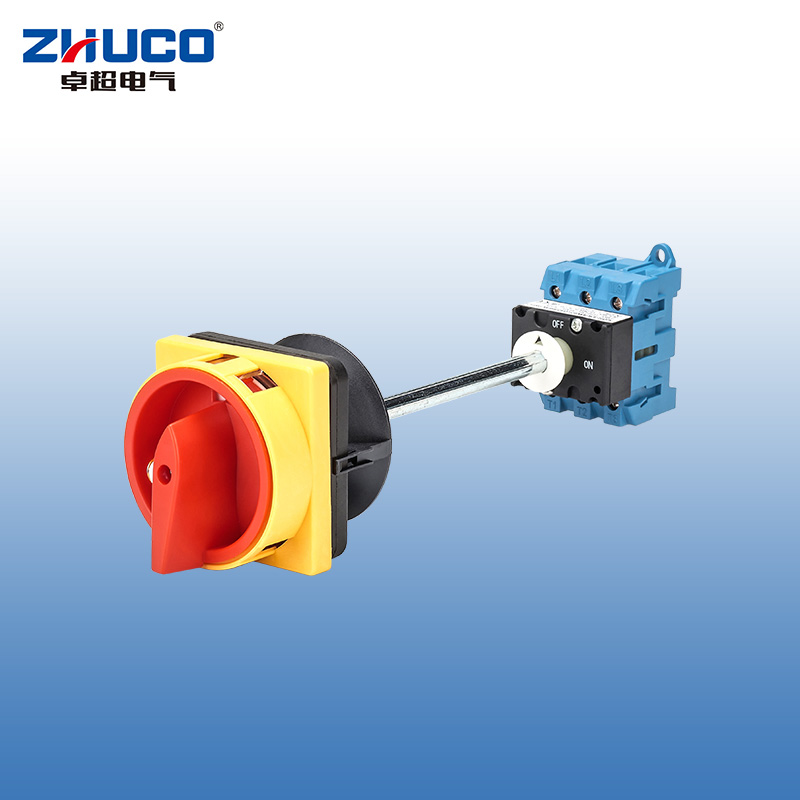
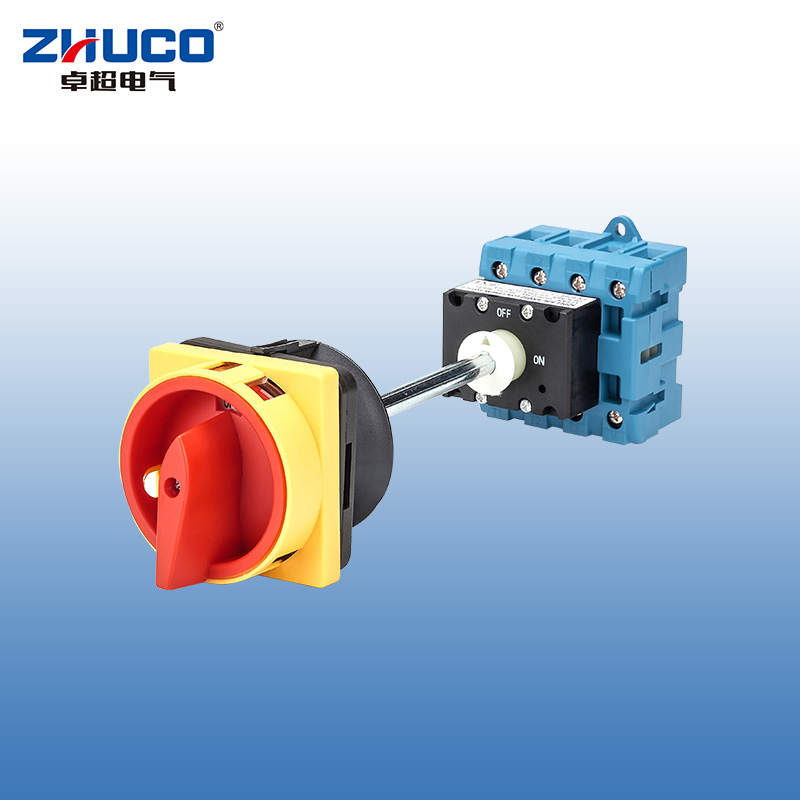
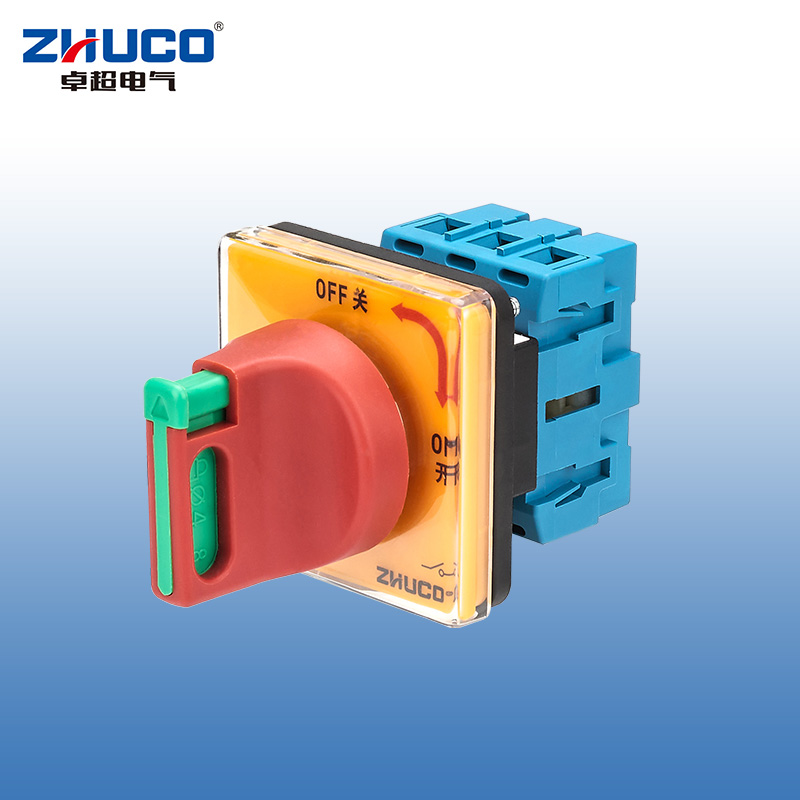
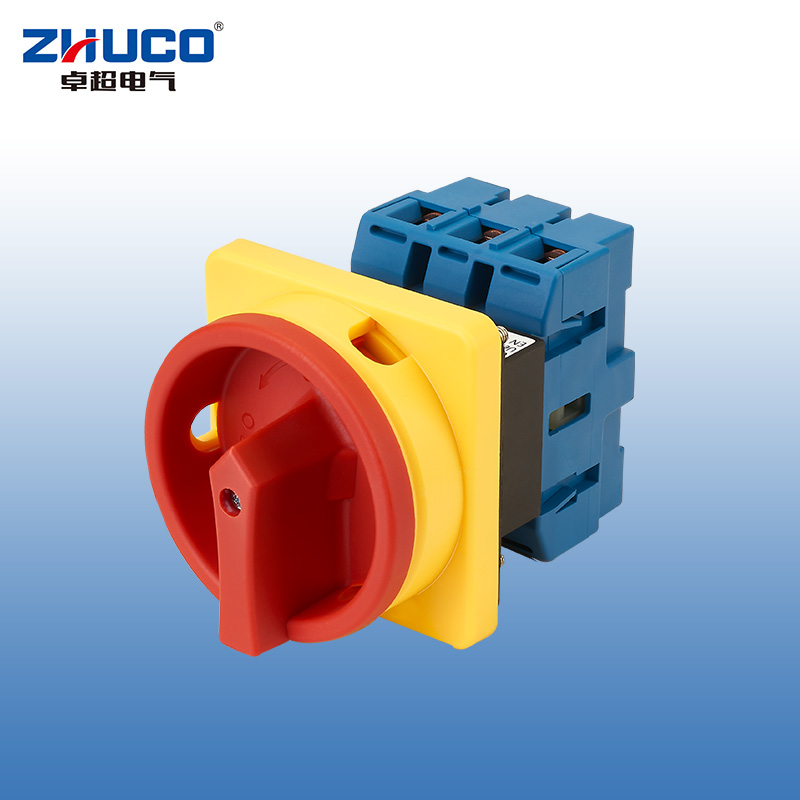
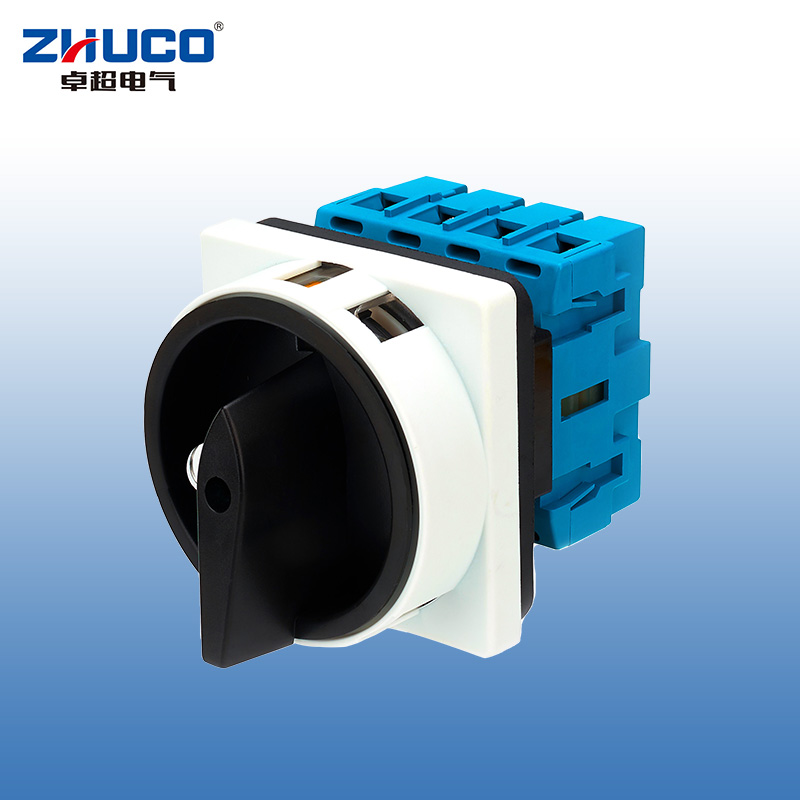
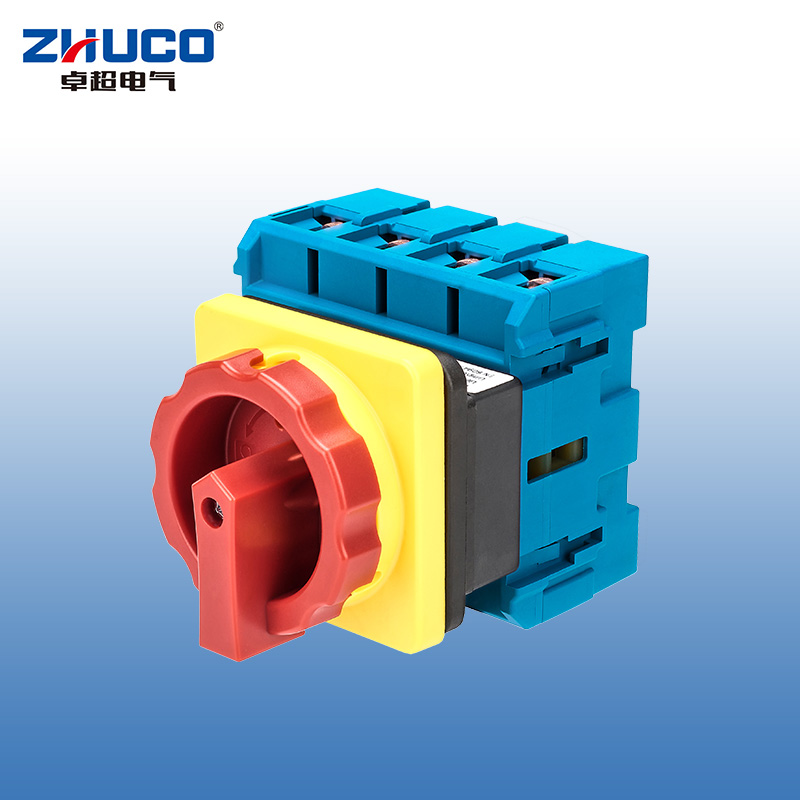
Basic Design and Function The core of a 4-pole load switch consists of four independent switching poles linked so they open or close togethe...
READ MORE
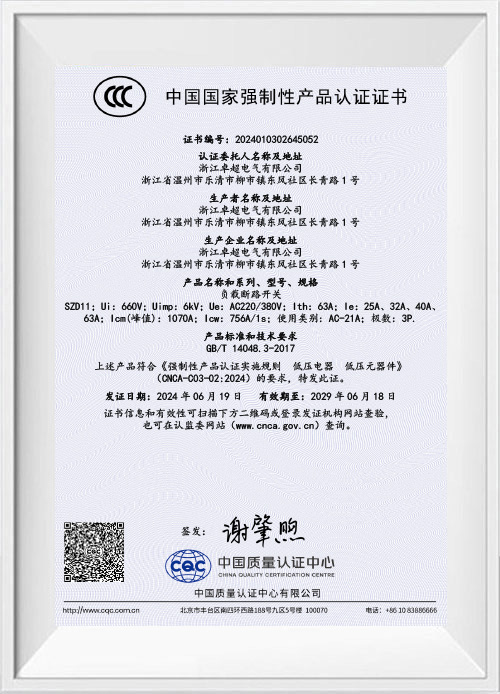
The load break switch is a series of high-voltage and low-voltage universal load switches that integrate "load switching and mechanical isolation" functions. It is a core protection component in low-voltage electrical equipment. Through its unique arc extinguishing chamber design and mechanical interlocking structure, it can safely disconnect the circuit under load (breaking current ≤ rated current), while simultaneously achieving mechanical isolation between the main circuit and the power supply (insulation distance ≥ 3mm).
It is widely used in industrial automation, power systems, new energy equipment, and other fields, and is a key component for "load protection + safety isolation" in small and medium-power circuits. According to the number of poles and rated current, the SZD11 series is available in SZD11-25/300010 three-pole (3P) and SZD11-25/400010 four-pole (4P) versions, with a rated current of 25A~100A, suitable for AC 50Hz~60Hz rated operating voltage ≤440V and rated current 25A~100A electrical circuits.
Compact structure and flexible installation:
Modular design, the volume is only 1/2 of traditional circuit breakers. The B series supports 35mm DIN rail mounting, conventional fixed panel mounting, and drawer-type mounting (suitable for GCS/GCK low-voltage cabinets). The terminal spacing is ≥12mm, and it has excellent heat dissipation performance (temperature rise ≤60K), adapting to dense installation environments.
Long lifespan and low maintenance:
The mechanical life is over 100,000 cycles, and the electrical life is ≥10,000 cycles. The arc extinguishing chamber uses arc-resistant engineering plastic (glass fiber reinforced PA66), which is anti-aging and impact-resistant. The contacts use silver alloy (silver content ≥35%), with a contact resistance ≤50mΩ, reducing equipment downtime and maintenance time. Application Scenarios: Industrial Automation: Large motor control (such as rolling mills, fans), PLC system power switching, industrial robot control cabinets
Power Systems: Low-voltage distribution cabinets, packaged substations (load switch + protection), emergency power supply (EPS/UPS) switching
New Energy Field: Photovoltaic inverters (DC load disconnection), energy storage systems (battery pack charging and discharging isolation), charging piles (main circuit protection)
Building and Medical: High-rise building distribution boxes (main power isolation), hospital operating rooms (medical equipment power switching), laboratory precision instruments (safety power off).

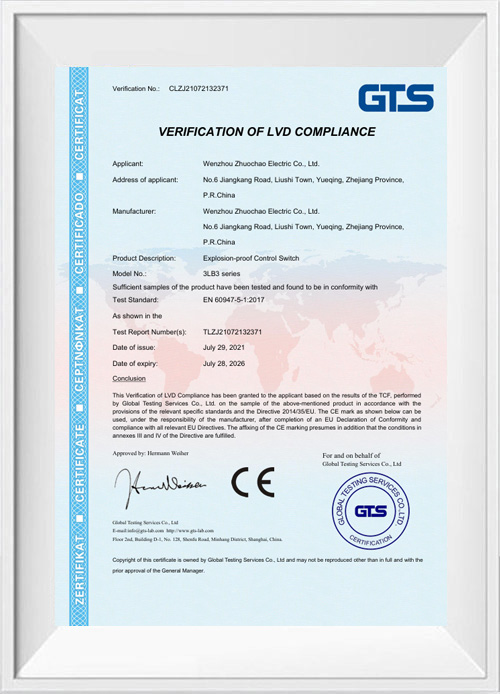
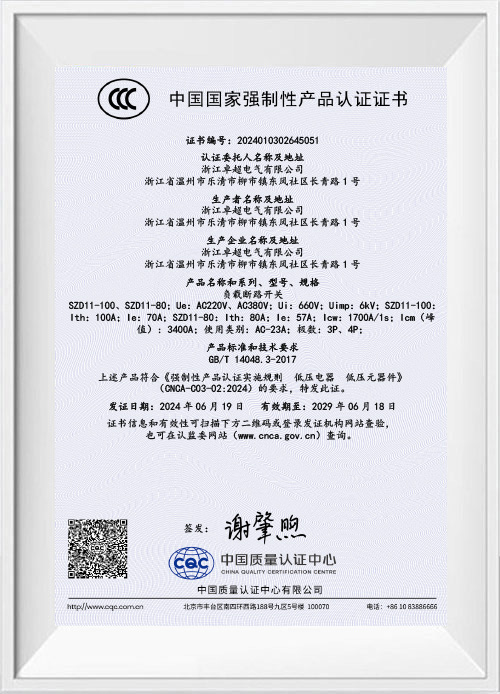
Basic Design and Function The core of a 4-pole load switch consists of four independent switching poles linked so they open or close togethe...
READ MORE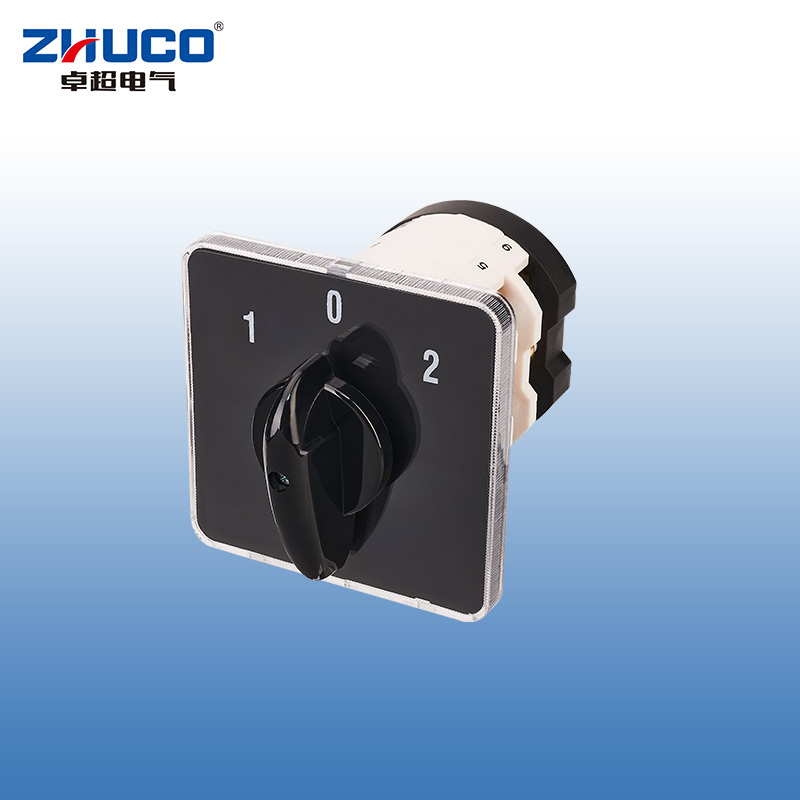
How The Switching Mechanism Works A Circuit Changeover Switch generally contains a movable contact mechanism that changes the connection bet...
READ MORE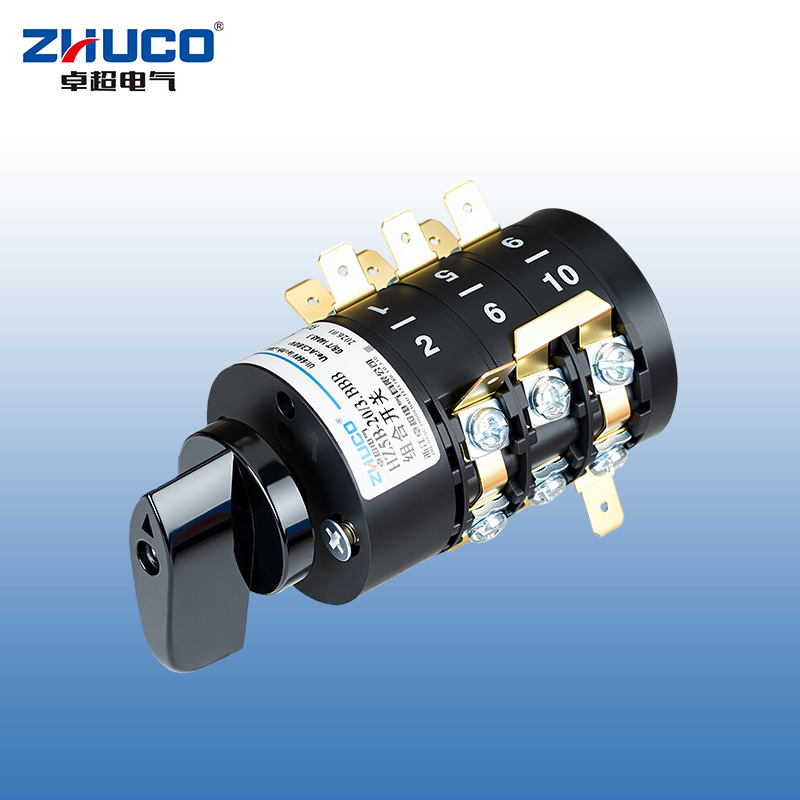
Electrical fitting suppliers have noticed a steady shift toward fixtures that do more within a single wall plate, and the combination switch...
READ MORE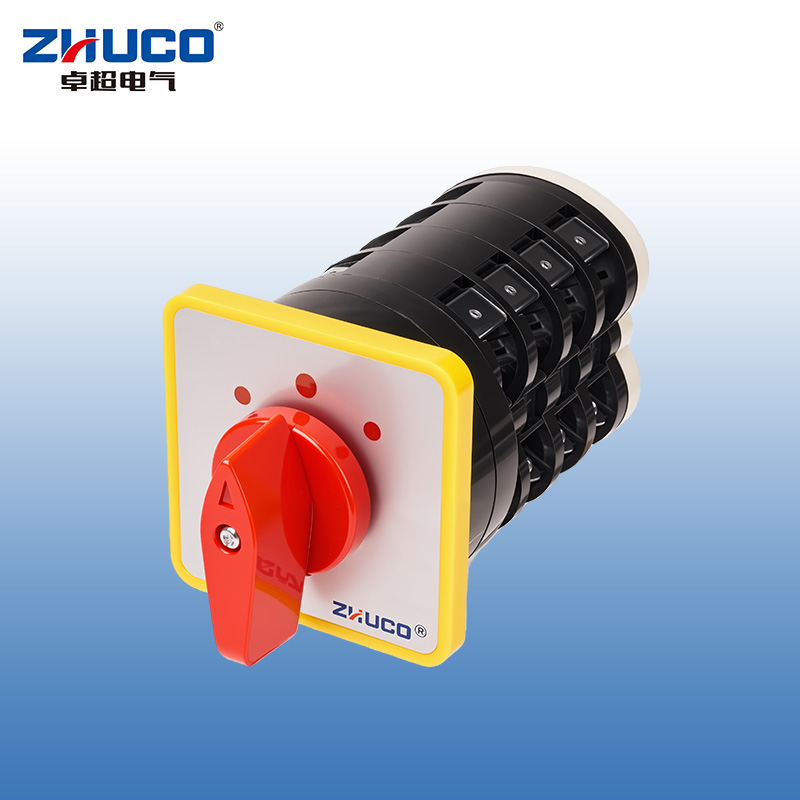
Electrical systems rely on countless small components to stay stable, and a voltage switch is one of the parts working quietly in the backgr...
READ MORETo appreciate the engineering value of a load-break switch, one must one clarify the functional boundaries distinguishing it from adjacent product categories. Circuit breakers are designed with protection as their core objective, featuring the automatic tripping capability to interrupt both overload and short-circuit currents; disconnectors, conversely, operate exclusively under no-load conditions and lack the capacity to interrupt load currents. The load-break switch bridges this gap, offering both load-switching and isolation capabilities—at a controllable cost—thereby establishing a unique application ecosystem within medium-voltage distribution, industrial power supply, and new energy systems.
Verification Criteria for the Isolation Capability of a Mechanical Disconnector:
The operating mechanism design of a mechanical disconnector must strike a balance between rapid switching action and operational safety. Spring-stored energy operating mechanisms pre-store the necessary operational energy within a spring; the opening and closing movements of the contacts are driven by the release of this stored spring energy. Consequently, the speed of the switching action remains independent of the operator's manual manipulation speed, thereby effectively mitigating the issue of prolonged contact arcing—a common problem associated with excessively slow manual operation.
The specific application requirements for switches within the new energy and energy storage sectors have driven the design evolution of load-break switches. Building upon their traditional applications in power distribution, these devices have undergone a series of targeted functional enhancements and performance optimizations to meet the unique demands of modern energy storage systems. The electrical characteristics of energy storage systems differ fundamentally from those of traditional AC power distribution systems. These differences impose specific requirements on Energy Storage System Switches—requirements that extend beyond the scope of conventional selection criteria:
DC Breaking Capacity
The DC bus voltage in battery energy storage systems typically ranges from 400V to 1500V. Unlike AC circuits, DC circuits lack natural current zero-crossing points; once an electric arc is established, it continues to burn continuously, making interruption significantly more difficult than in AC circuits. Energy Storage System Switches must be specifically designed for DC operating conditions, employing techniques such as series-connected multiple contacts, magnetic arc blowing, or gas-assisted arc extinguishing to forcibly interrupt the arc.
Bidirectional Current Handling Capability
The direction of current flow in an energy storage system reverses between charging and discharging states. Consequently, an Energy Storage System Switch must possess the capability to interrupt current flowing in both directions. Its rated parameters must satisfy requirements for both current directions; selection cannot be based solely on unidirectional ratings.
Comparison of Switch Configurations for Different Energy Storage System Types:
| Energy Storage Type | Typical DC Voltage Range | Special Requirements for Energy Storage System Switches | Key Selection Parameters |
| Li-ion Battery Storage | 500V–1500V DC | DC breaking capability; BMS interlocking interface | DC rated voltage; Short-circuit breaking current |
| Flow Battery Storage | 48V–400V DC | Corrosion resistance (electrolyte environment); Low-voltage DC breaking; | Protection class; Material compatibility |
| Supercapacitor Storage | 100V–800V DC | High-frequency operation endurance; High-current surge withstand capability | Operational lifespan; Peak current capacity |
| Flywheel Storage | Hybrid AC/DC | AC/DC compatibility; Rapid response capability | Response time; Bidirectional breaking |
| Compressed Air Storage | Primarily AC | Standard AC breaking; High-capacity configuration | Rated current; Breaking capacity |
In renewable energy generation systems, the Load-Break Switch plays a critical role in providing isolation and switching capabilities between the generation unit and the grid-connection bus. The requirements for switches differ significantly between the DC side of PV systems and the AC side of wind power systems; therefore, these applications must be addressed separately.
Specific Challenges on the PV DC Side
Under sunlight conditions, PV strings continuously generate DC current. Even in a no-load state, the PV array continues to apply an open-circuit voltage across the switch contacts. Considerations for Operating Mechanical Disconnectors on the DC Side of PV Systems:
In modern battery energy storage systems, the Energy Storage System Switch is no longer merely a simple switching component; rather, it functions as an intelligent node deeply integrated with the Battery Management System (BMS):
In medium-voltage (MV) distribution systems ranging from 6 kV to 35 kV, Load-Break Switches are typically paired with current-limiting fuses to form a Fuse-Switch Combination (FSC) unit capable of providing both overload and short-circuit protection. This combined solution offers comprehensive protection and isolation functions for MV loads—such as distribution transformers and electric motors—at a cost significantly lower than that of vacuum circuit breakers.
Key Considerations for the Coordinated Configuration of MV Load-Break Switches and Mechanical Disconnectors: