


 English
 русский
 Español
 Deutsch
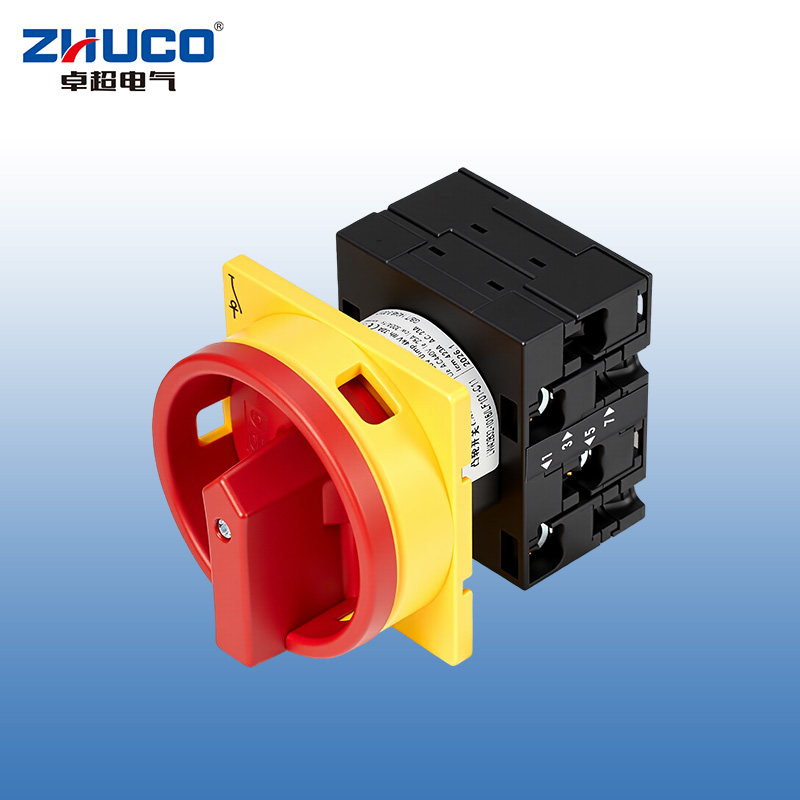
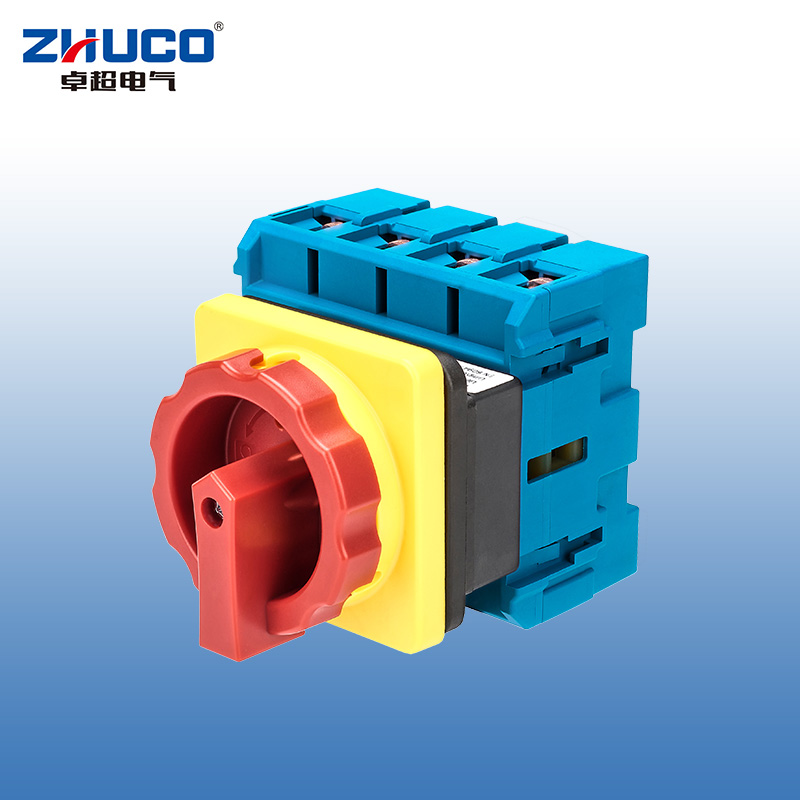
Basic Design and Function The core of a 4-pole load switch consists of four independent switching poles linked so they open or close togethe...
READ MORE
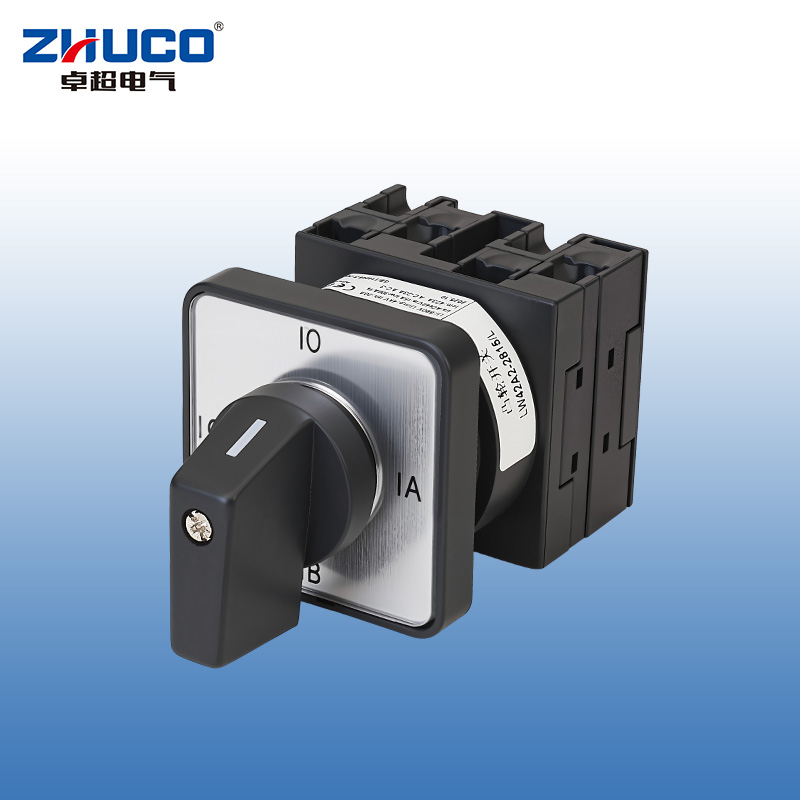
A cam switch is a multi-functional switching device that integrates control, switching, and protection functions, and is a core component in the field of low-voltage electrical appliances. Through the precise coordination of the cam mechanism and contact system, it achieves circuit switching, signal switching, and multi-circuit control. It supports 1-12 pole configurations, and a single pole can achieve complex logic such as "on-off-on" and "multi-position switching." Customized cam curves (such as linear and exponential) can be used to adapt to different control requirements.
Application Scenarios: Industrial Automation: Used in intelligent manufacturing production lines to control motor forward and reverse rotation, conveyor belt start and stop, and equipment status monitoring signal switching.
New Energy Field: Adapted for photovoltaic inverters and energy storage systems to achieve DC/AC circuit conversion and battery pack charge and discharge control.
Power Systems: As a secondary control element in high-voltage switchgear and low-voltage distribution boxes, it completes the transmission of opening and closing commands and signal acquisition.
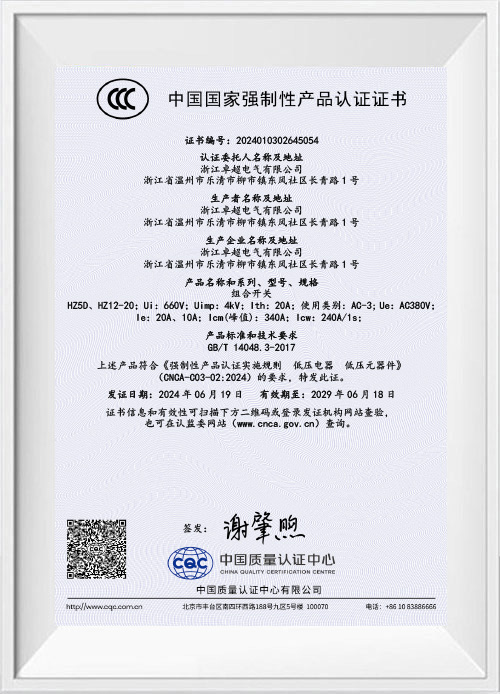
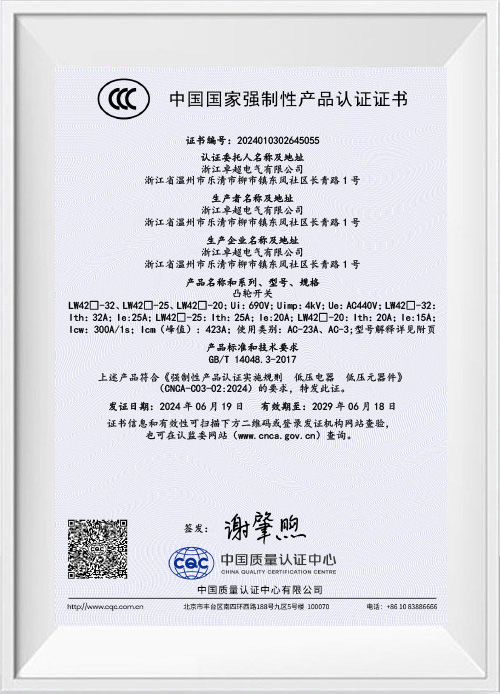
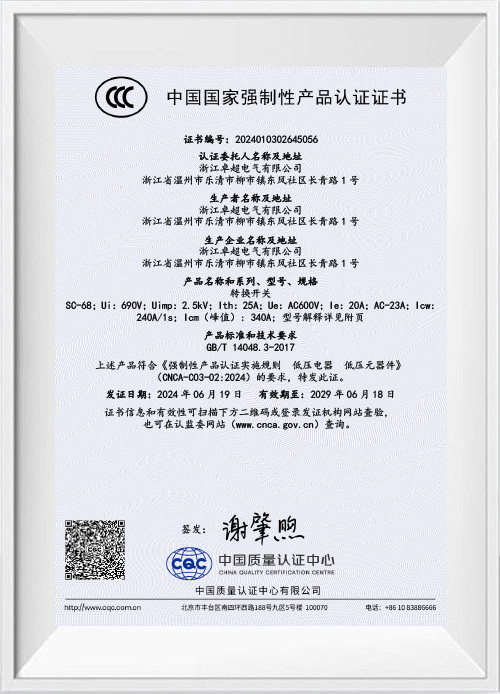
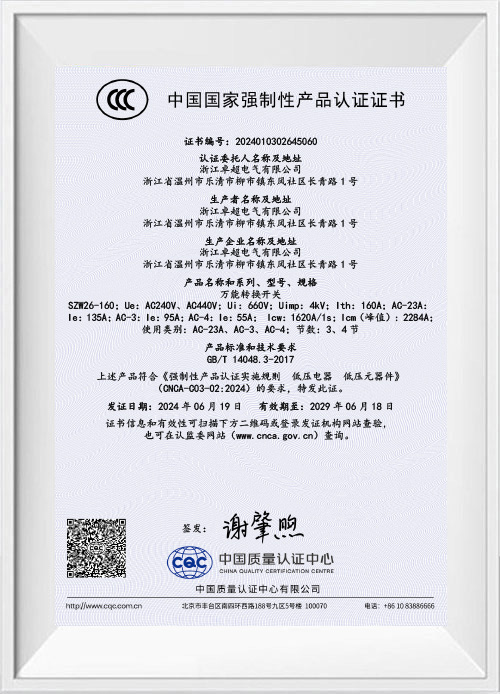
Basic Design and Function The core of a 4-pole load switch consists of four independent switching poles linked so they open or close togethe...
READ MORE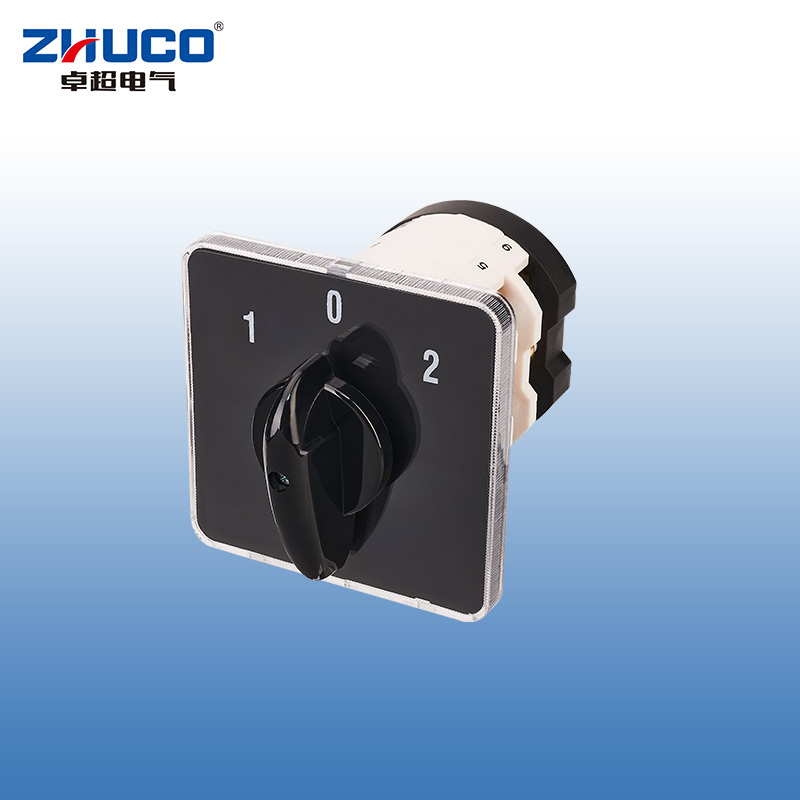
How The Switching Mechanism Works A Circuit Changeover Switch generally contains a movable contact mechanism that changes the connection bet...
READ MORE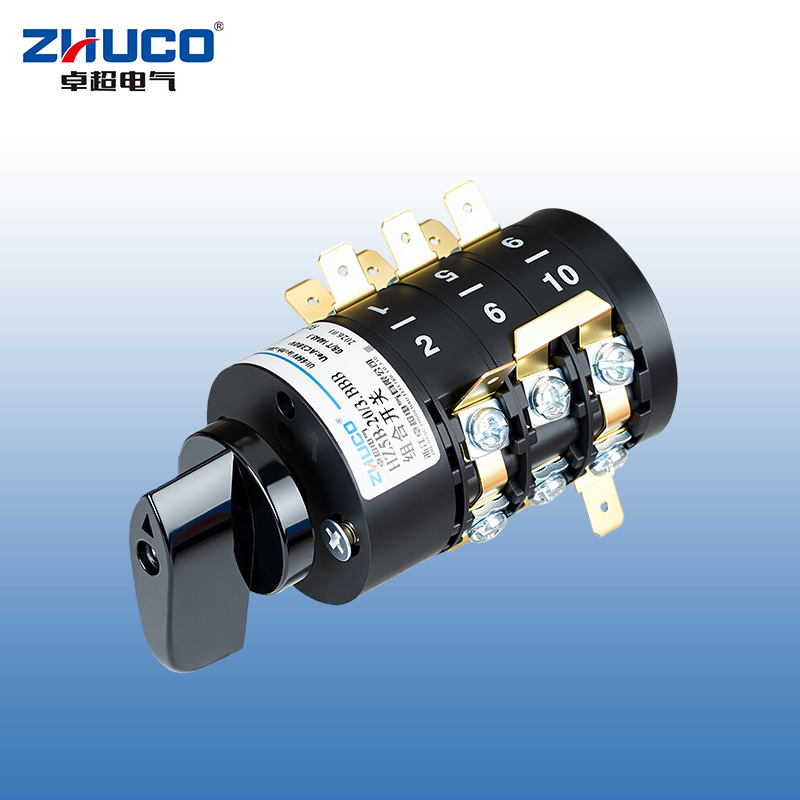
Electrical fitting suppliers have noticed a steady shift toward fixtures that do more within a single wall plate, and the combination switch...
READ MORE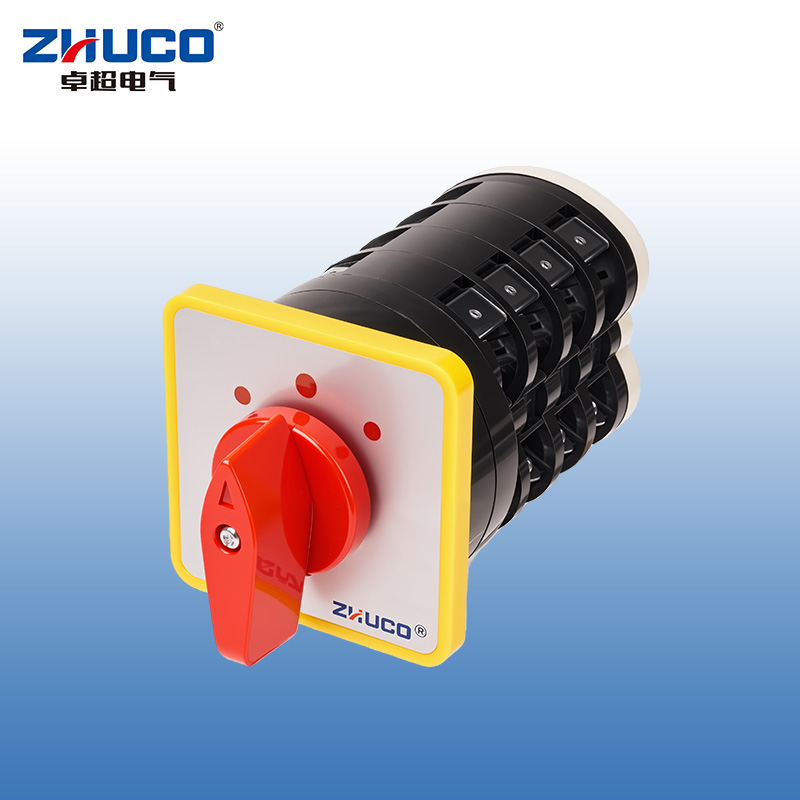
Electrical systems rely on countless small components to stay stable, and a voltage switch is one of the parts working quietly in the backgr...
READ MOREThe combination of a rotating cam and a contact system endows the cam switch with the unique ability to execute complex control logic using a single operating element. When the operating handle is rotated to a specific angular position, the high and low points of the cam profile precisely control the open/closed status of each set of contacts, thereby forming a contact matrix corresponding to that specific position. This geometry-based control logic possesses an inherent determinism: the contact status is determined entirely by the cam profile and remains immune to electrical interference, logical errors, or software malfunctions.
How Cam Mechanisms Define the Boundaries of Control Capability
The combination of a rotating cam and a contact system endows the cam switch with the unique ability to execute complex control logic using a single operating element. When the operating handle is rotated to a specific angular position, the high and low points of the cam profile precisely control the open/closed status of each set of contacts, thereby forming a contact matrix corresponding to that specific position. This geometry-based control logic possesses an inherent determinism: the contact status is determined entirely by the cam profile and remains immune to electrical interference, logical errors, or software malfunctions.
This characteristic gives cam switches a distinct advantage—one that is difficult for software-programmable controllers to replicate—in control applications where high safety standards are paramount. The fact that the control logic is physically embedded within the geometric shape of the cam constitutes both the limit of its flexibility and the very source of its reliability.
Cam-Based Implementation of High/Low Speed Control
In multi-speed motor control systems, the High/Low Speed Cam Switch serves the function of physically selecting the desired speed setting; consequently, its cam design must precisely align with the winding switching logic of the multi-speed motor.
Two-speed motors typically employ the principle of variable-pole speed regulation, wherein high and low speeds correspond to different pole-pair configurations. The switching of the winding connection scheme must be achieved through a precise combination of contact opening and closing actions. The cam profile design of a High/Low Speed Cam Switch must ensure that, during any rotational transition, no intermediate state occurs in which both the high-speed and low-speed windings are simultaneously energized; this prevents current surges and potential winding damage that could result from a momentary parallel connection of the windings.
Technical Details to Consider During the Engineering Deployment of High/Low Speed Cam Switches:
In dual-speed control applications for equipment such as fans and pumps, the contact development diagram for the High/Low Speed Cam Switch must undergo rigorous verification. This ensures that during low-speed operation, the control circuit for the high-speed contactor remains open—thereby physically preventing the possibility of accidental parallel connection at the hardware level.
The Forward/Reverse Cam Switch is one of the more widely utilized functional types of cam switches. Its contact matrix must simultaneously satisfy the logical requirements for three distinct positions—Forward, Stop, and Reverse—while guaranteeing the absolute mutual exclusivity of the forward and reverse circuits under all operating conditions.
A schematic illustration of a typical contact development diagram for a Forward/Reverse Cam Switch is presented below:
| Position | Contact Group A (Forward Coil) | Contact Group B (Reverse Coil) | Contact Group C (Interlock Signal) | Contact Group D (Braking Circuit) |
| Forward (F) | Closed | Open | Closed | Open |
| Stop (0) | Open | Open | Open | Closed |
| Reverse (R) | Open | Closed | Closed | Open |
The contact development diagram serves as the core technical document for the selection and application of Forward/Reverse Cam Switches. During engineering design, every contact within every group—for each specific position—must be verified line by line and column by column to ensure complete alignment with the design of the overall control circuit.
Key Application Considerations for Forward/Reverse Cam Switches:
In the travel control circuits for the bridge and trolley of hoisting machinery, the Forward/Reverse Cam Switch typically serves as a core component of the master controller, working in conjunction with limit switches to establish a comprehensive travel protection system.
While "Fast/Slow Speed Cam Switches" and "High/Low Speed Cam Switches" appear functionally similar, they differ significantly in their process adaptation logic. The former places greater emphasis on precisely linking speed transitions to specific process milestones; the switching action itself is an integral part of advancing the overall workflow, rather than merely a means of speed adjustment.
Machine Tool Feed Control Applications
In the feed control systems of large machine tools—such as horizontal boring machines and gantry milling machines—the Fast/Slow Speed Cam Switch is responsible for managing the speed transition between rapid traverse (fast movement) and working feed (cutting). Operators manually rotate the switch based on the current machining stage of the workpiece; the cam mechanism simultaneously switches the feed motor's speed control loop and outputs corresponding process status signals, thereby synchronizing mechanical motion with the underlying process logic.
Hoisting and Lifting Equipment
For construction hoists and mining elevators, it is essential to switch from the standard working speed to a "creep" speed as the heavy load approaches its target destination; the Fast/Slow Speed Cam Switch fulfills the critical role of controlling this precise deceleration. The operating position of the cam switch must be interlocked with the travel limit devices to prevent impact damage caused by excessive speed during final positioning—a risk often associated with operator judgment errors. Special attention must be paid to the Fast/Slow Speed Cam Switch during engineering implementation:
The Multi-Position Cam Switch expands the number of switch positions—typically ranging from 2 to 4—to 6, 8, or even more, thereby achieving a high degree of control logic integration within a single rotary operating element.
The Engineering Value of Functional Integration
In scenarios where control cabinet panel space is limited, the Multi-Position Cam Switch allows a single mounting cutout to replace multiple independent switches, while simultaneously eliminating logic conflicts that might otherwise arise from improper operating sequences among separate switches. The inherent mechanical exclusivity of the cam mechanism ensures the uniqueness of each position's status, thereby resolving—at the hardware level—race conditions that software logic often struggles to fully eliminate.
Applications of Multi-Position Switches: