


 English
 русский
 Español
 Deutsch
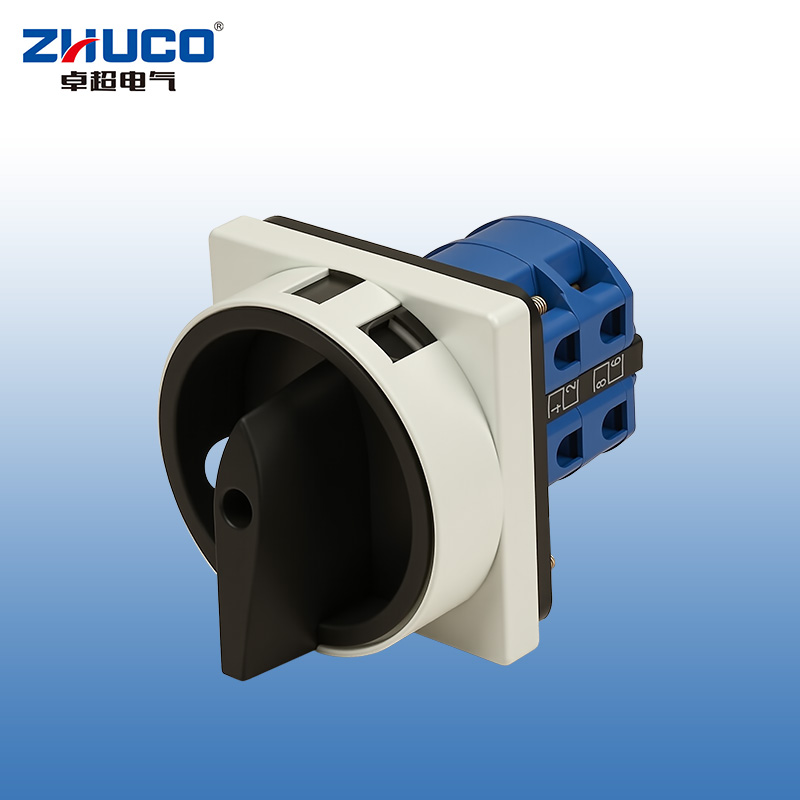
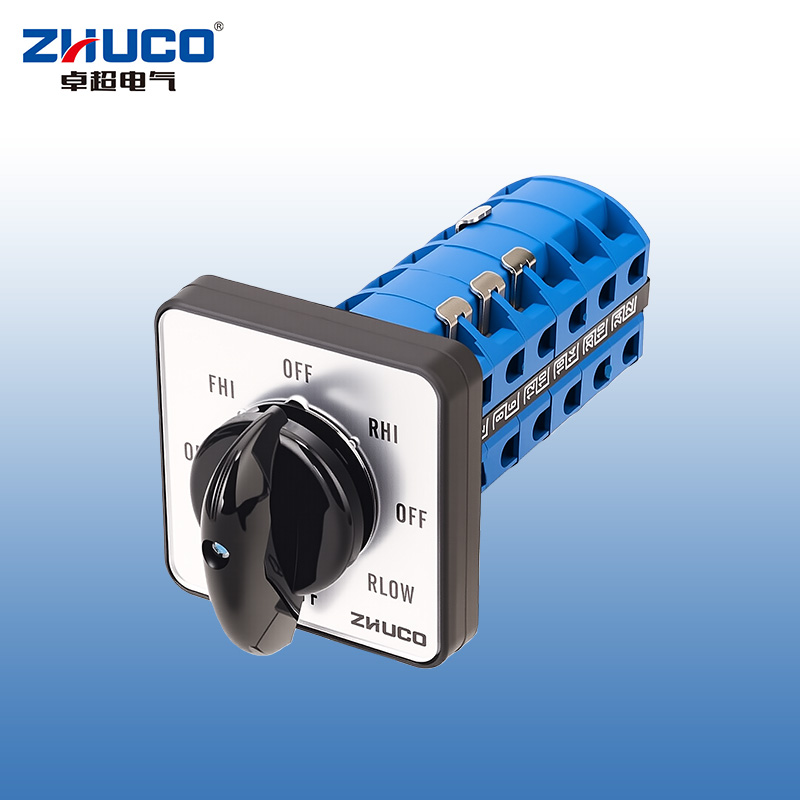
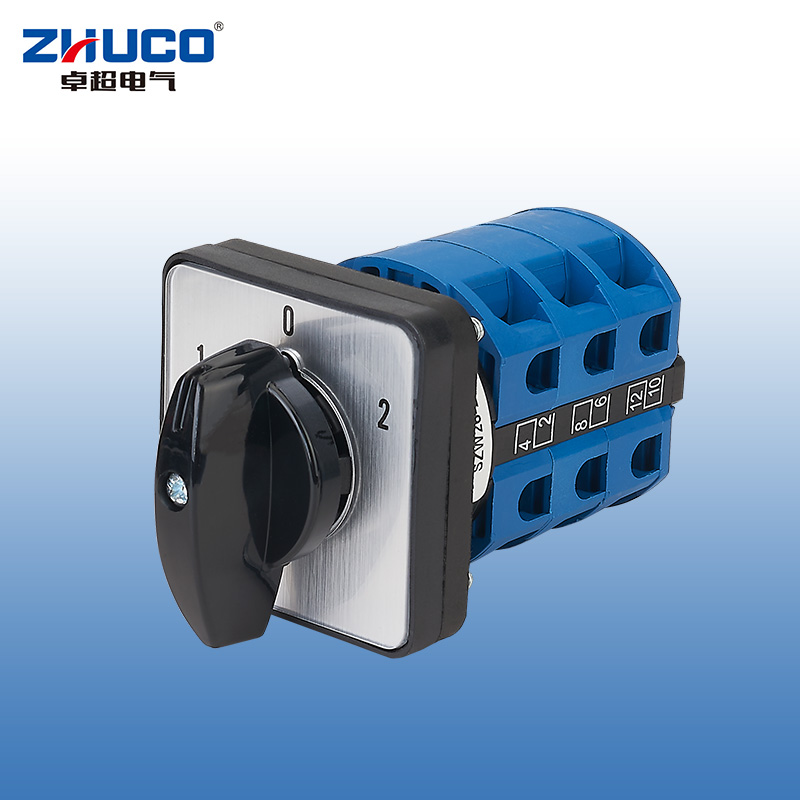
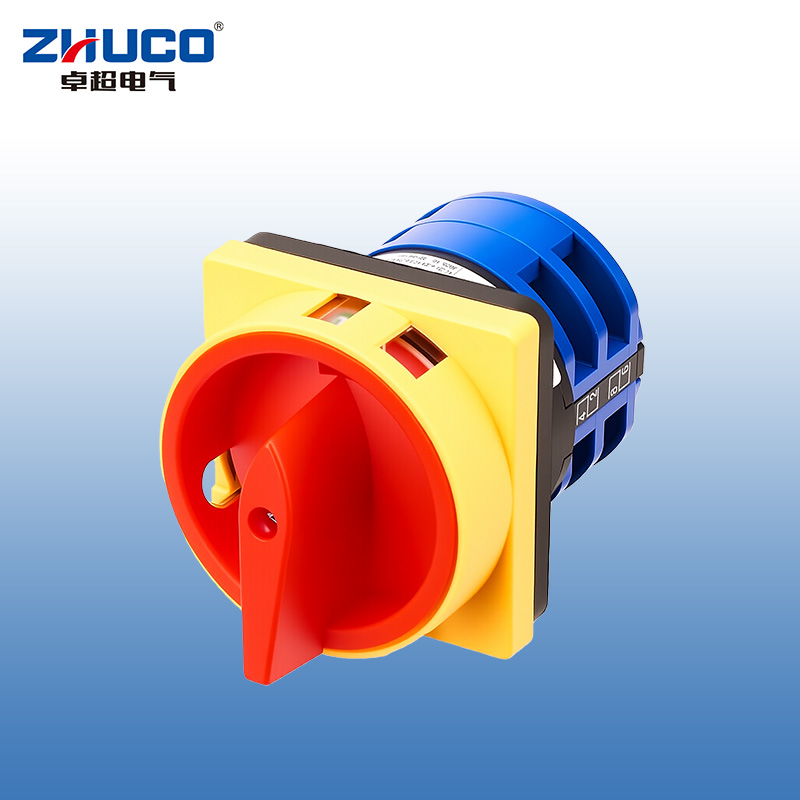
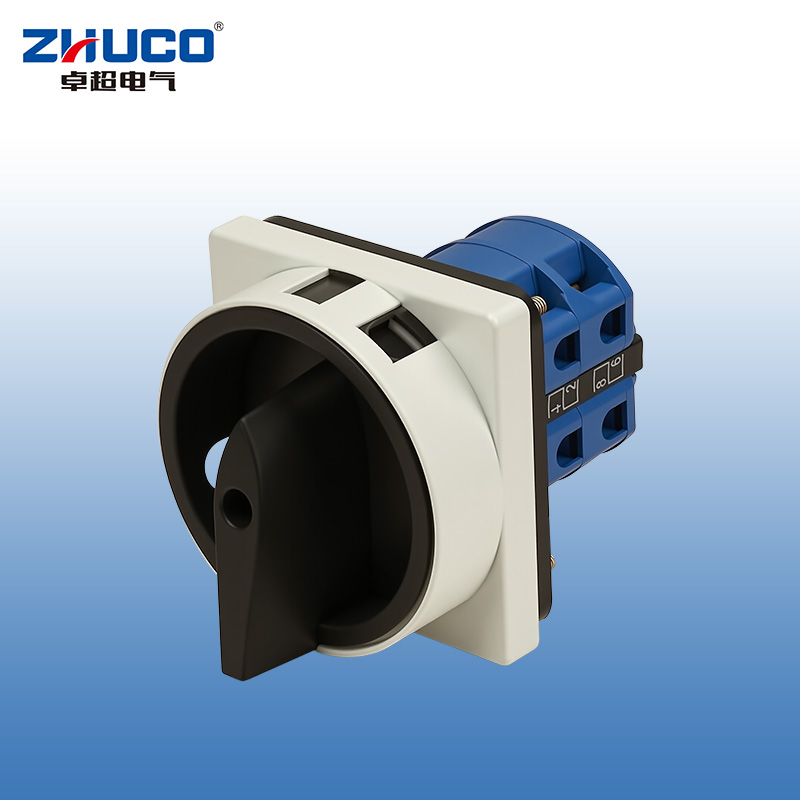
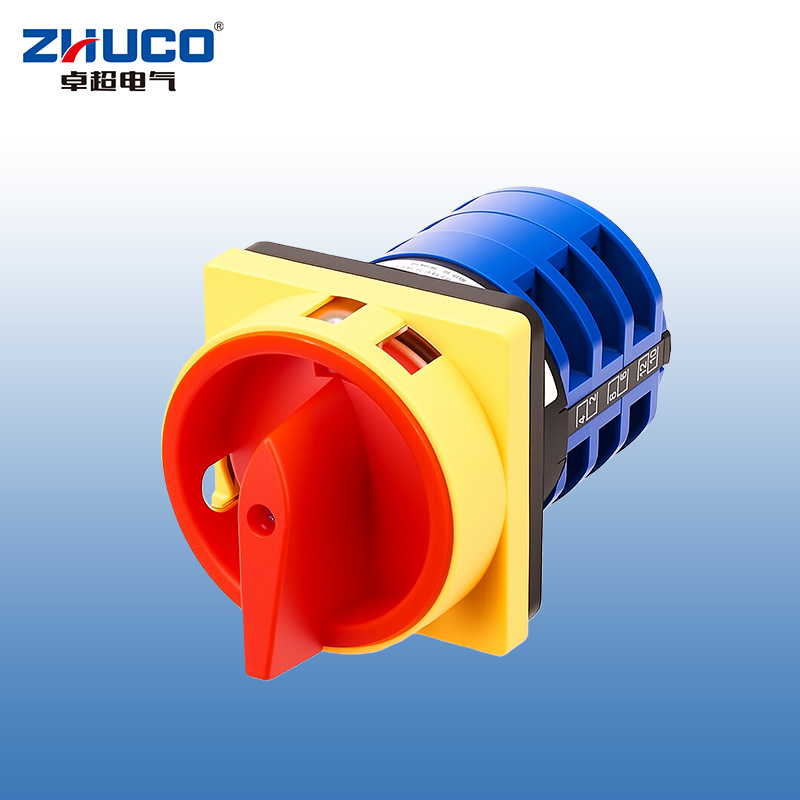
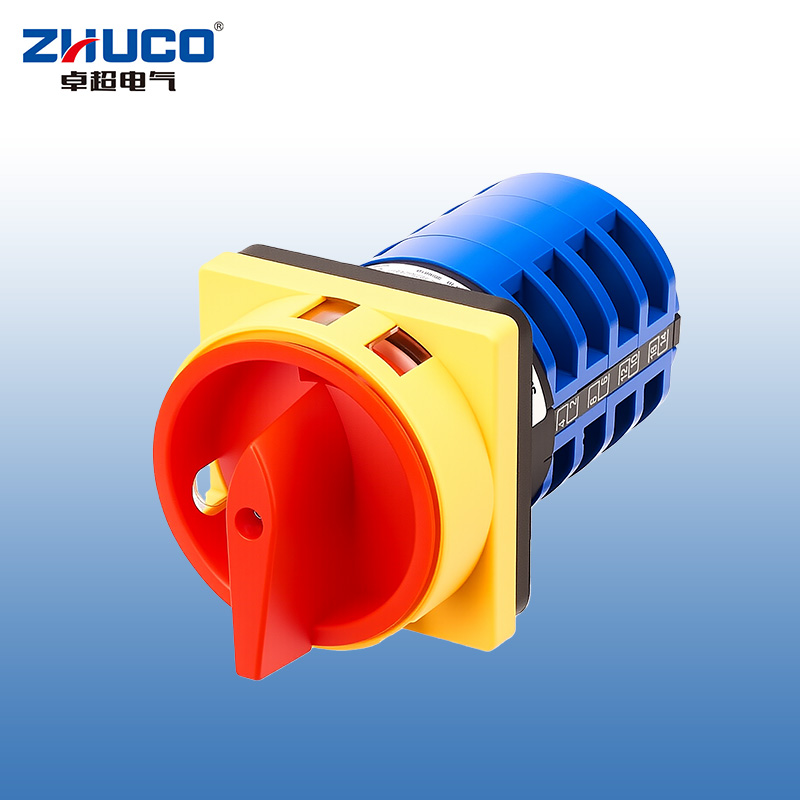
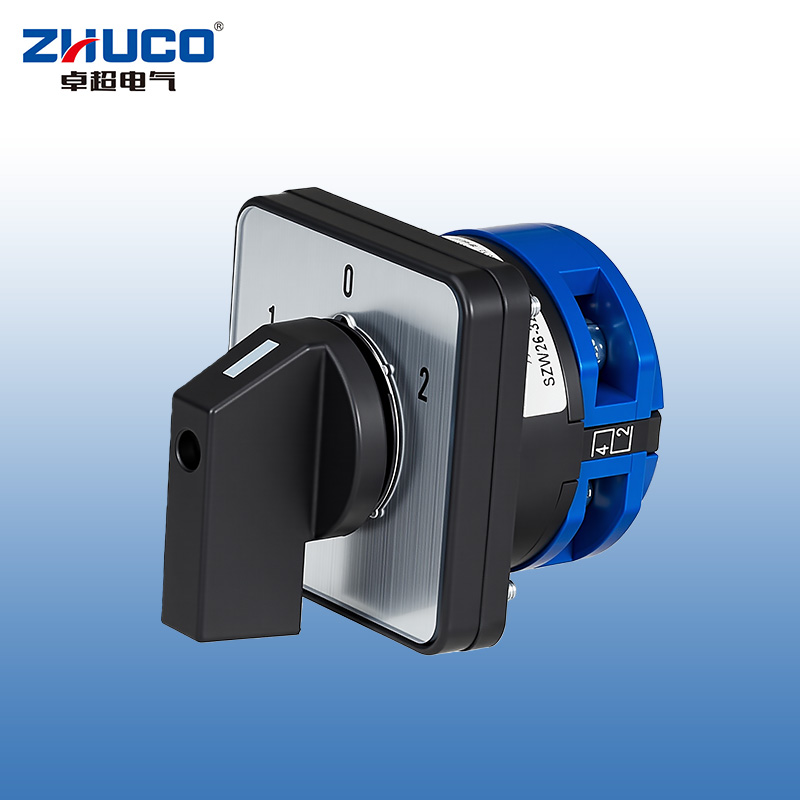
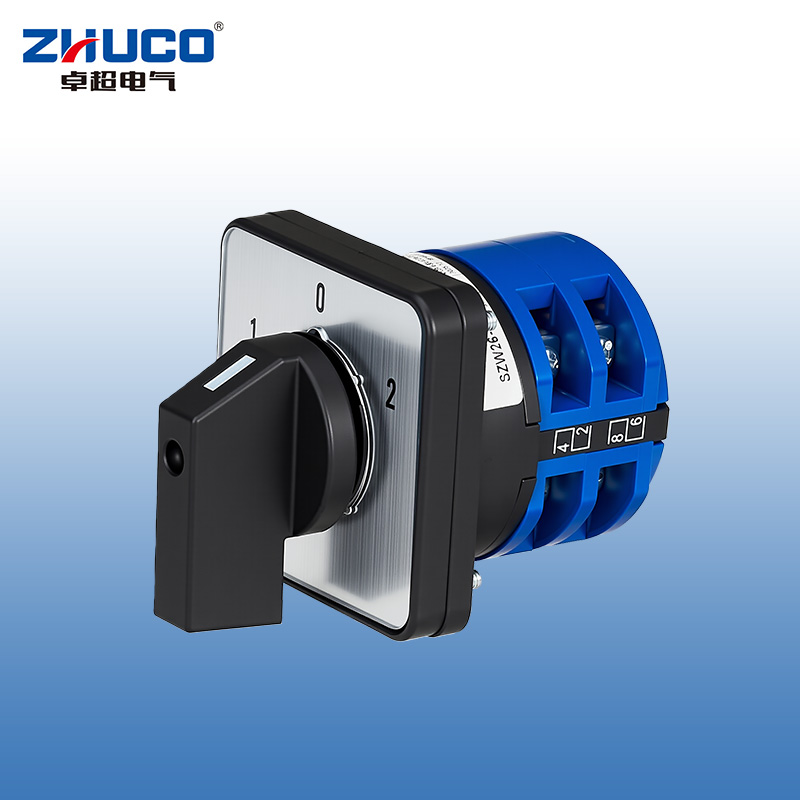
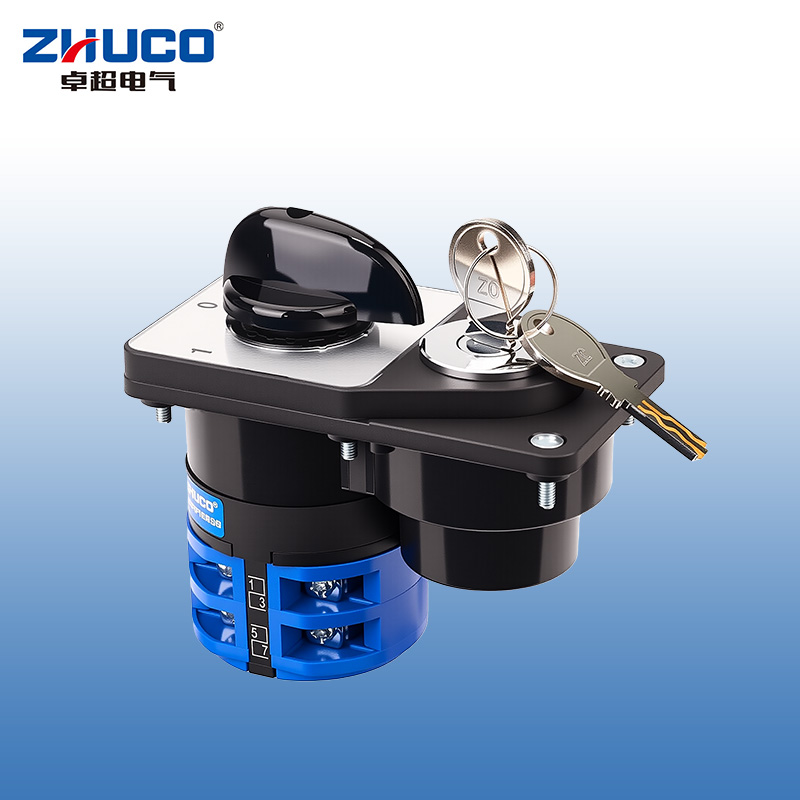
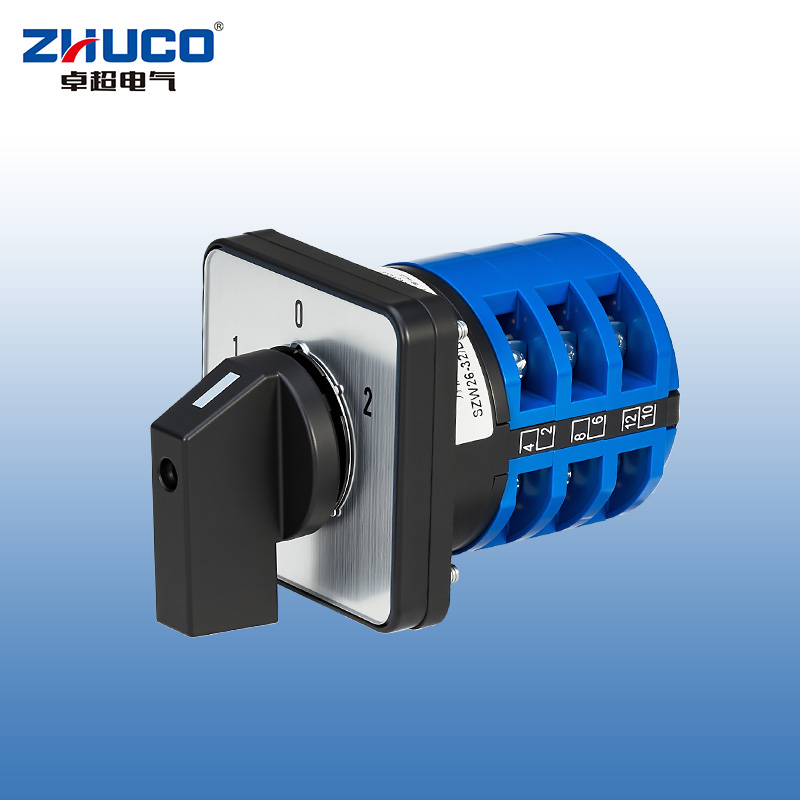
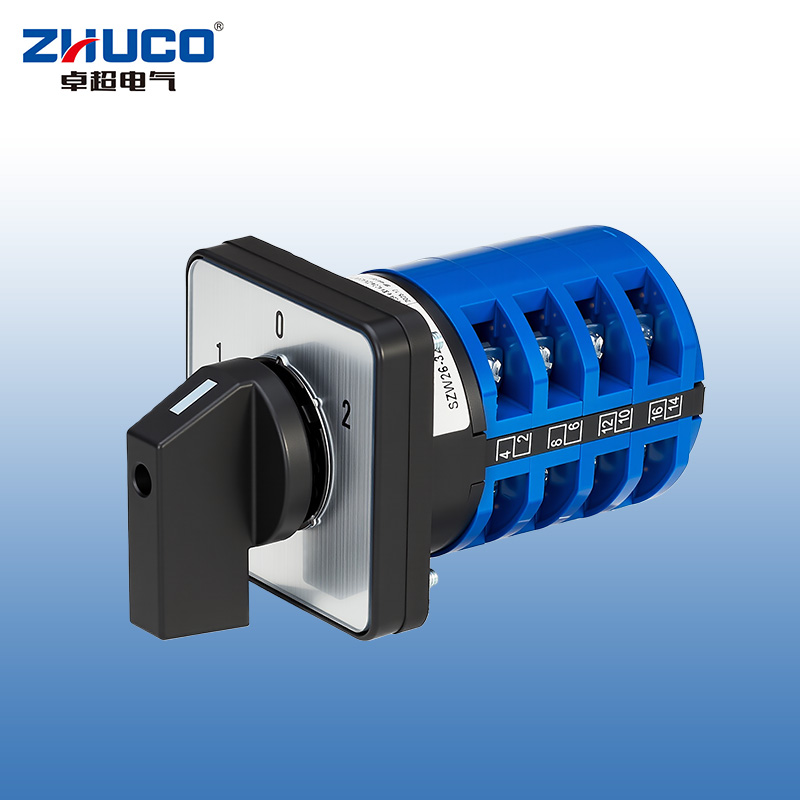
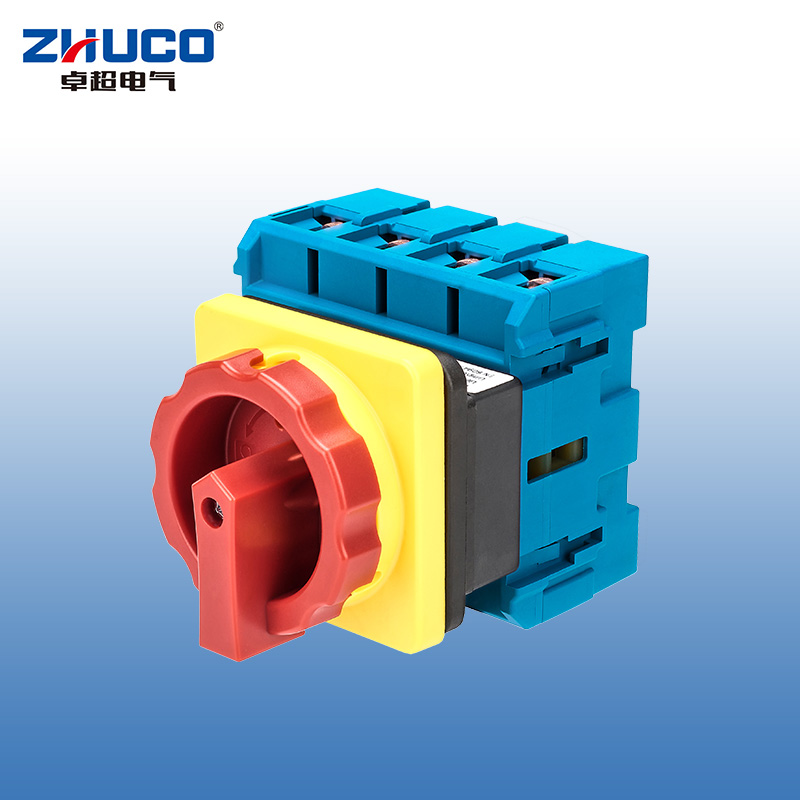
Basic Design and Function The core of a 4-pole load switch consists of four independent switching poles linked so they open or close togethe...
READ MORE
The manual multi-functional changeover switch combines multiple functions such as circuit control, motor control, dual power switching, measurement, and industrial applications. It is suitable for various scenarios including industrial, transportation, marine, and chemical industries, making it an ideal choice for low and medium voltage electrical circuit control and switching.
Features:
Circuit Control: Acts as a master control switch for switching circuit states, enabling manual or automatic operation.
Motor Control: Supports starting, stopping, forward/reverse switching, and multi-speed control of three-phase motors.
Dual Power Switching: Supports manual/automatic switching of backup power sources to ensure safe and continuous operation of equipment.
Testing and Measurement: Can be directly used for circuit measurement and equipment status switching.
Industrial Equipment Applications: Suitable for welding machines, machine tools, conveyor belts, generators, industrial automation equipment, etc.
Special Industry Applications: Auxiliary circuit switching for rail transit trains, marine power distribution cabinets, chemical reactor control systems, electric vehicle power switching, etc.
Structural Features:
Manual operation, suitable for infrequent switching of circuits.
Small size, compact structure, and flexible installation.
Widely applicable to complete sets of cabinets and industrial sites.
Environmental Suitability:
Operating Temperature: -25℃ ~ +40℃ (24h average ≤35℃)
Relative Humidity: Not exceeding 50% at the highest temperature, up to 90% at low temperatures, condensation prevention required.
Installation Altitude: ≤2000m
Application Scenarios:
Status switching and parameter selection in industrial automation production lines
Forward and reverse control and start/stop of three-phase asynchronous motors
Welding machine mode adjustment
Dual power switching and backup power management
Circuit control in special industries such as rail transit, marine power, chemical, and petroleum industries.

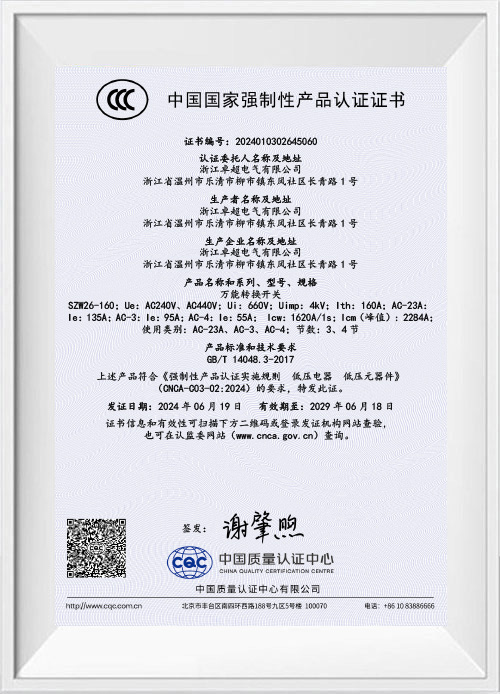
Basic Design and Function The core of a 4-pole load switch consists of four independent switching poles linked so they open or close togethe...
READ MORE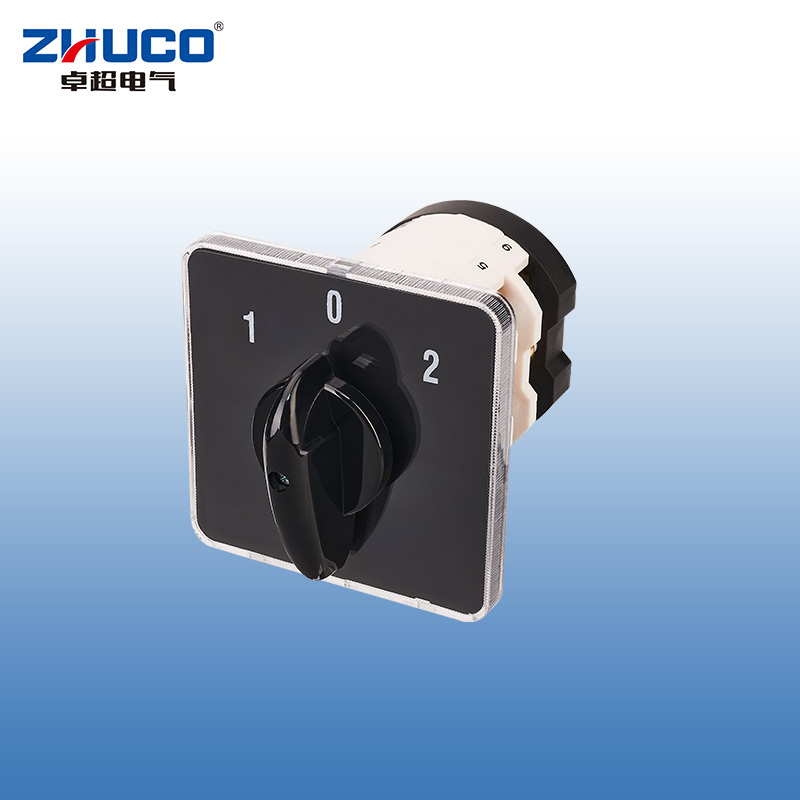
How The Switching Mechanism Works A Circuit Changeover Switch generally contains a movable contact mechanism that changes the connection bet...
READ MORE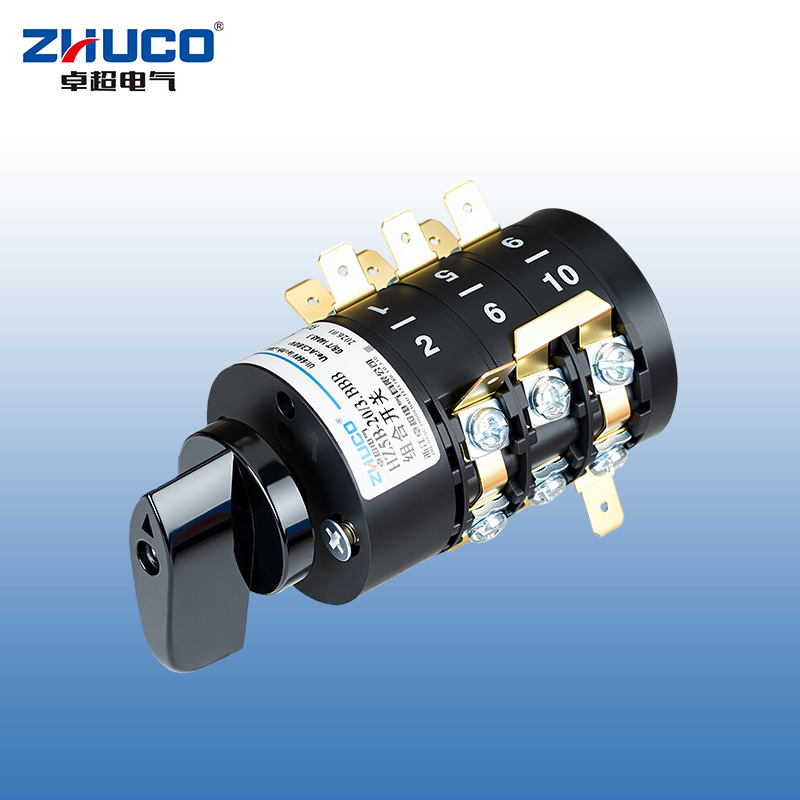
Electrical fitting suppliers have noticed a steady shift toward fixtures that do more within a single wall plate, and the combination switch...
READ MORE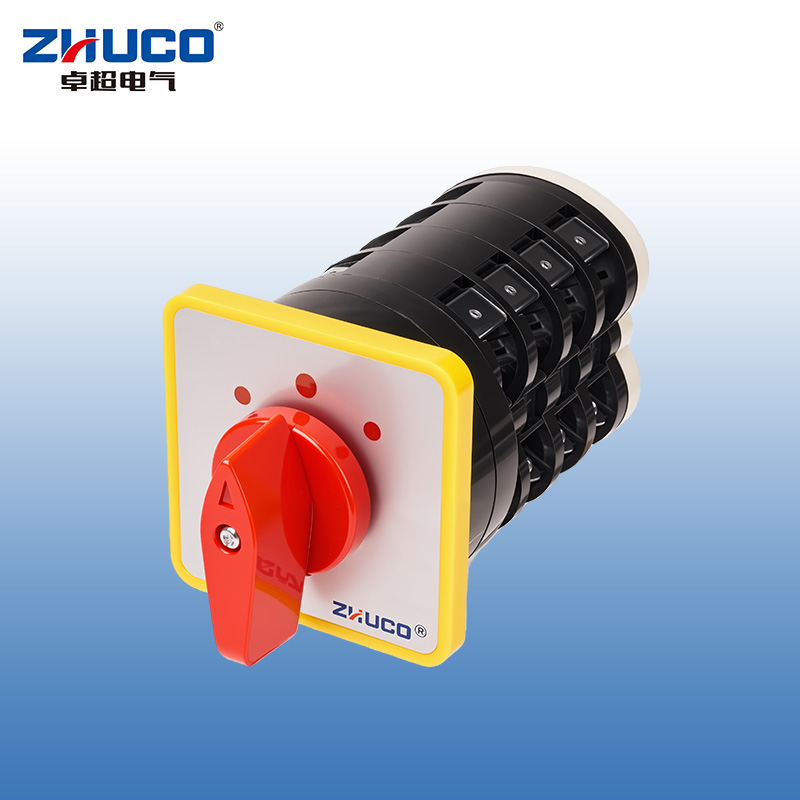
Electrical systems rely on countless small components to stay stable, and a voltage switch is one of the parts working quietly in the backgr...
READ MOREThe Multi-Function Changeover Switch is a core component widely utilized in electrical control systems, primarily serving to facilitate circuit switching, conversion, and control. Through a rotary operation mechanism, it shifts electrical circuits from one operational state to another, finding extensive application in fields such as industrial automation, building power distribution, power systems, and mechanical equipment control.
Unlike standard switches, the Multi-Function Changeover Switch features multi-position operational capabilities, allowing for the integration of multiple control functions within a single device. This significantly simplifies the design complexity of control cabinets while simultaneously enhancing system reliability and operational convenience.
The Multi-Position Changeover Switch represents one of the more representative product types within the family of multi-function changeover switches. Its core structure comprises the following key components:
The operating principle of the Multi-Position Changeover Switch is as follows: by rotating the handle to different positions, the cam mechanism actuates the moving contacts within the corresponding contact layers, causing them to make or break contact with the fixed contacts, thereby controlling the open/closed status of various circuits. Each specific position corresponds to a pre-designed combination of contact states (open or closed), ensuring the precise execution of the intended control logic.
The 5-Position Switch is a particularly versatile product category within the multi-function changeover switch family. Highly favored by engineers, it offers five distinct operational positions, enabling the implementation of more complex control logic.
Key Technical Features
Typical Application Scenarios
Classification by Application Industry
Key Selection Criteria
When selecting a suitable multi-function changeover switch, engineers should prioritize the following parameters:
With the deepening advancement of Industry 4.0 and smart manufacturing, multi-function changeover switches continue to evolve: