Changeover Switch Manufacturer

Home / Product
About Us
Zhejiang Zhuochao Electric Co., Ltd.
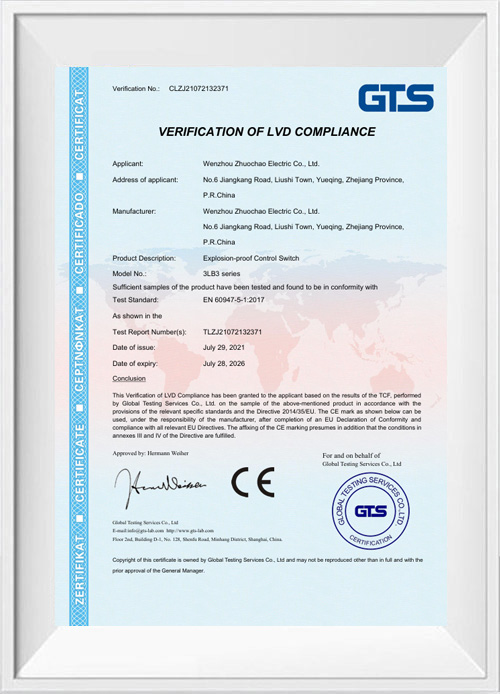
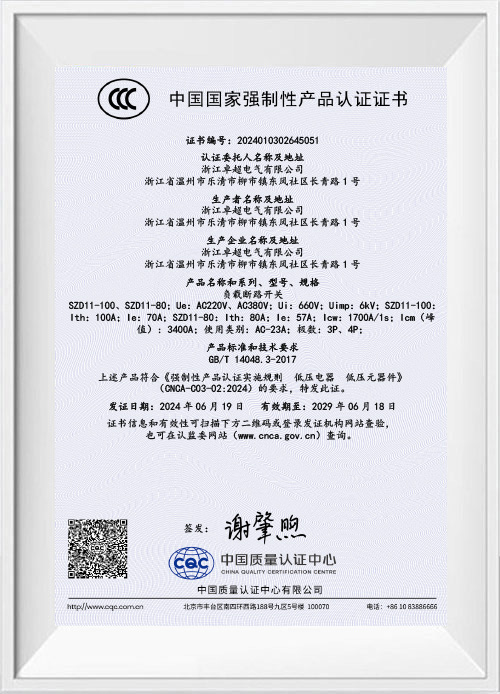
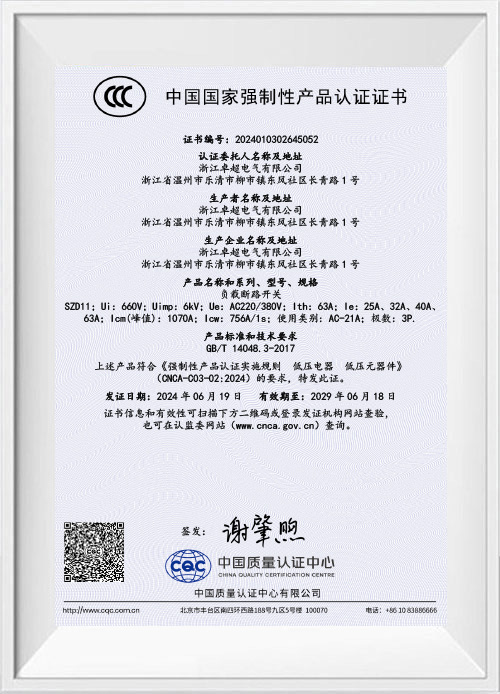
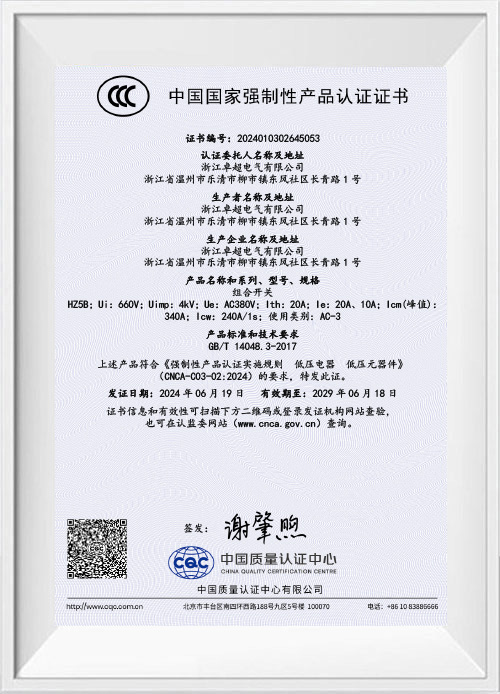
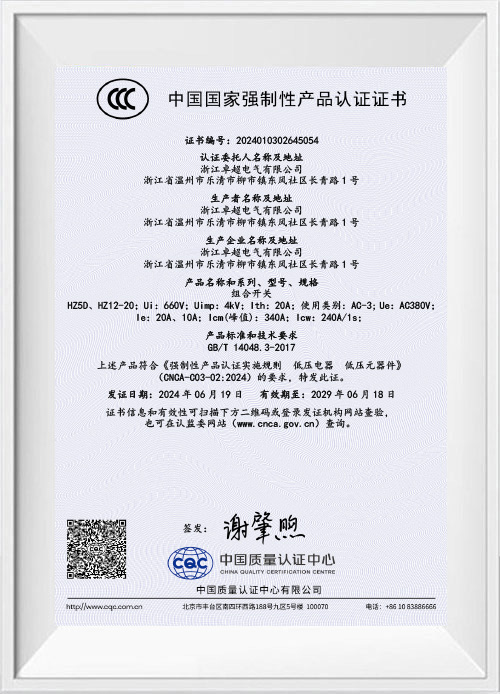
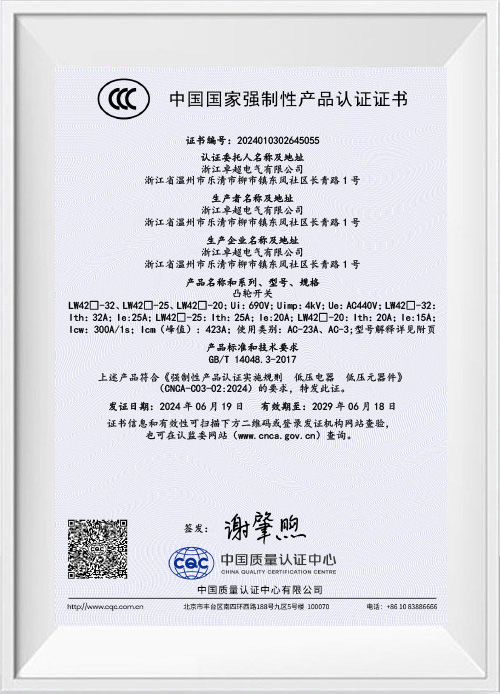
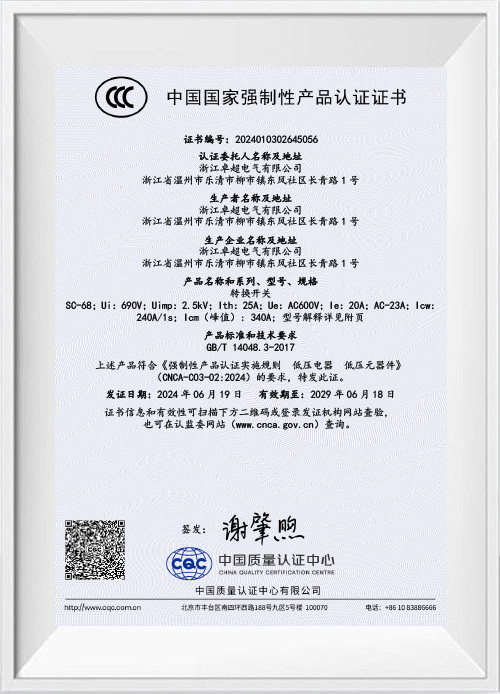
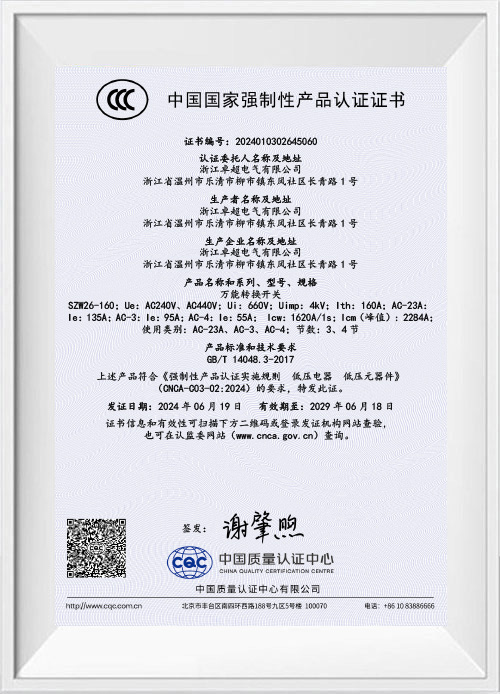
Founded in 2012, Zhejiang Zhuochao Electric Co., Ltd. has been specializing in the manufacture and sale of universal change-over switches, combination switches, power disconnect switches, load break switches and welding machine switches. In particular, the company's change-over switches feature advanced technology in the industry in the industry. Our products have obtained ISO 9001 Quality Management System Certification, National 3C Certification, TUV Certification, CE Certification and RoHS Certification, and are manufactured in strict compliance with national standards. They enjoy a strong market presence across China and are exported to numerous countries and regions in Europe, the Americas and Southeast Asia. We have also established cooperative partnerships with a number of internationally renowned brands.
Equipped with advanced production equipment and precision testing instruments, the company has introduced high-tech production processes and experienced engineers, providing support for product R&D, quality upgrading and management innovation. Thanks to the joint efforts of all employees and the strong support of domestic and overseas customers, we have accumulated rich experience in design, production and manufacturing. Currently, the company is committed to further expanding its overseas market share, and developing domestic market channels and customers. It also try to innovate marketing strategies, and build a sound market order to fully safeguard the interests of agents and customers. We unswervingly adhere to a clear market positioning, focus on two core points—technology innovation & reliable quality and marketing channel enhancement, and regard quality product, standardized market pricing and comprehensive after-sales service as three three fundamental commitments, so as to create a win-win development situation for both manufacturers and distributors.
Facing a promising future, the company will uphold the tenet of providing better products and services to satisfy customers. Relying on advanced modern enterprise management, we will deepen internal reforms, fully implement the quality assurance system, and carry forward the spirit of "Pragmatism, Integrity, Innovation and Progress". Looking ahead, we will continuously adjust the industrial structure, expand capital strength, implement the brand strategy, and march towards the global market!
Certificate Of Honor
  • 1
  • 2
  • 1
  • 2
  • 3
  • 4
  • 5
  • 6
Message Feedback
News
Industry knowledge

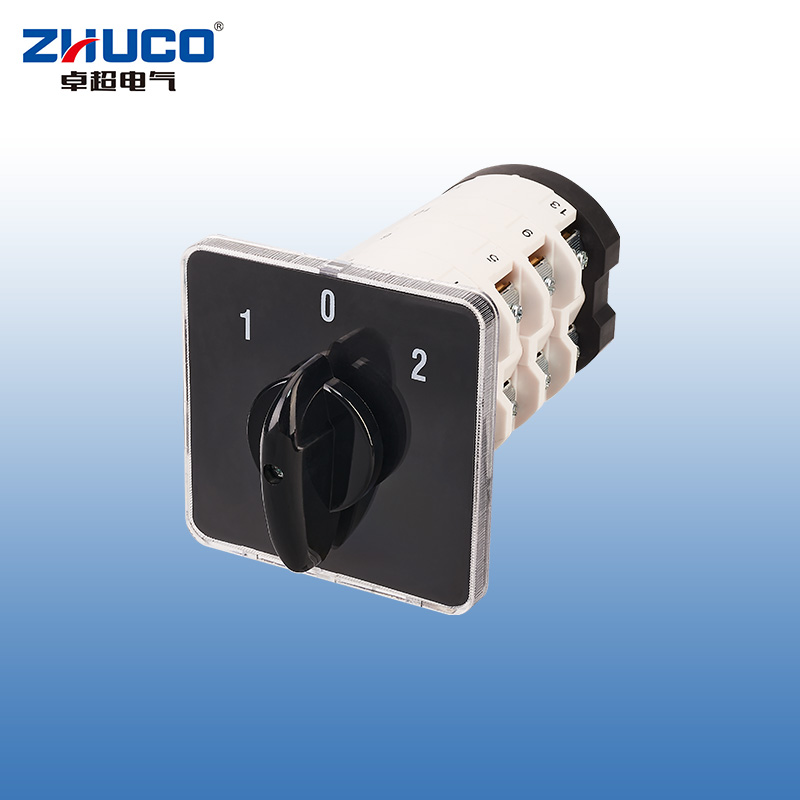
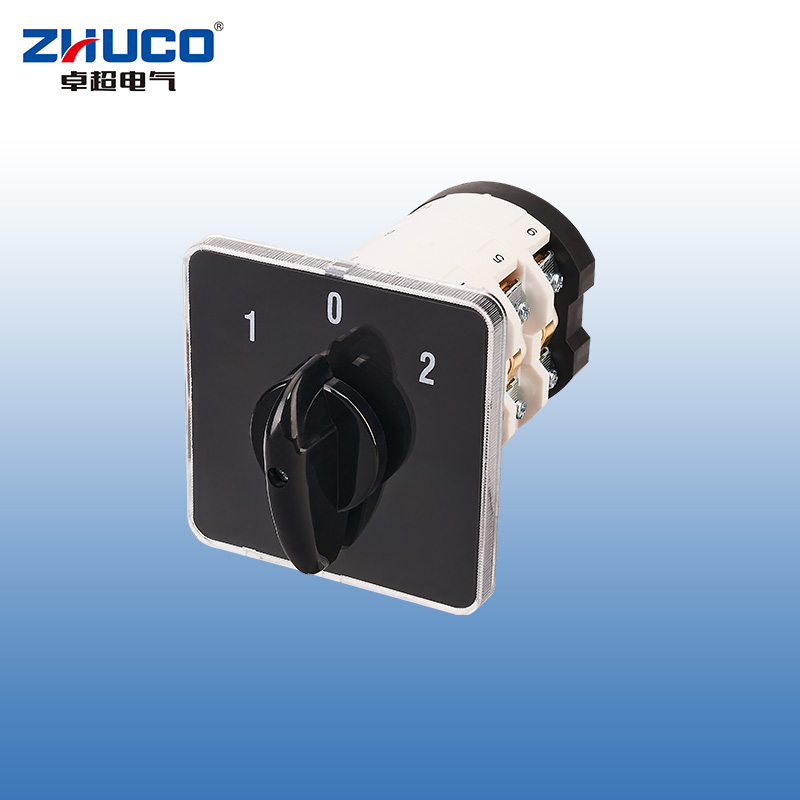
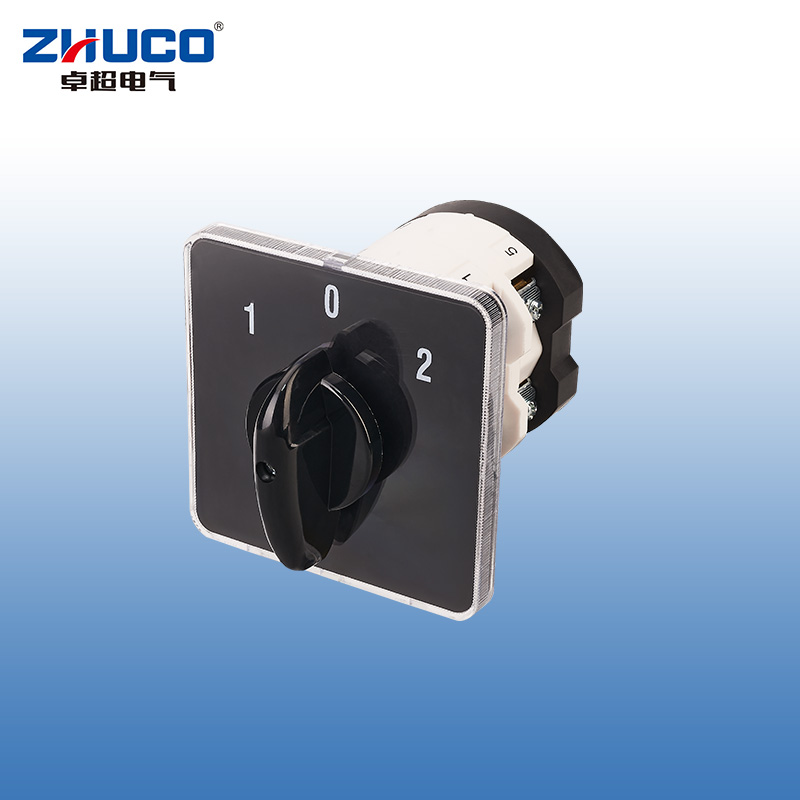
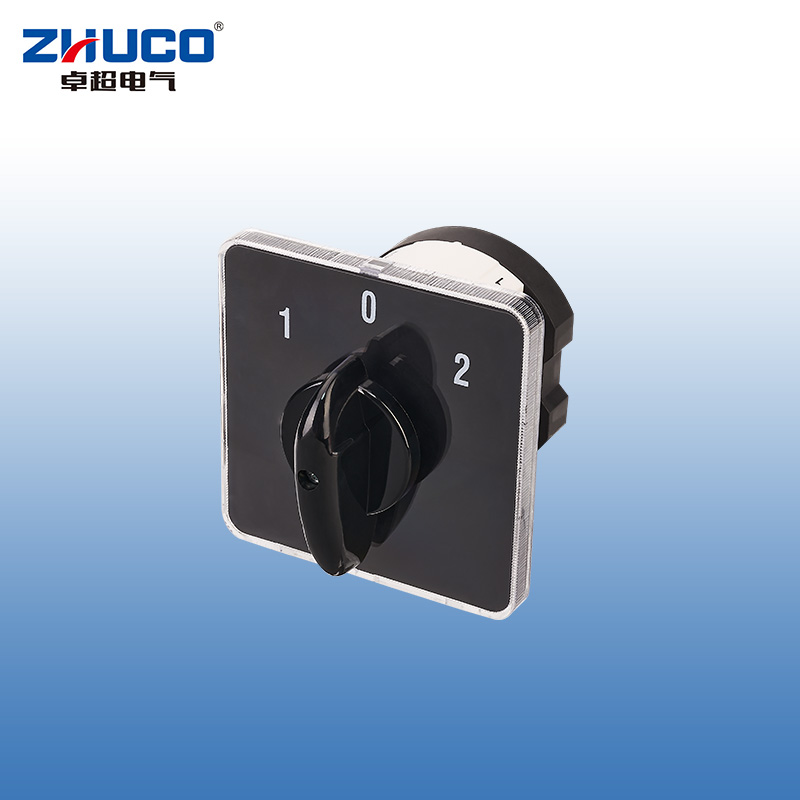
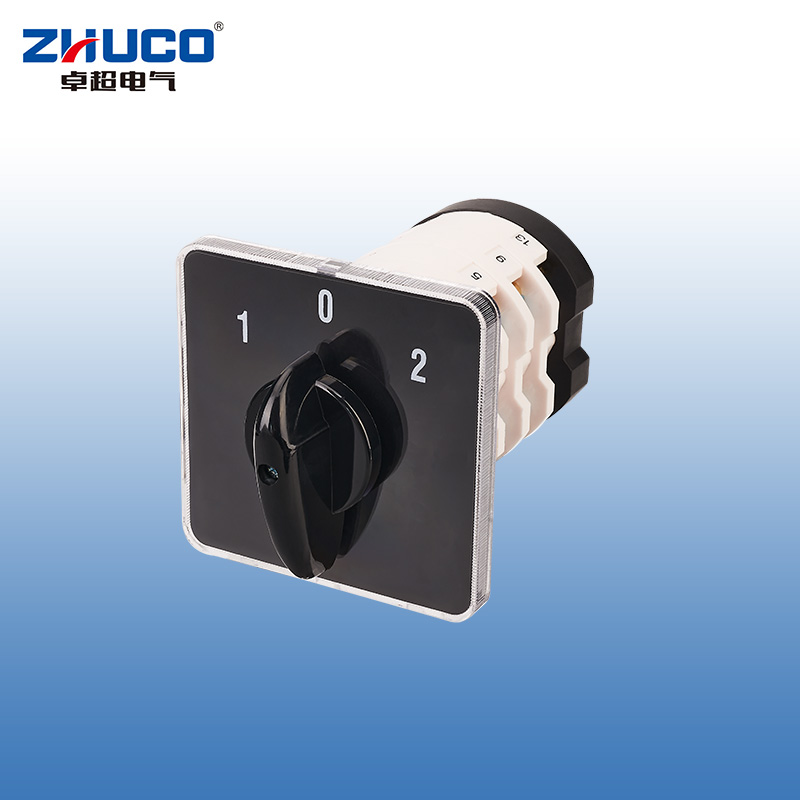
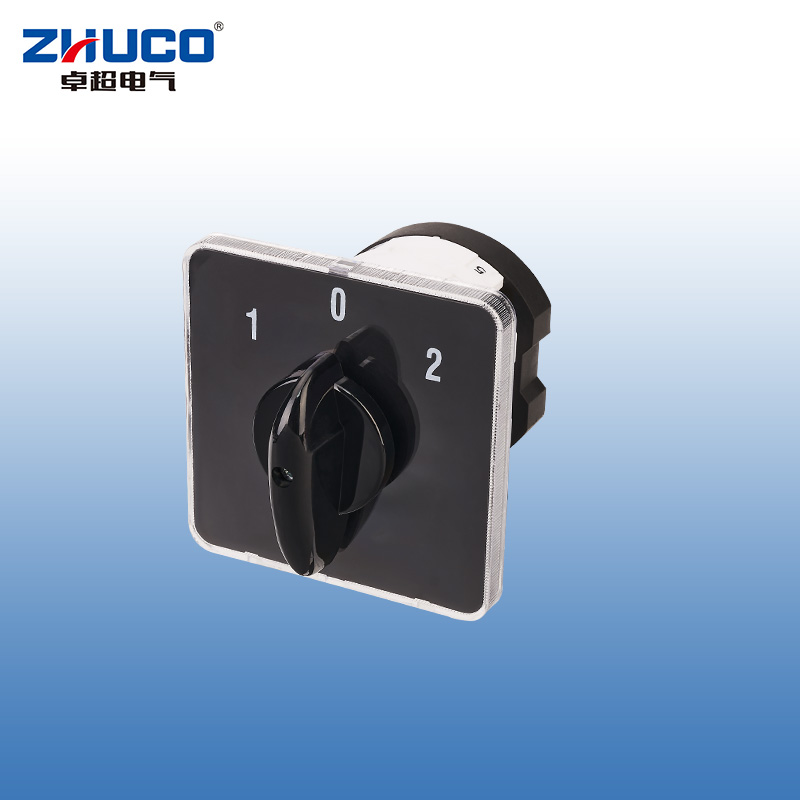
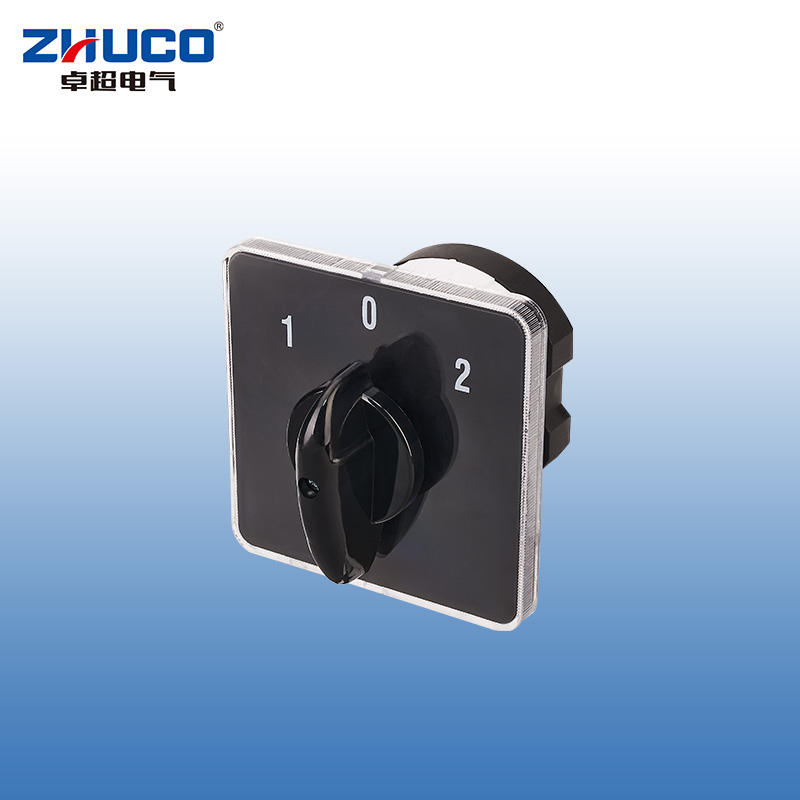
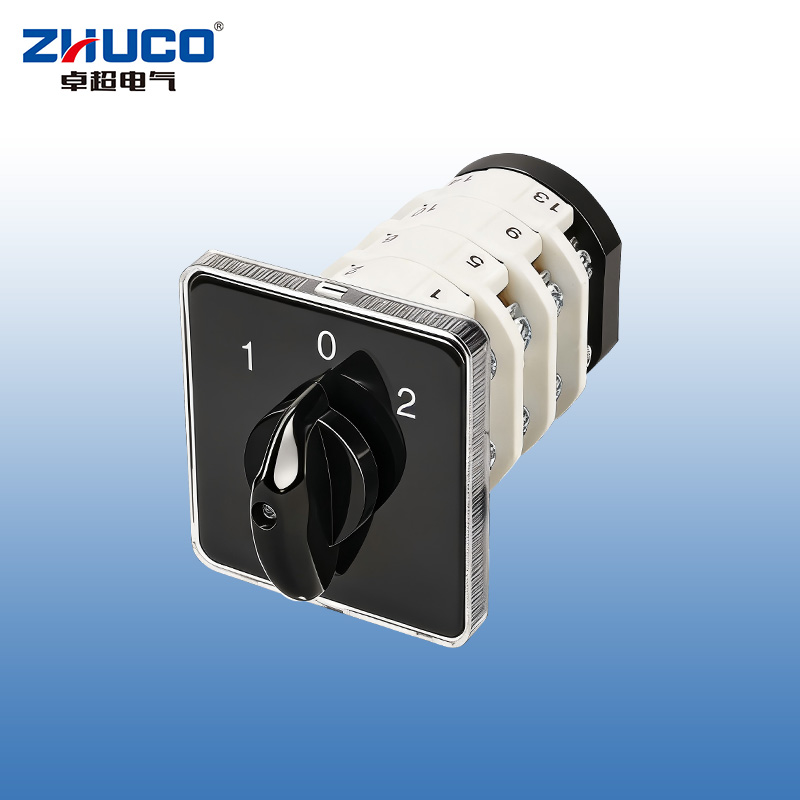
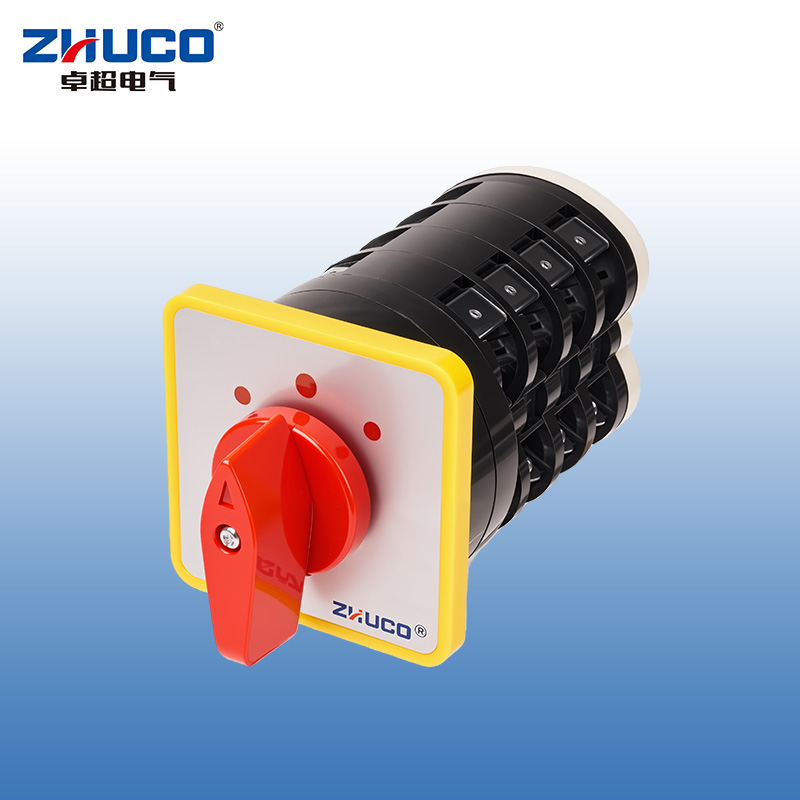
A rotary changeover switch is a multi-position electrical component that utilizes a rotating handle to actuate an internal cam mechanism, thereby opening and closing various combinations of electrical contacts. Compared to traditional toggle or slide switches, rotary cam switches offer greater configuration flexibility and are widely employed in industrial control panels, motor drive systems, and mode selection applications.

Key characteristics of rotary changeover switches include: purely mechanical actuation, requiring no coils or automated control systems; multi-position capability (typically ranging from 2 to 12 positions), with each detent position providing distinct tactile feedback; a compact structure that allows for the integration of multiple independent switch poles within a single housing; and a mechanical lifespan typically exceeding 500,000 to 1,000,000 switching cycles.

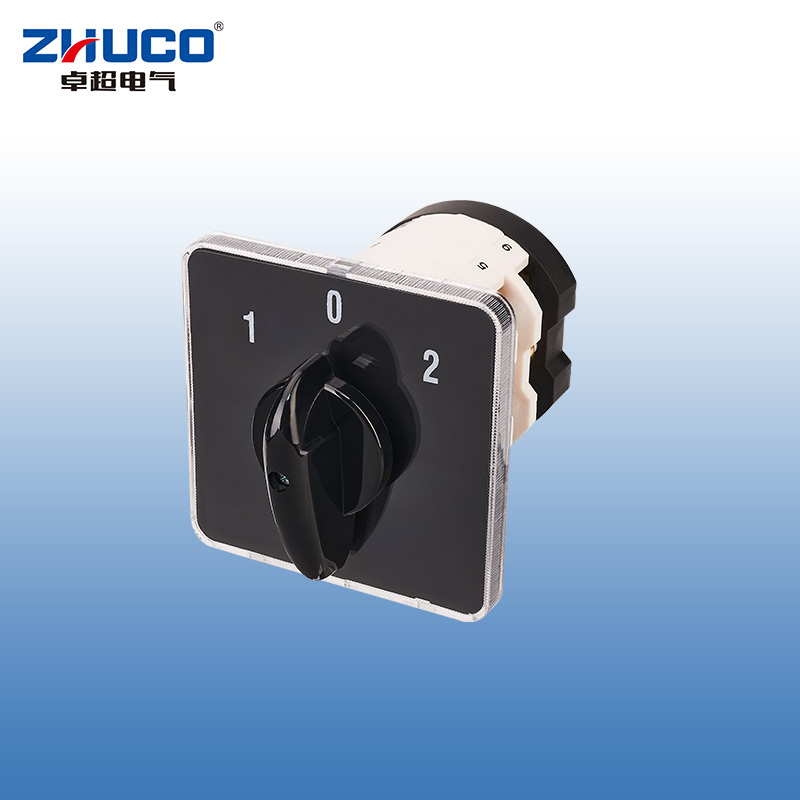
2-Position Changeover Switch: Simple Switching, Clear and Direct

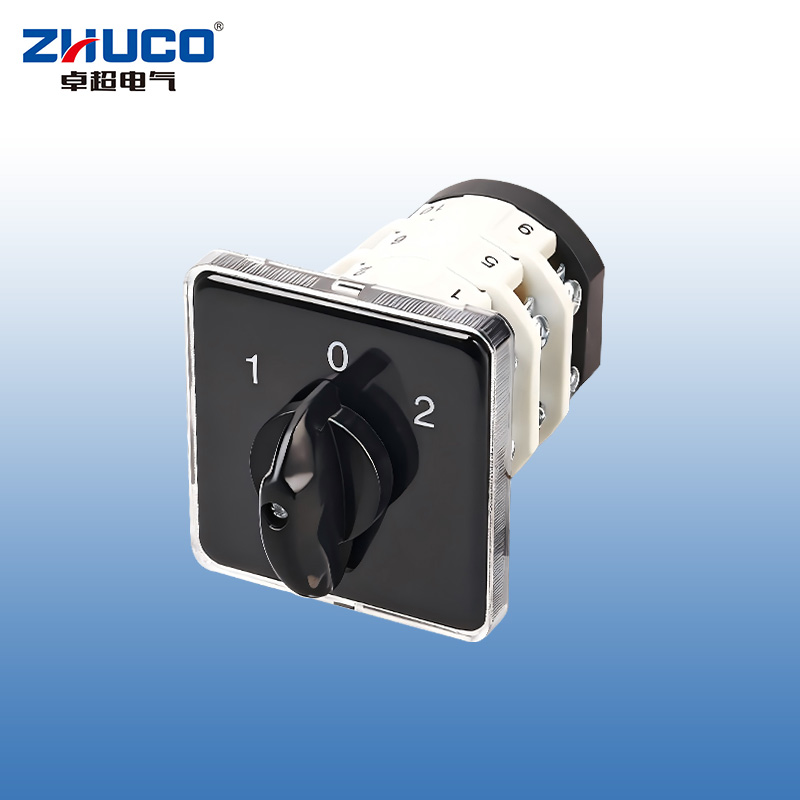
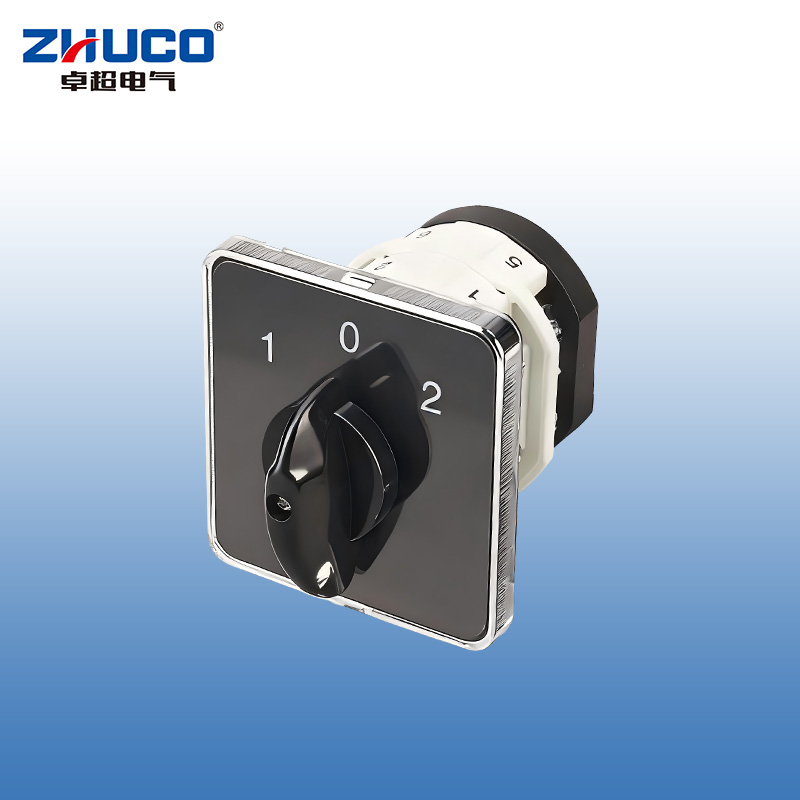
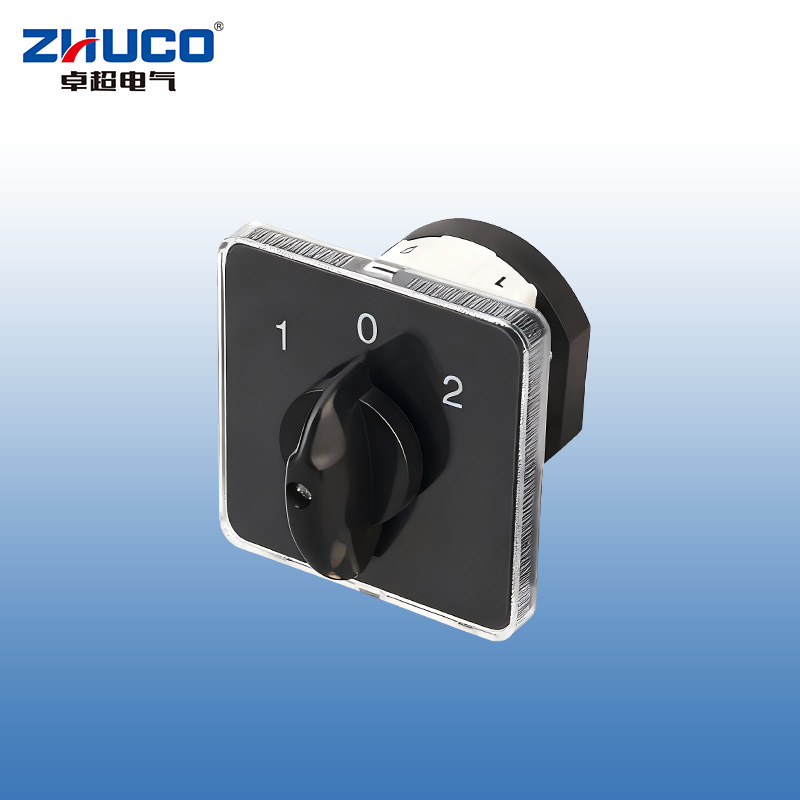
The 2-position changeover switch is the more fundamental type of rotary switch; its rotating handle features only two locked positions, designed for direct switching between two distinct electrical circuits.

Typical Application Scenarios:

  • Main/Backup Power Switching: In power distribution systems, 2-position changeover switches are used to transfer a building's electrical load between the utility grid and a backup generator, thereby ensuring operational continuity. (Fiicco Electrical)
  • Manual/Automatic Mode Switching: On automated production lines, operators can use a 2-position switch to quickly toggle control authority between local manual operation and remote automated control.
  • Dual-Feeder Selection: Within substations or power distribution cabinets, these switches are used to perform transfer operations between two incoming power lines.

Selection Considerations:

The switching angle (detent angle) is typically 45° or 90°; the choice should be based on available panel space and operational preferences. Rated operating currents range from 10A to 160A; it is advisable to select a rating with a sufficient safety margin relative to the actual electrical load.


4-Position Switch: Multi-Mode Management, Centralized Control

The 4-position switch expands upon the basic 2-position design by adding two additional positions, enabling a single rotary knob to accommodate and manage more complex control logic.

Typical Application Scenarios:

  • Voltmeter Phase Sequence Measurement: A 4-position cam switch allows a single voltmeter to be sequentially connected to each phase, enabling individual monitoring of all three phases. Common position settings include 0 (Off/Disconnected), 1 (L1-N), 2 (L2-N), and 3 (L3-N); this application is widely used in motor control panels and power distribution board monitoring.
  • Pump Station Control: Configured with four positions—"Stop," "Manual," "Auto," and "Test"—to cover all typical operating states of a pump group.
  • Multi-Speed ​​Fan Control: Utilizes four positions to select between Off, Low Speed, Medium Speed, and High Speed, thereby simplifying panel wiring.

Selection Considerations:

It is essential to verify the contact closure logic (switching program table) corresponding to each position. Always cross-reference the on/off relationships for each position against the wiring diagrams provided by the manufacturer to prevent wiring errors.


Forward/Reverse Switch: Motor commutation and precise control of phase sequence.

The Forward/Reverse Switch is a specialized functional switch in high demand within industrial motor control applications. It typically features a 3-position configuration (Forward—Stop—Reverse) and achieves motor direction switching by altering the phase sequence connections of the three-phase power supply.

Working Principle:

A forward/reverse cam switch is an electromechanical device that controls the direction of rotation by swapping the motor's phase connections. In the "Forward" position, the phase sequence is connected as L1-U, L2-V, and L3-W; when switched to the "Reverse" position, phases L1 and L3 are swapped, thereby reversing the motor's direction.

Typical Application Scenarios:

Forward/reverse switches are widely used for directional reversal control in conveyors, mixers, cranes, and packaging equipment. They are also employed in pump stations to toggle between forward pumping (discharge) and reverse flushing modes, and can provide manual local control or emergency override capabilities within automated production lines.

Selection Considerations:

Forward/reverse switches typically require a 3-pole design (one pole per phase) to ensure synchronized switching across all three phases. When selecting a switch, match the specifications to the motor load based on AC-3 operating conditions; it is recommended to include a safety margin of 1.5 to 2 times the rated current capacity. A "Stop" (OFF) position must be included between the Forward and Reverse positions to prevent short circuits caused by direct switching between opposing directions.


6-Position Switch: Precise Control of Multiple Circuits

The 6-Position Switch offers six independent rotary stop positions, making it suitable for applications requiring precise management of multiple operating states or multi-channel outputs.

Typical Application Scenarios:

  • Three-Phase Current/Voltage Scanning: In instrumentation switching circuits, the 6-position switch allows a single meter to be sequentially connected to six measurement points, enabling the cyclical monitoring of multi-circuit parameters and reducing the total number of required instruments.
  • Multi-Speed ​​Motor Control: When paired with pole-changing motors, the six positions allow for the precise control of various speed combinations—ideal for applications such as textile machinery, industrial fans, and machine tools where high speed accuracy is critical.
  • Multi-Functional Test Benches: In electrical testing equipment, the 6-position switch is used to select different test modes or load circuits, thereby enhancing testing efficiency.

Selection Considerations:

As the number of positions increases, the complexity of the internal cam contact sequencing also rises. It is highly recommended to prioritize products that come with comprehensive wiring diagrams and position sequencing tables to facilitate accurate wiring by field technicians. Additionally, the panel cutout dimensions and the handle's range of travel should be verified in advance.


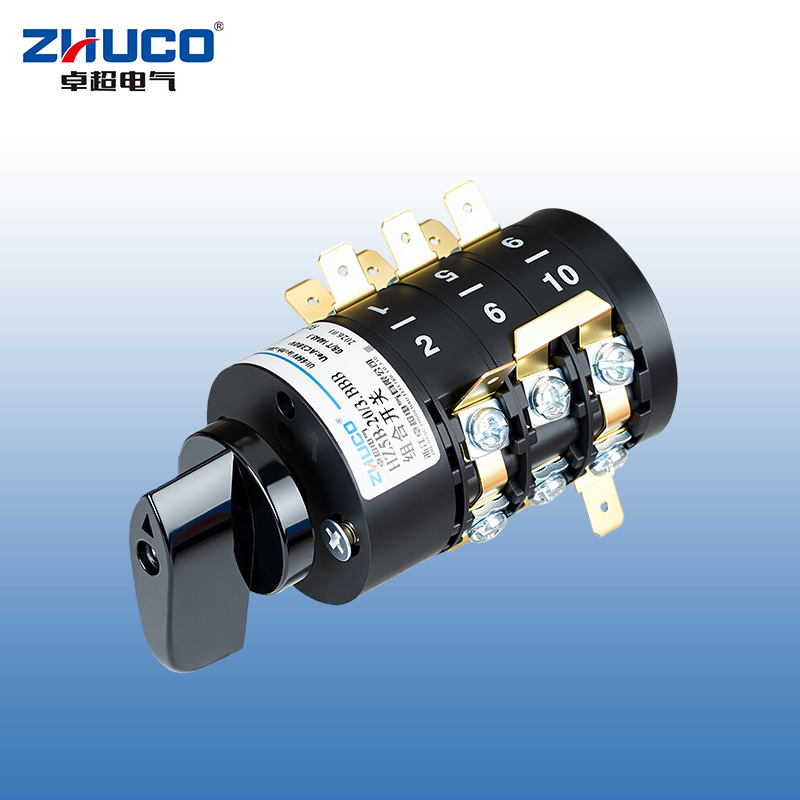
10-Position Switch: High Position Density for Complex Systems

The 10-Position Switch represents a high-density configuration within the rotary switch family; a single knob enables precise control over up to 10 independent circuit states. This consolidates functions that would otherwise require multiple separate switches or complex relay logic into a single, unified operational interface.

Typical Application Scenarios:

  • Multi-Channel Signal Selection: In instrumentation and measurement & control systems, the 10-position switch is used to toggle between different sensor input channels or measurement ranges, making it ideal for signal-intensive monitoring environments.
  • Step-by-Step Process Control: In process industries—such as chemical manufacturing and food processing—the 10 positions correspond to 10 distinct process steps, allowing operators to manually advance through the production sequence simply by rotating a single handle.
  • Multi-Channel Load Rotation Management: In independent power supply systems with limited capacity (e.g., marine electrical systems or mobile power stations), the 10-position switch allows for the sequential connection or disconnection of various loads based on priority, thereby facilitating orderly and efficient power management.

Key Selection Points:

10-position switches feature a dense distribution of rotational angles; the rotational angle per step is typically small (e.g., 30° or 36°), thereby requiring high precision in handle positioning. Such switches must comply with the IEC 60947 standard, which explicitly stipulates requirements regarding the operational performance, electrical ratings, safety measures, and structural characteristics of low-voltage switchgear. When selecting a product, it is essential to verify its certification documentation.


General Selection Considerations

Before finalizing the specific model of a rotary switch, it is recommended to conduct a comprehensive evaluation based on the following dimensions:

  • Electrical Parameter Matching: Verify that the operating voltage (AC/DC) and rated current are sufficient to accommodate the actual load requirements. For motor-type loads, selection should be based on the AC-3 utilization category; for resistive loads, the AC-1 category should be applied.
  • Protection Class Requirements: For indoor, clean environments, an IP20 protection rating is generally sufficient. For outdoor environments or areas subject to wash-down procedures, an IP65 or IP67 rating is required; additionally, ensure that the sealing gasket is properly compressed during panel mounting and that any unused cable entry ports are effectively sealed.
  • Mechanical Life Verification: For industrial applications, it is recommended to select products with a mechanical life of no less than 500,000 cycles; for high-frequency switching applications, even higher durability requirements should be specified.
  • Wiring Diagram and Switching Sequence Verification: Upon receipt of the product—and prior to installation—it is imperative to verify the contact switching status against the provided switching sequence chart. Use a multimeter to measure the continuity at each switch position individually, and only proceed with power-on commissioning once you have confirmed that the contact states align with the intended design specifications.

Rotary changeover switches encompass a wide variety of types, ranging from simple 2-position toggles to complex 10-position multi-circuit control units; each specific configuration is tailored to suit particular engineering scenarios.