


 English
 русский
 Español
 Deutsch
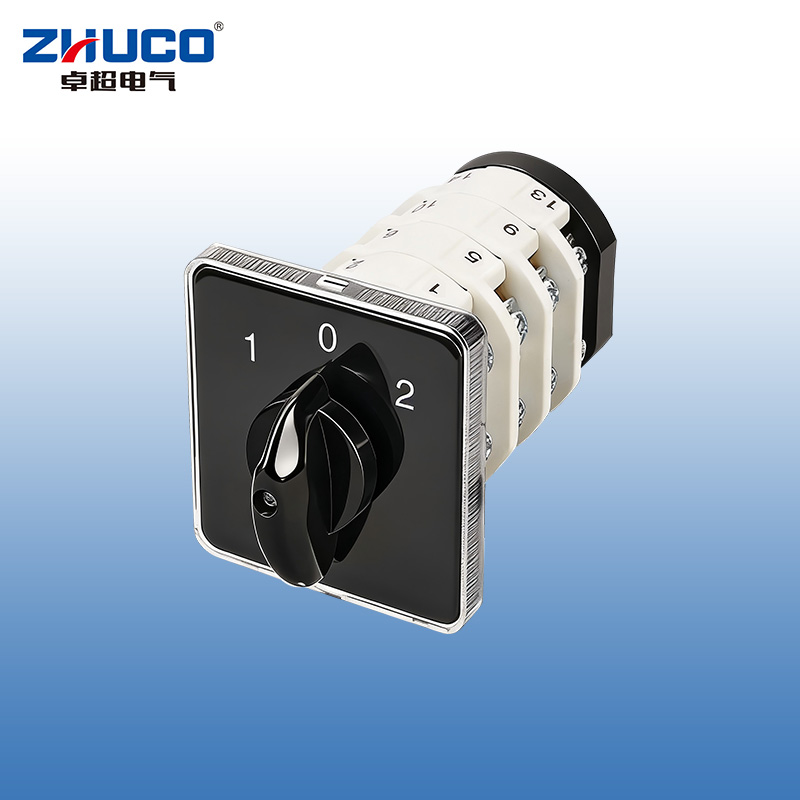
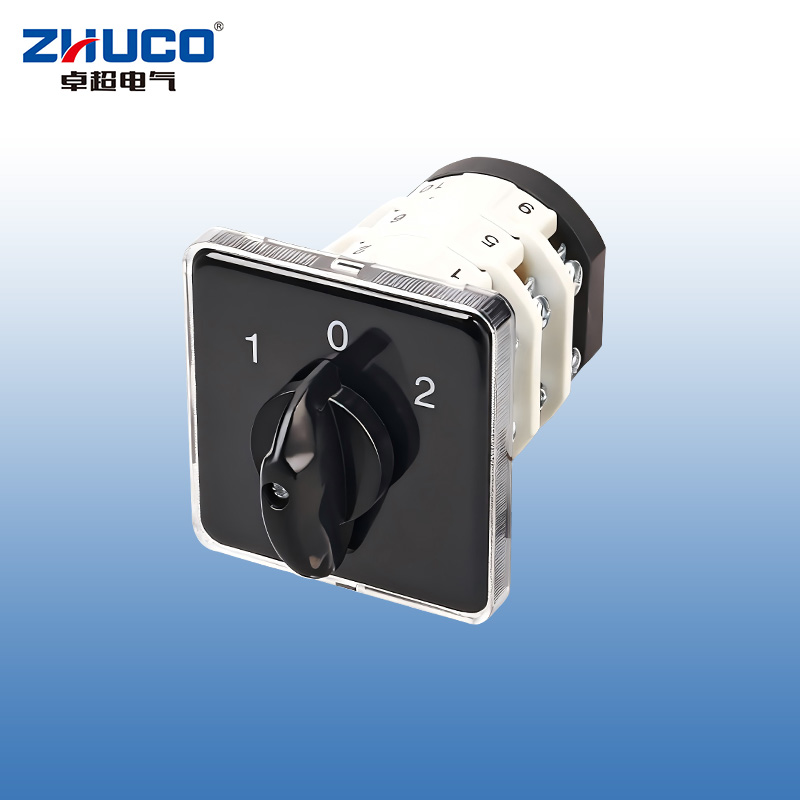
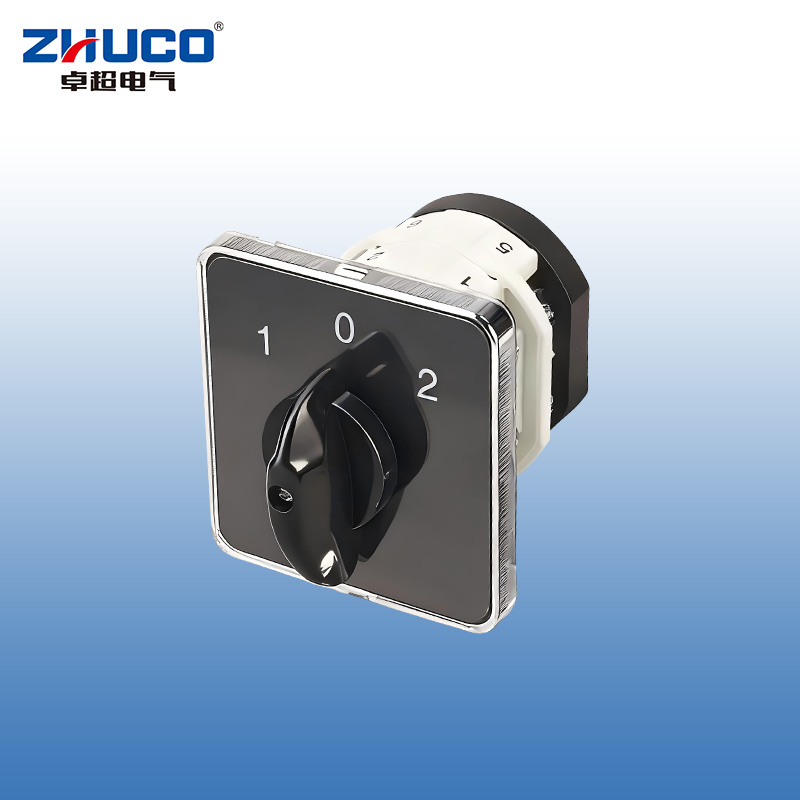
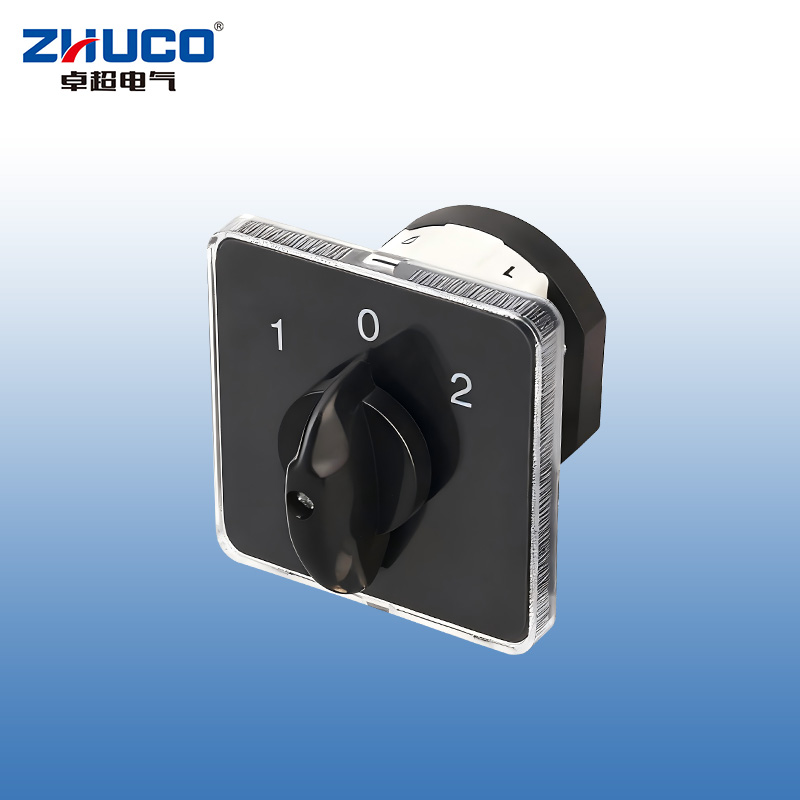
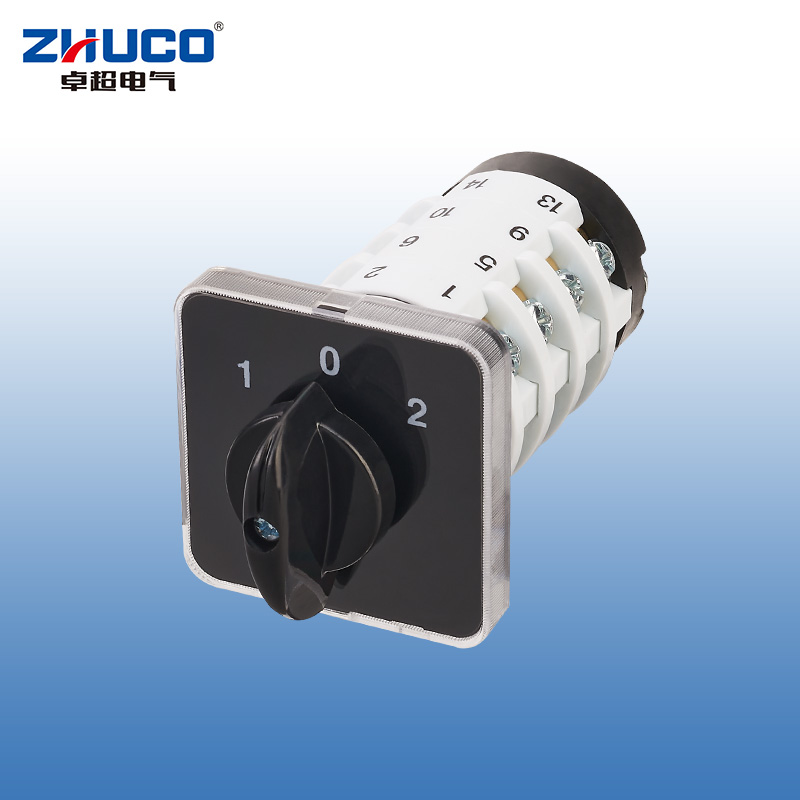

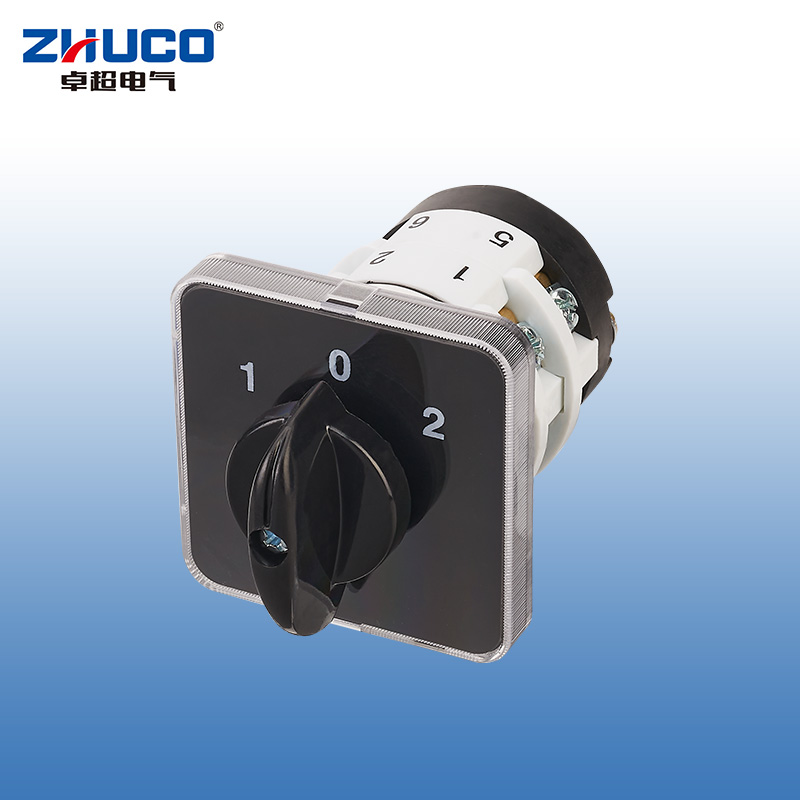
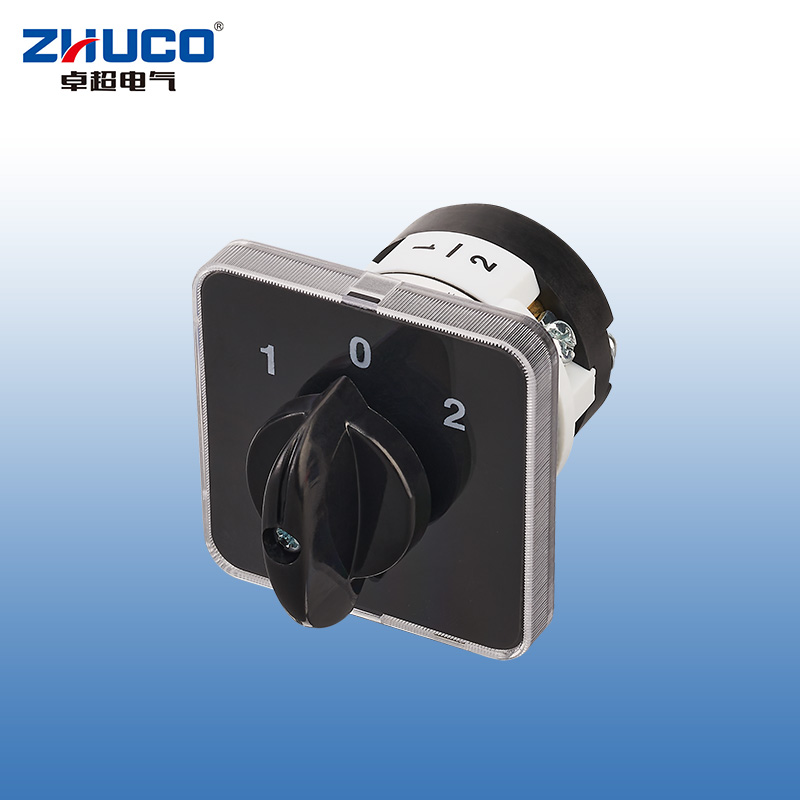
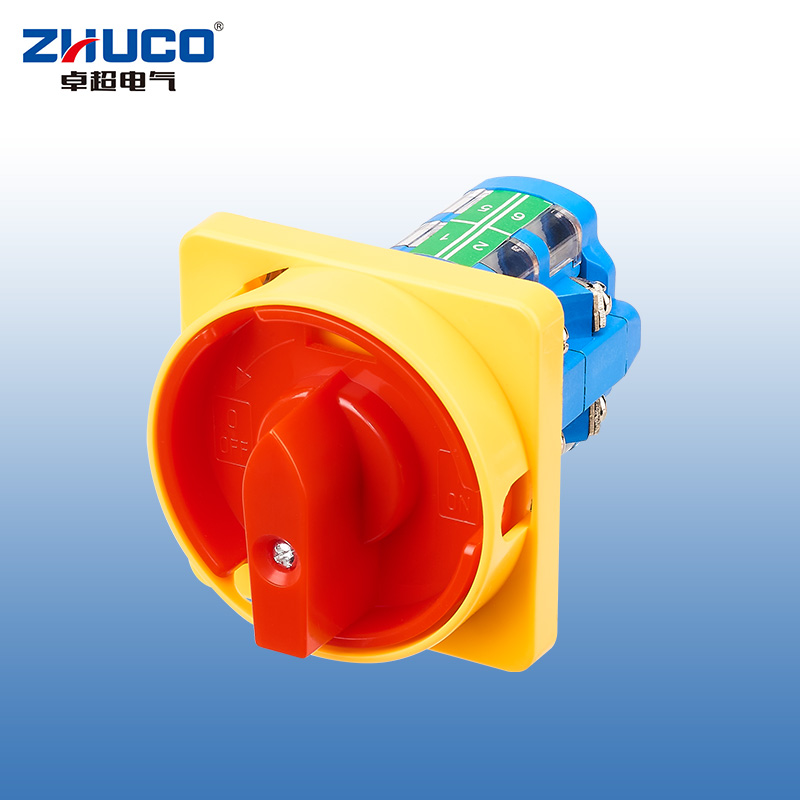
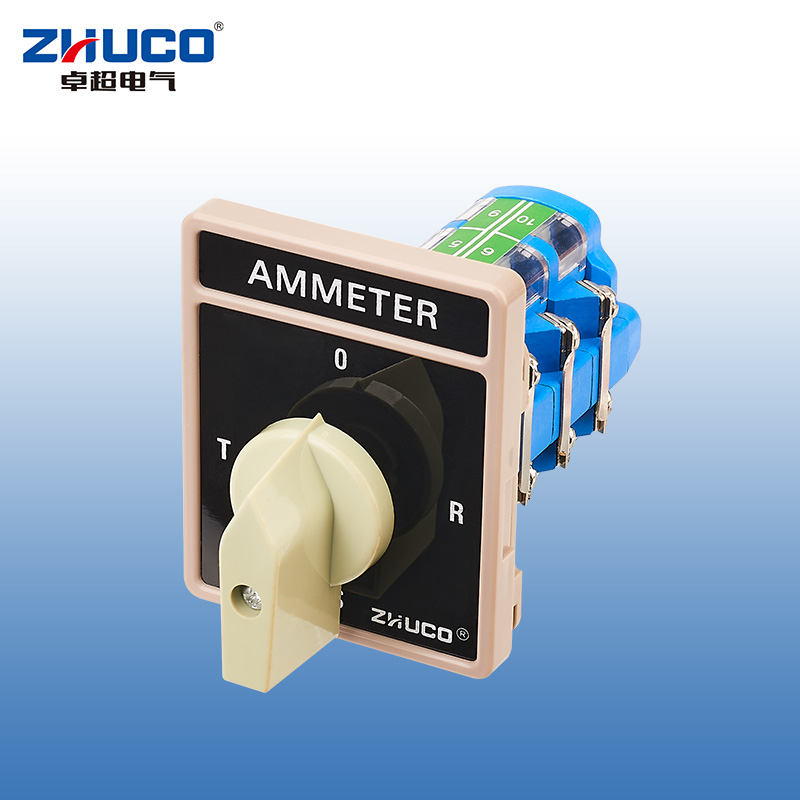
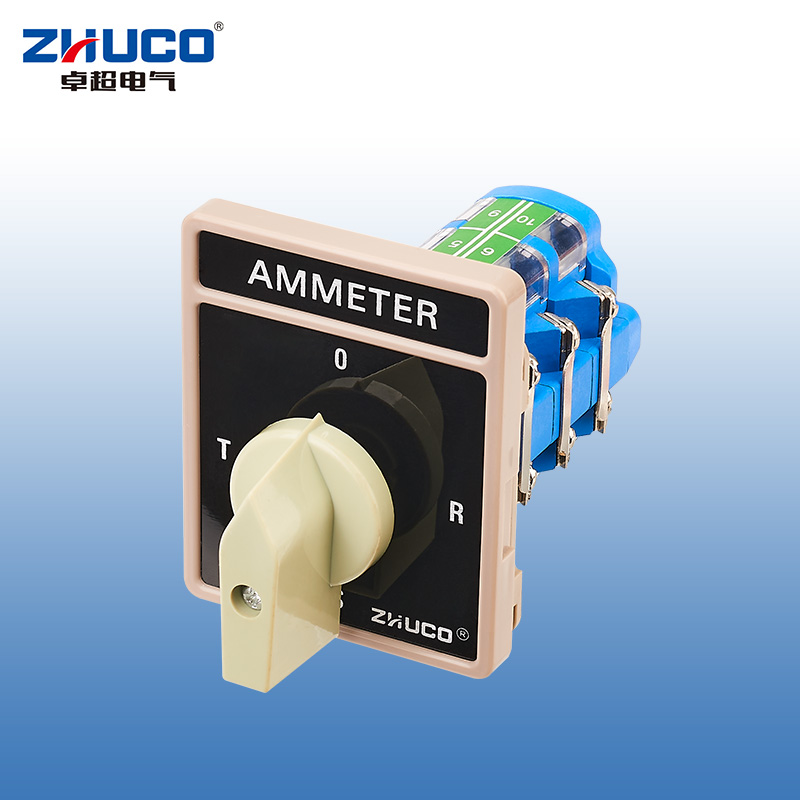
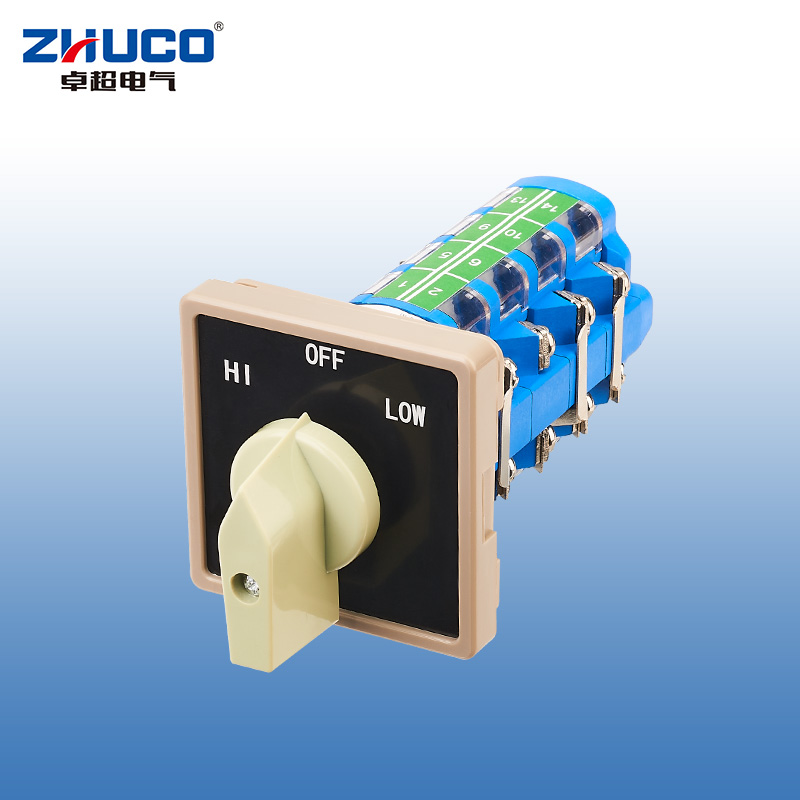
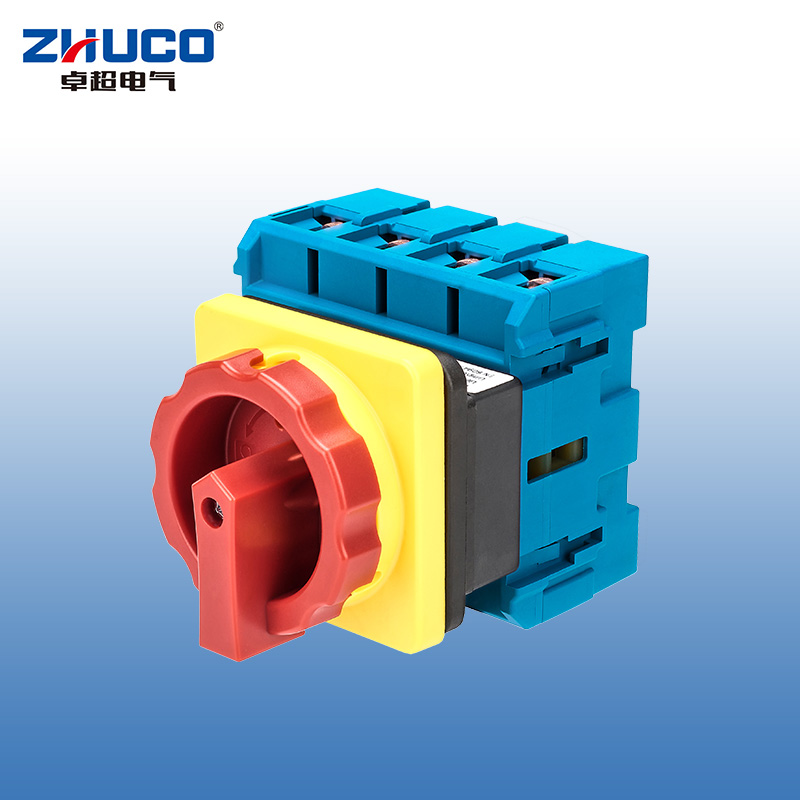
Basic Design and Function The core of a 4-pole load switch consists of four independent switching poles linked so they open or close togethe...
READ MORE
A universal changeover switch is a multi-position, multi-circuit manual control electrical device primarily used for circuit switching, distribution, and control. It is a key basic component in electrical control systems. By rotating the operating handle, the internal contacts are connected and disconnected according to a predetermined logic, enabling various functions such as power switching, signal switching, gear selection, and forward/reverse control. Compared to ordinary switches, universal changeover switches feature a rich combination of contacts, multiple positions, centralized control functions, and intuitive and reliable operation. They are widely used in power systems, machine tool electrical systems, complete sets of distribution cabinets, automation equipment, marine electrical systems, and industrial electrical equipment.
Product Advantages: Utilizing high-quality copper contacts and silver alloy contact points, and environmentally friendly flame-retardant materials, the switches offer advantages such as low contact resistance, strong arc resistance, and long mechanical and electrical life. The compact structural design and diverse installation methods (panel mounting, bolt mounting, base mounting, etc.) allow for flexible configuration according to different application scenarios. All products comply with national and international standards, ensuring higher safety and reliability. We also offer a wide range of contact combinations and handle styles, supporting customized development to meet customers' individual needs in terms of current rating, number of poles, positions, and protection class.
In terms of production and service, the company has modern production workshops and professional testing equipment. From raw material procurement and component processing to finished product assembly and factory inspection, a strict quality control system is implemented to ensure that every switch is stable and reliable. We have established a comprehensive pre-sales technical support and after-sales service system, providing selection guidance, solution design, installation and commissioning advice, and rapid after-sales response to help customers reduce application risks and improve overall equipment operating efficiency.

Basic Design and Function The core of a 4-pole load switch consists of four independent switching poles linked so they open or close togethe...
READ MORE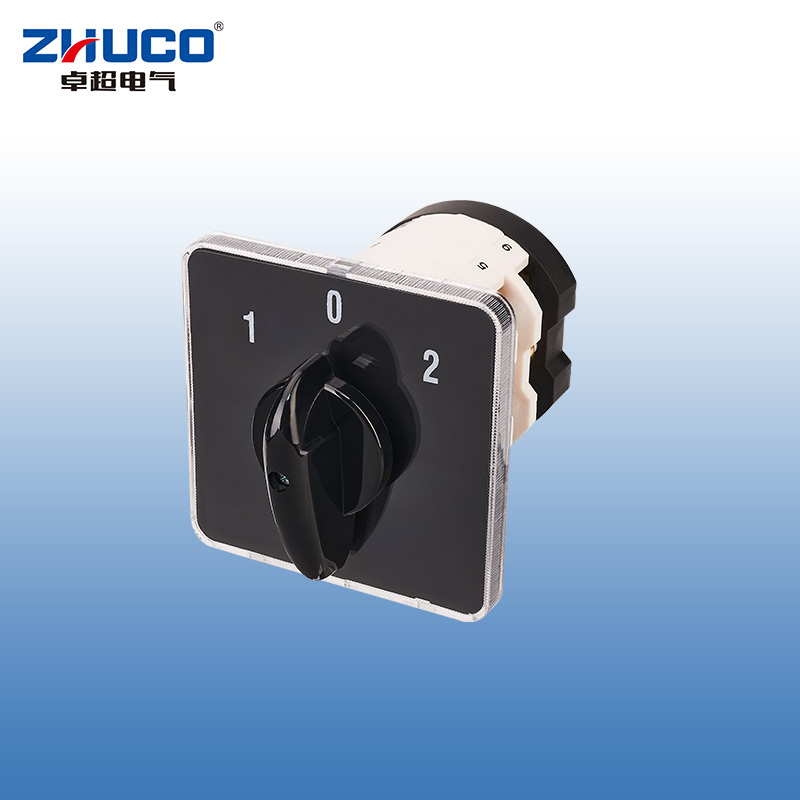
How The Switching Mechanism Works A Circuit Changeover Switch generally contains a movable contact mechanism that changes the connection bet...
READ MORE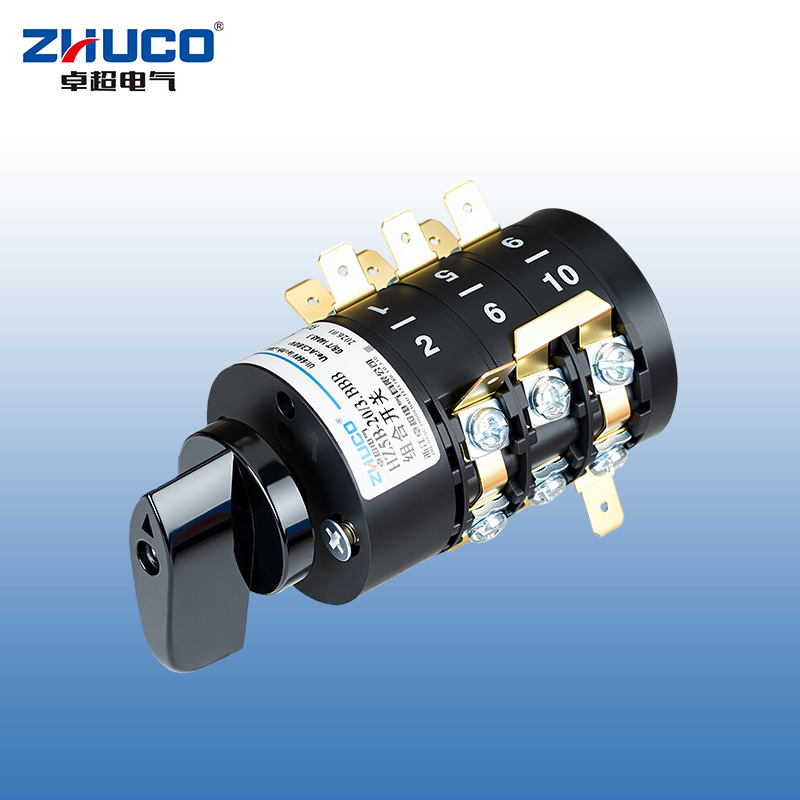
Electrical fitting suppliers have noticed a steady shift toward fixtures that do more within a single wall plate, and the combination switch...
READ MORE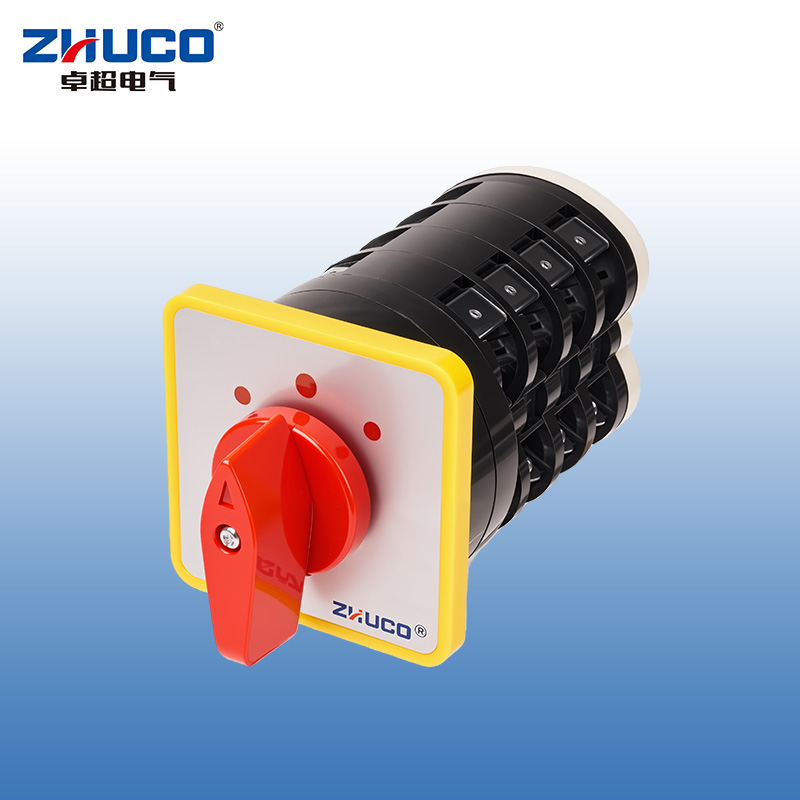
Electrical systems rely on countless small components to stay stable, and a voltage switch is one of the parts working quietly in the backgr...
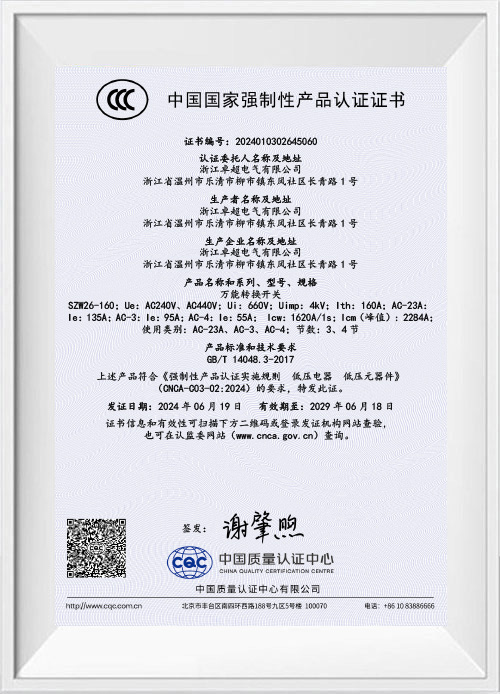
READ MOREThe Universal Changeover Switch is a fundamental component with a wide range of applications in industrial power distribution and control systems. Its rated voltage covers a spectrum ranging from AC 380V (50Hz) down to DC 220V, and its rated current capacity reaches up to 160A. Key features include a compact footprint, good insulation properties, flexible switching operations, a robust structure, and safe, reliable performance. Based on variations in operating method, number of positions (gears), and structural form, universal changeover switches—such as those offered by ATO—can be categorized into various subtypes, each tailored to suit specific engineering scenarios.
The internal structure of a universal changeover switch is relatively simple, consisting primarily of an operating mechanism, a contact system, a rotating shaft, a handle, and an indication device. The coordinated interaction of these components enables effective circuit control.
Rotating the handle drives an internal cam disc into rotation; the contours of the cam then actuate the contacts at each layer, causing them to open and close sequentially according to a preset program, thereby establishing different circuit connection states at each switch position. The core safety mechanism lies in its interlocking design: the device is structurally engineered to ensure that whenever one power source is connected, the other remains physically disconnected, thereby fundamentally eliminating the risk of paralleling two independent power sources.
The Rotary Changeover Switch represents the more widely utilized and fundamental type within the universal changeover switch family. Operators switch between different positions by rotating the handle; once the handle reaches the target position, it automatically locks into place, maintaining the current state without requiring continuous manual force.
Manual rotary changeover switches require an operator to be physically present on-site to execute the switching action: upon detecting a power outage, the operator activates the backup power source, verifies that its output is stable, and then rotates the handle to complete the power transfer. Typical products feature rated currents ranging from 63A—suitable for single-phase circuits—up to 3200A, designed for use in industrial power distribution boards.
Primary Application Scenarios:
Selection Considerations:
For rotary changeover switches, it is essential to verify that the rated insulation voltage (Ui) and rated thermal current (Ith) are sufficient to accommodate the actual parameters of the electrical circuit. Regarding contact materials, the use of silver alloy contacts is recommended; this effectively smalls contact resistance, reduces arcing, and extends the mechanical service life of the switch. Furthermore, the housing material should possess flame-retardant properties to ensure compliance with safety requirements in industrial environments.
The Spring-Return Changeover Switch represents a functional variant within the category of general-purpose changeover switches, distinguished primarily by its built-in spring-return mechanism. Upon the removal of external operating force, the spring-return switch automatically reverts to its initial position without requiring manual intervention; the switch remains in an activated state only while it is being actively operated.
In contrast to the "locking" type of rotary switch—which retains its new state after actuation until manually operated again—the spring-return type utilizes a spring mechanism to prevent the contacts from locking in place, thereby maintaining an activated state only as long as continuous force is applied.
Primary Application Scenarios:
Selection Considerations:
When selecting a spring-return switch, it is crucial to verify that the spring's return torque and the switch's operating frequency are mutually compatible; for high-frequency applications, models with a good mechanical service life should be selected. Additionally, the return angle (travel range) must be confirmed to ensure that, within the constraints of the control panel's mounting space, the operator can execute the rotation and release actions smoothly and without obstruction.
The 8-Position Changeover Switch offers eight distinct rotary stop positions, enabling complex multi-state switching logic to be consolidated onto a single knob. It is ideally suited for control applications characterized by diverse operating conditions and the need for frequent switching between multiple operational modes.
A typical configuration for an 8-position changeover switch might be: OFF / Forward-Low Speed / OFF / Forward-High Speed / OFF / Reverse-High Speed / OFF / Reverse-Low Speed.
A "break" position (OFF) is strategically placed between each active operating position; this design effectively prevents electrical shock or mechanical stress during mode transitions. This type of design is widely utilized in machine tools, such as milling machines and boring machines.
Key Application Scenarios:
Selection Considerations:
The angular displacement between adjacent positions on an 8-position switch is relatively small—typically ranging from 30° to 45°—requiring a high degree of positioning precision. It is critical to carefully verify the contact switching sequence table corresponding to each position. Furthermore, prior to installation, a multimeter should be used to verify the contact status at each position to ensure it aligns precisely with the wiring diagram before applying power. Additionally, the panel cutout dimensions and the handle's rotational radius must be verified in advance to ensure adequate operating clearance.
The 10-Position Changeover Switch represents a high-configuration variant within the general category of changeover switches. Its ten distinct positions endow it with exceptional state-coverage capabilities compared to similar products, making it ideally suited for systems requiring precise management of multiple output channels or diverse operational modes. The 10-position rotary cam transfer switch—rated at 10A and configured with two poles—supports up to 10 to 12 selectable positions. It is widely utilized in control circuits and measurement systems that require multi-channel switching capabilities.
Key Application Scenarios:
Selection Considerations:
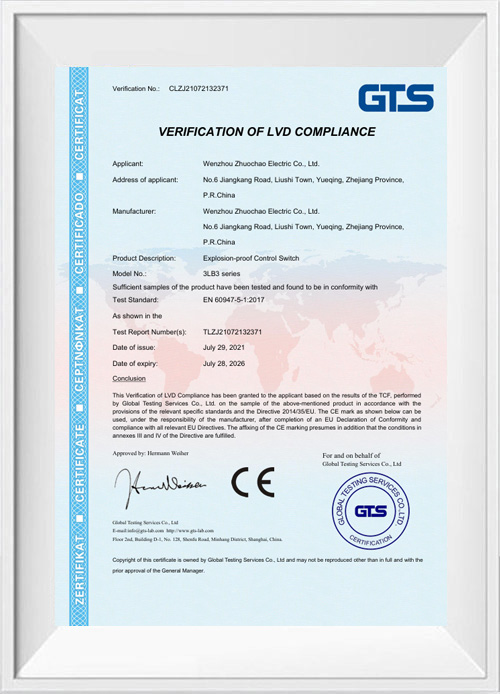
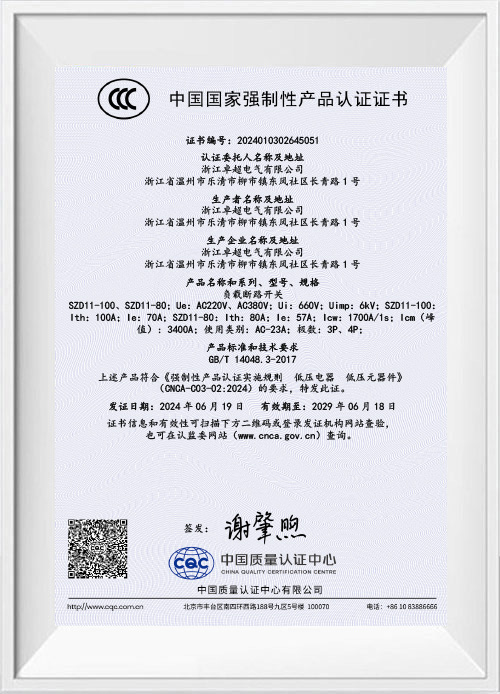
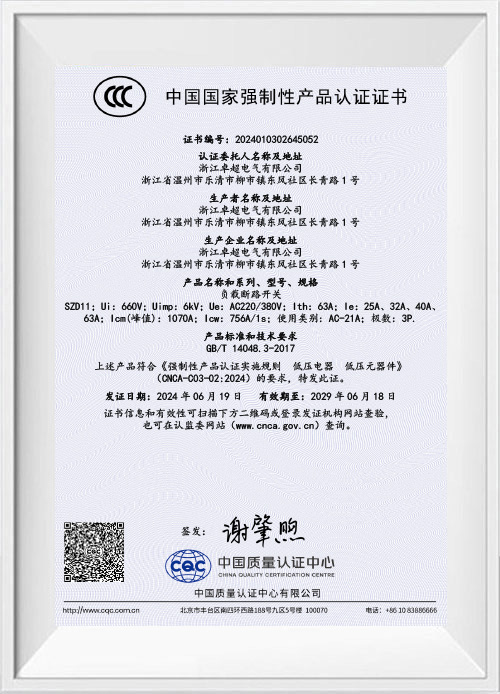
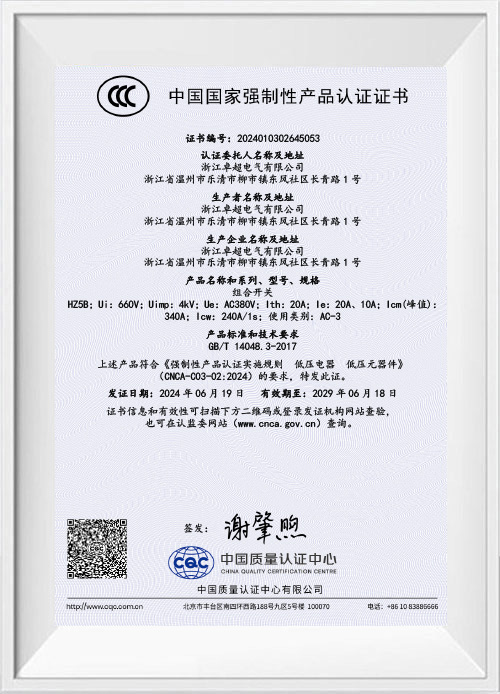
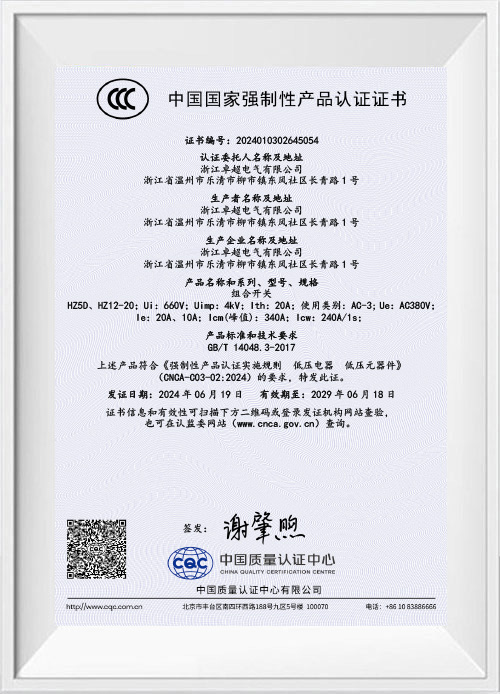
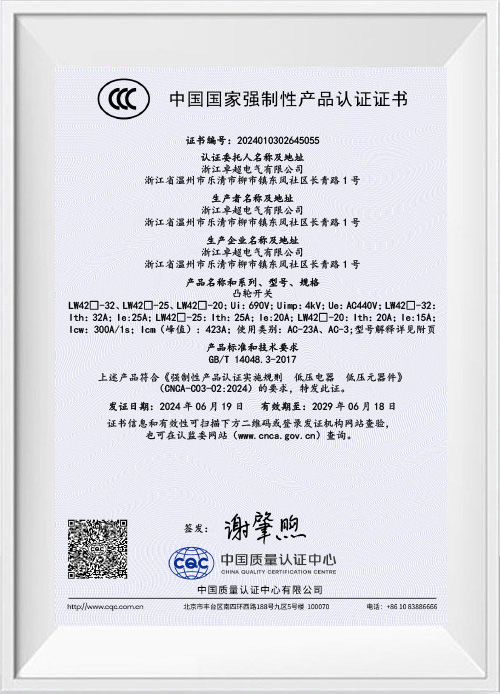
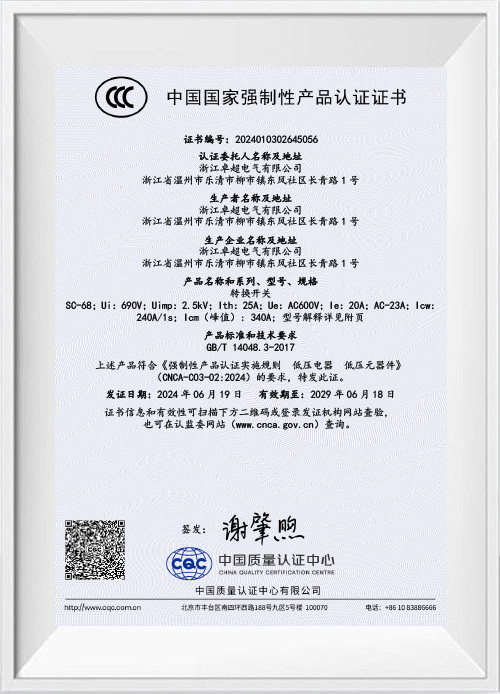
The 10-position transfer switch must comply with the IEC 60947 standard. This standard establishes clear specifications regarding the operational performance, electrical ratings, safety measures, and structural characteristics of low-voltage switchgear. When selecting a product, it is essential to verify its certification documentation to ensure that it meets all requisite performance, safety, and reliability requirements.
| Type | Operation Method | Number of Positions | Core Advantages | Applicable Industries |
| Rotary Changeover Switch | Manual rotation, latched | 2–12 (Selectable) | Intuitive operation, stable status | Power distribution, motor control, industrial panels |
| Spring-Return Changeover Switch | Manual rotation, auto-reset | Typically 2–4 | Prevents accidental operation, high safety | Hoisting, jogging control, safety circuits |
| 8-Position Changeover Switch | Manual rotation, latched | 8 | Integrates multiple operating modes; reduces panel components | Machine tools, process industries, instrumentation scanning |
| 10-Position Changeover Switch | Manual rotation, latched | 10 | Extensive position options; adapts to complex systems | Measurement & control, marine applications, multi-zone management |
Universal Changeover Switches cover a wide spectrum of requirements, ranging from simple dual-circuit switching to sophisticated multi-state control involving up to 10 positions. Understanding the structural principles and functional positioning of each sub-type is the fundamental prerequisite for engineers to make sound decisions during power distribution system design and equipment selection.